Why Test Tube Brush Issues Matter to B2B Buyers
For a purchasing manager or lab supervisor, a broken test tube brush spells more than just a small hassle. A dirty test tube leads to contaminated samples, breakable glassware, and wasted chemicals. At a large-scale facility, the constant need for new cleaning tools can quickly balloon the operational budget. Quality control and cost reduction are directly influenced by choosing the right brush and understanding how to troubleshoot daily wear and tear.
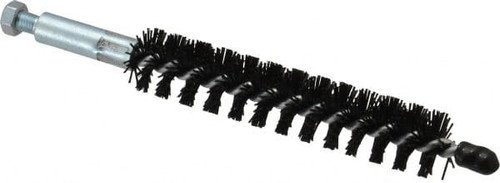
Top 5 Test Tube Brush Problems
1. Bristle Shedding During Cleaning
Loose bristles left within test tubes normally indicate either low-quality brush manufacturing or improper material selection. This results in the contamination of samples and leads to extra, repetitive work for the cleaning staff.
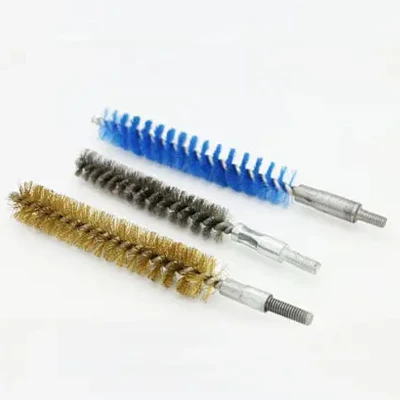
- Solution: Choose brushes with tightly twisted-wire cores to lock the bristles securely. Always match the bristle material to the specific cleaning task. For more details on material selection, read this comparison between nylon vs natural bristle test tube brushes.
2. Rust on the Wire Handle
Corrosion and rust tend to take place with time on the wire core handle of the brush when it is exposed to moisture, harsh laboratory detergents, or acidic chemicals.
- Solution: Opt for brushes where the wire core is made of stainless steel or galvanized steel. Also, remind the staff people to dry the brushes thoroughly after each use and store them in a vertical position in a dry, ventilated rack.
3. Bent or Deformed Bristles
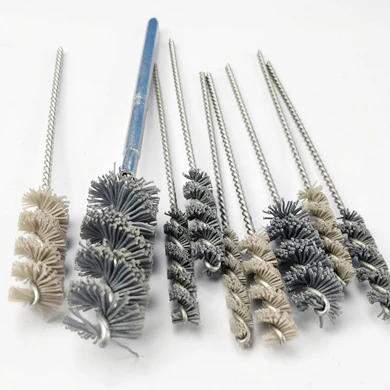
Bristles get bent out of shape with time if they are forced into narrow tubes over and over again or if great physical pressure is applied to them.
- Solution: Match the brush diameter precisely to the inner diameter of your tubes, leaving only a slight margin. Train laboratory technicians not to bend the brush at sharp angles during the cleaning cycle.
4. Incomplete Cleaning
Residue left at the bottom of test tubes usually means the brush length is too short, or the density of the bristles at the tip is insufficient to scrub the base.
- Solution: Specify and buy brushes with fan-tipped or rounded-tip designs. This construction ensures full, 360-degree bottom contact inside the glassware.
5. Cross-Contamination Between Samples
Using the same cleaning tool for different chemical or biological residues introduces a high risk of cross-contamination—especially in pharmaceutical, medical, and food safety testing labs.
- Solution: Implement a strict color-coded system where specific brushes are assigned to specific chemicals, and replace them systematically based on usage frequency.
Quick-Reference Problem & Solution Table
| Common Problem | Likely Root Cause | Recommended Solution |
|---|---|---|
| Bristle shedding | Low-quality wire twist or weak core grip | Transition to high-quality, tightly twisted-wire cores |
| Rust on the handle | Chemical exposure and trapped moisture | Switch to rust-resistant stainless steel wire cores |
| Bent or flat bristles | Incorrect brush sizing or excessive force | Match the brush outer diameter closely to the tube ID |
| Residue left at the base | Sharp brush tip or incorrect length | Choose rounded or fan-tipped brush ends |
| Cross-contamination | Shared brush usage across different tasks | Establish a color-coded rotation and replacement plan |
Matching the Right Brush to the Right Task
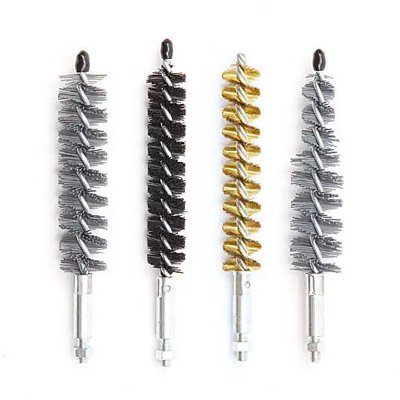
Not every cleaning challenge fits a standard test tube brush. Some applications require longer, narrower, or differently shaped cleaning tools to perform effectively.
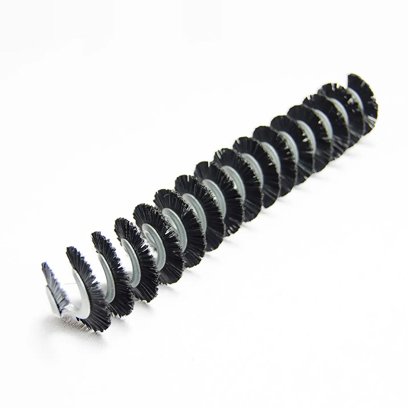
This is where industrial spiral tube brushes become essential. Their specialized twisted-wire construction allows uniform bristle distribution along very long, narrow channels and internal bores.
For larger-scale cleaning applications that involve heavy-duty tubing, hoses, or industrial pipework, a specialized pipe cleaning brush is much more appropriate in terms of reach, diameter, and structural sturdiness.
Furthermore, maintenance personnel responsible for HVAC or industrial heat exchangers will discover that a dedicated Condenser Tube Cleaning Brush is incredibly helpful. This tool easily strips away the tough scale, algae, and mineral deposits that ordinary laboratory brushes cannot handle.
Acquiring this foundational product knowledge will assist your procurement team in reducing trial-and-error purchases.
Optimal Methods for Prolonging the Life of Test Tube Brushes
Even the finest industrial brushes wear out fast if they are poorly cared for. Implementing these simple maintenance practices will significantly prolong their usable life:
- Rinse the brushes with clean water immediately after each use.
- Do not let brushes sit soaking in strong acids or corrosive solvents for long periods.
- Keep and store them in a dry, well-ventilated area to prevent bacterial growth.
- Check the bristles weekly for any signs of permanent deformation or wire rust.
- Replace cleaning brushes every 3 to 6 months in high-use laboratories.
For laboratories handling a wide variety of glassware, reviewing this complete analysis of test tube brush uses in laboratory cleaning will help select the perfect brush shape for each specific task.
When to Replace
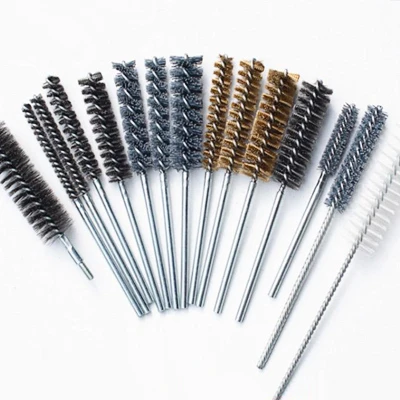
Some purchasing departments try to extend the life of their brush inventory far beyond reason. However, worn brushes damage glassware. There are a few clear indicators that replacing the test tube brush is the wiser choice:
- More than 20% of the bristles have fallen out of the wire core.
- The twisted wire core has apparent rust or structural bending.
- The brush tip is worn down and no longer reaches the bottom of the tubes.
- Bristles stay permanently flat and matted even after being thoroughly cleaned.
Timely replacement prevents much bigger operational problems, such as expensive glassware breakage or contaminated analytical test results.
In Conclusion
The test tube brush is small among tools in a laboratory or facility, yet its share toward overall cleanliness and operational efficiency is rather big. Spotting common problems and taking proper actions to solve them helps B2B customers slash downtime, manage total procurement costs, and keep cleaning quality steady. By matching the right brush with good maintenance habits, this ordinary utility tool becomes a valuable long-term asset.
FAQs
Q1: How often should a test tube brush be replaced in a high-volume laboratory?
Most busy labs go for three to six months. Daily usage, exposure to harsh chemicals, and visible wear on the bristles or wire core determine this timeframe.
Q2: Can a standard test tube brush be used to clean long industrial pipes?
No. It is designed for short, fragile glassware. Long, narrow industrial tubes and pipes require special heavy spiral or pipe brushes.
Q3: What material combination of brushes provides the best resistance to chemicals?
Nylon bristles with stainless steel wire cores resist common laboratory chemicals, moisture, and repeated mechanical cleaning cycles better than other materials, so they are the best general-purpose option.