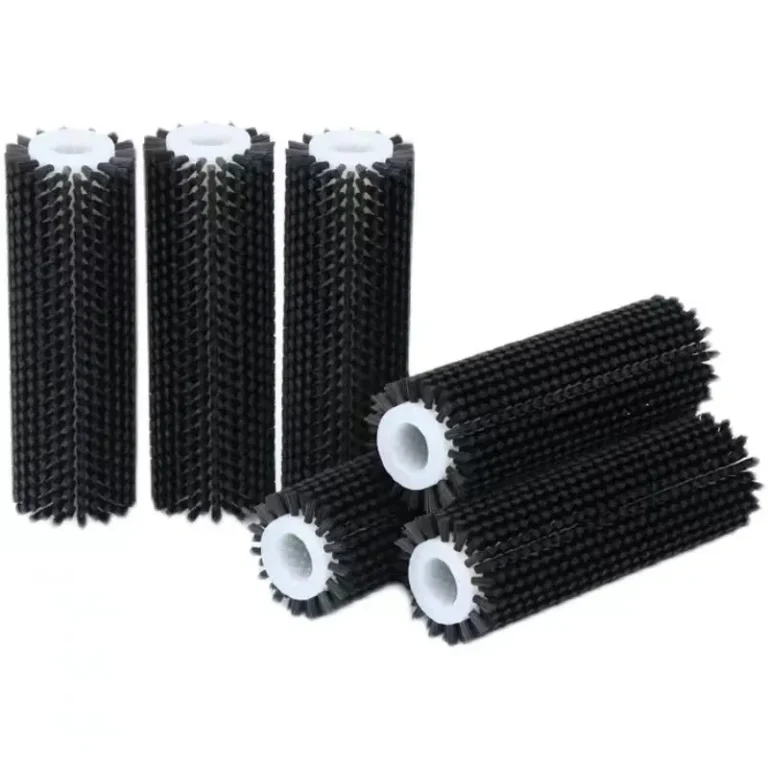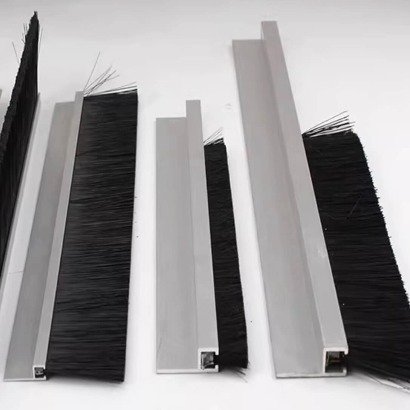
You use a test tube brush to clean laboratory glassware. This tool can reach inside thin tubes, beakers, and cylinders. It removes leftover substances that might change your results. Spiral Brush and Pipe Spiral Brush designs clean all around the inside. They are good for cleaning inside bores and spiral-shaped parts. Clean glassware stops contamination and keeps things hygienic. This helps you get correct results in experiments.
Key Takeaways
-
A test tube brush is very important for cleaning glassware in the lab. It helps get rid of leftover stuff so results are correct.
-
Pick a brush that fits the glassware size. This stops damage and cleans well.
-
Clean with gentle pressure. This keeps thin glass from breaking. It also stops scratches on soft surfaces.
-
Check your test tube brush often. Keep it in good shape so it cleans well.
-
Rinse glassware before and after using the brush. This removes loose dirt and stops scratches.
Test tube brush design
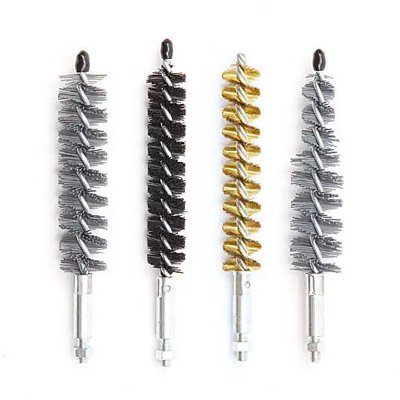
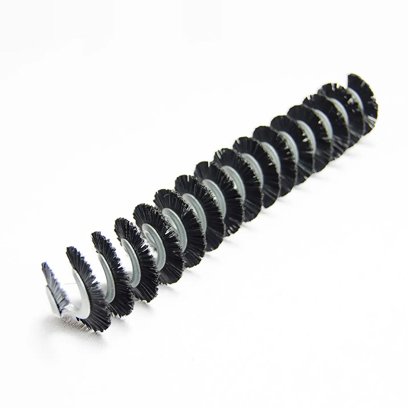
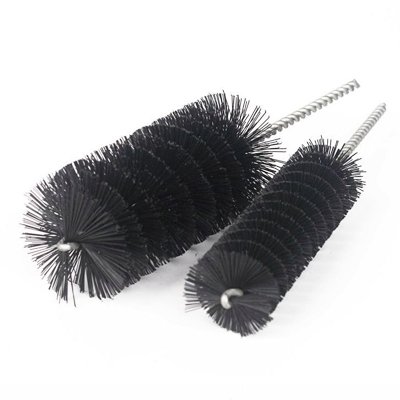
Test tube brushes are special cleaning tools. They help you clean inside tubes and spiral parts. The wire is twisted around a middle core. This shape lets you clean all sides at once. It works well for laboratory glassware. You can use them in hydraulic systems and medical equipment. They also work for industrial pipes and manufacturing. Because they do many jobs, they are useful in lots of places.
Bristle materials
The bristles on a test tube brush are tough. They are usually made from nylon or thermoplastic, such as Nylon Wire Tube Bottle Cleaning Spiral Brush. These materials last a long time and scrub well. The bristles are held by twisted stainless steel wire. This keeps them from coming loose when you use the brush. The way it is made helps you clean well every time.
-
Nylon bristles bend easily and do not scratch glass.
-
Thermoplastic bristles last long and handle chemicals.
-
Copper wire brushes are good for hard cleaning jobs.
Cleaning features
The test tube brush is made to clean thin glassware well. The spiral bristles reach every part inside the tube. They help you scrub away tough dirt. You can clean the bottom and sides with the brush head. This means you do not miss any spots.
Here is a table with important design features:
|
Feature |
Description |
|---|---|
|
Bristle Material |
Strong nylon bristles help you clean better |
|
Handle Design |
Shaped handle lets you grip it easily |
|
Brush Head |
Two ends make it good for cleaning many things |
These features make the test tube brush very important for cleaning in the laboratory.
Uses of test tube brush
Cleaning laboratory glassware
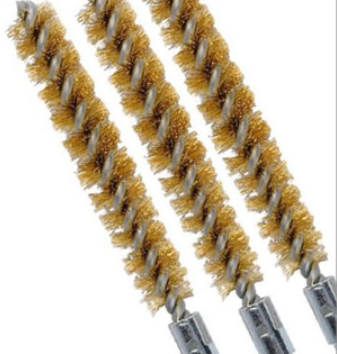
A test tube brush helps you clean inside laboratory glassware. It can reach places your hands or a cloth cannot get to. When you use this brush, you remove chemicals and powders left behind. You also get rid of any residue from experiments. This keeps your glassware free from old substances. Even a tiny bit of leftover material can change your results.
If you do not clean glassware well, you may have problems like:
-
Contamination from other substances in your experiments
-
Results that are not what you expect
-
Samples that are no longer pure
Cleaning glassware is not just about making it look nice. It keeps your work safe and helps you get the right results every time.
Suitable glassware types
A Pipe Cleaning Brush works for many kinds of laboratory glassware. Its design lets you clean narrow and deep containers. Here are some items you can clean with it:
-
Test tubes
-
Burettes
-
Graduated cylinders
-
Pipettes
-
Flasks
-
Small bottles
The helical wire and bristles cover all parts inside these containers. You can also use this brush for cleaning inside bores and spiral-shaped parts. It works in hydraulic systems, medical equipment, and industrial pipes. This makes the test tube brush useful in many places, not just laboratories.
Best cleaning practices
You should follow some good steps to clean glassware safely. Here are some tips:
Tip: Always rinse glassware with water before and after using the test tube brush. This helps remove loose dirt and stops scratches.
-
Pick the right size brush for each piece of glassware.
-
Move the brush gently so you do not break the glass.
-
Use warm water and a mild detergent if needed.
-
Rinse well to get rid of all soap and residue.
-
Let glassware air dry on a clean rack.
Check your test tube brush often. If the bristles are worn or the handle is bent, get a new brush. Clean tools help keep your experiments safe and results reliable.
Safety and limitations
Safe usage tips
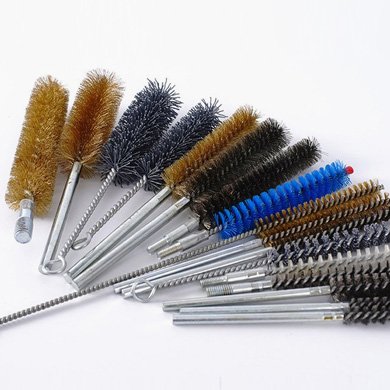
You should always use a test tube brush with care. Hold the brush firmly and move it slowly inside the glassware. This helps you avoid breaking thin tubes or scratching delicate surfaces. Choose the right size brush for each item. A brush that is too large can damage the glass. Rinse the brush before use to remove any dust or old residue. If you clean medical equipment or hydraulic systems, make sure the brush is clean and dry before you start.
Note: Wear gloves when cleaning laboratory glassware. This protects your hands from chemicals and sharp edges.
Limitations and risks
You may face some risks when using a test tube brush. Thin glassware can crack if you press too hard. Spiral-shaped components need gentle cleaning to avoid damage. Brushes with stiff bristles can scratch soft surfaces. Always check the glassware for chips or cracks before cleaning. If you use the brush in industrial pipes or precision manufacturing, inspect the brush for wear. A worn brush may not clean well and could leave fibres behind.
Here is a table showing common risks and how to avoid them:
|
Risk |
How to Avoid |
|---|---|
|
Glass breakage |
Use gentle pressure |
|
Surface scratches |
Choose soft bristles |
|
Residue left behind |
Inspect brush regularly |
Maintenance advice
You can keep your test tube brush working well by following simple steps. Rinse the brush after each use to remove chemicals and dirt. Let it air dry in a clean place. Store the brush upright so the bristles keep their shape. If you see bent wires or loose bristles, replace the brush. Engineered cleaning tools like these need regular checks to stay effective. A well-maintained brush gives you 360° cleaning coverage for tubes, bores, and spiral-shaped parts. This helps you keep laboratory glassware and equipment safe and clean.
You use a test tube brush to clean glassware. The brush has soft bristles made from natural hair. These bristles clean well but do not scratch the glass. The cleaning head can reach every part inside tubes. It also cleans spiral-shaped pieces. You get full coverage and remove all leftover residue. This helps keep things hygienic and makes experiments more reliable. You can also use the brush for hydraulic systems. It works for medical equipment and industrial pipes too.
-
Gentle bristles help keep things clean
-
Helps you get correct results in experiments
-
Cleans all around inside tubes
- Tip: Check your brush and glassware before you start cleaning. This helps you get the best results.
FAQ
1. Can a test tube brush be autoclaved for sterilization?
Most test tube brushes made with stainless steel cores and high-temperature nylon bristles can be autoclaved. However, always check the manufacturer’s specifications, as some plastic handles or low-grade bristles may melt under high heat.
2. How do I choose the right diameter for my test tube brush?
For effective cleaning, choose a brush that is approximately 1mm to 2mm wider than the internal diameter of the tube. This ensures the bristles apply enough pressure to the walls to scrub away residue without being too difficult to insert.
3. What is the difference between a tufted end and a wire-loop end?
A tufted-end test tube brush has extra bristles at the very tip, which are ideal for cleaning the rounded bottoms of test tubes. A wire-loop end is generally used for pull-through cleaning in open-ended pipes or bores where bottom-scrubbing isn’t required.