Door brushes fit along the edges or bottom of your door. They help you block draught, dust, and pests from entering your home or workplace. Many people install door brushes for several reasons:
-
You can stop draught from making your rooms cold.
-
You keep out dirt, dust, and even rainwater, which helps improve indoor air quality.
-
You prevent insects and small pests from sneaking in.
-
You also reduce noise and light that might leak through gaps.
You create a cleaner, quieter, and more comfortable space with a simple draught solution like door brushes.
Key Takeaways
-
Door brushes close gaps around doors. They stop draughts, dust, pests, noise, and light. This helps keep rooms warmer and cleaner.
-
The bristles are flexible and bend to fit uneven surfaces. This makes a tight seal that lasts a long time. It works better than rubber or vinyl.
-
You need to pick the right brush for your door. Think about the door type, gap size, and material. Nylon and aluminium are good for heavy use. Rubber is better for homes.
-
It is easy to put in door brushes with simple tools. Make sure you fit them well and clean them often. This helps them work well for many years.
-
Door brushes help save energy by keeping heat in. They stop pests without using chemicals. They also make any room more comfortable.
Door Brushes Explained
What Are Door Brushes
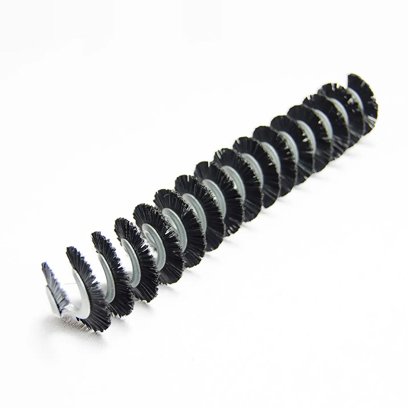
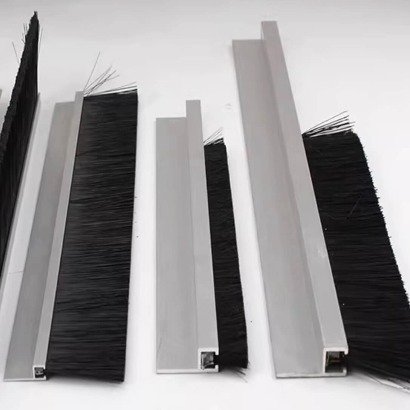
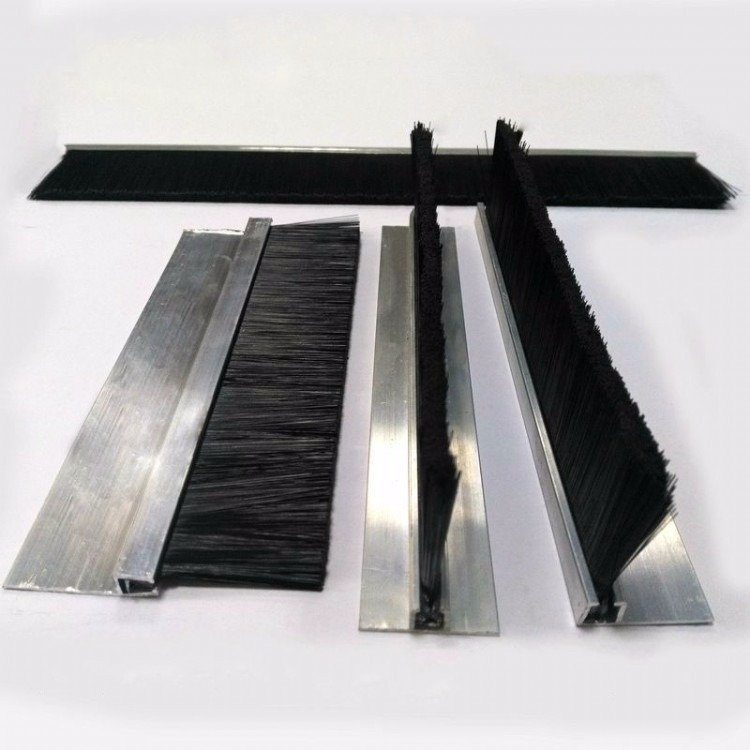
You use door brushes to seal gaps around doors. These brushes help you keep your home or workplace clean and comfortable. A typical door brush has a strip of bristles attached to a sturdy backing. You can fit this strip along the bottom, top, or sides of a door. The bristles act as a barrier, stopping dust, draughts, insects, and noise from entering.
Door brushes protect you from rain, wind, and energy loss by sealing door gaps. You also get better insulation and a quieter space.
You can find door brushes made from different materials. Each material offers unique benefits. The table below shows the most common materials and their uses:
|
Material Type |
Advantages and Properties |
|---|---|
|
Nylon |
Durable, resists heat, chemicals, and abrasion; comes in various diameters and stiffness levels. |
|
Polypropylene |
Lightweight; repels water, oil, and chemicals; good for chemical resistance. |
|
Polyester |
Offers different stiffness and absorption; resists heat, cold, and chemicals. |
|
Sturdy and effective for cleaning, polishing, deburring, and surface preparation. |
|
|
Natural Hair |
Soft, suitable for polishing and buffing; used for delicate surfaces. |
|
Brush Backing |
Made from metal, wood, steel, or polymers; chosen for strength and application needs. |
You can choose the right door brush based on where you want to use it and what you want to block.
How Brush Seals Work
Brush seals use flexible bristles to fill gaps around doors. When you close the door, the bristles press against the floor or frame. This action forms a tight seal. The bristles bend and adjust to uneven surfaces, so you get a good fit even if the floor is not perfectly flat.
-
You find brush seals made with densely packed filaments, often nylon or polypropylene.
-
The bristles attach to a strong backing, usually aluminium or another metal.
-
Some brush seals have flame-retardant properties or metal parts to stop rodents from chewing through.
You might wonder, how does a draught excluder brush work? The answer is simple. The bristles block cold air, dust, and pests from slipping through the gap. You get a warmer room and lower energy bills. If you ask again, how does a draught excluder brush work, you see that the flexible bristles adapt to any small changes in the floor or door, keeping the seal tight over time.
Brush seals stand out from other door sealing solutions. Rubber or vinyl seals rely on compression, which may not work well on uneven surfaces. Brush seals, on the other hand, flex and move with the door. You get a longer-lasting and more reliable seal. You also spend less time on maintenance. Regular cleaning and seasonal checks keep brush seals working for years.
Tip: You can use brush seals on many types of doors, including sliding doors, garage doors, and standard entry doors. Their flexibility makes them ideal for both homes and industrial settings.
You benefit from brush seals because they:
-
Block draughts, dust, insects, and noise.
-
Adapt to irregular surfaces.
-
Last longer than many rubber or vinyl alternatives.
-
Require little maintenance.
You now understand why door brushes and brush seals are a smart choice for sealing gaps and improving comfort in your space.
Benefits of Door Brushes
Draught Excluder Brush
You use a draught excluder brush to seal gaps around your doors and windows. This type of weatherstripping works by blocking draughts and stopping cold air from entering your home. When you fit a draught excluder brush, you keep draughts out and make your rooms warmer. Research from Historic England shows that adding a draught excluder brush can reduce air infiltration by up to 86% in sash windows. This result proves that a draught excluder brush is highly effective at preventing draughts and sealing larger or irregular gaps. You find that weatherstripping with brush strips works better than tape or foam when your doors or windows move often. Other types of draught excluder brushes, such as those for sliding doors, also allow movement while keeping draughts out. You can rely on a draught excluder brush to seal gaps at the bottom of exterior doors, which helps you block draught and improve comfort.
Tip: You should check the types of draught excluder brushes before choosing one, as some work best for wide gaps and others for narrow spaces.
Insulation and Energy Saving
When you install weatherstripping like a draught excluder brush, you help your home stay warm in winter and cool in summer. Brush strips seal gaps and stop draught from entering, which means your heating and cooling systems do not work as hard. You save energy and lower your bills. Door sweeps and brush strips seal the gap between the door and the floor, preventing draught and keeping your indoor temperature stable. This action supports energy efficiency and helps you maintain a comfortable climate. In warehouses and energy-efficient buildings, weatherstripping with a draught excluder brush reduces heating and cooling losses. You benefit from a more stable indoor temperature and less energy waste. By choosing the right types of draught excluder brushes, you improve insulation and save money.
Noise and Pest Control
You also use a draught excluder brush for more than just preventing draughts. Weatherstripping with brush strips can reduce noise, but the effect is small. Door brushes block some sound, but they do not offer complete soundproofing. For better noise reduction, you may need extra seals or a solid door. However, a draught excluder brush is very effective at keeping pests out. When you seal gaps with weatherstripping, you stop insects, rodents, and even birds from entering. Gaps as small as 1/16 inch let insects in, and 1/4 inch gaps allow mice. A well-fitted draught excluder brush blocks these pests without chemicals. You should inspect your weatherstripping often to keep the seal strong and maintain protection.
Note: Many food industry facilities use draught excluder brush seals as a safe, non-chemical way to keep pests out.
Types of Brush Seals
Garage Door Brush Seal
You often see a garage door brush seal on the sides and top of garage doors. These brush seals use tough nylon or polypropylene bristles that flex and fit against uneven surfaces. You get a strong seal that keeps out dirt, dust, pests, and weather. Many garage door seals, like the Flex Brush, use a polypropylene backing instead of metal. This means you do not have to worry about rust or deterioration, even in wet conditions. The bristles do not freeze or stick, so you can use them in harsh weather. You can find garage door brush seals in different spine widths and bristle lengths, making it easy to match them to your door. These brush strips last longer than metal-backed options and are lightweight for simple installation.
You should use garage door brush seals in places where the door moves often or the surface is not flat. They work well in commercial garages, warehouses, and places where you need a weather-tight seal.
-
Key features of garage door brush seals:
-
Polypropylene backing for rust-free performance
-
Bristles that conform to irregular surfaces
-
Lightweight and slim design
-
Easy to install and maintain
-
Suitable for high-frequency use and harsh environments
-
Garage Door Brush Strips
Garage door brush strips are a popular choice for sealing a garage door. You attach these brush strips to the bottom, sides, or top of the door. The flexible bristles adapt to bumps and gaps, giving you a good seal even on uneven floors. You often use brush strips for weatherstripping in commercial settings, but they also work well at home. Unlike vinyl or rubber garage door threshold seals, brush strips do not crack or stick in cold weather. They are easy to install and replace, making them a favourite for DIY projects.
When you compare brush strips to other garage door seals, you see that brush strips excel at blocking dust, dirt, and small pests. They do not scratch surfaces and last for years with proper care. However, brush strips are less effective at stopping heavy rain or water than vinyl or rubber seals. You should use brush strips where you want to keep out debris and pests, but not where water is a big problem.
|
Seal Type |
Flexibility |
Lifespan |
Notes on Use and Durability |
|---|---|---|---|
|
Brush Strips |
Flex to fit gaps and bumps |
5-8 years |
Good for dust and pest control; less water resistance |
|
Rubber |
Excellent on uneven floors |
5-10+ years |
Best for water, extreme weather, and UV exposure |
|
Vinyl |
Good on flat floors |
5-7 years |
Moderate lifespan; best for smooth surfaces |

Other Door Brush Types
You can find many other types of brush seals for different doors and uses. Some brush strips fit old doors without changing their look. Others work on windows to block cold air and protect delicate surfaces. You also see brush strips in cleanrooms, museums, and factories, where they help control dust and keep air clean. Some brush seals are made for sliding doors, swing doors, or even conveyor belts in industry.
|
Brush Type |
Application Example |
Key Benefits |
|---|---|---|
|
Door Sealing Brush |
Old doors, entry doors |
Seals gaps, blocks draughts and pests |
|
Windows, delicate surfaces |
Keeps out cold air, protects materials |
|
|
Strip Brush |
Cleanrooms, museums |
Controls dust, insects, and air purity |
|
Metal Wire Brush |
Industrial cleaning, high heat |
Rust resistance, tough cleaning |
Tip: If you want to know how to keep bugs out of your garage, use brush strips on all sides of the door. Combine them with garage door threshold seals for the best protection.
You can use brush seals for many needs, from weatherstripping to door sweeps. If you want to learn how to seal a garage door, start with brush strips for the sides and top, and use rubber or vinyl for the bottom. This mix gives you the best seal and longest lifespan. When you ask how to seal a garage door, remember that regular maintenance helps your brush strips last longer.
Choosing and Fitting Door Brushes
Selecting the Right Door Brush
You should choose a door brush that matches your needs and the type of door you have. Start by measuring the largest gap you want to seal. This helps you pick the right length and thickness for your brush strips. Think about where you will use the excluder. Indoor and outdoor doors need different materials. For example, aluminium alloy strips work well for industrial or outdoor doors because they resist corrosion. Nylon bristle strips suit busy places like commercial door weatherstripping, as they last longer and handle frequent use. Rubber or silicone strips fit most homes and light commercial doors.
Tip: High-density brush strips give you better draught, dust, and pest protection. Always check the door’s material and how often you open it. This helps you choose a draught excluder brush that lasts.
You also need to decide how you want to mount the excluder. Some brush strips snap into place, others need screws, and some use adhesive. Pick the method that works best for your door and how much use it gets.
|
Material Type |
Best Use |
Key Properties |
|---|---|---|
|
Nylon |
Commercial, high-traffic doors |
Durable, heat and abrasion resistant |
|
Aluminium Alloy |
Industrial, outdoor doors |
Corrosion-resistant, strong |
|
Rubber/Silicone |
Residential, light commercial |
Flexible, easy to fit, good for draughts |
Installation Steps
You can install draught excluder brushes with a few simple steps. First, measure the largest gap at the bottom or side of your door. Cut your brush strips to the right length using cutting pliers. Do not use a saw, as this can damage the bristles. Place the brush so the tips just touch the floor or frame at the lowest point. This gives you the best seal against draught, dust, and pests.
Follow these steps for installing a draught excluder brush:
-
Measure the gap and mark the length on your brush strips.
-
Cut the strips with pliers, not a saw.
-
Hold the strip in place and check that the bristles touch the surface.
-
Fix the strip with screws or adhesive, but do not tighten screws fully at first.
-
Adjust the position for a tight seal, then finish tightening.
Note: If you over-tighten screws too soon, you might not get a proper seal. Leave some play for easy adjustment.
Maintenance Tips
You keep your excluder working well by checking it every few months. Brush strips need little care, but you should clean away dust and dirt. If you see gaps or worn bristles, replace the strip to keep your seal strong. For commercial door weatherstripping, check more often, as heavy use can wear out the bristles faster. Always make sure the brush strips stay in contact with the surface to block draught, dust, and pests.
Regular checks help you save energy and keep your draught excluder brush working for years.
When you add door brushes to your doors, you get many good things. These brushes close up gaps and stop draughts. They also keep dust and pests outside. You use less energy and your space feels quieter and nicer. The table below explains why people like using door brushes:
|
Benefit |
Explanation |
|---|---|
|
Protection from draughts |
Stops cold air, dust, and noise from getting inside. |
|
Improved comfort |
Makes rooms warmer and keeps them cleaner. |
|
Energy cost savings |
Helps lower heating bills by stopping air from escaping. |
|
Easy installation |
Simple to put on with just a few tools. |
|
Long-term durability |
Stays strong for years, even in rough weather. |
-
You can use door brushes on lots of different doors.
-
The bristles do not soak up water and do not scratch.
-
You make your space use less energy and keep it safe with this one change.
Door brushes are a smart way to make your home or work better. You get a cleaner, warmer, and safer place with this simple fix.
FAQ
How do you clean a door brush?
You can use a vacuum cleaner or a soft brush to remove dust and dirt from the bristles. For stubborn grime, wipe the brush gently with a damp cloth. Make sure the bristles dry completely before closing the door.
Can you fit a door brush to any type of door?
You can fit most door brushes to wooden, metal, or uPVC doors. Measure the gap first and choose a brush strip that matches your door’s material and thickness. Some brushes work better on flat surfaces.
Do door brushes stop all draughts?
Door brushes block most draughts, dust, and pests. You may still feel a small amount of air if the gap is very large or uneven. For best results, combine a brush with other seals if needed.
How long does a door brush last?
Most door brushes last between five and eight years. The lifespan depends on how often you use the door and the quality of the brush. Regular cleaning helps your brush last longer.
Tip: Replace your door brush if you notice worn or bent bristles. This keeps your seal strong and effective.