Choosing the right sweeper brushes helps clean roads faster and saves money. People pick brush type and material to match their equipment and local area. For example, a roller sweeper brush works best on flat ground. A gutter broom can reach into tight corners. Using a wafer brush helps collect more debris on big jobs. The table below shows how brush setup changes cleaning and costs. Regular care keeps brushes working for longer.
|
Brush Configuration |
Description |
Suitable Environment |
Impact on Cleaning Efficiency |
Impact on Operational Costs |
|---|---|---|---|---|
|
Single Brush |
One spinning brush collects debris |
Small, easy-to-control places with simple cleaning |
Good for easy jobs but not for mixed debris |
Costs less at first, but may take longer for mixed debris |
|
Dual Brush |
Two brushes that can move separately |
Medium or large areas, flat or a bit uneven |
Sweeps wider and handles different debris types |
Works better, so less downtime and wear, saving money |
|
Rotary Brush Type |
Spins against the ground to pick up debris |
Many surfaces, flat or a bit uneven |
Speed and angle can change to work better |
Works well and fast, so fewer delays |
|
Beater Bar Brush Type |
Metal bars hit the ground to loosen debris |
Tough, rough or gravel surfaces |
Good at breaking up hard debris |
Less need for hand cleaning, so saves on labour costs |
|
Combination Brush Type |
Uses both rotary and beater bar brushes |
Many places and cleaning jobs |
Works well everywhere and is very flexible |
Can do many jobs, so you need fewer machines and save money |
Key Takeaways
-
Pick the correct brush type and material for your job. This helps you clean better and makes the brush last longer.
-
Clean brushes often, check them, and store them the right way. This keeps them working well and stops expensive repairs.
-
Change brushes when bristles get short or uneven. Replace them if cleaning is not as good. This helps sweeping stay strong and keeps your machine safe.
-
Always make sure the brush fits your sweeper model. Use original parts for safety and good performance.
-
Think about eco-friendly and smart brush choices. These can save you money, help the environment, and make cleaning better.
Selection
Brush Types
Picking the right brush type helps clean better. Each brush works best for a certain job or place. Some brushes are good for flat ground. Others reach corners or pick up heavy rubbish. The table below shows different brush types and what they do:
|
Brush Type Category |
Specific Brush Type |
Characteristics |
Suitable Applications |
|---|---|---|---|
|
Material-based |
Wire sweeping brush |
Very hard, strong against wear |
Rough ground, heavy dirt, busy workshops, ports |
|
Material-based |
Nylon sweeping brush |
Bends well, gentle on floors |
Flat ground, light dirt, shopping centres, hospitals |
|
Material-based |
Plastic sweeping brush |
Soft feel, safe for delicate floors |
Labs, offices, places with sensitive flooring |
|
Shape-based |
Cleans big areas fast |
Warehouses, car parks |
|
|
Shape-based |
Block brush |
Fits in long, narrow spaces |
Corridors, passages, lifts |
|
Shape-based |
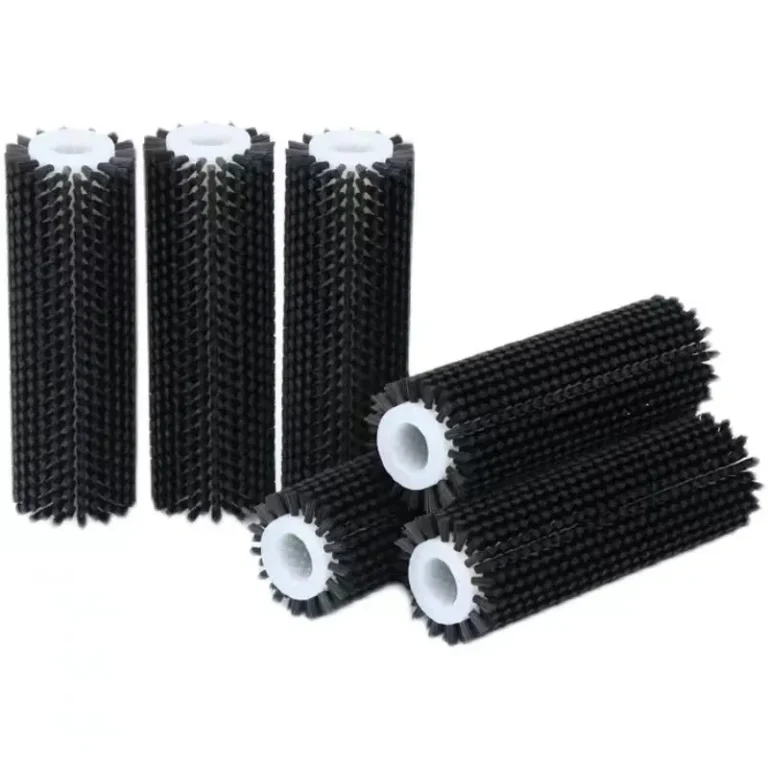
Roller brush |
Cleans curved or odd-shaped surfaces |
Pipes, tanks |
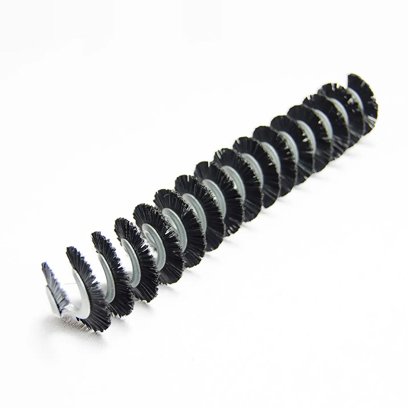
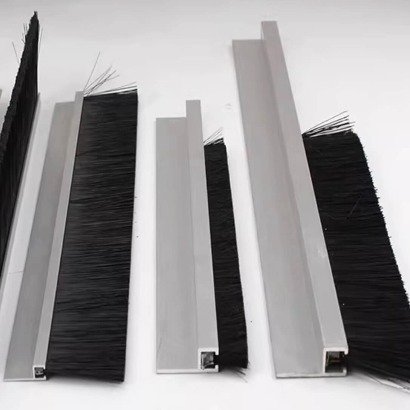
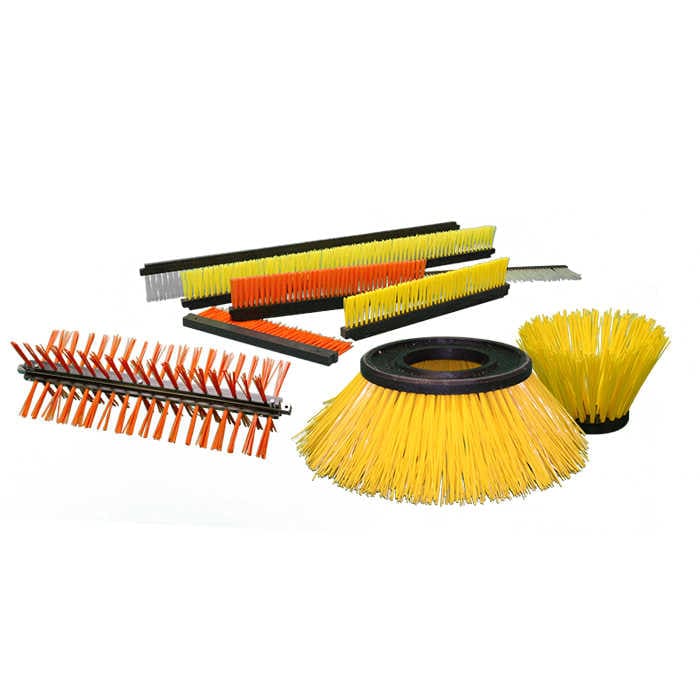
Some sweeper brushes, like gutter brooms, use flat wire bristles. They clean along kerbs and gutters in busy streets. Wafer brooms work well on building sites. They pick up all kinds of rubbish. Strip brooms are strong and easy to swap. They are good for factories. Main brooms pick up bigger rubbish, like leaves, on city and country roads.
Tip: Always choose the right brush for the job. This helps you clean better and makes your brush last longer.
Materials
The brush material changes how well it cleans and how long it lasts. Some materials are tough and last longer. Others are softer and better for gentle floors. Here is a quick look at common materials:
|
Material |
Durability and Performance |
Cost and Application Notes |
|---|---|---|
|
Strong, bends well, resists chemicals, lasts 3-6 months |
Costs more, but saves money over time |
|
|
Polypropylene |
Good in wet places, wears down at a medium rate |
Cheapest, best for light rubbish |
|
Steel Wire |
Very hard, removes tough dirt, can damage roads |
Special use, may cost more to maintain |
|
Mixed Materials |
Mixes nylon and steel for balance |
Good for tricky jobs, balances cost and strength |
Nylon bristles are good for most cleaning and last longer, even when wet. Polypropylene is cheap and good for lighter jobs. Steel wire brushes clean tough dirt but might scratch some floors. Mixed materials give a balance. They handle hard jobs but do not wear out too fast.
Different materials also change how well brushes pick up rubbish. Harder materials like steel clean heavy dirt. But they may wear out quickly if used on the wrong floor. Softer brushes, like nylon, protect floors. But they may not last long on rough ground.
Compatibility
Not every brush fits every sweeper. Compatibility is important for safety and cleaning. Here are things to check:
-
Match the brush shape to the job and ground. City areas need brushes for tight spaces. Country roads need brushes for bumpy ground.
-
Think about the weather. Some brushes work better in rain or cold.
-
Check the rubbish you need to clean. Heavy litter needs stronger brushes.
-
Make sure the brush fits your sweeper. Use the model and serial number to find the right size.
-
Look for brushes that attach easily, especially if you change brushes often.
-
Check if spare parts and help are available from your supplier.
|
Compatibility Factor |
Description |
|---|---|
|
Hydraulic Flow and Pressure |
Brush must match the sweeper’s hydraulic system. |
|
Integration Capabilities |
Check if the brush fits quick-attach systems and power links. |
|
Equipment Model Compatibility |
Brush should fit your sweeper’s model. |
|
Build Quality and Standards |
Pick brushes that meet industry standards for strength. |
|
After-Sales Support |
Good suppliers offer spare parts and technical help. |
Note: Always check your sweeper’s manual or the supplier’s list before buying new brushes.
Sizing
Getting the right size brush is very important. The wrong size can clean badly or break your sweeper. Here is what to do:
-
Measure the inside and outside diameter of your old brush.
-
Check the length and width so the new brush fits.
-
Use the serial number to find the right size in the parts book.
-
If you are not sure, ask your supplier for help. They can help you pick the right brush for your sweeper and cleaning job.
Good suppliers ask about the rubbish type, how often you use the sweeper, and your budget. They also look at the cleaning path width, power source, and hopper size. For special jobs, like cleaning old pavements or meeting strict air rules, they may suggest special brushes or machines.
Talking to a good supplier saves time and money. They help you avoid mistakes and keep your sweeper brushes working well.
Maintenance
Cleaning
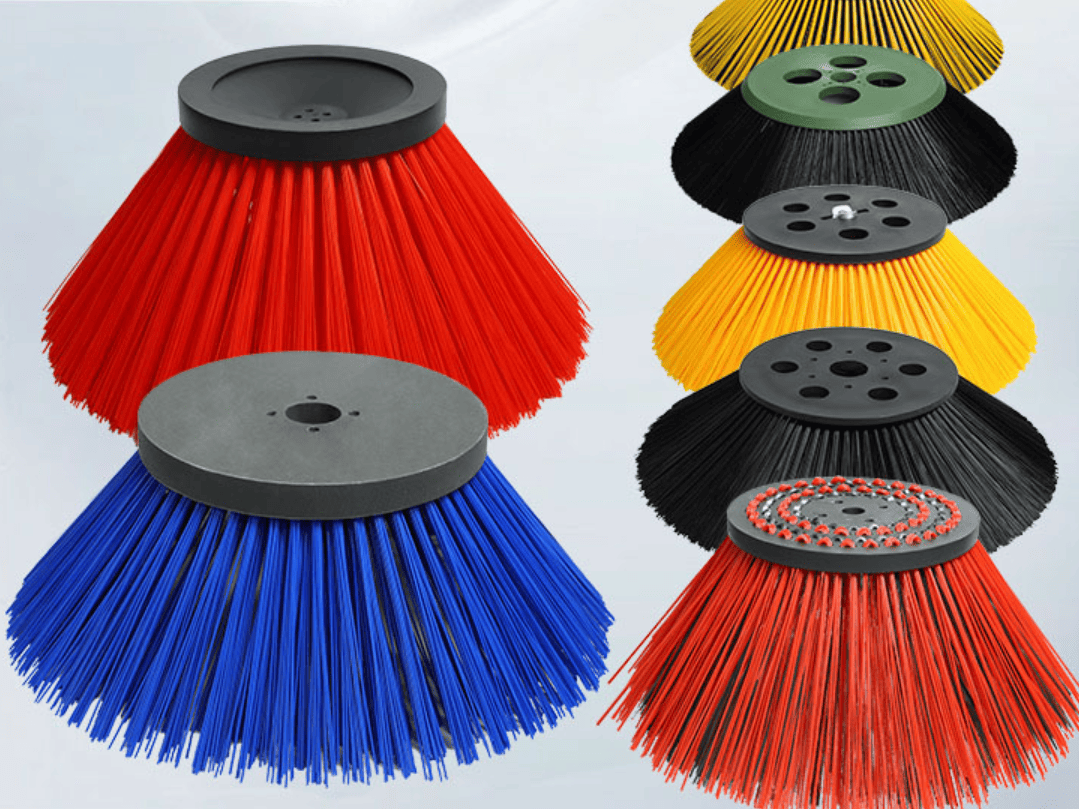
It is important to keep sweeper brushes clean. This helps them last longer and work better. After each use, operators should take out dirt and rubbish from the bristles. This stops dirt from building up and makes cleaning easier. Different brushes need different ways to clean:
-
Main brooms pick up dirt, leaves, sand, and litter. They spin and cover big areas to keep roads tidy.
-
Adjustable main brooms can handle many types of rubbish and ground. Operators should check the height, angle, and pressure for best results.
-
Poly and wire brushes are good for heavy rubbish. Polypropylene brushes are better for lighter jobs.
-
Cutting brushes use stiff bristles and the right angle to remove gravel.
-
F128 brushes clear fine or wet rubbish. Moving the brush back and forth helps get rid of stuck dirt.
Operators should clean sweeper brushes every week. Most brushes can be washed with water and a gentle soap. After washing, let the brushes dry in a place with fresh air. Do not use heaters, as this can harm the bristles. Gently combing the bristles after drying keeps them neat and removes any leftover dirt.
Tip: Cleaning brushes often stops rubbish from blocking the bristles. It also helps keep drains clear and stops pollution.
Inspection
Checking sweeper brushes often keeps them working well. Operators should look for damage, wear, or blocked bristles every day. They should make sure the brushes spin easily and nothing is stuck. Taking out stuck rubbish helps the brushes clean better.
A good inspection plan includes:
-
Measure the bristle length. Change main brooms and gutter brooms when bristles are about 6.5 inches long.
-
Look for flat, frayed, or uneven bristles. These signs mean the brush does not work as well.
-
Set broom pressure low, but enough to clean. Too much pressure wears out bristles quickly.
-
Lower the broom, spin it, and check the mark it leaves. This shows if the pressure and wear are even.
-
Adjust the tension to help the bristles last longer.
-
Use in-cab controls, if you have them, to change pressure easily.
Operators should also look for streaks or rubbish left on the road. If the sweeper needs to go over the same spot again, the brushes might need changing.
Storage
Storing sweeper brushes the right way helps them last longer. Operators should keep brushes in a dry, covered place, away from water and sunlight. This stops the bristles from getting weak or the core from bending. Keeping brushes upright or hanging them by the handle stops them from bending or being crushed.
Here are some tips for storage:
-
Put brushes in clean, airy boxes or cloth bags.
-
Do not stack brushes, as this can cause uneven wear.
-
Keep brushes away from very hot or cold places. A steady, mild temperature is best.
-
Use older brushes first, so none stay unused for too long.
-
Keep brushes sorted by size and type to stop them from getting tangled or bent.
-
Check brushes before using them to make sure they are clean and not damaged.
If brushes are not used for a long time, operators should clean and comb them often. This keeps the bristles soft and springy. Using a care liquid, like linseed oil, can help keep them soft.
Note: Never leave brushes soaking in water for a long time. This can make the bristles take in too much water and lose their shape.
Replacement
Changing sweeper brushes at the right time keeps cleaning good and costs low. Operators should change brushes when the bristles are about 60% shorter than when new. Signs that a brush needs changing include:
-
Bristles are much shorter than when new
-
Bristles are uneven, missing, or frayed
-
Streaks or rubbish are left after sweeping
-
The sweeper needs to go over the same area more than once
Using good, original parts makes sure the brushes fit well and do not harm the sweeper. Cheap or wrong parts can cause delays and more repairs.
|
Aspect |
What to Look For |
|---|---|
|
Brush Wear |
Bristles are short, uneven, or missing |
|
Cleaning Quality |
Streaks, rubbish left, or extra passes needed |
|
Machine Impact |
Odd noises, shaking, or extra strain on the sweeper |
|
Maintenance Costs |
More fuel, longer cleaning, and higher repair bills |
|
Replacement Quality |
Use OEM-standard brushes for longer life and better performance |
Operators should follow the maker’s advice for when to change brushes. Hard use or rough ground may mean changing them more often. Changing brushes on time keeps the sweeper working well and stops bigger problems later.
Pro tip: Changing sweeper brushes when needed saves money, keeps cleaning good, and protects the machine.
Installation
Preparation
Getting ready to install a new road sweeper brush makes the job smoother and safer. Operators should always start with a close look at the broom bristles and the core. If they spot any damage or the core looks thin, they should let the mechanic know a few days before the change. This gives time to order new parts if needed.
Here’s a simple checklist for preparation:
-
Inspect the broom bristles and core for wear or cracks.
-
Tell the mechanic early if the core needs replacing.
-
Grease all moving joints every day to keep them working well.
-
Check and grease the hydraulic pump bearing and both ends of the broom drum. Remove any dirt or rubbish.
-
Clean the water system nozzles and filters. This keeps the spray strong and stops dirt from sticking to the bristles.
-
Walk around the sweeper before each shift. Check oil, fuel, tyre pressure, lights, windows, mirrors, and the fire extinguisher. Clean the cab.
-
Look at the water system lines and reservoir filter. Make sure the water tank has a cap to help control dust.
Tip: Good preparation saves time and helps avoid problems during installation.
Safety
Safety comes first when changing sweeper brushes. Operators should always wear gloves and safety glasses. They should turn off the sweeper and remove the key before starting. If the brush is heavy, two people should lift it together. Never rush or skip steps, as this can lead to injury.
Steps
Installing a new brush is easier with a clear plan. First, remove the old brush by loosening the bolts or clips. Next, clean the mounting area to get rid of dirt and grease. Place the new brush in position, making sure it lines up with the fittings. Tighten all bolts and clips securely. Finally, test the brush by spinning it slowly to check for smooth movement.
Troubleshooting
Sometimes, things do not go as planned. If the brush wobbles or makes noise, check if it sits straight and the bolts are tight. If the brush does not spin, look for jammed debris or check the hydraulic system. When water does not spray, clean the nozzles and check the tank. Operators should always stop and fix problems before using the sweeper again.
Note: Regular checks and careful installation help the sweeper work better and last longer.
Sweeper Brushes in Industry
Applications
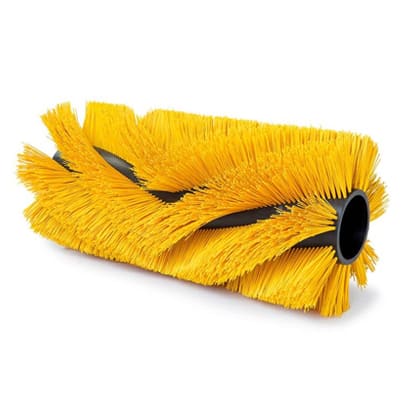
Sweeper brushes are very important in many industries. Construction sites use them to clear heavy rubbish like concrete dust and metal bits. Airports need them to clean rubber marks, snow, and fuel spills from runways. Shops and offices use sweeper brushes every day to keep car parks and paths safe and neat. Warehouses, sports stadiums, and factories often need special brushes for tough cleaning jobs.
Here’s a quick look at how different industries use sweeper brushes and what they check for success:
|
Industrial Application |
Key Cleaning Tasks and Challenges |
Performance Metrics and Management Practices |
|---|---|---|
|
Construction & Industrial |
Clearing heavy rubbish, cleaning after demolition, keeping sites safe |
How well it cleans, how long it lasts, how tough it is, when it needs fixing |
|
Airport & Runway Maintenance |
Clearing rubbish, rubber marks, snow, ice, and fuel spills |
Fast cleaning, very strong brushes, good cleaning |
|
Commercial Properties |
Daily cleaning, clearing leaves and rubbish, stopping slips |
Good cleaning, regular checks, looking tidy |
|
Specialised Industries |
Special brushes for warehouses, sports stadiums, farms, and mines |
Making brushes fit the job, working with limits, handling different rubbish |
|
Performance Management |
Regular checks, cleaning, fixing, writing notes, listening to workers |
Watching how brushes work, how long they last, teaching staff, sharing tips |
Workers in each industry check brushes often and write down any changes. They watch how well brushes work and teach others to spot problems early.
Trends
Industries now want smarter ways to clean. Top companies use technology in their sweeper brushes. IoT sensors and AI help workers see how healthy the brush is and know when to fix it. These smart tools let teams fix problems before they get worse.
Modern sweepers use GPS and data to plan cleaning routes and control many machines. AI cameras change brush pressure and water for each surface. Remote controls help workers fix problems quickly. Sensors and robot arms help sweepers clean busy city streets more carefully.
Smart sweeper brushes help cleaning be safer, quicker, and use less energy.
Eco-Friendly
Caring for the planet is more important now. Makers use recycled plastics, fibres that break down, and light materials to make sweeper brushes. These new brushes last longer and are better for nature. Many cities and companies pick eco-friendly brushes to follow rules and help green projects.
Eco-friendly sweeper brushes give real benefits. Cities have less dust and fewer complaints from people. Cleaner air and water help everyone. Hybrid and electric sweepers make less CO2 and use less fuel. Water-saving systems mean less fresh water is needed.
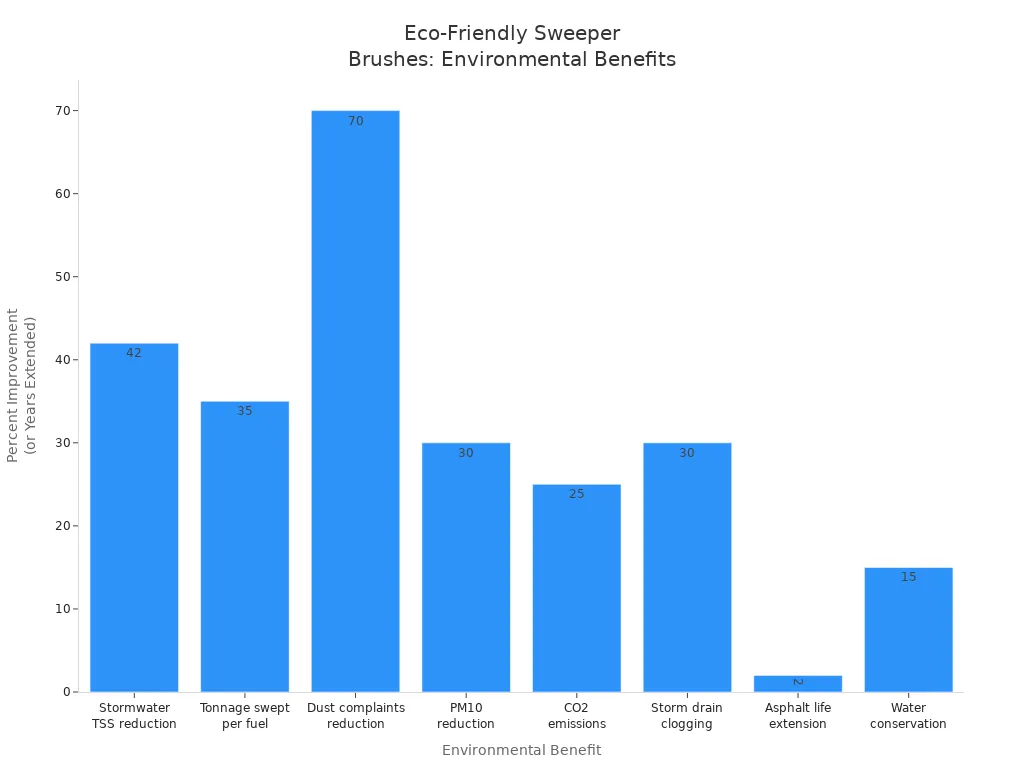
Workers see drains block less and roads last longer. These changes save money and help protect the planet for the future.
Picking the right sweeper brushes means you need to know the job, the machine, and the brush type. Checking brushes often helps you find worn bristles or loose parts early. Putting brushes on the right way and changing them when needed keeps cleaning good and stops expensive repairs. Lots of experts say it is smart to follow a maintenance plan and ask specialists for hard jobs. New technology and eco-friendly choices come out all the time, so learning about them helps everyone get better results.
FAQ
How often should operators replace road sweeper brushes?
Most brushes last between three and six months. Heavy use or rough surfaces can wear them out faster. Operators should check bristle length and cleaning quality every week. When bristles look short or uneven, it is time for a new brush.
Can operators clean sweeper brushes with high-pressure water?
Operators can use water and mild soap for most brushes. High-pressure water may damage soft bristles or bend wires. It is safer to use a hose with gentle pressure. Always let brushes dry in fresh air.
Do all sweeper brushes fit every machine?
No, not every brush fits every sweeper. Operators must check the model and size before buying. Suppliers can help match the right brush to the machine. Using the wrong brush can damage both the sweeper and the brush.
Are eco-friendly sweeper brushes as strong as regular ones?
Many eco-friendly brushes use recycled plastics or plant fibres. These materials can last as long as standard brushes. Some even work better on certain surfaces. Operators should ask suppliers for advice on the best eco-friendly options.
What signs show a sweeper brush needs replacing?
Operators should look for short, frayed, or missing bristles. If the sweeper leaves streaks or misses rubbish, the brush may be worn out. Odd noises or shaking during use also mean it is time for a replacement.
Tip: Regular checks help spot problems early and keep cleaning results high.