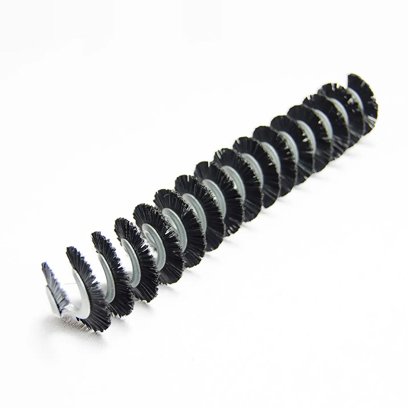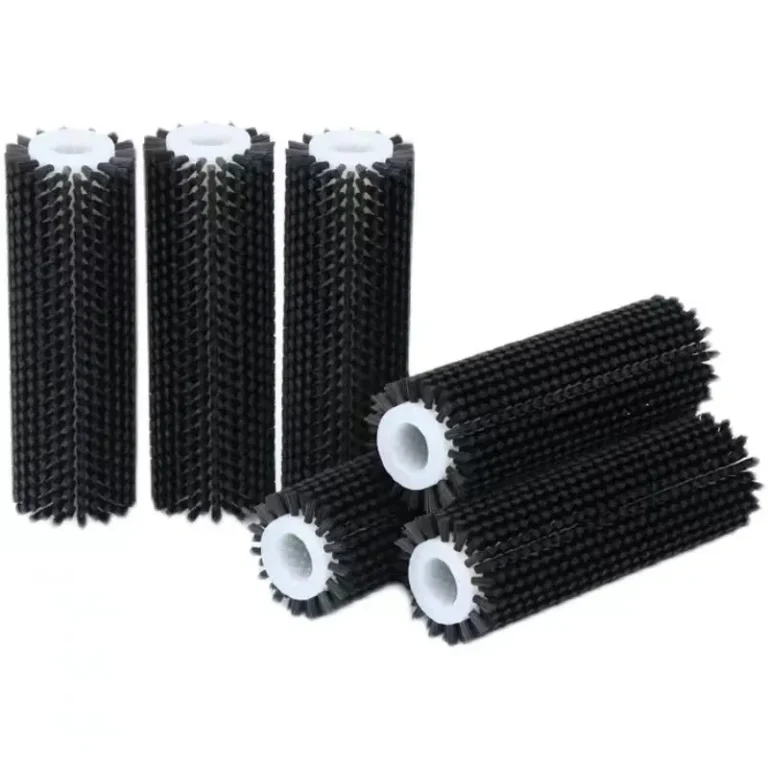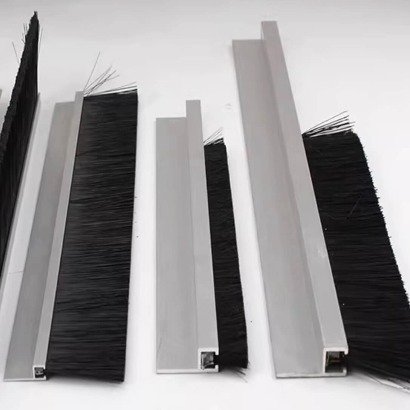
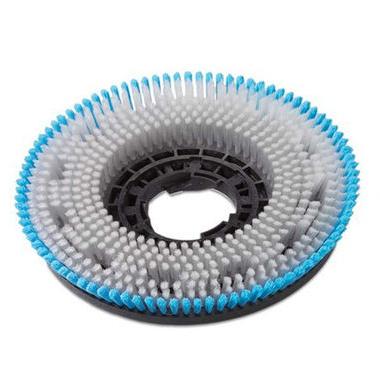
A scrubbing floor brush works best when someone picks the right brush, prepares the floor, and uses good technique. Industry experts say that strong bristle placement and ergonomic handles, like those found in a nylon floor scrubber brush, help brushes last longer and give better results. These tips let anyone clean a floor well and keep their brush working for more results over time. Cleaner floors mean better results for everyone.
Key Takeaways
-
Pick the right scrubbing brush and cleaning solution for your floor. This helps protect the floor and makes it very clean.
-
Get the floor ready by moving things out of the way and sweeping first. This stops scratches and makes sure you do not miss any spots when scrubbing.
-
Wash and rinse your brush often. Use the right way to scrub. Take care of your tools often. This keeps floors very clean and helps your brush last longer.
Brush Selection
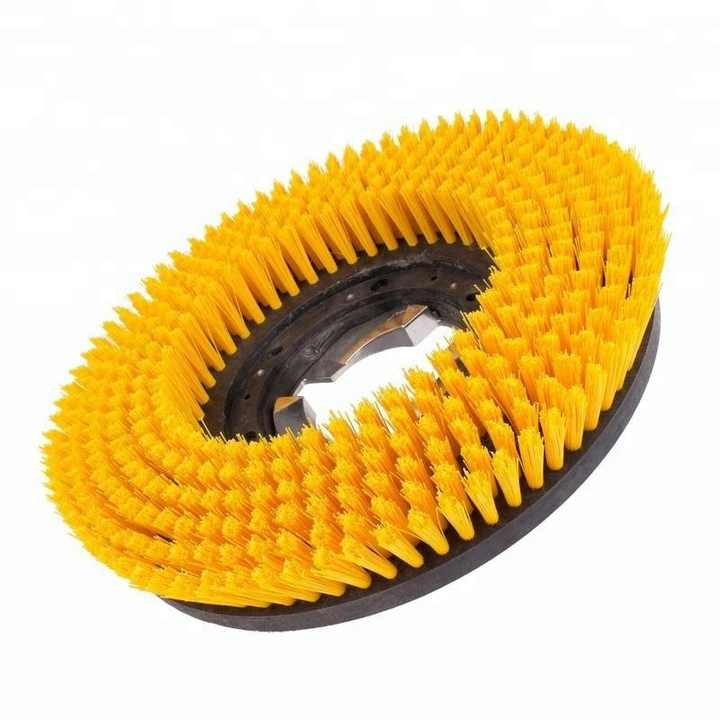
Picking the right scrubber is very important for cleaning. Each floor needs a certain brush and scrubber to clean well. Let’s look at the choices.
Brush Types
There are many kinds of scrubber brushes for homes and businesses.
-
Nylon brushes can be used on wood, tile, concrete, and marble. They are gentle and help stop scratches on floors.
-
Polypropylene brushes are strong and work on rough floors like grouted tile, vinyl, terrazzo, and epoxy.
-
Gritted brushes feel like sandpaper. Light grit helps with stains and buildup. Heavy grit is for hard jobs on concrete or ceramic.
-
Wire brushes are for the hardest dirt but only for floors that can take rough scrubbing.
Bristle Options
The bristle material changes how a scrubber cleans.
-
Soft bristles, like nylon or horsehair, are good for delicate floors like hardwood or laminate.
-
Polypropylene bristles are hard and are best for tough scrubbing on concrete or tile.
-
Some scrubbers have both soft and hard bristles for cleaning many surfaces.
-
Special brushes can clean grout lines or small spaces, so every part of the floor gets clean.
Manual vs. Power
Manual scrubbers let people control them and are good for small spots or light cleaning. Power scrubbers, like automatic floor scrubber models, save time on big floors.
-
An automatic floor scrubber cleans more space and removes tough dirt with less work.
-
Power scrubbers come in many sizes, from small walk-behind types to big ride-on machines.
-
Noise, how easy it is to move, and care are important when choosing a scrubber for a floor.
-
For small spaces, a smaller scrubber is best. For big open floors, an automatic floor scrubber is the best pick.
Tip: Always use the right scrubber and brush for your floor. This gives the best clean and helps your floor last longer.
Preparation Steps
Clear and Sweep
Before you clean the floor, clear and sweep the area. Experts say these steps help you get better results:
-
Take away all mats and rugs. This keeps the scrubber safe and lets you clean mats by themselves.
-
Sweep or vacuum the floor to pick up loose dirt, dust, and grit. This stops scratches and keeps the floor from getting muddy.
-
Scrape off sticky things like gum or dried spills. This stops streaks and keeps the brush from getting blocked.
Sweeping first helps the air stay clean and keeps the floor safe. It also makes scrubbing easier and saves time later.
Remove Obstacles
Next, move things out of the way. This means moving furniture, carts, and trash bins. When you do this, you can clean under and around these things. You are less likely to miss spots. Taking away big trash makes the area safer and protects other things. After you clear the area, sweep again to get small bits. Put up wet floor signs to warn people and help stop slips.
Tip: Always look for hidden things before you scrub. A clear floor helps you clean better.
Choose Cleaner
Picking the right cleaning solution is important for your floor. The kind you use depends on the floor and how dirty it is. Here is a quick guide:
|
Floor Type |
Recommended Brush/Pad Type |
Cleaning Solution Notes |
|---|---|---|
|
Vinyl and Lino |
Medium blue brush, green pad |
Use pads for daily cleaning; brushes for deep clean |
|
Concrete (rough) |
Medium blue or hard red brush |
Heavy-duty degreaser for grease and scuffs |
|
Ceramic/Porcelain |
Medium blue brush, pads for textured tiles |
Switch between pads and brushes for grout |
|
Natural Stone |
Medium brush, green pad |
Neutral pH cleaning solution to protect gloss |
|
Timber |
Soft brush or white pad |
Gentle cleaning solution to protect finish |
|
Rubber |
Natural fiber brush |
Neutral pH cleaning solution for safety |
A neutral pH cleaning solution works for most floors. Heavy-duty degreasers are good for greasy or work floors. Disinfectants are best for hospitals or kitchens. Eco-friendly cleaners use plant-based stuff and packaging you can recycle. Always follow the maker’s rules for mixing and safety.
Scrubbing Floor Brush Tips
Focus on Stains
Stubborn stains can make any floor look dirty, even after a good scrub. He or she should use a cleaning solution made for the floor type. This helps avoid damage and gives better results. Here are some tips for tackling tough spots:
-
Pick a cleaning solution that matches the floor. This keeps the surface safe.
-
Treat heavy dirt buildup with a special cleaner. Let it sit for a few minutes.
-
Use a small scrubber or brush to work on the stain. Scrub in circles to lift the dirt.
-
Rinse the area after scrubbing. This stops residue from sticking.
-
Plan deep cleaning sessions every month. These sessions help remove stains and keep the floor fresh.
Tip: Always test the cleaning solution on a hidden spot first. This helps prevent damage and gives the best results.
Rinse Brush Often
A clean scrubber works better than a dirty one. When someone scrubs the floor, dirt and grime can build up on the brush. Rinsing the scrubbing floor brush often helps keep the cleaning strong and stops dirt from spreading.
-
Dip the scrubber in clean water after every few strokes.
-
Shake off extra water before scrubbing again.
-
If the brush looks clogged, rinse it longer or use a hose.
-
Change the rinse water when it gets cloudy. This keeps the solution fresh.
-
Clean the brush after finishing the job. This helps the scrubber last longer and gives better results next time.
Note: Using too much water can hurt some floors. He or she should use just enough to rinse the brush and keep the floor safe.
Section by Section
Cleaning a floor section by section helps get even results and stops missed spots. He or she should break the room into smaller areas and clean each one before moving on. Here is a step-by-step guide:
-
Sweep or vacuum the floor to remove loose dirt.
-
Pick a cleaning solution that fits the floor type. Pour it on a small section.
-
Wait a few minutes for the solution to break down dirt.
-
Scrub the section with a scrubbing floor brush. Use circular motions and move from one end to the other.
-
Pay extra attention to stains and high-traffic spots. Use more pressure if needed.
-
Rinse the scrubber often to keep it clean.
-
Mop up loose dirt and solution with a clean cloth.
-
Rinse the floor with clean water.
-
Dry the area with towels or let air flow to stop streaks.
Tip: Never rush the process. Slow and steady scrubbing gives better results and protects the floor.
Mistakes can happen when using a scrubber. Using a heavy-duty brush on carpet can ruin the fibers. Too much pressure can scratch delicate floors. Too much water can cause damage or mold. He or she should always test the scrubber and solution on a small spot first. Moving at a moderate pace and using the right cleaning solution helps avoid problems and gives the best results.
Floor Scrubber Training
Learning the right way to use a scrubber makes cleaning easier and safer. Good floor scrubber training helps everyone avoid mistakes and injuries. This section covers the best techniques for handling a scrubber, controlling pressure, and moving safely. It also shares tips for solving common problems and keeping the floor spotless.
Proper Grip
A strong grip helps control the scrubber and keeps hands safe. He or she should always hold the handle with both hands. This gives better balance and helps guide the machine smoothly across the floor. For manual scrubbers, hands should stay dry to prevent slipping. When using an automatic floor scrubber, adjust the handle to a comfortable height. This reduces strain on the back and shoulders.
-
Stand with feet shoulder-width apart for balance.
-
Keep elbows slightly bent.
-
Hold the handle firmly, but do not squeeze too hard.
-
For power scrubbers, use the control panel or trigger handle as shown in the training manual.
Tip: Wearing gloves with grip can help prevent blisters and slipping, especially during long cleaning sessions.
Pressure Control
Using the right amount of pressure is key for good results. Too much pressure can damage the floor or wear out the brush. Too little pressure leaves dirt behind. During floor scrubber training, staff learn to adjust pressure based on the floor type and the scrubber being used.
-
Start with light pressure and increase only if needed.
-
For delicate floors, use soft brushes and gentle pressure.
-
On tough stains, apply a bit more force, but never press down hard.
-
Automatic floor scrubbers often have settings for brush pressure. Set these according to the floor and cleaning needs.
If the scrubber leaves streaks or misses spots, check the brush or pad. Sometimes, the wrong brush or too much pressure causes problems. Adjust the settings and try again.
Safe Motions
Moving the scrubber safely protects both the user and the floor. Training teaches the right motions for each type of scrubber. For manual scrubbers, use slow, steady strokes. Move in straight lines or gentle circles. For an automatic floor scrubber, walk at a steady pace and let the machine do the work.
-
Clean one section at a time.
-
Overlap each pass to avoid missing spots.
-
Do not rush. Fast movements can cause slips or leave the floor dirty.
-
Always watch for wet spots and use wet floor signs to warn others.
Note: Slips, trips, and falls often happen when people rush or ignore safety steps. Clear the area, use proper signage, and keep walkways free of clutter.
Troubleshooting Common Scrubber Issues
Sometimes, even with good scrubbing techniques, problems can happen. Here is a quick troubleshooting guide:
-
Scrubber not dispensing water: Check if the solution tank is full. Inspect hoses and filters for blockages. Clean the filter if needed.
-
Scrubber not picking up water: Empty the recovery tank. Unclog the vacuum hose. Make sure the debris tray is clean.
-
Scrubber leaves dirty spots: Use the correct brush or pad. Adjust pressure and check chemical use.
-
Brushes or pads not rotating: Look for loose belts or jams. Check the control panel and safety switches.
-
Scrubber leaves streaks: Inspect the squeegee blade. Flip or realign it if worn.
-
Weak battery or machine won’t power on: Charge the battery. Check connections and cords.
-
Unusual noise or vibrations: Inspect for loose bolts or damaged wheels.
Call a technician if problems continue after these steps.
Training Tips for Teams
Good floor scrubber training includes more than just using the machine. It also covers teamwork, safety, and communication.
-
Break down cleaning tasks into small steps.
-
Demonstrate each step and encourage questions.
-
Use hands-on practice with supervision.
-
Pair new staff with experienced cleaners for mentoring.
-
Use checklists and visual aids to help everyone remember the process.
-
Hold regular safety meetings and inspections.
A strong training program keeps everyone safe and helps the team deliver great results every time.
Maintenance Guide
Clean After Use
He should always do some simple care after cleaning. Take off the scrubber’s brushes or pads and rinse them with hot water. This stops dirt and chemicals from building up. Hang the brushes to dry so mildew does not grow. This keeps them in good shape. Use a garden nozzle to clean pads and wash away finish and stripper. She should not soak pads in cleaning solutions. This makes them wear out faster. Taking care of the scrubber after each use helps it last longer. It also keeps the floor looking nice.
Tip: Clean brushes while they are still wet for best results. Hang or lay them flat to dry.
|
Maintenance Routine |
Description |
|---|---|
|
Clean After Each Use |
Take off brushes or pads and rinse well; dry fully to stop mildew. |
|
Rotate Brushes and Pads |
Switch them often so they wear out evenly and last longer. |
|
Inspect for Wear |
Change brushes if bristles are less than half an inch or look frayed to keep cleaning well. |
|
Store Properly |
Keep brushes and pads off the ground in a dry, clean place so they do not bend or get dirty. |
Deep Clean Weekly
He should deep clean the scrubber’s brushes and pads every week. The maker says to deep clean at the end of each shift, so daily is even better. Spray the scrubber’s brushes with hot water and remove all wax, finish, and dirt. Hang them up to dry so they stay fresh and ready to use. These steps help stop problems and keep the floor very clean.
Replace When Worn
She should check the scrubber’s brushes often. If the bristles look frayed or are shorter than half an inch, replace them. If the brush misses spots or leaves dirt, it does not clean well. Rotating brushes and pads helps, but sometimes you must get new ones. Doing these things saves money by stopping repairs and delays. Good care and regular checks make cleaning faster and easier and cost less over time.
Dos and Don’ts
Key Dos
Following the right dos helps everyone get the best results and keeps the floor looking great. Here are some best practices for using a scrubber:
-
Complete formal training before using a scrubber for the first time. This helps with safe and correct operation.
-
Learn how to start the machine, use the right scrubbing techniques, and pick the best pad for each floor.
-
Always follow safety practices, like controlling the speed and making sure pads are secure.
-
Practice using the scrubber in a hidden spot before cleaning open areas.
-
Clean the machine after every use, empty the tanks, and store it properly.
-
Know who to call if the scrubber needs repairs or more care.
Tip: Practicing these dos makes cleaning easier and helps the scrubber last longer.
Common Don’ts
Some mistakes can damage the floor or the scrubber. Avoid these common don’ts to keep cleaning safe and effective:
-
Do not use too much water, as it can warp or weaken the floor.
-
Never skip sweeping or vacuuming before scrubbing. Dirt left behind can scratch the surface.
-
Avoid harsh chemicals like bleach or ammonia. These can ruin the floor’s finish.
-
Do not use dirty brushes or pads. They spread grime and bacteria.
-
Never use hard bristle brushes or steel wool, which can scratch or damage the floor.
-
Do not leave the floor wet after cleaning. This can cause streaks, stains, or even mold.
Safety Reminders
Safety always comes first when using a scrubber. Keep these reminders in mind:
-
Use the right equipment for the floor type to prevent damage.
-
Wear proper safety gear, like gloves and non-slip shoes.
-
Manage moisture to avoid slips and long drying times.
-
Let the floor dry fully before walking on it.
-
Clean and check the scrubber often to keep it safe and ready.
-
Test cleaning solutions on a small spot before using them everywhere.
Note: Following these best practices and safety reminders helps everyone avoid accidents and keeps the floor in top shape.
Picking the right scrubbing floor brush, getting the area ready, and using the right moves help keep floors clean. Taking care of brushes often is important.
-
Many people say brushes work well, especially on tile and grout.
-
Experts say cleaning bristles after each use helps brushes last longer.
-
Tests on different floors show that picking the right brush and caring for it makes floors cleaner and tools last longer.
-
If you skip taking care of brushes, floors can look dirty and brushes wear out faster.
-
People see that floors stay cleaner and cleaning is faster when they use these tips.
Everyone should use these steps every time they clean floors to get the best results.
FAQ
How often should someone clean a scrubbing brush?
He should rinse the brush after every use. Weekly deep cleaning keeps the brush fresh and ready for the next floor cleaning job.
Can a scrubbing brush damage the floor?
Yes, using the wrong brush or too much pressure can scratch or dull the floor. Always match the brush to the floor type for safe cleaning.
What should someone do if the floor stays dirty after scrubbing?
They should check the brush for dirt buildup. Try a different cleaning solution. Scrub the floor in smaller sections for better results.