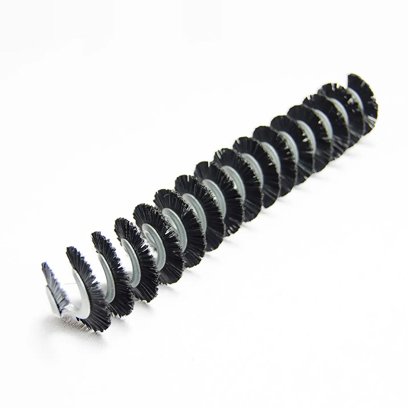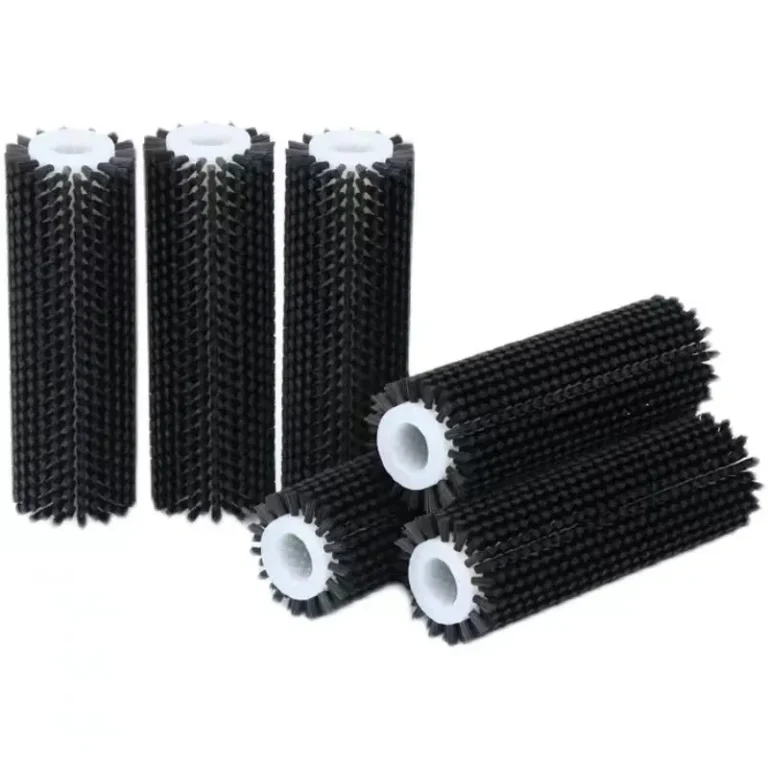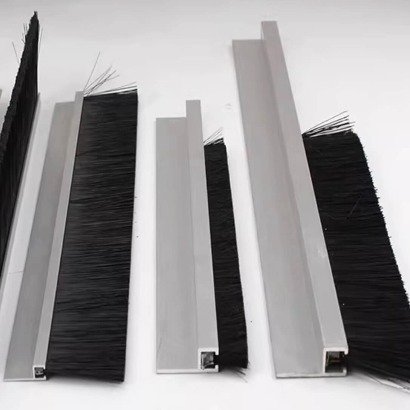
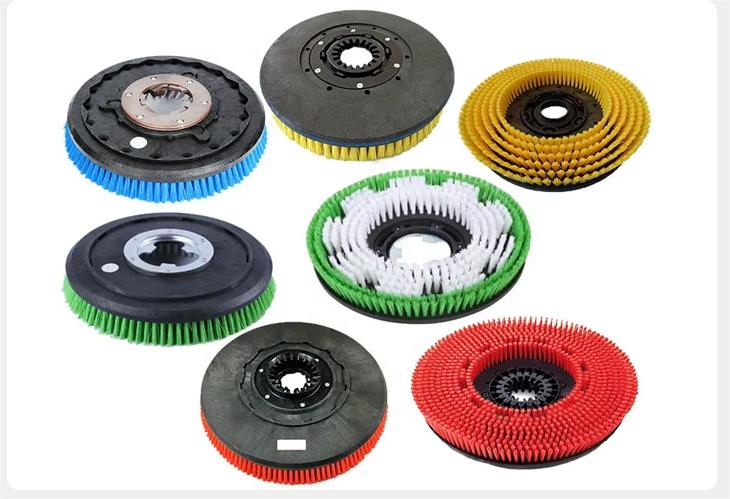
Choosing the correct floor scrub brush is a critical decision for maintaining commercial and industrial facilities. The process becomes straightforward when you match the brush type and bristle material to your specific flooring and operational demands. While soft bristles are essential for preserving delicate surfaces, aggressive filaments are required for high-traffic industrial environments. To achieve optimal performance and longevity, a buyer must consider the floor’s composition, soil level, and the desired level of finish.
Key Takeaways
-
-
Precision Matching: Always match your floor scrub brush to the floor type to avoid surface scratches and maximize efficiency.
-
Bristle Selection: Use soft nylon for sensitive surfaces and rugged polypropylene or wire for industrial-grade scrubbing.
-
Size & Ergonomics: Choose a brush size that allows you to cover large areas quickly while still reaching tight corners.
-
Post-Clean Care: Rinse and air-dry your brush after every use to prevent mildew and extend the life of the bristles.
-
Spot Testing: Always test a new brush on an inconspicuous area before proceeding with full-scale cleaning.
-
Floor Types
Tile, Wood, Vinyl, and More
Floors are made from many materials. Each one needs a different way to clean it. Some houses have shiny wood floors. Others have strong tiles or soft carpets. Shops and offices might have vinyl, marble, or concrete floors. Every floor type needs its own cleaning method. The right floor scrub brush keeps floors clean and stops damage.
Here’s a simple table that shows which brush works best for each floor:
|
Floor Type |
Best Scrub Brush Type(s) |
|---|---|
|
Carpet |
Carpet Shampoo Brushes, BONNET-LOK™ Carpet Bonnet Systems |
|
Marble |
MAL-GRIT brushes, White Tampico |
|
Linoleum |
General Purpose Scrubbing Brushes, MAL-GRIT brushes |
|
Vinyl Tile |
General Purpose Scrubbing Brushes, MAL-GRIT brushes |
|
Terrazzo |
MAL-GRIT brushes, Uni-Block™ brushes |
|
Quarry Tile |
General Purpose Scrubbing Brushes, MAL-GRIT brushes |
|
Concrete (Heavily Soiled) |
Steel Wire brushes, Butcher Wire brushes, SP-17 brushes |
|
Concrete (Moderate/Lightly Soiled) |
General Purpose Scrubbing Brushes, Bassine brushes |
|
Ceramic Tile |
General Purpose Scrubbing Brushes, MAL-GRIT brushes |
|
Non-slip Epoxy Finishes |
MAL-GRIT brushes, General Purpose Scrubbing Brushes |
|
Rubber Tile |
Carpet Shampoo Brushes, MAL-GRIT brushes |
Tip: If you are not sure, read the brush label or ask someone who sells cleaning tools.
Why Floor Type Matters
You need to know your floor before picking a brush. Every floor reacts in its own way to cleaning. Vinyl floors need soft nylon brushes. These stop scratches. Tile floors can use stronger brushes. These help clean between the tiles. Wood floors need soft nylon brushes to keep them shiny.
A common and costly error in facility maintenance is misapplication of brushes—for example, using a concrete-grade wire brush on a high-gloss epoxy or VCT floor. This can lead to irreversible surface damage, void floor warranties, and increase long-term refinishing costs. Industry professionals mitigate this risk by first assessing the floor’s material, texture, and current finish, then selecting the appropriate bristle and grit level before conducting a spot test in an inconspicuous area.
Note: There is no brush that works for every floor. Testing first helps stop damage and keeps floors looking nice.
Floor Scrub Brush Selection
Picking the right floor scrub brush makes cleaning simple. It also helps protect your floor from harm. Many people feel lost because there are so many types. A buying guide for brushes can make things clearer. Let’s see what is most important.
Bristle Types
The bristle material and how stiff it is decide how well a brush works. Each floor scrub brush uses different bristles for different jobs. Some have synthetic bristles. Others use natural fibres. Here is a table that shows the main choices and how they clean:
|
Bristle Material |
Properties |
Cleaning Performance Impact |
|---|---|---|
|
Softest bristles, great bend recovery, resistant to wear, versatile for many floor types including delicate surfaces |
Gentle cleaning without scratching; ideal for high-gloss and sensitive floors; longer useful life but more expensive |
|
|
Polypropylene (Poly) |
More aggressive and durable than nylon, economical, good for uneven surfaces and general cleaning |
Effective on rough or textured floors; more aggressive cleaning; less expensive than nylon |
|
Gritted (Polypropylene with silicon carbide) |
Bristles impregnated with grit, sandpaper-like texture; varies by grit size (light to heavy) |
Heavy-duty scrubbing and stripping; removes ground-in dirt and buildup; risk of removing gloss on delicate floors |
|
Wire |
High carbon steel bristles, most aggressive |
Best for rough concrete and heavy-duty stripping; very abrasive |
|
Softest and least aggressive, used mainly for polishing hard surfaces |
Gentle polishing; minimal abrasion; not suitable for heavy soil or wet conditions |
People should match the bristle to their floor. Soft nylon bristles are good for wood or vinyl. Polypropylene is best for scrubbing tile or stone. Gritted bristles are for tough dirt on concrete. Wire bristles are only for the hardest jobs. Natural fibre bristles help with dust and polishing.
How stiff the bristles are also matters. Softer brushes clean gentle floors without harm. Polypropylene is a common stiff bristle and is good for scrubbing. Gritted or wire bristles clean tough dirt but can scratch soft floors. Picking the right brush keeps floors safe and clean.
Tip: Always read the label before using a new brush. If you are not sure, test it on a hidden spot.
Abrasiveness and Grit Levels
How rough a brush is depends on its grit level. Most floors do well with 120-180 grit. This is good for fine finishing and soft surfaces. For gentle floors, a 500 grit brush is best. Hard jobs need lower grit, but these can harm shiny or soft floors. People should start with the softest brush and only use rougher ones if needed.
|
Grit Level |
Recommended Use |
Typical Applications |
|---|---|---|
|
80-100 grit |
General-purpose cleaning and preparation |
General floor cleaning |
|
120-180 grit |
Fine finishing, work on softer metals |
Fine finishing tasks, delicate surface prep |
|
500 grit |
Very fine media, delicate surfaces |
Very fine finishing, delicate surface treatment |
Brush Size & Shape
The size and shape of a brush change how fast and well it cleans. Big brush heads clean large rooms quickly. Small brushes fit into corners and tight spaces. Some brushes are round for machines. Others are rectangular for hand use.
-
Big brushes clean open spaces fast.
-
Small brushes reach corners and around things.
-
Picking the right size and shape saves time and effort.
People should choose a brush that fits the job. For big floors, use a wide brush. For small details, use a small hand brush.
Tip: Always check your brush for damage. A worn brush does not clean well. Look at your brush often and replace it when needed.
A good buying guide for brushes reminds people to check their brush after each use. Clean it, look for damage, and get a new one if needed. This keeps every brush working well.
Types of Floor Scrubber Brushes
Manual vs. Machine
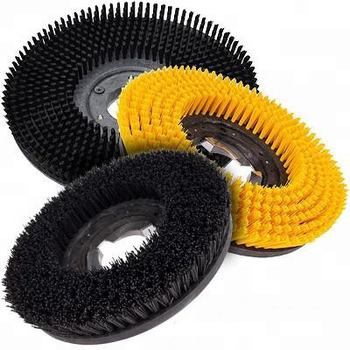
People often wonder which is better: a manual floor scrubber brush or a machine-compatible one. Manual brushes work well for small spaces, corners, and spot cleaning. They give more control, so users can focus on tough stains or tricky areas. Many choose manual brushes for home use or when cleaning stairs and edges.
A floor scrubber machine uses special brushes or pads to clean large areas quickly. These machines suit big rooms, shops, or schools. They save time and reduce effort. Machine-compatible brushes come in different shapes and sizes. Some are round for rotary machines, while others fit straight onto a floor scrubber buffer.
When comparing scrubbing brushes vs pads, each has its own strengths. Brushes handle rough or uneven floors, like tile or concrete. They dig into grout lines and remove stubborn dirt. Pads, made from strong fibres, work best on smooth floors. They give a shiny finish and spread water evenly. Premium pads last longer and keep their cleaning power, but they cost more. Brushes need more care but offer deeper cleaning on tough surfaces.
Tip: For delicate floors like vinyl or hardwood, pads are safer. For deep cleaning on rough floors, brushes do a better job.
Floor Scrubber Buffer Compatibility
Not every brush or pad fits every floor scrubber buffer. People should check the size and attachment type before buying. Most floor scrubber machines use standard fittings, but some brands need special parts. Using the right brush or pad keeps the machine running well and protects the floor.
There are many different types of floor scrubbers. Some use only brushes, while others can switch between brushes and pads. For floor polishing, soft pads work best. For heavy-duty cleaning, stiff brushes or gritted pads are better. When choosing between scrubbing brushes vs pads, think about the floor type and the cleaning task.
A quick table helps show the main differences:
|
Tool Type |
Best For |
Drawbacks |
|---|---|---|
|
Brushes |
Rough, uneven surfaces |
Needs more maintenance |
|
Pads |
Smooth, delicate floors |
Higher cost for premium |
People who use the right floor scrubber brush or pad with their floor scrubber buffer get the best results. They keep floors clean, shiny, and safe.
Floor Cleaning Tips
Cleaning Solutions
Choosing the right cleaning solution makes a big difference. The correct cleaning solution helps a scrub brush last longer and keeps floors safe. Some people use too much soap or the wrong product. This can wear out the scrub brush and even damage the floor. They should always match the cleaning solution to the floor type. For example, wood floors need a gentle cleaning solution, while tiles can handle stronger products.
-
The right cleaning solution prevents extra wear on the scrub brush.
-
Using the wrong cleaning solution can make bristles wear out quickly.
-
Rinsing the scrub brush after each use removes leftover cleaning solution and dirt.
-
Drying the brush upright helps it last longer.
-
Storing brushes and pads properly stops dirt from spreading to other areas.
Tip: Always read the label on the cleaning solution and test it in a small area first.
Maintenance & Replacement
Looking after a scrub brush keeps it working well. People should clean the brush after every use and let it dry fully. This stops mildew and keeps the bristles strong. They can rotate brushes to make sure they wear evenly. Checking the brush often helps spot problems early.
-
Clean the scrub brush after each use and let it dry completely.
-
Rotate brushes to get even wear.
-
Inspect the brush often. Replace it if bristles are frayed, bent, or too short.
-
Store the brush off the ground in a dry, clean place.
Signs that a scrub brush needs replacing include bristles that look worn, bent, or packed with debris. If the brush does not clean as well as before, it is time for a new one.
Quick Reference Table
Here is a handy table to help match the right scrub brush or pad to each floor type and cleaning task:
|
Floor Type |
Recommended Brush/Pad Type |
Notes/Colour Coding |
|---|---|---|
|
Flat Safety Floors |
Nylon floor pad |
Blue for standard cleaning, Green for heavy scrubbing |
|
Tiles |
Softer brushes |
Brushes work best for uneven surfaces |
|
Very Uneven Floors |
Softer brushes |
Handles floor undulations |
|
VCT, VAT, Sheet Vinyl, Terrazzo, Granite, Concrete |
Stripping pads (Black, Brown) |
For heavy-duty stripping with low-speed machines |
|
Wood |
Conditioning pads (Maroon, Green) |
Used between finishing coats |
|
Carpets (Looped) |
Carpet cleaning pads (Green, Blue, White) |
Low abrasiveness, used with shampoo |
Start with the least aggressive scrub brush or pad. Move to a stronger one only if needed.
Before cleaning the whole floor, everyone should test a new floor scrub brush on a small, hidden spot. This helps avoid damage. To choose the right one, people can follow these steps:
-
Pick a brush that matches the floor type and cleaning task.
-
Use soft bristles for delicate floors and stronger ones for tough surfaces.
-
Clean and inspect the brush after each use.
-
Store brushes in a dry place to keep them in good shape.
Regular care keeps brushes working well and helps floors stay clean and safe.
FAQ
How often should someone replace a floor scrub brush?
Most people replace their floor scrub brush when the bristles look worn, bent, or dirty. If the brush does not clean well, it is time for a new one. Regular checks help keep cleaning easy.
Can one brush work for every type of floor?
No, one brush does not suit every floor. Hard floors need tough bristles, while soft floors need gentle ones. Using the wrong brush can scratch or damage the floor. Always match the brush to the floor type.
What is the best way to clean a floor scrub brush?
After each use, rinse the brush with clean water. Shake off extra water and let it dry upright. This stops mould and keeps the bristles strong. Some people use mild soap for a deeper clean.
Do floor scrub brushes work with all cleaning solutions?
Not every cleaning solution suits every brush. Some strong chemicals can damage bristles. Always check the label on both the brush and the cleaning solution. Test in a small spot first to avoid problems.
Is it better to use a brush or a pad for cleaning floors?
Brushes work best on rough or uneven floors. Pads suit smooth or delicate floors. If someone wants a shiny finish, pads help. For deep cleaning, brushes do a better job. The choice depends on the floor and the cleaning task.