A conveyor cleaning brush takes away dirt from moving belts. Clean belts help production lines work well. They also stop expensive delays. Workers are safer when belts work as they should. The table below shows how being clean helps safety and work in factories. Many industries, like those using Industrial Brush in Beverage Industry, need these tools every day.
Key Takeaways
-
A conveyor cleaning brush helps keep belts clean. This makes factories safer and work better. Using these brushes often means machines stop less. It also lowers repair costs and helps people work faster. Picking the right brush and material is very important. It helps clean well and keeps the conveyor system safe.
What is a Conveyor Cleaning Brush
Purpose
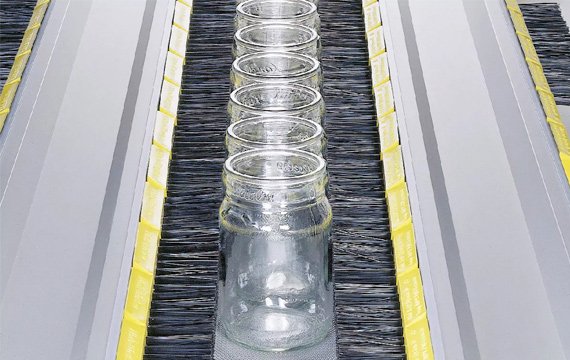
A conveyor cleaning brush is a special tool used in many factories and warehouses. It helps keep conveyor belts clean from dirt, dust, and other things that should not be there. When items move on a conveyor, small bits like crumbs or fibres can stick to the belt. If this builds up, it can slow down the conveyor or even break the belt. The main job of the conveyor cleaning brush is to sweep away these bits. This keeps the belt clean and helps it work well.
Industrial equipment manuals say a conveyor cleaning brush is made to take away dirt, debris, and other things from the top of a conveyor belt. This cleaning stops damage and keeps the belt in good shape. In places like food or electronics factories, these brushes also get rid of dust, lint, and loose fibres. This makes the products better and lowers the chance of mixing things that should not mix. By keeping things clean, the brush protects the final product and helps the production line run smoothly.
Importance
Keeping conveyor belts clean is not just about looks. It is very important for how well a factory works and for worker safety. A conveyor cleaning brush helps in many ways:
|
Function Description |
Importance |
|---|---|
|
Keeping conveyor systems clean |
Needed for good work and following hygiene rules. |
|
Removing carryback and stopping material from spilling |
Makes work faster and cuts down on fixing costs. |
|
Helping keep the whole production area clean |
Needed for high hygiene and following industry rules. |
|
Making conveyor belts last longer by stopping damage |
Saves money on repairs and new belts. |
Factories that make food or drinks need conveyor cleaning brushes to follow strict hygiene rules. These brushes clear away dirt and other bad things, so bacteria do not grow on the belts. This helps the products pass food safety checks. Workers also use normal cleaning tools, like brushes and scrapers, to clean hard-to-reach places. Cleaning and disinfecting often stops contamination and cross-contamination, especially where food is handled.
Tip: Sweeping belts and rollers with a conveyor cleaning brush often keeps everything cleaner and safer. This easy job can help the equipment last longer and work better.
A clean conveyor system means fewer breakdowns, less wasted product, and a safer place to work. It also helps companies follow rules and keep customers happy.
How Conveyor Cleaning Brushes Work
Design and Materials
A conveyor cleaning brush uses a clever design to keep conveyor belts free from dirt and debris. The brush can be either stationary or rotating. Both types touch the moving belt and sweep away unwanted material. The choice of materials for the bristles is important. Each material brings its own strengths to the job.
Here is a table showing some common materials and their advantages:
Nylon roller brushes stand out for their flexibility and long life. They clean without damaging the belt. Stainless steel works well in food factories because it handles high heat and stays clean. Tampico bristles hold water, so they work for both wet and dry cleaning. Factories often pick the bristle type based on what they need to clean and the kind of belt they use.
|
Material |
Advantages |
|---|---|
|
Brass |
Softer than steel, does not scratch harder metals, good for static reduction, up to 300°F. |
|
Bronze |
Harder and stiffer, corrosion resistant, up to 400°F, used in fire-sensitive applications. |
|
Nylon |
Excellent fatigue life, good abrasion resistance, low to moderate water absorption. |
|
Stainless Steel |
Ideal for food-contact applications, works in high heat up to 600°F. |
|
Polypropylene |
Good chemical resistance, ideal for high moisture applications. |
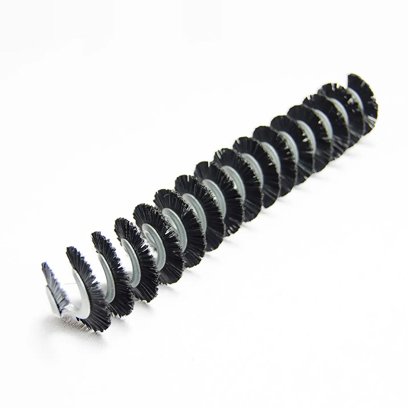
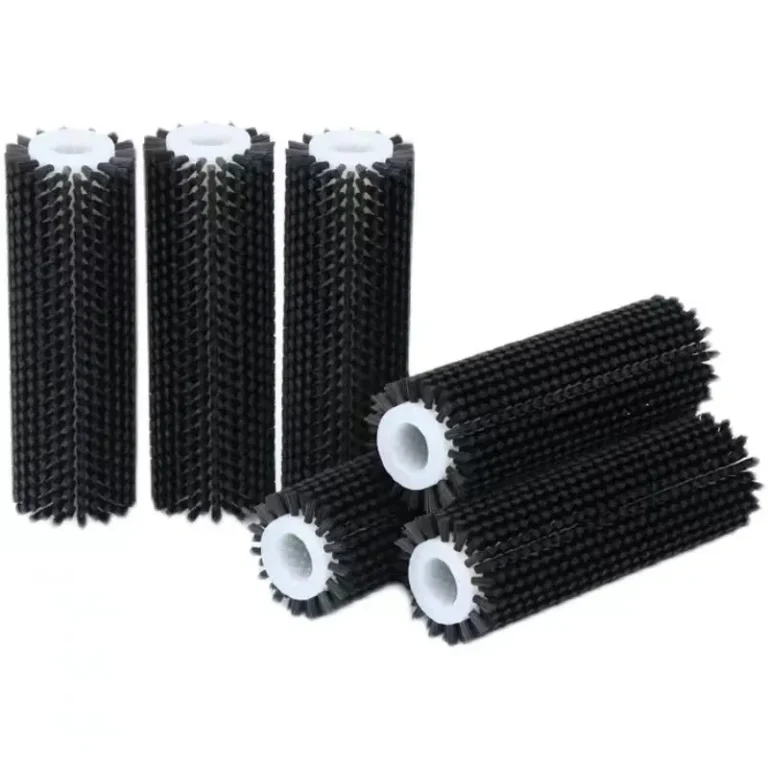
Brushes also come in different shapes and sizes. Tufted brushes have stiff bristles for tough jobs. They work well when the belt has sticky or stubborn dirt. Spiral patterns in some brushes help stop dirt from sticking back onto the belt. The size and density of the bristles can change to fit different conveyor designs.
Operation
The way a conveyor cleaning brush works is simple but smart. The brush sits close to the belt, often at the end where products leave the conveyor. It touches the belt as it moves, sweeping away dust, crumbs, or other bits. Some brushes spin with a motor, while others stay still and let the belt do the work.
Nylon brushes can run in automated systems, so cleaning happens all the time without stopping the line. Spiral brushes help keep dirt from building up again.
Mounting the brush in the right spot makes a big difference. The best place is near the outlet end of the conveyor, close to a support roller. This setup keeps steady pressure on the belt. The brush should cover the whole width of the belt, with a little extra on each side. Diameters usually range from 4 to 12 inches. Fine wire or synthetic bristles clean well with gentle pressure. Sometimes, factories mix materials for even better cleaning.
Different conveyor belts need different cleaning methods. Flat belts are easy to clean with most brushes. Grooved, ribbed, or chevron belts can be tricky. Motorised brush cleaners work best here. They spin in the opposite direction of the belt, reaching into grooves and sweeping out dirt that other tools miss.
-
Tufted brushes handle tough jobs and work in many conditions.
-
Nylon roller brushes last long and protect the belt.
-
Motorised brushes clean grooved and chevron belts better than blade scrapers.
-
Spiral brushes stop dirt from coming back onto the belt.
Tip: Choosing the right brush design and mounting it well helps keep any conveyor belt clean and running smoothly.
A conveyor cleaning brush, when set up and used properly, keeps belts clean, reduces downtime, and helps factories stay safe and efficient.
Conveyor Cleaning Brush Types and Benefits
Bristle Types
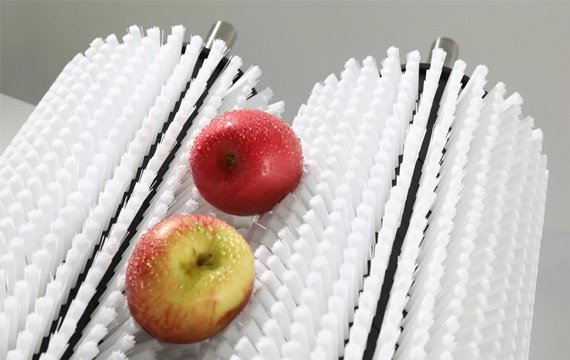
Picking the right bristle is important. Nylon bristles clean gently. They are good for soft things like baked goods or electronics. Polypropylene bristles do not get damaged by acids. They work well in places with chemicals. Stainless steel bristles are strong and scrape off sticky stuff. They can scratch softer surfaces. Each bristle type is used for a different cleaning job.
|
Bristle Material |
Characteristics |
Cleaning Performance |
|---|---|---|
|
Nylon |
Flexible, food-safe |
Gentle cleaning for sensitive items |
|
Polypropylene |
Acid-resistant |
Effective in harsh conditions |
|
Stainless Steel |
Abrasive, strong |
Aggressive cleaning, may scratch surfaces |
Applications
Factories use conveyor cleaning brushes in many ways. Food and drink factories need them to keep belts clean. Workers in bakeries use brushes to sweep away crumbs and spills. Bottling lines use brushes too. Car factories use brushes to clear dust and paint. Mining sites need tough brushes for rough materials. Packaging and medicine factories use brushes to stop contamination and keep products moving.
Cleaning food grade brushes often stops dirt and germs. Keep brushes dry and change old ones to keep things clean.
Benefits
A conveyor cleaning brush has many good points. It saves money by stopping carryback and less cleaning is needed. Less downtime means more money for the factory. These brushes help keep workers safe by stopping belt damage and keeping floors clean. They help factories follow hygiene rules, especially in food and medicine places. Clean belts make products better and help everything run smoothly.
Conveyor cleaning brushes help belts work well, keep workers safe, and make factories better.
A conveyor cleaning brush keeps belts clean and safe. It helps factories work better and saves money. Every business should look at its conveyor system. The right brush makes a big difference.
Choosing the best brush boosts efficiency and keeps workers safe.
FAQ
How often should someone clean a conveyor belt with a brush?
Most factories clean belts daily or after each shift. Regular cleaning keeps the system safe and running well.
Can conveyor cleaning brushes work on all belt types?
Yes, they suit flat, grooved, and chevron belts. The right brush design helps clean each type without causing damage.
What signs show a conveyor cleaning brush needs replacing?
Look for worn bristles, uneven cleaning, or missed spots. A new brush keeps the belt cleaner and prevents breakdowns.