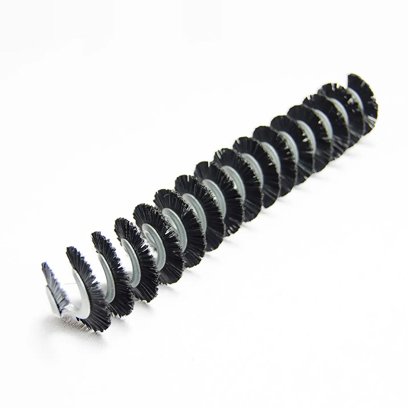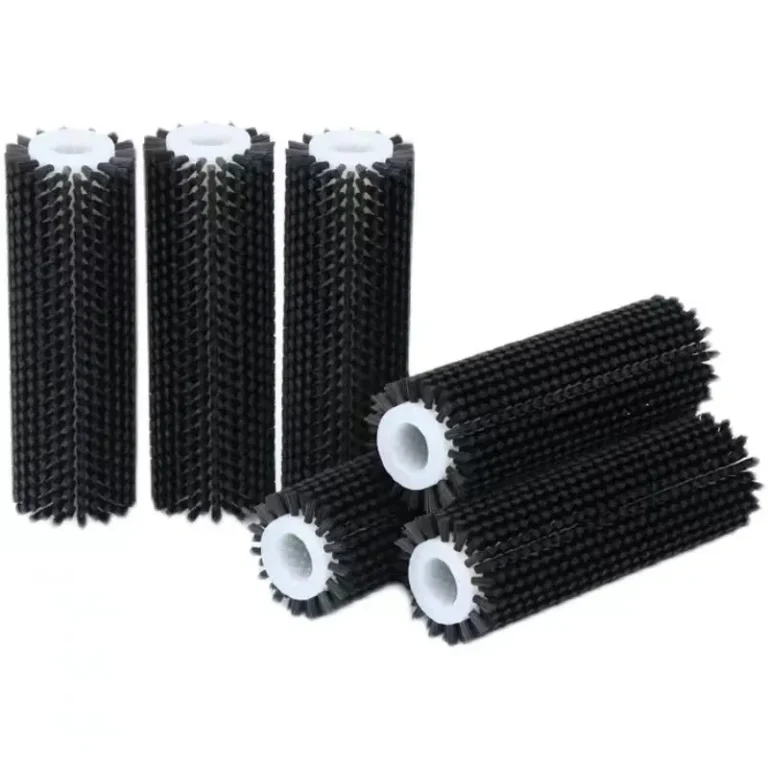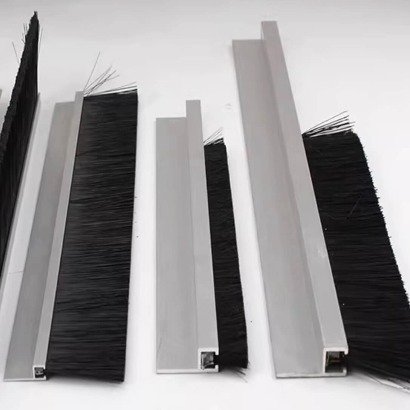
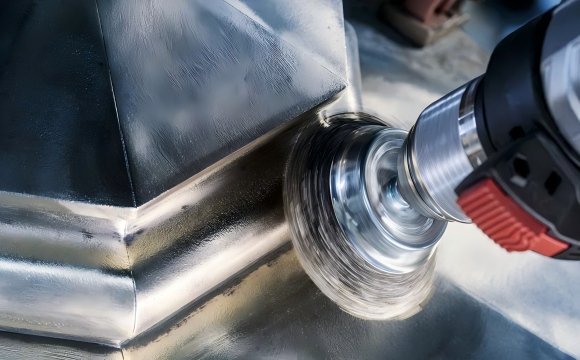
A wire cup brush works as a cleaning tool with tough wire bristles shaped in a cup. People use wire cup brushes to clear away rust, strip paint, and prepare surfaces. These brushes fit power tools well. Many choose a Stainless Steel Wire Brush for both home projects and industrial jobs.
Key Takeaways
-
Wire cup brushes are important for removing rust and getting surfaces ready. They attach to power tools like angle grinders. This makes them good for jobs at home or in factories.
-
Picking the right wire cup brush is very important. Think about the wire type, size, and how rough it is. This helps you clean well and not harm the surface.
-
Safety comes first when using wire cup brushes. Always wear safety gear. Check your tools for damage before you use them. This helps stop accidents.
Wire Cup Brush Uses and Benefits
What Is a Wire Cup Brush?
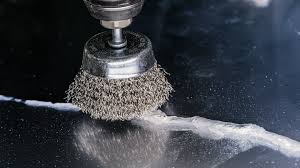
A wire cup brush is a cleaning tool with strong steel wires in a cup base. The wires spread out in a circle. This shape helps clean big, flat areas. Wires can be stainless steel or brass. The cup shape keeps the brush steady while cleaning. It removes rust and dirt quickly.
Wire cup brushes fit power tools like angle grinders and drills. This makes them useful in metalworking and building jobs. People use them for cleaning and getting rid of rust. They also prepare surfaces for painting or welding. The tough build keeps the wires in place during hard work.
Tip: The cup shape helps wire cup brushes clean flat surfaces better than other brushes. The round bristles cover more space and remove rust well.
|
Brush Type |
Design Features |
Effectiveness in Rust Removal |
|---|---|---|
|
Crimped Wire Wheel Brushes |
Flexible, softer brushing action |
Suitable for light to medium-duty tasks |
|
Knot Wire Wheel Brushes |
Rigid, aggressive due to twisted wire bristles |
Effective for heavy-duty applications |
|
Cup Wire Brushes |
Cup-shaped design with circular bristle arrangement |
Efficient for removing rust and corrosion from flat surfaces |
Key Applications: Rust Removal and More
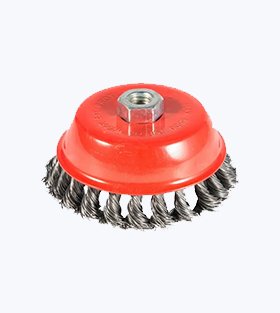
Wire cup brushes have many uses at home and in factories. Their main job is to remove rust. They also help with other cleaning tasks. Here are some common uses:
-
Taking rust off metal gates, tools, and machines.
-
Removing old paint before repainting.
-
Cleaning welds to get rid of slag and spatter.
-
Smoothing sharp edges after cutting metal.
-
Getting surfaces ready for coatings or glue.
Twisted knot wire cup brushes made from mild steel are good for tough jobs. They strip paint and clean welds fast. They stay steady while working. This makes them great for rough surfaces. Crimped wire brushes are softer. They work well on gentle surfaces or for final cleaning.
They sharpen themselves and remove burrs without hurting drill holes. This keeps parts strong. Still, wire cup brushes are a trusted choice for general cleaning and surface prep.
Why Use a Wire Cup Brush Attachment?
Wire cup brush attachments have many benefits with power tools. They save time and effort on big or hard jobs. The attachment fits tightly on angle grinders, drills, or die grinders. This makes the brush easy to use.
|
Type of Wire Cup Brush |
Advantages |
Applications |
|---|---|---|
|
Reduces risk of after-rust |
Non-ferrous metals |
|
|
Carbon Steel |
Excellent cutting action |
Heavy-duty applications |
|
Crimped Wire |
Flexible, less aggressive |
Rust removal |
|
Knotted Wire |
More aggressive |
Removing burrs, weld scale, paint, or rust |
Wire cup brushes use strong materials and hold wires tightly. This keeps wires from falling out and makes the tool safer. Brushes come in different wire thicknesses. Fine wires are for gentle jobs. Thick wires are for tough cleaning. Their strong build and fit with many power tools make them a top pick for surface prep.
-
Made from top materials like carbon steel, stainless steel, and brass wire.
-
Built for tough cleaning and careful work.
-
Work with many tools for more options.
-
Strong wire holding means they work well and are safe.
Wire cup brushes help workers finish cleaning and rust removal faster. They last a long time, so workers do not need to replace them often. This helps people get more work done in factories.
Types of Wire Cup Brushes
Wire Materials and Styles
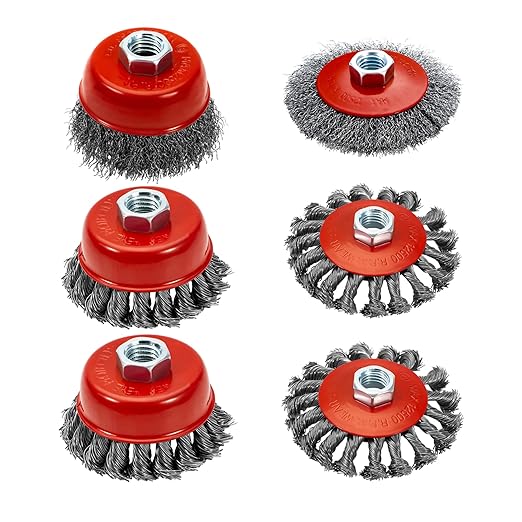
Wire cup brushes use different wire materials. Steel wires are strong and clean tough rust. Stainless steel wires do not rust and work on soft metals. Brass wires are gentle and protect soft surfaces. Some brushes have copper or iron wires for special jobs. Galvanised wire stops rust even more. The brush frame holds the wires tightly. This makes the brush safe and strong.
|
Material |
Performance Characteristics |
Applications |
|---|---|---|
|
Steel |
Very strong and good for hard rust removal. |
Used for tough jobs, rust, scale, and paint removal. |
|
Stainless Steel |
Does not rust and keeps metals clean, not as strong as steel. |
Used on stainless steel and soft metals. |
|
Softer, good for gentle cleaning, not for hard rust. |
Used in electronics and cars. |
Twist brushes have wires twisted together. They help with cleaning, polishing, and finishing. Their shape lets them clean thick rust and paint.
Choosing Coarseness for Rust Removal
Wire cup brushes come in different coarseness. Coarse wires clean rust fast but make the surface rough. Medium wires clean well and keep the surface smoother. Fine wires clean gently and make the surface smooth. Pick the right coarseness for your job.
|
Grit Size |
Material Removal Speed |
Surface Finish Quality |
|---|---|---|
|
Coarse Grit (40–80) |
Cleans fast |
Leaves rough surface |
|
Medium Grit (100–150) |
Cleans at medium speed |
Surface is balanced |
|
Fine Grit (180-320) |
Cleans slowly |
Surface is smooth |
Use coarse grit like 40 or 60 for heavy rust. Use 80 grit for smoother surfaces. Use 120 grit to get ready for painting.
Crimped vs Twisted Wire Cup Brushes
Crimped wire cup brushes have flexible wires. They are good for light cleaning and finishing. They work well on soft metals and curved surfaces. Twisted wire cup brushes have wires twisted together. They are strong and clean heavy rust, scale, and thick paint fast.
|
Feature |
Crimped Wire Cup Brushes |
Twisted Wire Cup Brushes |
|---|---|---|
|
Cleaning Efficiency |
Best for light cleaning, smoothing, and finishing |
Cuts hard rust, scale, and paint fast |
|
Durability |
Made with brass coated steel for longer life |
Very strong because wires are packed tightly |
Crimped brushes last longer when used gently. Twisted brushes are best for hard jobs and last through tough work. Wire cup brushes give you many choices for cleaning.
Selecting and Using Wire Cup Brushes Safely
Picking the Right Brush for Your Task
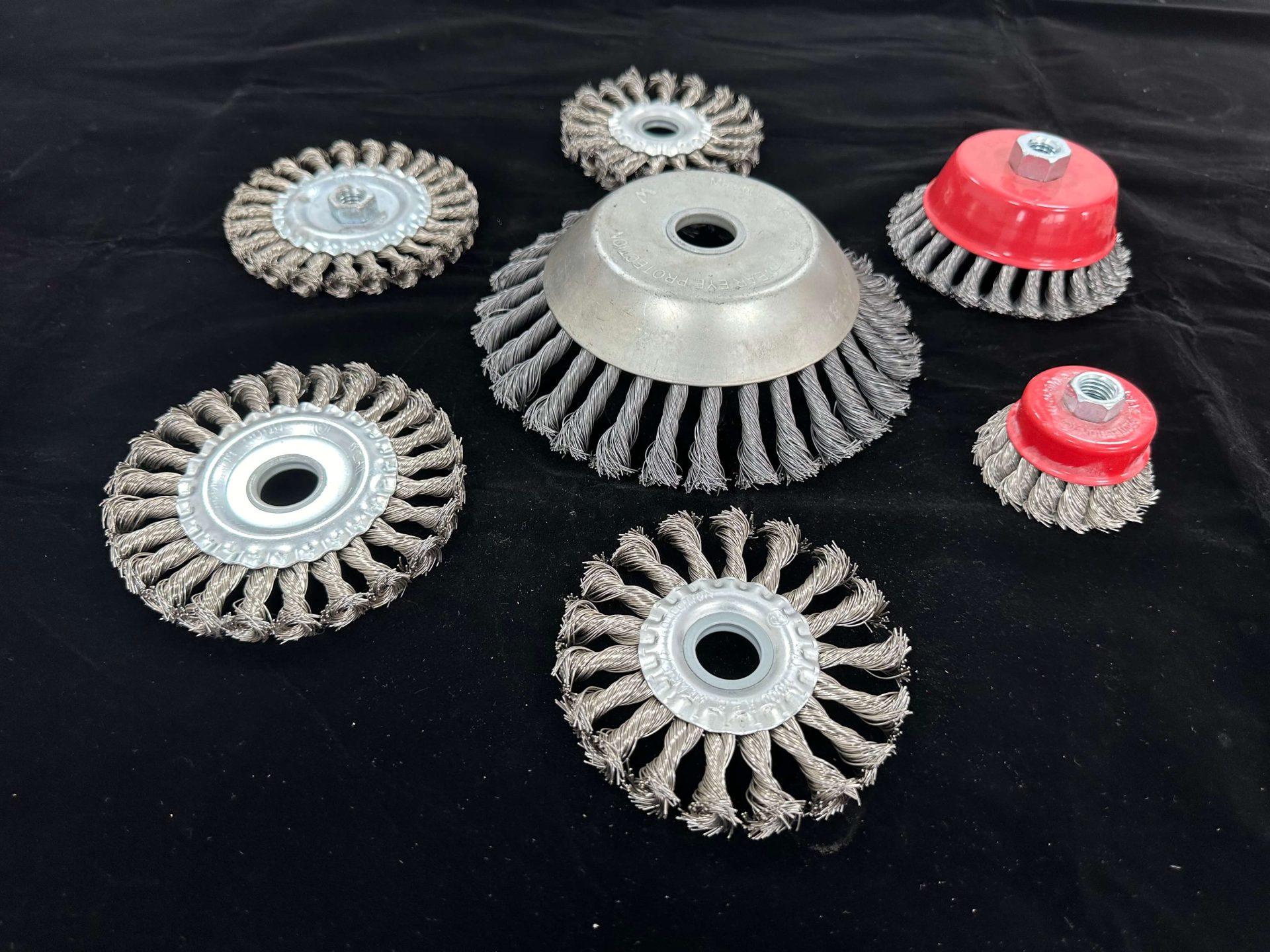
Choosing the right wire cup brush is important. It helps with rust removal and finishing surfaces. You need to think about the size, wire type, and how many wires there are. Brushes come in sizes from 75mm to 115mm. Big brushes clean large, flat areas quickly. Small brushes are good for tight spaces and detailed work.
Wire density changes how strong the brush is. Brushes with lots of wires clean thick rust fast. Brushes with fewer wires are better for gentle cleaning. The wire type matters too. Steel wires are good for hard metals and tough rust. Stainless steel wires stop rust on softer metals. Brass wires keep soft surfaces safe when finishing.
People sometimes make mistakes when picking brushes. They might choose the wrong wire type or thickness. Thick wires can scratch the surface. The wrong mounting system can make the brush unsafe or not work well. Always match the brush to your tool and job.
Tip: Use a wire cup brush for flat areas. For corners or small spaces, use point-end brushes or small cup brushes for better control.
Safe Operation with Power Tools
Safety is very important when using wire cup brushes with power tools. Accidents happen if people skip safety steps or use the wrong tools. Wearing the right protective gear keeps you safe from flying bits and broken wires.
You should wear:
-
Eye protection like a full face shield
-
Strong gloves
-
Hearing protection
Other safety tips:
-
Wear clothes that fit close and safety shoes
-
Use a thick leather apron for extra safety
-
Keep all guards on the machine
-
Check the brush and tool for damage before you start
-
Store brushes in their box in a clean, dry place
Always follow the speed limits on the brush and box. Using a brush too fast can break wires or ruin the brush. Never use a brush that looks old or broken.
Note: Always check your tool and brush before you use them. Change any brush that looks worn out.
Tips for Effective Rust Removal
To get good results with wire cup brushes, follow some easy steps. The right way helps with rust removal and finishing surfaces.
|
Best Practice |
Description |
|---|---|
|
Wire Material Selection |
Steel wires are best for ferrous metals. Brass wires protect soft metals. Stainless steel wires stop corrosion. |
|
Wire Configuration |
Crimped wires are good for normal cleaning and finishing. Twisted knots clean heavy rust but can scratch. |
|
Mounting Type and Compatibility |
Make sure the shank fits your tool. Pick drill-mounted or bench grinder wheels as needed. |
|
Wheel Size and Shape |
Flat wheels clean big areas. Cup-style brushes reach corners. Point-end brushes fit tight spaces. |
|
Wire Gauge and Density |
Thin wires clean gently. Thick wires clean rust faster. |
|
Operating Speed |
Always check the top RPM rating to stay safe. |
Start with a rough brush to clean heavy rust. Use a finer brush for the last pass. This makes the surface smooth and ready for paint or coating. Move the brush slowly and evenly. Do not press too hard. Pressing too much can hurt the metal or wear out the brush fast.
Tip: Let the wire cup brush do the work. Use gentle pressure for the best finish and longer brush life.
Wire cup brushes help with many jobs, like rust removal, finishing, and getting surfaces ready. Picking the right brush and using it safely gives better results and makes the tool last longer.
Wire cup brushes are useful for cleaning rust and getting surfaces ready. Picking the correct brush and using it safely makes work simpler. It is important to throw away old tools the right way:
-
Recycling electrical tools helps keep rubbish out of landfills.
-
Throwing things away properly stops bad chemicals from hurting nature.
-
Laws make sure electrical items are recycled safely.
Following these steps helps you get clean and safe results each time.