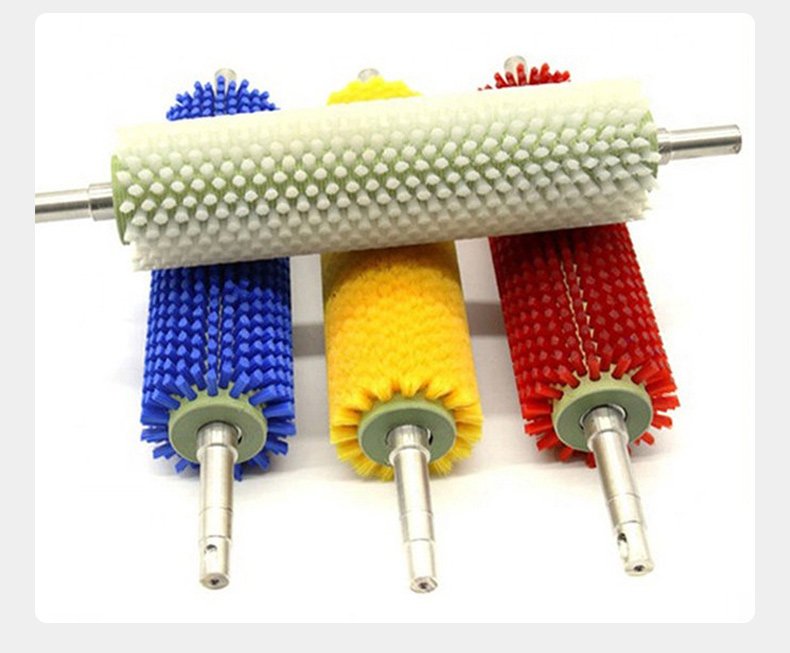
In the competitive world of large-scale agriculture and food processing, the efficiency of your cleaning and sorting line can determine your profitability. If you want the best industrial vegetable brush solutions for your machinery, you should check out marshal.
Whether you are running a potato peeling line, a fruit polishing station, or a root vegetable washing system, the quality of your brush rollers matters. You get a brush that cleans tons of produce quickly, minimizes damage rates, and ensures food safety compliance. A high-quality nylon vegetable brush roller works exceptionally well for removing heavy soil and tough dirt, while a sisal vegetable brush serves as an excellent tool for polishing and waxing softer produce. Picking the right brush configuration means your facility operates smoother, and your final product hits the market cleaner and fresher.
Key Takeaways
Industrial Application: Understanding vegetable roller brush systems for mass processing
Material Science: The difference between nylon bristles, sisal fibers, and abrasive grit
Selection Guide: Matching brush hardness to produce type (root vegetables vs. soft fruits)
Maintenance: Extending brush roller lifespan to reduce costly downtime
What is an Industrial Vegetable Brush?
The Heart of the Washing Line
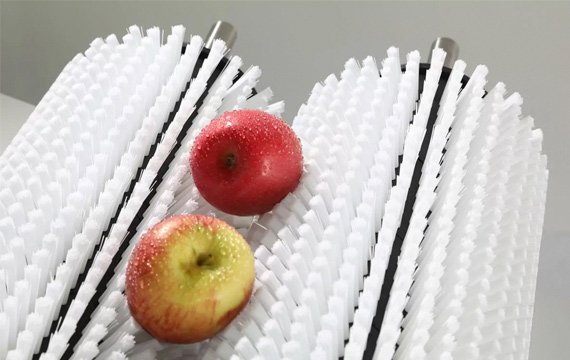
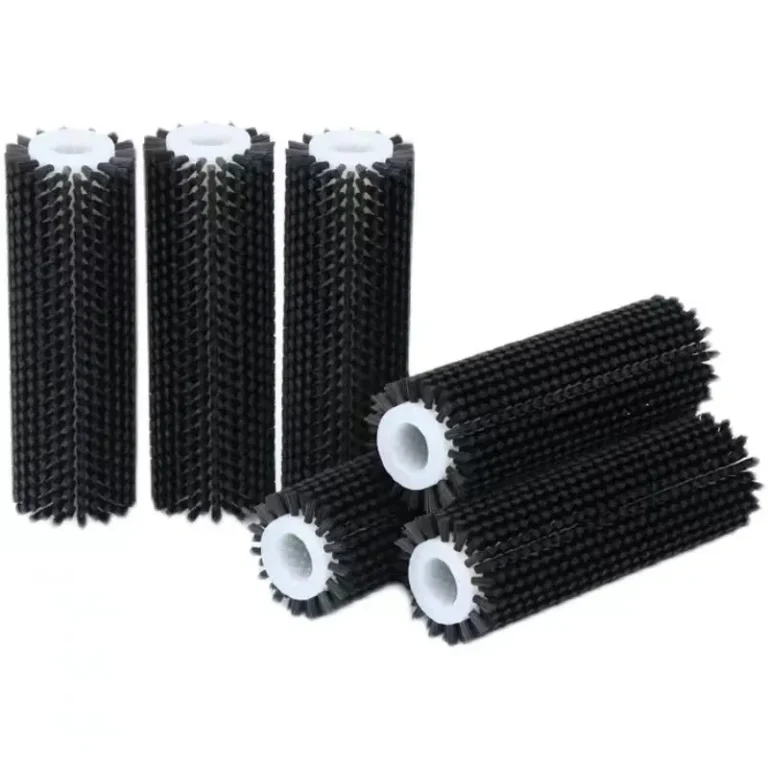
Unlike small hand tools found in home kitchens, an industrial vegetable brush is a precision-engineered cylindrical component—often called a brush roller—designed for mounting on large-scale agricultural machinery. These brushes are the workhorses of the post-harvest sector, installed in parallel rows or rotating drums within washing, peeling, and polishing machines.
A vegetable roller brush serves multiple critical functions depending on the filament type and rotation speed.
- Removes heavy field soil and debris
- Eliminates pesticide residues from produce surfaces
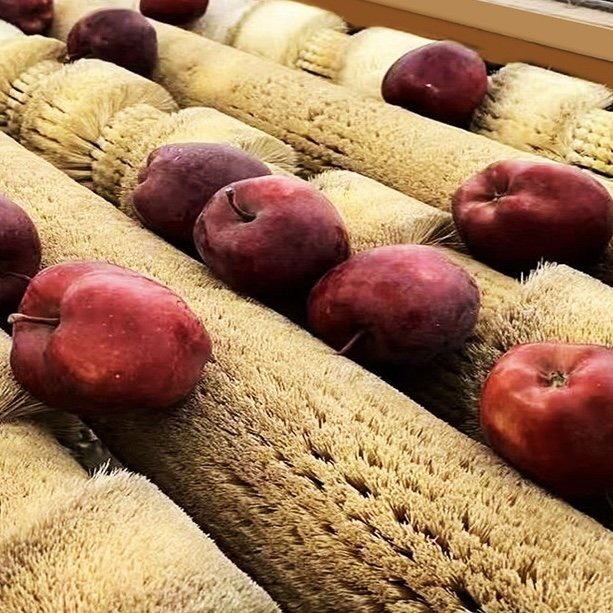
- Polishes natural waxes on fruits like apples and citrus
- Peels root vegetables through controlled abrasion
Construction and Design
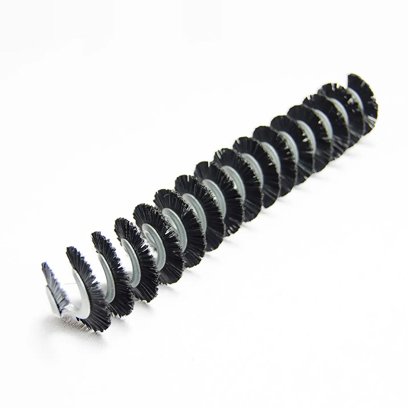
A high-quality industrial brush consists of a durable core shaft (usually stainless steel or solid industrial plastic) and the tufted bristles.
The Shaft: Must be perfectly balanced to prevent machine vibration at high RPMs. Common materials include stainless steel or solid industrial plastic, chosen based on the processing environment.
The Tufting: Bristles are anchored securely to prevent shedding—a critical control point (CCP) in food safety protocols. Loose filaments contaminating produce can result in costly recalls and compliance violations.
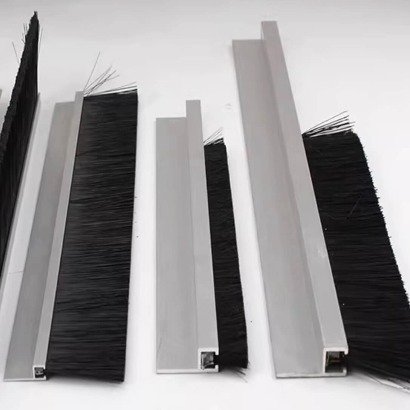
Customization options include spiral patterns for enhanced debris removal or high-density tufting for superior polishing. From cleaning brush applications to direct food contact, the versatility of these industrial tools makes them indispensable in modern processing plants.
Benefits of High-Quality Vegetable Brushes
Investing in premium brush rollers like those from marshal isn’t just an operational cost; it’s a strategy for higher yield and better product value.
1. Superior Cleaning and Hygiene
When processing raw produce straight from the field, you are dealing with mud, clay, stones, and potential microbial contaminants. A generic or worn-out brush might miss crevices. However, a specialized nylon vegetable brush roller uses filaments with “memory” that spring back to their original shape, ensuring consistent pressure against the produce. This thorough scrubbing action significantly reduces the microbial load on the surface of vegetables, supporting HACCP and FDA compliance standards.
2. Reduced Product Damage (Shrinkage)
One of the biggest losses in food processing is mechanical damage—bruising or tearing the skin of the vegetable. This happens when brushes are too hard or uneven. A sisal vegetable brush is particularly valued here. Sisal is a natural fiber that is inherently softer and anti-static. It gently polishes delicate skins (like apples, peppers, or tomatoes) without puncturing them, preserving the shelf life and visual appeal of the commodity.
3. Increased Throughput Efficiency
Time is money. A well-engineered vegetable brush cleans faster. This allows you to run your conveyor belts at higher speeds without compromising cleanliness. Furthermore, durable bristles mean fewer production stops for maintenance and replacement, keeping your facility running at peak capacity.
Cleaner Produce: Higher market value (Class A vs. Class B).
Less Waste: Gentle handling reduces cull rates.
High Durability: Less downtime for machinery maintenance.
Best Vegetable Brush Supplier: Why marshal?
marshal stands out through several key differentiators:
- Precision Engineering: Each roller is manufactured to tight tolerances, ensuring balanced rotation even at high speeds
- Material Expertise: Deep knowledge of filament properties allows customized recommendations for specific applications
- Food Safety Focus: All brushes are designed with HACCP compliance in mind
- Custom Solutions: Ability to manufacture rollers matching exact machine specifications
Facilities seeking comprehensive solutions can browse the complete brush products catalog to find options ranging from standard replacement rollers to fully customized systems.
Learn more: Understanding the Science Behind Vegetable Roller Brushes for Produce Safety
FAQ
Q1: How often should industrial vegetable brush rollers be replaced?
Replacement frequency depends on usage intensity and produce type. Most facilities replace brushes every 6-12 months, though regular inspection helps identify wear before performance declines significantly.
Q2: Can nylon vegetable brushes be used for organic produce processing?
Yes, nylon brushes are approved for organic processing when properly cleaned. The non-porous surface prevents bacterial buildup, making them suitable for certified organic operations with proper sanitation protocols.
Q3: What brush hardness is recommended for potato processing lines?
Medium to firm bristle hardness works best for potatoes. Softer bristles may not remove heavy soil effectively, while overly stiff filaments can damage skin and reduce product shelf life.