Commercial garages face a constant battle against the elements. Whether it is a busy automotive repair shop, a warehouse distribution center, or a manufacturing facility, the roll up doors that provide essential access also create significant vulnerabilities. Gaps around these doors allow conditioned air to escape, outside contaminants to enter, and energy bills to climb steadily higher.
Facility managers who have dealt with these issues understand the frustration. The heaters run constantly during winter, yet workers near the loading docks still complain about cold drafts. Dust accumulates on inventory faster than cleaning crews can address it. Occasionally, evidence of rodent activity appears despite pest control efforts. These problems often trace back to a single source: inadequate door sealing.
A high-quality roll up door seal brush offers an effective solution to these interconnected challenges. This specialized sealing product has become increasingly essential for commercial operations seeking to improve efficiency, maintain cleanliness, and protect their bottom line.
Why Commercial Garages Need Proper Door Sealing
Roll up doors are designed for functionality and durability, not necessarily for creating airtight seals. The mechanical requirements of these doors demand clearance between the panels and the surrounding frame. While this clearance enables smooth operation, it also creates gaps that grow larger over time due to building settlement, equipment impact, and general wear.
The Real Cost of Unsealed Doors
The financial impact of air infiltration through unsealed doors often surprises facility operators. Industry research indicates that poorly sealed openings can account for 25 to 40 percent of a commercial building’s heating and cooling expenses. For operations running multiple bay doors, these losses compound significantly.
Beyond direct energy costs, unsealed doors contribute to:
-
Inconsistent temperature zones throughout the facility
-
Increased strain on HVAC equipment
-
Higher maintenance and repair frequencies
-
Reduced worker comfort and productivity
Understanding Roll Up Door Seal Brush Technology
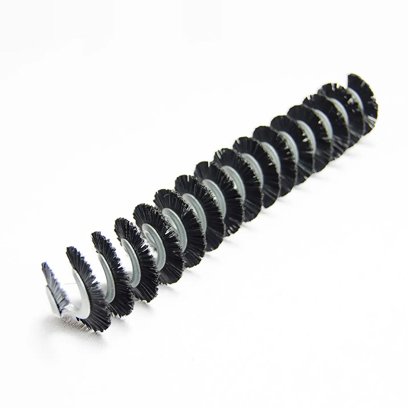
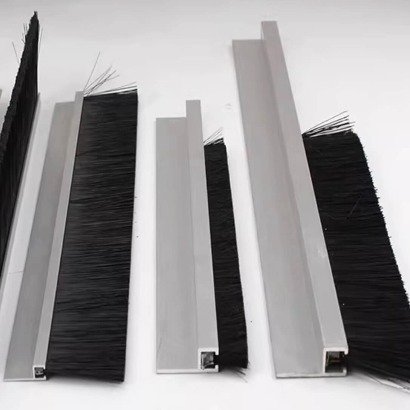
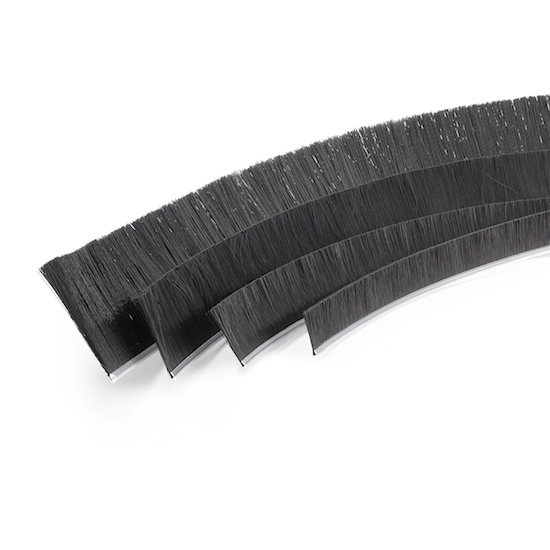
A roll up door seal brush consists of dense bristles secured within a metal channel, typically aluminum or stainless steel. This design creates a flexible barrier that conforms to irregular door surfaces while allowing smooth operation. Unlike rigid rubber or vinyl seals, a door seal brush maintains effectiveness even when door surfaces present dents, rust, or manufacturing variations.
How Strip Brush Design Delivers Superior Performance
The strip brush construction offers distinct advantages for commercial applications. Each individual bristle works independently, bending and flexing as the door moves. This distributed flexibility means the seal maintains contact across the entire door surface rather than creating pressure points that cause wear.
The bristle density matters considerably. Higher-quality products pack more filaments per inch, creating a more effective barrier against air movement, dust infiltration, and pest entry. Premium door seal brush products typically feature densities significantly higher than budget alternatives.
Selecting the Right Seal Brush for Your Application
Choosing an appropriate roll up door seal brush requires consideration of several factors. Not every product suits every application, and selecting incorrectly leads to premature failure or inadequate performance.
Bristle Material Options
Different bristle materials serve different operational environments:
| Material | Temperature Range | Chemical Resistance | Recommended Use |
|---|---|---|---|
| Nylon 6 | -40°F to 250°F | Moderate | Standard commercial doors |
| Nylon 6/12 | -40°F to 300°F | Good | Harsh weather exposure |
| Polypropylene | -20°F to 200°F | Excellent | Chemical processing areas |
| Stainless Steel | -100°F to 900°F | Superior | High-temperature industrial |
Channel and Mounting Considerations
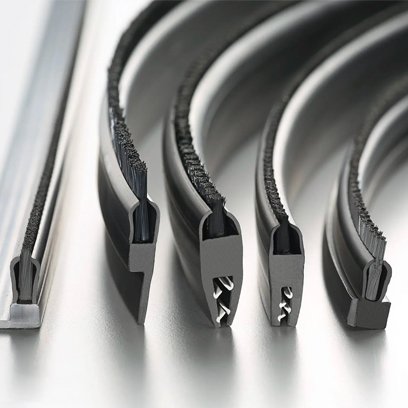
The mounting channel determines installation options and long-term stability. Quality strip brush products feature:
-
Extruded aluminum channels for corrosion resistance
-
Multiple profile options for different mounting angles
-
Pre-drilled holes for simplified installation
-
Replaceable brush inserts for cost-effective maintenance
Installation Guidelines for Optimal Performance
Proper installation ensures a roll up door seal brush delivers its intended benefits. Even premium products underperform when installed incorrectly.
Preparation Steps
Lorem ipsum dolor sit amet, consectetur adipiscing elit. Ut elit tellus, luctus nec ullamcorper mattis, pulvinar dapibus leo.
Before installation begins, thorough preparation improves outcomes:
-
Close the door completely and inspect the gap at multiple points
-
Clean the mounting surfaces to remove dirt, grease, and loose paint
-
Measure the gap distance from frame to door surface accurately
-
Select brush trim length that provides slight bristle deflection when compressed
-
Verify mounting hardware compatibility with frame material
Installation Sequence
The actual installation follows a logical progression:
-
Cut aluminum channels to required lengths using appropriate tools
-
Position the first channel section and mark fastener locations
-
Drill pilot holes suitable for the frame material
-
Secure channels using correct fasteners, maintaining consistent pressure
-
Install remaining sections, ensuring tight joints between pieces
-
Test door operation through several complete cycles
-
Adjust positioning if excessive friction or gaps appear
Avoiding Common Mistakes
Two errors frequently compromise door seal brush installations. First, mounting brushes with excessive compression against the door creates unnecessary friction. This strains door operators, accelerates bristle wear, and may trigger safety mechanisms on automated systems. The bristles should contact the door with slight deflection, not significant compression.
Second, mismatched fasteners lead to mounting failures. Self-tapping screws work well for steel frames, while masonry requires appropriate anchors. Using undersized or inappropriate hardware results in channels loosening over time.
Benefits Beyond Energy Savings
While reduced energy costs often justify roll up door seal brush investments, the benefits extend considerably further.
Pest Deterrence
Rodents rely heavily on their whiskers to navigate tight spaces. The dense bristle construction of a quality seal brushes creates an uncomfortable sensory barrier that most pests prefer to avoid. Facilities that have struggled with mice or rat intrusion often report significant improvement after installing proper door seals.
Dust and Debris Control
Commercial garages located near highways, construction zones, or dusty industrial areas benefit from reduced particulate infiltration. Sealed doors dramatically decrease the amount of airborne debris entering the facility, reducing cleaning requirements and protecting sensitive inventory or equipment.
Noise Reduction
The bristle construction provides modest acoustic dampening. While not a primary function, the seal does reduce noise transmission through door gaps, creating a slightly quieter interior environment.
Maintenance and Longevity
A properly selected and installed roll up door seal brush requires minimal ongoing maintenance. Periodic inspection should verify:
-
Bristle condition and flexibility
-
Mounting hardware security
-
Channel alignment and integrity
-
Accumulation of debris affecting performance
Quality products typically deliver five to ten years of service under normal commercial conditions. Facilities with exceptionally high door cycle counts or harsh environmental exposure may see shorter service life, though replacement brush inserts often cost significantly less than complete assemblies.
Benefits Beyond Energy Savings
For commercial garages seeking practical solutions to energy loss, pest intrusion, and contamination control, a roll up door seal brush represents a proven and cost-effective investment. The technology has evolved considerably, with modern strip brush products offering superior durability, flexibility, and performance compared to earlier generations. Facility managers who have implemented proper door sealing consistently report meaningful improvements in operating conditions and reduced overhead costs.
Selecting quality products and ensuring correct installation maximizes the return on this investment, delivering benefits that compound over years of reliable service.