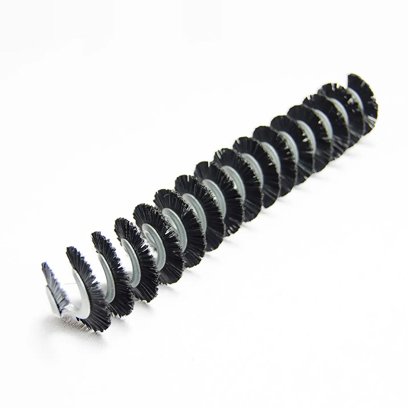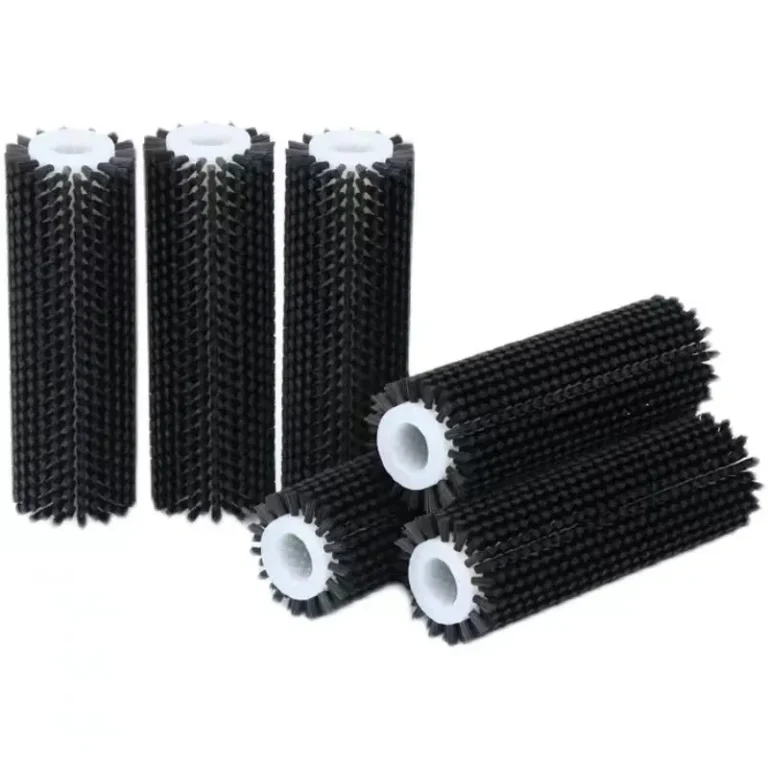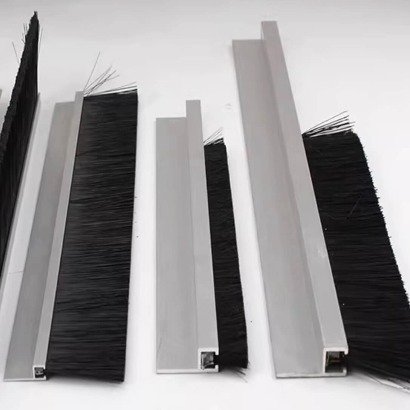

Effective door sealing remains a critical concern for facility managers and equipment manufacturers across industries. The flexible strip brush has emerged as one of the most reliable solutions for creating tight seals against drafts, dust, debris, and noise infiltration. Its unique ability to conform to uneven surfaces while maintaining consistent contact pressure makes it invaluable for diverse sealing applications.
Commercial and industrial facilities face ongoing challenges with environmental control. Poorly sealed doors lead to energy waste, contamination risks, and equipment damage. Understanding how to properly select and install brush sealing solutions helps businesses address these concerns effectively and economically.
Why Flexible Strip Brush Excels at Door Sealing
Unlike rigid sealing materials, the flexible strip brush adapts to surface irregularities that would create gaps with conventional seals. This adaptability proves especially valuable in industrial environments where door frames may not maintain perfect alignment due to building settlement, thermal expansion, or heavy usage.
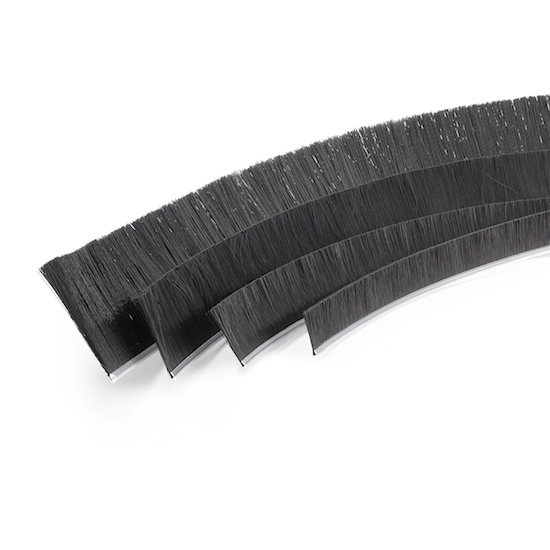
The design combines durable bristle materials with sturdy backing channels to create seals that withstand repeated compression cycles. Facilities requiring frequent door operation benefit significantly from this resilience, as brush seals maintain performance far longer than rubber or foam alternatives.
Key Advantages for Commercial Applications
Businesses choosing brush-based flexible door seals experience several operational benefits:
- Superior conformity to uneven gaps and surfaces
- Reduced friction compared to contact seals
- Extended service life under heavy usage
- Resistance to temperature extremes
- Easy replacement without specialized tools
These characteristics explain why brush sealing has become standard in warehouses, manufacturing plants, loading docks, and commercial buildings worldwide.
Material Selection Guide
Choosing appropriate materials ensures optimal sealing performance and longevity. Both bristle composition and backing channel material impact how well the seal performs in specific environments.
Bristle Material Options
| Material | Temperature Range | Best Applications | Key Properties |
|---|---|---|---|
| Nylon | -40°C to +120°C | General industrial, clean environments | Excellent wear resistance, moisture tolerant |
| Polypropylene | -20°C to +90°C | Chemical exposure areas, wet conditions | Superior chemical resistance, economical |
| Natural Fibers | -10°C to +80°C | Food processing, specialty applications | Soft contact, biodegradable options |
Material selection should align with environmental conditions and specific sealing requirements. For detailed guidance on industrial strip brushes material considerations, consulting manufacturer specifications helps ensure compatibility.
Backing Channel Materials
The backing provides structural integrity and mounting capability. Common options include:
- Aluminum – Lightweight, corrosion-resistant, ideal for most applications. Offers excellent value for standard installations.
- Stainless Steel – Maximum durability for harsh environments. Recommended for food processing, chemical exposure, or outdoor applications.
- PVC – Economical option for light-duty applications. Provides flexibility for curved installations.
Sizing Specifications for Door Applications
Proper sizing ensures effective sealing without excessive friction or premature wear. The strip brush dimensions must match gap requirements precisely for optimal performance.
Critical Dimensions to Consider
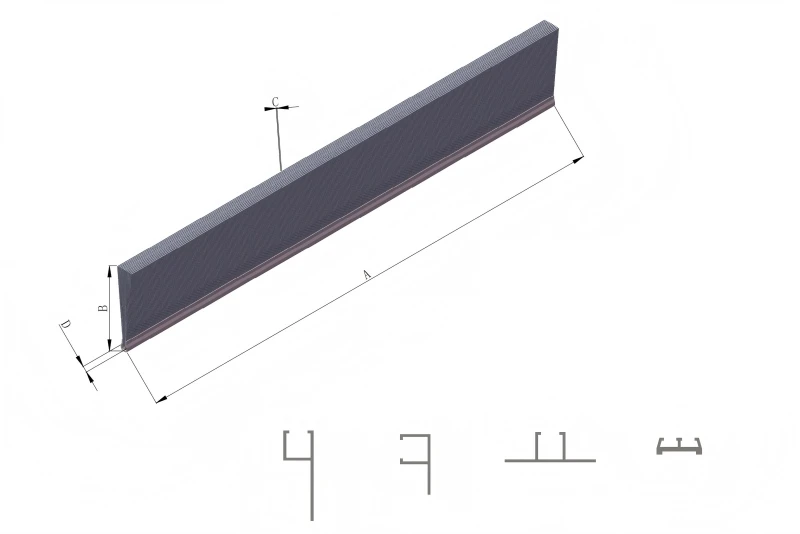
Bristle Length: Typically ranges from 10mm to 100mm depending on gap size. The bristle length should exceed the maximum gap by 10-15% to ensure consistent contact under varying conditions.
Backing Width: Standard options span 15mm to 200mm. Wider backing provides greater mounting stability for longer brush runs or applications with significant lateral forces.
Overall Length: Custom cutting allows precise fitting to any door width. Professional suppliers offer cut-to-length services, eliminating on-site modification needs.
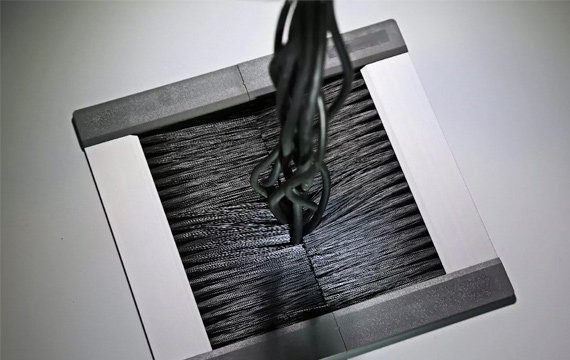
Understanding these specifications helps procurement managers communicate requirements clearly. Resources covering strip brush uses and functions provide additional context for application-specific sizing decisions.
Door Type Applications
Different door configurations present unique sealing challenges. The flexible strip brush adapts effectively to various door types when properly specified.
Overhead and Garage Doors
Large overhead doors create substantial sealing challenges due to their size and operational requirements. Brush garage door seals provide effective perimeter sealing while allowing smooth door movement. The brush contact reduces operational resistance compared to compression seals.
For comprehensive guidance on garage applications, reviewing custom brush garage door seals specifications helps identify optimal configurations for specific door systems.
Sliding and Rolling Doors
Industrial sliding doors benefit particularly from brush sealing. The low-friction bristle contact allows smooth operation while maintaining an effective barrier. Common applications include:
- Warehouse bay doors
- Cold storage access points
- Manufacturing cell enclosures
- Clean room entry systems
Hinged Commercial Doors
Standard hinged doors use brush seals primarily at the bottom edge where gap variations occur most frequently. Floor irregularities, threshold wear, and hinge adjustment changes make flexible sealing essential for maintained effectiveness.
Installation Best Practices
Proper installation maximizes sealing performance and extends service life. Following established procedures ensures optimal results regardless of door type or application.
Pre-Installation Preparation
Before beginning installation, complete these essential steps:
- Measure gap dimensions at multiple points along the seal length
- Clean mounting surfaces thoroughly to ensure adhesion
- Verify door operation and alignment
- Select appropriate fastening method for substrate material
Step-by-Step Installation Process
- Cut the flexible strip brush to the required length, allowing 3-5mm clearance at ends for thermal expansion.
- Position the brush with bristles contacting the sealing surface at approximately 10-15% deflection.
- Mark fastener locations along the backing channel at 150-200mm intervals.
- Drill pilot holes appropriate for the substrate material.
- Secure the brush seal using appropriate fasteners, working from center outward.
- Verify contact pressure and adjust positioning if necessary.
- Test door operation to confirm smooth movement without binding.
Post-Installation Verification
After completing installation, verify performance by checking for visible light penetration, testing air movement detection, and operating the door through multiple cycles. Addressing issues immediately prevents premature wear and ensures optimal sealing effectiveness.
For ongoing performance maintenance, understanding proper cleaning and maintenance tips helps extend service intervals and maximize return on investment.
Troubleshooting Common Issues
Even properly installed brush seals may require adjustment over time. Recognizing common issues enables quick resolution.
Insufficient Sealing: Usually indicates incorrect bristle length or excessive gap growth. Measure current gaps and compare to original specifications.
Excessive Friction: Suggests over-compression or incorrect bristle stiffness. Consider reducing bristle length or switching to softer material.
Premature Wear: May result from contamination, chemical exposure, or material incompatibility. Evaluate environmental factors and consider alternative bristle materials.
FAQ
Can flexible strip brush be customized for non-standard door dimensions?
Yes, manufacturers offer complete customization for length, bristle density, and backing dimensions. Custom orders accommodate any door size with precise specifications for optimal sealing performance.
What minimum order quantities apply for wholesale flexible strip brush purchases?
Wholesale quantities typically start from 50-100 meters depending on specifications. Bulk pricing applies to larger orders, with packaging options including individual pieces or continuous rolls.
Which industries commonly specify flexible strip brush for door sealing applications?
Food processing, pharmaceutical manufacturing, warehousing, cold storage, and clean room facilities frequently specify brush seals. Any industry requiring environmental control benefits from brush sealing technology.