To achieve a perfect finish in high-volume industrial woodworking and furniture manufacturing, you will need some sort of alternative abrasive tool to sandpaper. This can be a very important choice because it will affect how quickly you can produce parts, the consistency of the surface, and ultimately, how much you will spend on labor to produce those parts. For those manufacturers who are producing parts that are not flat, such as profiles and moldings or detailed carvings, the selection of a high-quality sandpaper brush is essential, as the traditional sanding disc is usually ineffective; they require a more flexible and adaptable solution to achieve the desired look.
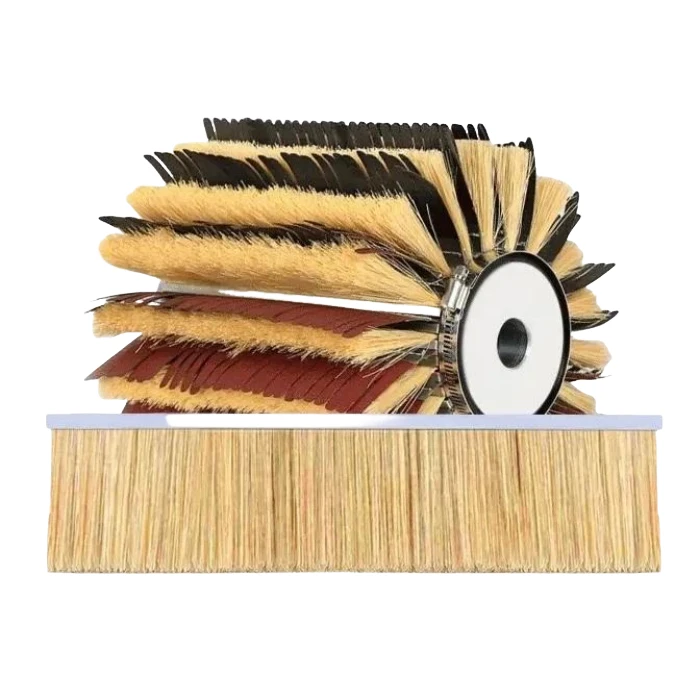
Understanding the Mechanics of a Professional Sandpaper Brush
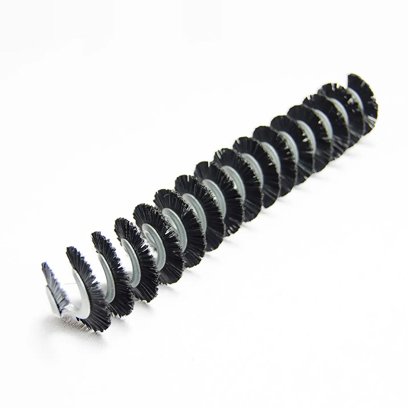
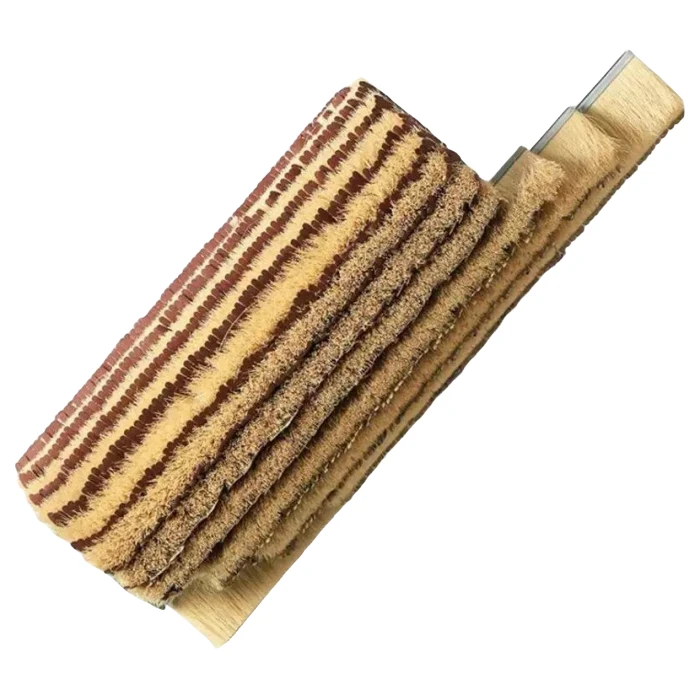
Modern Sanding Strip Brush products combine abrasive cloth sheets with a back of more supportive filaments, typically made from horsehair or sisal. This hybrid construction allows the brush to contour around irregular shapes, while not rounding sharp edges off during usage. Observations within the furniture industry indicate that, in general, the main advantage of using this tool is that it can easily reach deep inside most recesses but still maintain a constant amount of pressure so that surfaces will not burn up.
Hybrid Construction for Contouring and Edge Retention
Modern Sanding Strip Brush products combine abrasive cloth sheets with a back of more supportive filaments, typically made from horsehair or sisal. This hybrid construction allows the brush to contour around irregular shapes, while not rounding sharp edges off during usage.
Consistent Pressure for Surface Protection
Observations within the furniture industry indicate that, in general, the main advantage of using this tool is that it can easily reach deep inside most recesses but still maintain a constant amount of pressure so that surfaces will not burn up.
Clean Cutting for Superior Finish Quality
The factory has switched from using a more aggressive means of removing wood to a more refined way of preparing surfaces by installing a high-performance sandpaper brush for use with abrasive strips. This will allow for an improved finish to occur due to the processing of wood fibers being cut cleanly rather than compressed down with continuous use of firmer surfaces. As a result, this process provides for a more uniform result when finishing with a stain and/or lacquer.
The Role of Material Synergy in Polishing
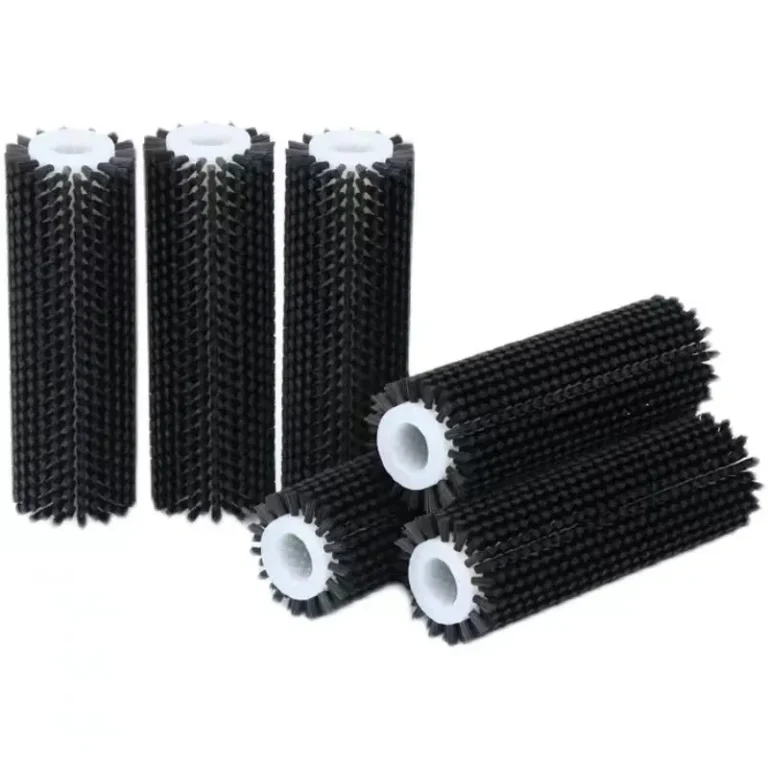
In the world of industrial polishing, the combination of materials is what defines the tool’s effectiveness. The sisal sandpaper polishing roller brush is a prime example of such synergy. Sisal fibers provide the necessary stiffness to support the sandpaper strips, while their natural abrasive properties assist in the preliminary smoothing of wood surfaces.
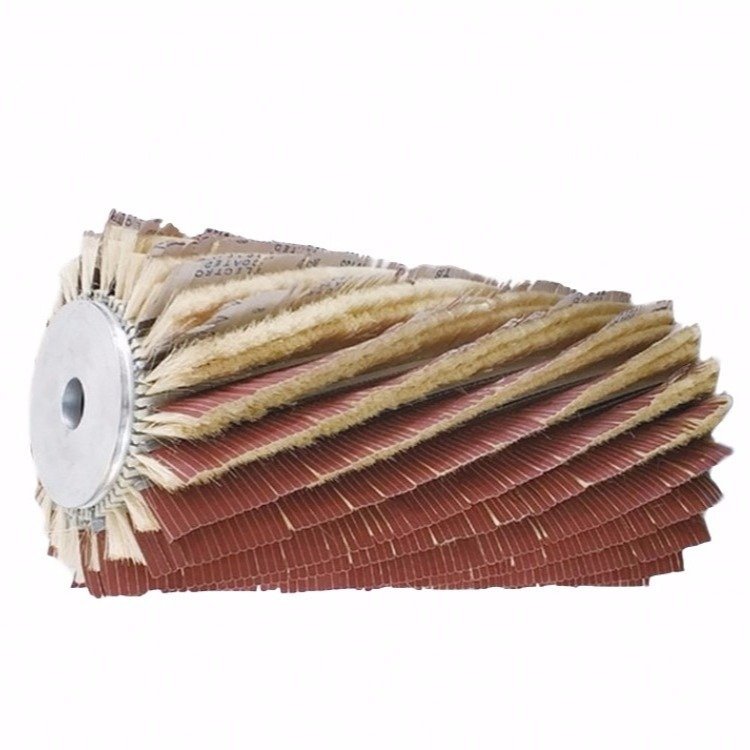
Standalone sisal brush units are commonly utilized for heavy-duty cleaning or removal of loose fibres. When used in conjunction with sandpaper, however, the sisal brush can act as a dual-purpose support system. This combination will eliminate the collapse of the sandpaper during high-velocity rotations while maintaining contact of the abrasive grit to the material being worked on. It is important for purchasing agents to understand the density of support versus choosing the grit of sandpaper.
Key Industrial Applications for the Woodworking Sector
The versatility of these tools makes them indispensable in various manufacturing stages. From raw wood preparation to sealer sanding between coats, the right equipment reduces the need for manual touch-ups.
Furniture and Cabinetry Finishing
In the production of cabinet doors and decorative panels, a wood sanding brush is the standard for white-wood sanding. Because these components often feature routed grooves, the brush can penetrate depths that flat sanders simply cannot touch. High-efficiency production lines often utilize a wood polishing brush mounted on automated machinery to achieve a consistent finish across thousands of units.
Metal and Profile Polishing
While wood is the primary application, industrial-grade sanding brushes are also adapted for metal deburring and light surface cleaning. The flexibility of the brush ensures that the protective coatings of the metal are not compromised while removing burs or oxidation.
Industrial Sourcing Standards for Sandpaper Brushes
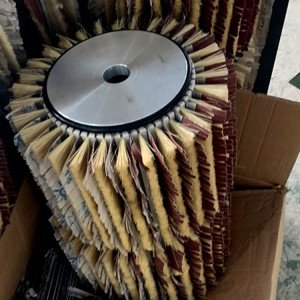
Selecting the right tool requires a technical analysis of the workpiece and the production environment. A common mistake in procurement is choosing a grit that is too aggressive, which can leave visible scratches that are difficult to remove in the final finishing stages. For more detailed information on technical specifications, one should consult a professional sandpaper brush grit selection guide to ensure the abrasive matches the specific timber or coating.
| Brush Type | Primary Material | Ideal Application | Key Benefit |
| Sandpaper brush | Sandpaper + Nylon/Sisal | General Woodworking | High flexibility for contours |
| Sisal brush | Natural Sisal Fiber | Heavy Cleaning/Buffing | Eco-friendly & durable |
| Wood sanding brush | Fine Abrasive Strips | Furniture Prep | Precision finishing |
Improving Production Efficiency with Automation
To remain competitive, modern factories are moving away from handheld tools toward integrated sanding systems. Incorporating a wood sanding brush into a CNC machine or a dedicated through-feed sander allows for continuous operation. This transition not only increases output but also eliminates the variability associated with manual sanding.
When configuring these systems, engineers must consider:
- Rotation Speed (RPM): High speeds increase aggressiveness but can generate excessive heat.
- Brush Direction: Rotating against the feed direction usually yields a cleaner cut.
- Brush Wear: Regularly inspecting the abrasive strips ensures that the quality of the finish does not degrade over time.
Maintenance and Longevity of Industrial Brushes
The service life of a sandpaper brush depends heavily on the intensity of use and the hardness of the materials being processed. It is observed that brushes used on softwoods like pine will naturally outlast those used on hardwoods like oak or maple. To maximize the return on investment, factories should implement a rotational maintenance schedule, where brushes are flipped to utilize both sides of the abrasive strips equally.
FAQ
Q1: Can I customize a sandpaper brush to fit my machine spindle or mounting system?
Yes. Most B2B brush manufacturers offer custom core diameters, lengths, and mounting configurations. This ensures the brush fits your existing automated sanding equipment perfectly.
Q2: What are the benefits of bulk purchasing sisal sandpaper polishing roller brushes?
Bulk purchasing offers two main benefits. First, you get consistent grit quality across all production runs. Second, you receive a lower per-unit price. Both factors matter greatly for large furniture manufacturers.
Q3: How do I choose between a sisal brush and a nylon brush for my application?
Choose sisal for wood applications. Its stiff fibers provide effective sanding. Choose nylon for delicate coatings and fine sanding between finish layers. Nylon offers a gentler touch.