The sisal sanding brush is one of the best-loved tools in industrial finishing lines. In fact, manufacturers in furniture, flooring, and panel production rely heavily on this type of brush to ensure uniform surface quality at high throughputs. The natural sisal fiber structure provides just the right balance between abrasion and flexibility — so it is perfect for tasks that require some precision and where you do not want to damage your workpiece.
The sisal sanding brush is made from fibers extracted from plants of the genus Agave. This is one reason for its widespread use in industrial finishing applications. The main reason behind this wide preference is, of course, its cost-effectiveness coupled with good performance. The main applications, selection factors, and major benefits of using sisal sanding brushes in industrial operations are detailed.
Why Sisal Fiber Works for Sanding Applications
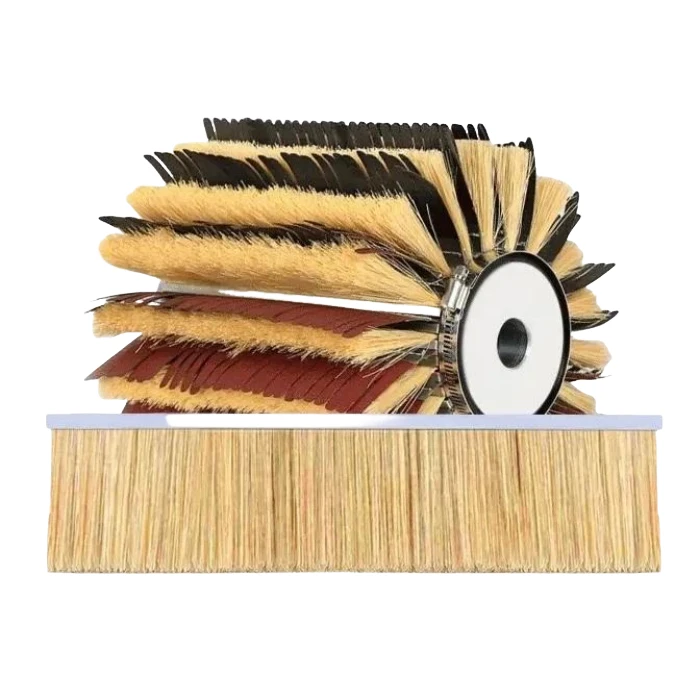
Sisal fiber is obtained from the agave plant; it has intrinsic rigidity with a fair amount of flexibility. This allows it to apply abrasive action over irregular surfaces, as well as to reach recesses that require polishing. Unlike synthetic substitutes, sisal retains its shape even at high temperatures resulting from continuous operation.
Operators often find sisal fibers to resist clogging much better than softer natural fibers. This would mean an extended brush life with reduced downtime for cleaning or replacement. When manufacturers need a brush that can handle light sanding and surface conditioning, sisal has always been the constant performer.
Top Industrial Applications
Wood Surface Preparation
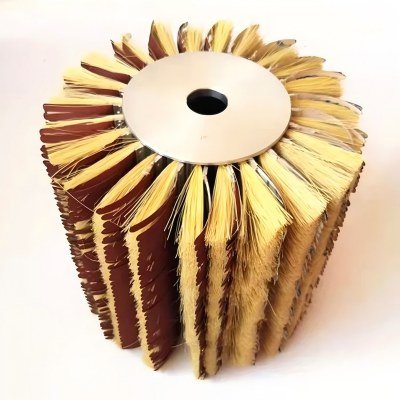
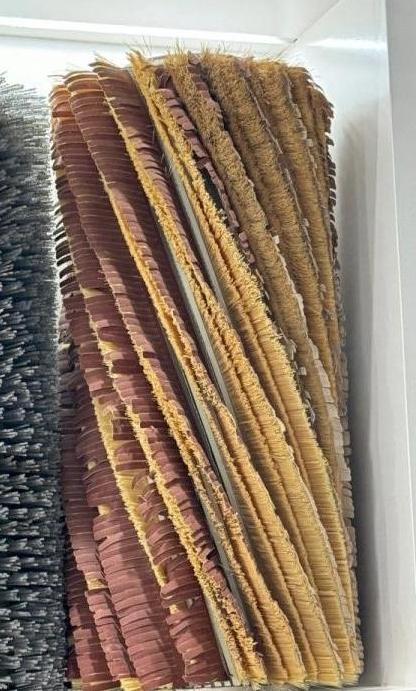
It is mostly used in the preparation of raw wood panels before coating or lacquering. A Sisal Sandpaper Cylinder Brush will remove the raised grain, light mill marks, and surface fuzz in one pass. These are the brushes that are commonly integrated into automated sanding lines used by furniture and cabinet manufacturers.
Deburring and Edge Finishing
In cases where operations focus on timber finishing, it would be better if one could explore the OEM solution of wood polishing brushes, thereby matching brush specifications to the specific production requirements.
Metal and composite fabricators apply sisal sanding brush systems for edge break after cutting or stamping. This natural fiber provides the right aggressiveness to break edges without over-rounding or forming secondary burrs.
Inter-Coat Sanding
Scuff the surfaces lightly between the coating layers to improve adhesion. A Wood Sisal Sandpaper Brush can be used for this requirement, where it would create micro-scratches to hold the paint or varnish better without removing the base coat.
Clean and Texture
Some final lines have sisal brushes to remove leftover dust or to create intentional surface textures on ornamental panels. The stiffness of the fibers ensures that the contact pressure is even over the full width of the workpiece.
Sisal Sanding Brush vs. Other Brush Types
Selecting the right brush material depends on the application. The table below compares sisal to other common alternatives:
| Feature | Sisal Sanding Brush | Nylon Abrasive Brush | Steel Wire Brush |
| Level of Aggressiveness | Medium | Low to Medium | High |
| Resistance to Heat | Good | Moderate | Excellent |
| Conformity of the Surface | High | High | Low |
| Recommended For | Wood sanding, polishing | Light cleaning | Heavy deburring |
| Longevity of the Fibers | Long | Medium | Long |
| Risk of Surface Damage | Low | Very Low | High |
This comparison illustrates why sisal is the choice of industrial buyers for use in the finishing process where controlled abrasion is required. Those comparing different brush constructions must also consider how to choose a sandpaper brush based on their specific material and finish requirements.
Key Factors In Sisal Sanding Brush Specification
Procurement teams and engineers need to consider the following factors before placing an order:
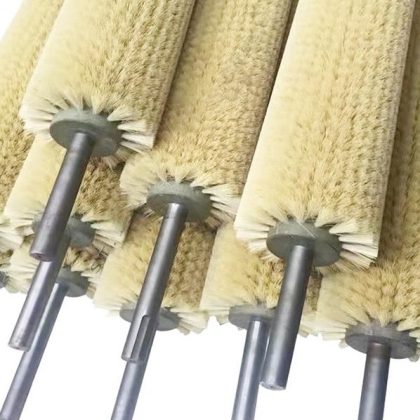
- Brush diameter and length — These should be perfectly in sync with the sanding machine specifications.
- Density of fibers — More aggressive behavior comes with higher density; lower density gives more room to play.
- Core — Steel when it’s all about heavy-duty; wood to lighten the load.
- Abrasive attachment — Some brushes bind sisal with sandpaper strips, doubling the finish in two ways at once.
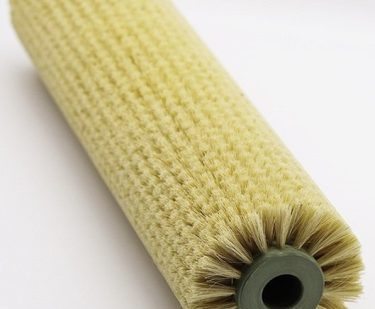
A buyer who has knowledge about the selection of the density of sisal cylinder brushes can avoid the common mistake of over-specifying too aggressive brushes for delicate finishing tasks.
Matching Brush to Machine Speed
Brush performance varies greatly with the speed of rotation. A Sisal Sandpaper Brush at 1,200 RPM works one way, and the same brush at 600 RPM works in a very different way. The recommended range of speeds should always be confirmed with the supplier of the brush before the manufacturer installs it.
Benefits on the Factory Floor
Plants that include sisal sanding brushes in their finishing systems typically experience lower rates of rejection — all thanks to more consistent surface quality.
- This improves upon what belt sanding can achieve, at a lower cost of consumable items.
- There is less machine stoppage due to brush clogging.
- It allows better adhesion of subsequent coatings.
- The brush lasts longer before replacement is required.
These benefits will multiply over time, particularly in high-volume operations that run multiple shifts. Most seasoned operators consider sisal to be the most cost-effective natural fiber option for sanding tasks of medium aggression.
Selecting the Right Configuration
Different applications require different solutions. The decision between a plain sisal cylinder and a hybrid Sisal Sandpaper Brush model depends on the quality of finish required and the hardness of the material. For more guidance on how to evaluate other setups, you can check out our cylinder polishing brush selection resource — it gives comparison criteria in detail.
Key questions to ask suppliers:
- What is the maximum recommended operating speed?
- Can the brush diameter be customized to existing equipment?
- What minimum order quantities apply for custom specifications?
- Does the manufacturer offer trial samples for testing?
FAQ
Can a sisal sanding brush handle hardwood species like oak and maple?
Yes. Sisal sanding brush has enough stiffness to sand hardwood surfaces effectively without fiber breakdown. It works well on oak, maple, and other similar dense species.
What is the average lifespan of a Sisal Sandpaper Cylinder Brush in continuous production?
Most industrial operations can use it for 300-500 working hours under normal conditions before replacement is due, although this varies with speed and pressure.
Can manufacturers provide custom brush lengths for non-standard machines?
Most professional brush manufacturers do offer custom sizing. Buyers just need to supply their machine specs and application details to get proper custom quotes. Contact us today to request a free sample of our sisal sanding brush or get a custom quote tailored to your machine specifications.