Maintaining laboratory results and industrial hygiene requires using the proper cleaning tools. The selection of filament material for a test tube brush by laboratory supervisors or procurement managers is not simply choosing a preference but also a technical decision that influences cross-contamination, tool life, and cleaning effectiveness. Whether using a standard test tube brush or a special spiral wire brush, it is important to know how nylon and natural bristles compare in their material properties so you can properly run your facility at a high level.
The Technical Superiority of Nylon Test Tube Brushes
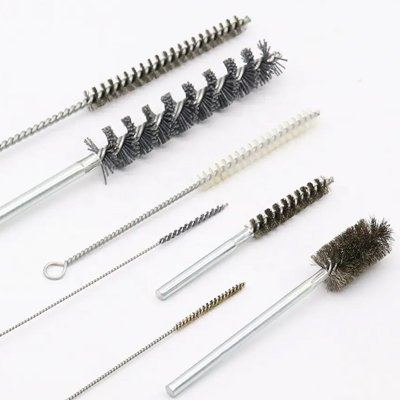
Nylon remains the most prevalent synthetic filament in the cleaning industry due to its exceptional mechanical properties. When integrated into a high-quality test tube cleaning brush, nylon offers a level of resilience that natural fibers often struggle to match.
Durability and Elasticity
“Bend recovery” is one of the key characteristics of nylon. In an industrial spiral brush setup, bristles need enough compression as they go through a restriction (hollow tube) and return to their original position so they can engage with the inside surface again. High strength nylon wire and elastic stainless steel shafts provide the ability to return to their original shape after many cycles of use; therefore they are an economical brush solution for use in bulk laboratory applications.
H3: Chemical Resistance and Sterilization
Tools used in chemistry and healthcare often come into contact with many harsh chemicals, and because nylon is resistant to a large number of chemicals, and it will not degrade when exposed to most common sterilization methods, an efficient laboratory test tube brush made of synthetic filaments is the best type of brush to choose, especially for laboratories that deal with volatile or acidic materials.
The Traditional Role of Natural Bristle Brushes
Even though high-performance synthetic materials are becoming more prevalent, businesses that require natural bristles are still using hog or horsehair as their main source of these types of materials because they have special finishes and are also very high-temperature resistant.
Softness and Surface Protection
Natural bristle cleaning brushes are softer & more flexible than all other nylon grades. When used on fragile glassware or quartz tubing, there is less chance of micro-scratching when you use a natural bristle cleaning brush. In addition, because of the way natural hair bristle cleaning brushes have split ends (flags), they do a much better job of capturing very fine powders or residue than do smooth synthetic fibers.
Oil Absorption and Heat Tolerance
Natural fibers possess an inherent attraction to oils and fats, making them suitable for application in a food-grade laboratory or mechanical workshop where oil-based contaminants are prevalent. In addition, natural bristles should perform well at high temperatures because they will not melt, while standard nylon may become gummy at extreme temperatures.
Material Comparison Table for B2B Procurement
Selecting the right material requires a side-by-side analysis of performance metrics. The following table outlines the key differences observed in professional-grade cleaning tools.
| Feature | Nylon (Synthetic) | Natural Bristle (Animal Hair) |
| Abrasion Resistance | Excellent | Fair to Good |
| Chemical Resistance | High (Alkali/Acids) | Moderate |
| Moisture Absorption | Low (Maintains Stiffness) | High (Can become soft when wet) |
| Heat Resistance | Up to 120°C (Standard) | Up to 200°C+ |
| Durability | Long-lasting | Moderate |
| Typical Application | General Lab, Medical, Industrial | Delicate Glass, Oil Removal, High Heat |
Why Spiral Winding Technology Matters
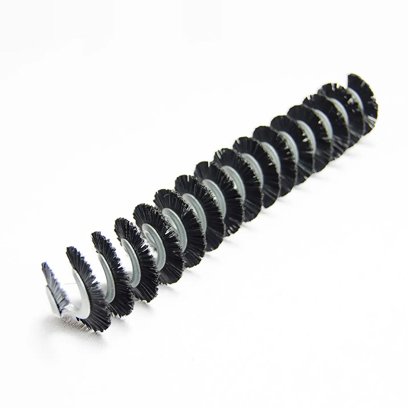
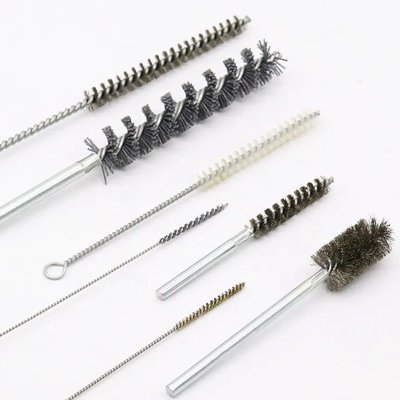
The type of bristle material used by itself is not enough, as the bristle core construction is a critical performance factor. Patented spiral winding techniques are used in modern manufacturing to produce a multi-layer, or bristle matrix, for brushes. An internal cleaning spiral wire brush is a good example of how a core can provide torque and flexibility to navigate through complex geometries.
The bristles of a Pipe Cleaning Brush for internal cleaning have a full 360-degree layout. This design eliminates “dead spots” inside the tube. No residue remains because the bristles reach every part of the inner diameter.
Manufacturers design each test tube cleaning brush for a precise fit. They achieve this by combining high-strength filaments with precision-machined spiral cores.
The targeted removal of stubborn materials is vital for pharmaceutical and clinical sectors. This step is essential to prevent contamination during processing.
Application Considerations for the Industrial Sector
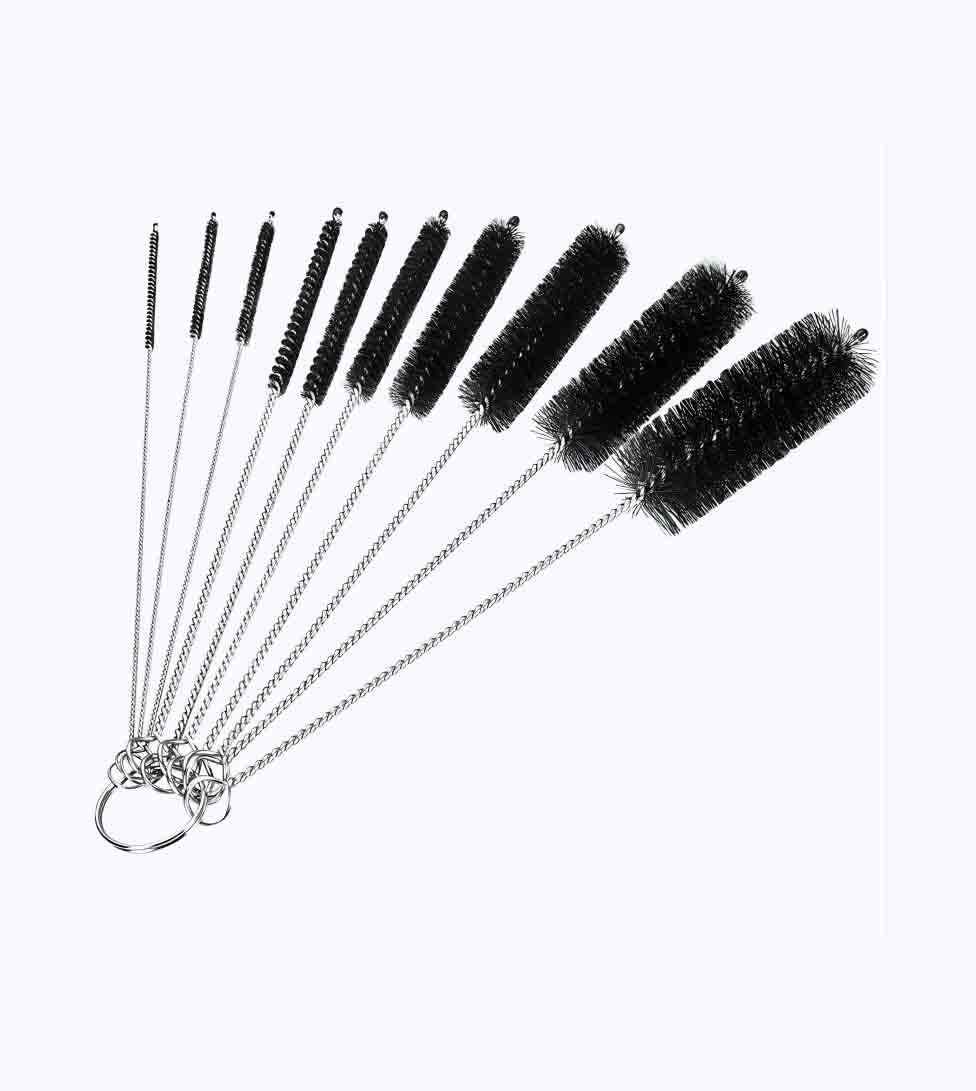
When sourcing cleaning tools for a B2B environment, the application environment dictates the material choice.
- Medical and Clinical Labs: Often prioritize nylon for its ability to be sanitized and its lack of organic particulates.
- Heavy Industrial Cleaning: Typically requires the aggressive scrubbing power of a spiral wire brush with stiff nylon or even metallic filaments.
- Precision Glassware Manufacturing: May lean toward natural bristles to ensure the aesthetic and structural integrity of the glass is never compromised.
It is often observed that high-volume distributors benefit from stocking both varieties. While nylon serves 80% of standard laboratory needs, providing specialized natural bristle options demonstrates a higher level of expertise and service to the end-user.
Conclusion: Making the Informed Choice
The nylon vs. natural bristle debate has no definitive “better” material, just the “right” material for the specific task. Modern laboratories require durability from the nylon and chemical resistance needed for their fast-paced environments. For some applications, however, a natural bristle will provide heat and touch tolerance necessary.
Individuals searching to improve their cleaning protocols must prioritize two concepts: The quality (i.e., the way it is made) of the spiral construction and the purity (i.e., the material) of the filament. By using a professionally designed test tube cleaning brush, you create a cleaner work environment and a lower cost over time due to longer tool life and increased productivity.
FAQ
Q1: Can your test tube cleaning brushes be customized for specific industrial tube diameters?
Yes, professional B2B suppliers offer customization of bristle diameter, brush length, and filament stiffness to match unique industrial pipe and tube specifications for optimal cleaning.
Q2: Is there a minimum order quantity (MOQ) for wholesale spiral wire brush orders?
Most manufacturers maintain flexible MOQs for wholesale partners, allowing distributors to stock a variety of sizes and filament types, including nylon and natural bristle options.
Q3: Which brush material is recommended for high-temperature industrial cleaning applications?
For environments exceeding 150°C, natural bristles or specialized high-heat synthetic filaments are recommended to prevent melting and ensure the test tube cleaning brush retains its structural integrity.