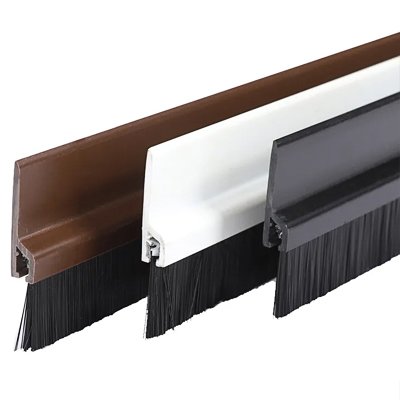
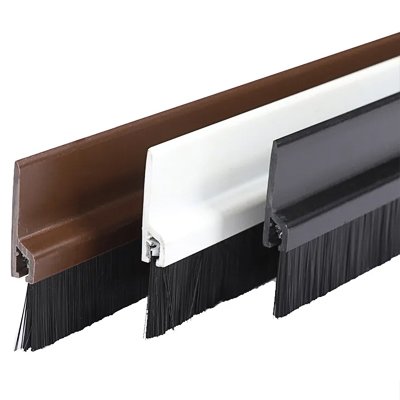
Rubber door seals use a solid, flexible material to block out draughts and moisture. They work best for weatherproofing and tight seals. Brush door seals have bristles that let air flow but still keep out dust. People often choose brush seals for uneven surfaces or when some ventilation helps.
Key Takeaways
-
Rubber door seals give strong, weatherproof cover. They work best on smooth surfaces and outside doors. They keep out rain, cold air, and noise very well.
-
Brush door seals bend to fit bumpy floors and big gaps. They let some air in but stop dust and bugs. This makes them good for busy or rough doorways.
-
Picking the right seal depends on what the door needs. Use rubber seals for tight weatherproofing. Use brush seals for airflow and uneven floors.
Rubber Door Seals
Materials
Rubber door seals are made from different materials. EPDM rubber is a popular choice because it is strong and flexible. It does not break down in the sun or rain. EPDM keeps working well even after many years. Other materials like TPE, PVC, and CR are also used. Each one has its own good points. TPE bends easily and is better for the environment. PVC is cheaper but does not last as long as EPDM. Some seals mix rubber and plastic to block noise and bad weather.
Here’s a quick look at the main materials and what they do:
|
Material |
Key Properties and Impact on Performance and Longevity |
|---|---|
|
EPDM Rubber |
Great at stopping weather, lasts long, bends well; stands up to sun, ozone, and heat; keeps a tight seal for years. |
|
TPE/TPV |
Bends easily, better for the planet, mixes rubber and plastic; not as stretchy, costs more. |
|
PVC / Modified PVC |
Costs less, does not work as well or last as long as EPDM and CR. |
|
CR (Chloroprene Rubber) |
Strong, lasts long, costs more than PVC. |
|
NBR (Nitrile Rubber) |
Used in cars; blocks certain things well. |
|
Rubber-Plastic Composites |
Help stop noise, seal better, and block bad weather. |
Tip: EPDM rubber is best for outside doors. It stands up to sun and bad weather, so homes stay dry and comfy.
Applications
Rubber door seals are used in lots of places. People put them on house and shop doors to stop draughts, water, dust, and noise. These seals help keep rooms warm in winter and cool in summer. They also make buildings quieter and nicer.
You can get rubber door seals in different shapes:
-
Tubular rubber and vinyl seals go around door frames to stop air leaks.
-
Door sweeps fit at the bottom of doors to close gaps and save energy.
-
Magnetic seals go on the top and sides of doors for a very tight fit.
-
Reinforced silicone seals are put on doorjambs or window stops to block water and air.
-
Door shoes cover the bottom of doors and help keep out rain.
Rubber door seals are also used in cars, planes, and boats. In these places, they must be tough and keep out water, dust, and noise. Their strength and weather resistance make them a good pick for many jobs.
Brush Door Seals
Materials
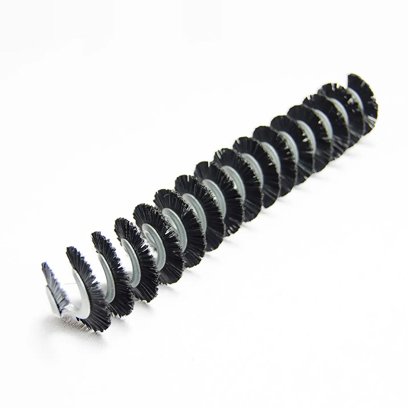
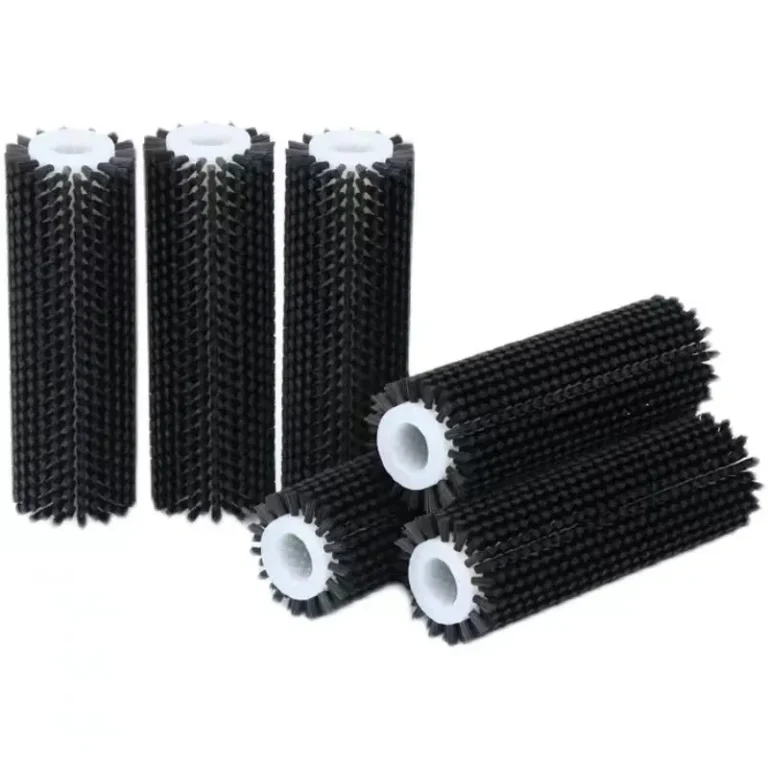
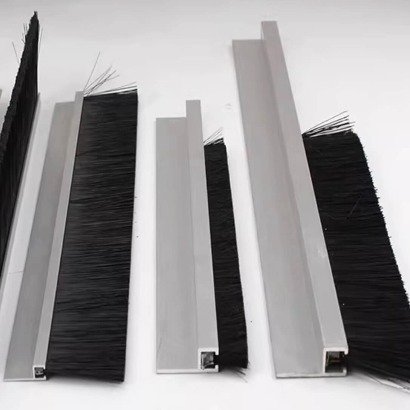
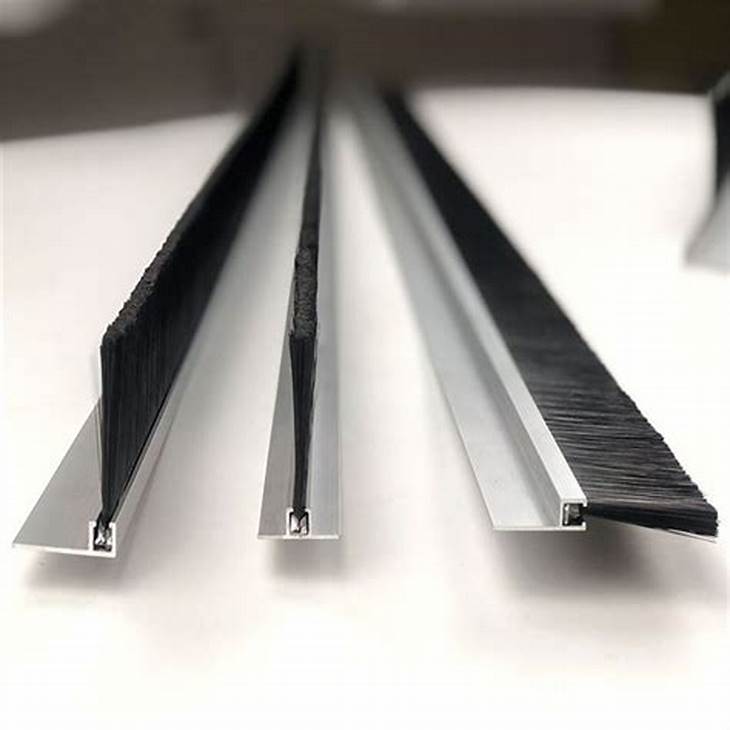
Brush door seals use a mix of clever materials to do their job well. Most have bristles made from nylon. Nylon bristles door seals bend easily, last a long time, and do not rust or fade in sunlight. They also help the seal glide smoothly over door frames, so there is less wear and tear. Some brush seals use aluminium alloy frames. These frames keep the seal strong and stop it from bending out of shape. Aluminium also resists rust, which is handy for busy places like warehouses. Sometimes, manufacturers add rubber or silicone weather strips to fill fixed gaps. These strips block rain and sand, but they might not last as long as nylon bristles. Extreme heat or cold can make them crack or lose shape.
Tip: Choosing the right material matters. Nylon bristles and aluminium frames work best for doors that open and close a lot, especially in places with tough weather.
Applications
People use brush door seals in many places. They fit them on both homes and businesses to keep out draughts, dust, and insects. Brush seals also help block noise and save energy by stopping air leaks. Many shops and factories use them on garage doors, especially at the sides and top. The thick bristles make a strong barrier, even on bumpy or uneven surfaces. In fact, brush seals can be up to three times better than vinyl seals at stopping air from getting in. They work well on rolling doors, dock levelers, and even machines. Some bakeries, data centres, and lifts use brush seals to keep things clean and running smoothly. However, brush seals do not always stop water at the bottom of doors as well as rubber seals do. For extra protection, some products mix brush bristles with rubber inserts. This gives the best of both worlds—good sealing and long life.
Key Differences
Sealing Performance
When it comes to sealing out the elements, rubber door seals stand out for their tight, weatherproof fit. They block draughts, rain, and even noise. EPDM rubber can handle extreme temperatures, from freezing cold to scorching heat, and keeps its shape for years. This makes it a top choice for doors that face harsh weather or need to stay dry, like those in shops or warehouses. Rubber seals also shine in noise reduction, with some models cutting down sound by up to 35 decibels. That means less traffic noise and more peace indoors.
Brush door seals work differently. Their dense nylon or polypropylene bristles let some air flow through, which helps with ventilation. They do a great job at keeping out dust, insects, and even some noise, but they do not stop water as well as rubber. On the plus side, brush seals are much better at sealing uneven surfaces. The bristles fill gaps and cracks that rubber might miss. For doors that do not need to be fully airtight, or where airflow matters, brush seals are a smart pick.
Note: For the best of both worlds, some seals combine a brush with a rubber insert. This hybrid design blocks water and fills gaps, making it ideal for tricky doorways.
Durability
Both types of seals are built to last, but they each have their strengths. Rubber door seals, especially those made from EPDM, resist UV rays, ozone, and chemicals. They do not crack or lose shape, even after years in the sun or cold. This makes them perfect for outside doors that face tough weather.
Brush door seals use tough nylon or polypropylene bristles. These bristles bounce back after being squashed and do not wear out quickly. Manufacturers use special welding methods to keep the bristles in place, so they do not fall out. Brush seals also stand up well to chemicals and heavy use, which is why many factories and busy shops use them. They work well on doors that open and close all day.
Here’s a quick look at how they compare:
|
Seal Type |
Key Durability Features |
Best Use Case |
|---|---|---|
|
EPDM Rubber |
Withstands extreme temperatures, UV and ozone resistant, keeps shape over time |
Severe outdoor weather, bottom seals |
|
Brush Seal |
Flexible, resists pressure, bristles stay put, tough against chemicals and heavy use |
High-traffic, industrial, uneven surfaces |
-
Brush seals use ultrasonic welding to keep fibres secure.
-
Rubber seals keep their shape and block weather for years.
Flexibility
Flexibility is where brush door seals really shine. The bristles bend and move to fit any surface, even if the floor is bumpy or the door is old and warped. They fill in pits and cracks without making the door hard to open. This makes them the best choice for doors with large gaps or uneven edges. Some brush seals even have fire ratings and work in extreme temperatures, from -100ºF to +200ºF.
Rubber door seals are flexible too, but in a different way. They press down flat to seal gaps, but they do not always fit odd shapes as well as brush bristles. For most straight or slightly uneven surfaces, rubber works fine. For very rough or irregular gaps, brush seals do a better job.
-
Brush seals conform to uneven surfaces and large gaps.
-
Rubber seals press flat and work best on smooth or slightly uneven edges.
Tip: If a door sits above a rough floor or has a big gap, a brush seal will likely give a better fit and longer-lasting seal.
Pros and Cons
Rubber Door Seals
Rubber door seals offer many benefits for homes and businesses. People often choose them for their strong sealing power and simple upkeep. Here are some main pros and cons:
Pros:
-
Cost-effective choice for improving insulation and comfort. Many users find them budget-friendly.
-
Low maintenance. The rubber material stands up to frequent use and tough weather.
-
Excellent at blocking draughts, dust, insects, moisture, and noise. This helps keep rooms warm and quiet.
-
Easy to install. Most come with self-adhesive backing, so no special tools are needed.
-
Work well on many door types, such as wood, metal, aluminium, and vinyl.
Cons:
-
Surfaces must be clean and dry before fitting, or the seal might not stick well.
-
May not suit very large gaps or doors with extreme unevenness. In these cases, a different type of seal could work better.
Tip: For most homes, rubber door seals give a quick and lasting fix for draughts and leaks.
Brush Door Seals
Brush door seals bring their own set of strengths, especially for tricky doorways. Let’s look at their pros and cons:
Pros:
-
Bristles flex to fit uneven floors and large gaps.
-
Allow some airflow, which helps with ventilation.
-
Good at keeping out dust, insects, and even some noise.
-
Durable. Nylon bristles and aluminium frames last through heavy use.
Cons:
-
Not as effective as rubber at blocking water or strong draughts.
-
May let in more noise compared to solid rubber seals.
-
Bristles can flatten over time if the door drags too much.
Note: Brush door seals work best where airflow matters or the floor is not perfectly smooth.
Choosing the Right Seal
Use Cases
Choosing between rubber door seals and brush door seals depends on where the door is and what it needs to do. For homes, people often want a seal that looks good and keeps out draughts. Vinyl and EPDM rubber work well for this, especially on outside doors. EPDM rubber stands up to harsh weather and lasts for years. In shops or factories, brush seals are popular. They handle heavy use and fit uneven floors. Brush seals also let some air flow, which helps in busy places.
Here’s a quick comparison:
|
Factor |
Residential Use |
Commercial Use |
|---|---|---|
|
Material Types |
Vinyl, EPDM rubber |
Brush seals, EPDM rubber for bottom seals |
|
Durability |
Good for most weather, EPDM for tough climates |
Brush seals resist freezing, EPDM for water control |
|
Looks |
Many colours, matches home style |
Focus on strength, fewer colour choices |
|
Air Infiltration |
Vinyl seals well, but brush seals better in gaps |
Brush seals block more air on rough surfaces |
|
Best Place to Use |
Sides and top of garage doors, main doors |
Sides and top of big doors, EPDM for door bottoms |
Tip: For big gaps or rough floors, brush seals work best. For tight weatherproofing, rubber door seals are the top pick.
Installation and Maintenance
Installing rubber door seals can be tricky. Many people ask a professional for help, especially with tubular rubber weather stripping. This type wraps around the whole door and needs careful fitting. If someone stretches the rubber too much or uses the wrong tools, the seal might not work well. It is best to start at two corners and meet in the middle. Clean the surface first, then use a plastic roller for adhesive seals.
Brush door seals are easier to fit. Most come with screw-on frames. They stay in place, even on busy doors. Still, people should check the seal lines up with the door edge.
To keep seals working well, regular checks help. Look for cracks, gaps, or loose spots. Clean with a soft cloth and mild soap. Avoid harsh cleaners. For rubber, a silicone spray keeps it soft. Replace any damaged seals quickly. A good routine is to check seals every few months.
Regular care means seals last longer and keep out draughts, dust, and water.
Picking between brush and rubber door seals depends on what the door needs. Here is a simple table to help you choose:
|
Type |
Best For |
|---|---|
|
Brush Door Seals |
Bumpy floors, less noise |
|
Rubber Door Seals |
Keeping out rain, blocking wind |
Brush seals are good for doors that open a lot or have rough floors. Rubber door seals work well in homes where you want to keep out water and cold air. Always choose the seal that fits where you will use it.
FAQ
Do rubber door seals work on uneven floors?
Rubber door seals suit smooth or slightly uneven surfaces. For very bumpy floors, brush seals fit better because the bristles fill gaps more easily.
Can you paint over brush door seals?
People should not paint brush door seals. Paint can make the bristles stick together and stop the seal from working properly.
How often should door seals be replaced?
Most seals last several years. People should check them every six months. If they see cracks, gaps, or worn bristles, they should replace the seal.