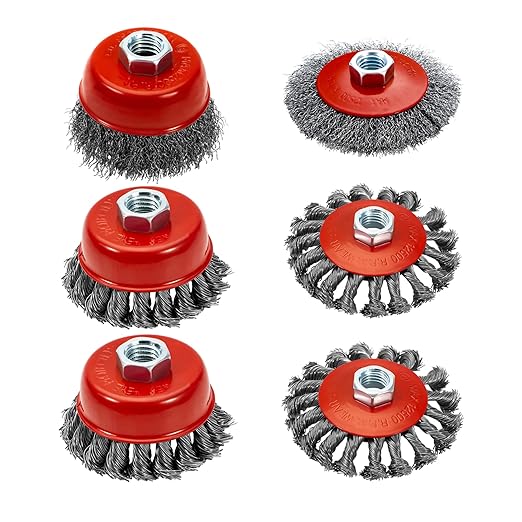
Choosing between a knotted and a crimped wire cup brush is important in metalwork and getting surfaces ready. Each type has its own good points. The knotted cup brush cleans very well. The crimped cup brush makes things look smoother. People often think about how strong the brush is, how the surface looks after, and how long it lasts.
-
Brush size, wire material, and handle shape all matter.
-
Different brushes are better for different jobs, from tough cleaning to gentle work.
-
Safety and the shape of the work area are important too.
marshal’s wire cup brush is useful for many types of work in many industries.
Key Takeaways
-
Knotted wire cup brushes are very strong. They work best for hard jobs. They can remove thick rust and paint fast.
-
Crimped wire cup brushes are softer. They are good for gentle cleaning. They help polish and finish smooth surfaces.
-
You must pick the right brush for your job. Think about the metal type and the finish you want. This helps you work safely and well.
-
Always look at brushes before you use them. Wear safety gear every time. Use the right pressure to stop damage and accidents.
-
marshal has many wire cup brushes. They come in different wires and sizes. They are good for big jobs and home projects.
Wire Cup Brush Types
Knotted Wire Cup Brush
Knotted wire cup brushes are very strong for cleaning metal. The wires twist together in tight groups. This makes the brush hard and stiff. Workers pick knotted brushes to get rid of thick rust or old paint. The twisted wires break through tough layers fast. These brushes are good for jobs that need lots of power. The wire bundles last a long time because they do not bend much. Many people use knotted wire wheel brushes for hard work in factories or workshops.
Tip: Knotted wire cup brushes are best for flat areas that need strong cleaning.
Some knotted brushes have different wire materials. Stainless steel wires do not rust and last longer. Galvanised steel wires are strong and can bend a bit. The handle and cup shape help people hold the brush well and stay safe.
Crimped Wire Cup Brush
Crimped wire cup brushes look different from knotted ones. Each wire is wavy or squeezed, and the wires do not touch. This makes the brush soft and easy to bend. People use crimped brushes when they want a smooth look. The wires move and bend, so the brush fits uneven shapes. Crimped wire wheel brushes are good for cleaning light rust, dust, or paint without scratching the metal.
Workers choose crimped wire cup brushes for gentle cleaning. These brushes are good for soft surfaces and help stop damage. The bendy wires can reach into small corners and curves. Many jobs use crimped brushes for polishing and getting surfaces ready for paint.
-
Crimped wire cup brushes give:
-
Even brushing
-
Softer cleaning
-
Better results on soft or bumpy surfaces
-
Note: Crimped wire cup brushes are great for finishing and light cleaning.
Knotted Wire Wheels
Construction
Knotted wire wheels are known for being very strong. Each brush has wires twisted tightly into knots. This knot style makes the brush stiff and hard. Most knotted wire wheels use carbon steel or stainless steel wires. These wires are about 0.02 inches thick. The brush cup keeps the wires in place while you use it. Workers pick knotted wire wheels for jobs that need lots of power. The knots help the brush keep its shape after many uses.
Here’s a quick look at what is used to make knotted wire wheels:
|
Aspect |
Details |
|---|---|
|
Materials Used |
Carbon steel and stainless steel wires |
|
Wire Diameter |
0.02 inches |
|
Construction Style |
Knot wire style with rugged knot-type construction |
|
Performance Impact |
Aggressive cleaning, high durability, smooth running |
|
Operational Specs |
Up to 12,500 RPM, fits right angle grinders |
|
Applications |
Rust removal, weld cleaning, deburring, surface prep |
Tip: Use knotted wire wheels with gentle, steady pressure. This helps the knots last longer.
Performance
Knotted wire wheels clean very well. The twisted knots hit tough surfaces directly. Workers use them for hard jobs like removing rust and old paint. These brushes do not harm the base metal or change its shape. The knot design lets the brush run smoothly at high speeds. Knotted wire wheels can spin up to 12,500 RPM. They work well with right angle grinders.
The table below shows how the build affects how long they last:
|
Feature |
Knotted Wire Wheels (Twist Knot) |
Impact on Durability and Lifespan |
|---|---|---|
|
Construction |
Wires twisted into tight knots or cables |
Stiffer, more aggressive, withstands heavy use |
|
Aggressiveness |
Medium to heavy-duty |
Handles demanding jobs, lasts longer under stress |
|
Ideal Applications |
Heavy deburring, rust removal, weld scale removal |
Designed for tough jobs, longer lifespan with proper use |
|
Performance Characteristics |
Direct impact, fast material removal |
Efficient work, needs correct use to avoid early wear |
Knotted wire wheels are good for factory work and tough cleaning. They help workers finish jobs fast and keep tools working well. Many people pick knotted wire wheels because they are strong, fast, and last a long time.
Crimped Wire Wheels
Construction
Crimped wire wheels are built in a special way. Each wire has small waves called crimps. This makes the brush bend and move easily. The wires do not touch each other, so they can move on their own. Workers pick crimped wire wheels for jobs that need a gentle touch. The wires can get into tiny spaces and corners. The brush cup holds the wires tight, so they do not fall out. Many crimped wire wheels use stainless steel or galvanised steel wires. These materials help the brush last longer and stop rust. The handle fits nicely in your hand, so it feels good to use.
Tip: Crimped wire wheels are best for bumpy surfaces and soft materials.
Crimped wire wheels come in many sizes. Some have thin wires for a smooth finish. Others have thick wires for stronger cleaning. You pick the brush based on the job and metal type. marshal has crimped wire wheels with cups and handles you can choose. This helps workers find the right brush for their work.
Performance
Crimped wire wheels clean and polish metal with care. The bendy wires move over flat and curved places. They take off light rust, paint, and welding scale but do not scratch the metal. Workers use crimped wire wheels for normal cleaning and getting surfaces ready. The brush gives a smooth look, which is good before painting or coating.
Here’s a table that shows how crimped wire wheels work:
|
Aspect |
Summary |
|---|---|
|
Surface Finish Quality |
The bendy wires clean and polish well. They reach small spaces and keep sharp edges for an even finish. |
|
Material Removal Rate |
Medium removal rate; not as strong as knotted brushes, good for lighter jobs. |
|
Application |
Good for cleaning, polishing, deburring, and getting surfaces ready. |
|
Comparison |
Balances cleaning and gentle removal; knotted brushes are quicker but not as soft. |
Crimped wire wheels have many good points:
-
They bend more and clean gently.
-
The wide brush face covers big areas fast.
-
They are good for light jobs like taking off rust or paint.
-
Thin wires give a smoother finish and last longer.
-
Thick wires clean faster but can leave rough marks.
Crimped wire wheels help workers make metal look neat. The brush does not harm the surface. Many industries use crimped wire wheels for polishing and getting parts ready. marshal’s crimped wire wheels are good for both big jobs and home projects, so many people like them.
Comparison: Knotted vs Crimped
Aggressiveness
Knotted wire wheels are very strong and powerful. The wires twist together tightly, so they are stiff. This makes them good for hard jobs like taking off rust and thick paint. Workers use knotted brushes when they want to remove thick layers quickly. These brushes do not bend much, so they keep their shape during tough cleaning.
Crimped wire wheels have wavy wires that move more easily. They are not as strong as knotted brushes. People use crimped brushes for lighter cleaning jobs. These brushes are good for taking off dust, light rust, or old paint. They do not damage the surface. The wires bend and can reach into small spaces. This makes them great for gentle cleaning.
Tip: Use knotted wire wheels for hard jobs. Use crimped wire wheels for softer cleaning.
Surface Finish
The way the surface looks is important in metalwork. Knotted wire wheels leave a rougher finish because they work fast. They are best when you need speed, not a smooth look. After using a knotted brush, workers often need to do more finishing and polishing to make the surface smooth.
Crimped wire wheels are better when you want a smooth finish. The wires bend and move over the metal, leaving fewer scratches. These brushes are good before painting or coating. They help make the surface even and neat. Many people use crimped brushes for finishing and polishing because they do not hurt the metal.
|
Brush Type |
Surface Finish Quality |
Best Use Case |
|---|---|---|
|
Knotted |
Rougher, more textured |
Fast removal, prep work |
|
Crimped |
Smoother, more even |
Finishing and polishing |
Durability
How long a brush lasts depends on how it is made and used. Knotted wire wheels last a long time because the wires twist together. This helps them not bend or break during hard jobs. The Industrial Wire Cup Brush from marshal uses strong stainless steel or galvanised steel wires. These materials help the brush last longer and stop rust. The brush cup can be changed for different jobs, which helps it last longer.
Crimped wire wheels have softer wires that bend more. They wear out faster if used for hard cleaning. But they last longer when used for light jobs. The handle is important too. marshal has handles made from plastic, wood, or metal. All are shaped to feel good and easy to hold.
Many things affect how long a wire cup brush lasts:
-
Thicker wires can break more easily than thin ones.
-
More wires make the brush less bendy and can wear it out faster.
-
Using the right pressure (not too much) helps stop wires breaking.
-
Turning the brush lets you use new wire tips, so it works better.
-
Checking and storing brushes properly helps them last longer.
Applications
Picking knotted or crimped wire wheels depends on the job. Knotted brushes are best for hard work. They take off rust, paint, and weld spatter quickly. Factory workers use them to clean steel plates, pipes, and machines. These brushes also help get surfaces ready before welding or painting.
Crimped wire wheels are good for lighter jobs. They clean and polish metal parts, take off light rust, and get surfaces ready for finishing. People use them in workshops, garages, and at home for DIY projects. Crimped brushes are gentle enough for soft surfaces and curved shapes.
Here is a table showing which brush is best for each job:
|
Task |
Knotted Wire Wheels |
Crimped Wire Wheels |
|---|---|---|
|
Rust removal |
✔️ |
✔️ (light rust only) |
|
Paint stripping |
✔️ |
✔️ (thin layers) |
|
Weld cleaning |
✔️ |
✔️ (light spatter) |
|
Surface preparation |
✔️ |
✔️ |
|
Finishing and polishing |
✔️ |
marshal’s Industrial Wire Cup Brush is good for many jobs. The wires come in stainless steel or galvanised steel, so you can pick what you need. The handle feels nice to hold, and the cup can be changed for special jobs. This makes the brush a smart choice for both big factories and people doing jobs at home.
Note: Always pick the right brush for the job. Knotted brushes are best for hard cleaning and getting surfaces ready. Crimped brushes are best for finishing and polishing.
Choosing a Wire Cup Brush
Task Matching
Picking the right wire cup brush helps you work faster and better. People first think about what they want to do. Do they need to take off thick rust or just clean before painting? Each job needs a different brush.
-
Twist knot brushes are best for tough cleaning jobs. These brushes have stiff wires that cut through hard layers fast.
-
Crimped wire brushes are good for lighter cleaning and finishing. Their soft, wavy wires clean gently and help make surfaces smooth.
-
The wire thickness matters too. Thick wires are stronger and good for hard jobs. Thin wires are better for gentle cleaning and fine finishing.
-
Brush size is important. Big brushes cover more space and work well on large areas. Small brushes give more control for detailed jobs.
-
Always make sure the brush fits your tool. This keeps the job safe and helps you work well.
marshal’s Industrial Wire Cup Brush comes in many wire types and sizes. Workers can always find the right brush for their job, whether in a factory or at home.
Tip: Using the right brush for the job gives the best results when working with metal.
Material Considerations
Different metals and surfaces need different brushes. Using the wrong brush can harm the metal or cause problems. Here is a quick guide to help you pick the right brush:
|
Wire Type |
Suitable Metals and Materials |
Performance Notes |
|---|---|---|
|
Stainless Steel |
Aluminium, brass, copper, stainless steel, wood |
Stops contamination and rust; best for soft metals and clean finishes. |
|
Carbon Steel |
Iron, carbon steel, wood |
Good for tough cleaning on hard metals; great for heavy jobs. |
|
Brass |
Metals, plastic, wood |
Gentle on soft surfaces; safe where sparks must not happen. |
Crimped wire cup brushes are good for getting soft metals ready and finishing them. Twist knot brushes work well on hard metals and rough cleaning. Always use stainless steel brushes on stainless steel to stop rust and contamination. Brass brushes are best for delicate surfaces or when you need no sparks.
marshal has all these wire types. Their brushes work for many jobs, from building sites to electronics.
Safety Tips
Safety is very important when using wire cup brushes. People should follow some easy steps to stay safe.
-
Check the brush before using it. Look for rust, cracks, or broken wires. Never use a damaged brush.
-
Make sure the brush fits your tool and matches its speed. The wrong brush can break or wobble.
-
Wear safety gear like gloves and safety glasses. Sometimes you need a face shield or mask.
-
Use the safety guard and side handle on angle grinders. This helps you keep control and protects you from flying bits.
-
Use gentle pressure. Pushing too hard can break wires and wear out the brush.
-
Point sparks and bits away from people and things that can catch fire.
-
Run the brush for a minute in a safe place before starting. This helps you see if it shakes or vibrates.
-
Follow all instructions and safety rules, like ANSI B165.1 and OSHA.
-
Keep your tools and brushes in good shape. Check for loose parts or problems before each use.
Note: Most injuries happen when people push too hard, use the wrong brush, or forget safety gear. Checking everything before you start can stop accidents.
marshal makes wire cup brushes that are safe and comfortable to use. The handles are easy to hold and the brushes are strong. This helps people work safely and well, whether they use angle grinders or bench grinders.
Applications
Industrial Use
Lots of industries use wire cup brushes for hard jobs. Factories and workshops use them to get surfaces ready. They also use them to clean off rust and old coatings. Workers in metal factories need to remove rust from steel plates and pipes. Construction teams clean big machines and tools to keep them working well. Chemical plants use wire cup brushes to clean tanks and pipes. This stops things from building up and blocking the pipes. Food factories rinse fruit, vegetables, and meat to keep everything clean and safe. Transport teams clean trains, buses, and subways to get rid of dirt. Electronics factories use these brushes to clean circuit boards and small parts.
marshal’s Industrial Wire Cup Brush works for all these jobs. The brush comes in many wire types and sizes. Workers can choose the best one for each job. The strong wires clean off tough dirt, strip paint, and clean welds. The brush works with angle grinders and bench grinders. This makes it easy to use in lots of places.
Tip: Picking the right brush helps workers finish faster and keeps surfaces ready for the next step.
DIY Projects
Wire cup brushes are not only for big factories. People at home and hobbyists use them for many jobs. They clean garden tools, take rust off gates, and strip paint from old furniture. Car fans use wire cup brushes to clean engine parts and wheels. The brushes help remove old coatings and make surfaces smooth for painting.
marshal’s Industrial Wire Cup Brush is good for DIY jobs. The handle feels nice to hold. You can change the brush cup for different tasks. Whether you work on a bike, a fence, or a small machine, this brush makes cleaning and getting surfaces ready easy.
|
Project Type |
Common Tasks |
Brush Benefit |
|---|---|---|
|
Home repairs |
Rust removal, cleaning |
Fast, safe, and effective |
|
Car maintenance |
Paint stripping |
Smooth finish, easy handling |
|
Garden tool upkeep |
Removal of dirt |
Long-lasting, strong wires |
Picking between knotted and crimped wire cup brushes depends on what you need to do. Knotted brushes are good for hard cleaning jobs. Crimped brushes are better for gentle work and smooth finishes. Here is a simple table:
|
Feature |
Crimped Brush |
Knotted Brush |
|---|---|---|
|
Flexibility |
High |
Low |
|
Finish |
Smooth |
Rough |
|
Cleaning Power |
Moderate |
Strong |
marshal’s Industrial Wire Cup Brush helps people choose the right brush. It works well in busy factories and at home in workshops.
FAQ
What is the main difference between knotted and crimped wire cup brushes?
Knotted wire cup brushes have twisted wires for tough cleaning. Crimped wire cup brushes use wavy wires for gentle work. People choose knotted brushes for heavy rust or paint. Crimped brushes work best for polishing and light cleaning.
Can marshal’s Industrial Wire Cup Brush be used on stainless steel?
Yes, marshal’s Industrial Wire Cup Brush comes with stainless steel wires. These wires clean stainless steel surfaces without causing rust or contamination. Workers use them in food, chemical, and electronics industries.
How do you choose the right wire cup brush for your project?
People look at the job type, metal, and finish needed. Heavy cleaning needs knotted brushes. Gentle polishing needs crimped brushes. marshal offers different wire materials and sizes for every task.
Tip: Always match the brush to the job for best results.
Are wire cup brushes safe for beginners?
Wire cup brushes are safe if used correctly. Beginners should wear gloves and safety glasses. They must check the brush before use and follow tool instructions. marshal designs handles for easy grip and safe control.
What tools work with marshal’s Industrial Wire Cup Brush?
Most angle grinders and bench grinders fit marshal’s Industrial Wire Cup Brush. Users should check the brush size and speed rating before starting. This helps keep the job safe and smooth.