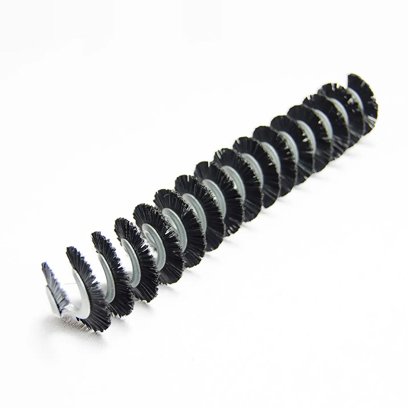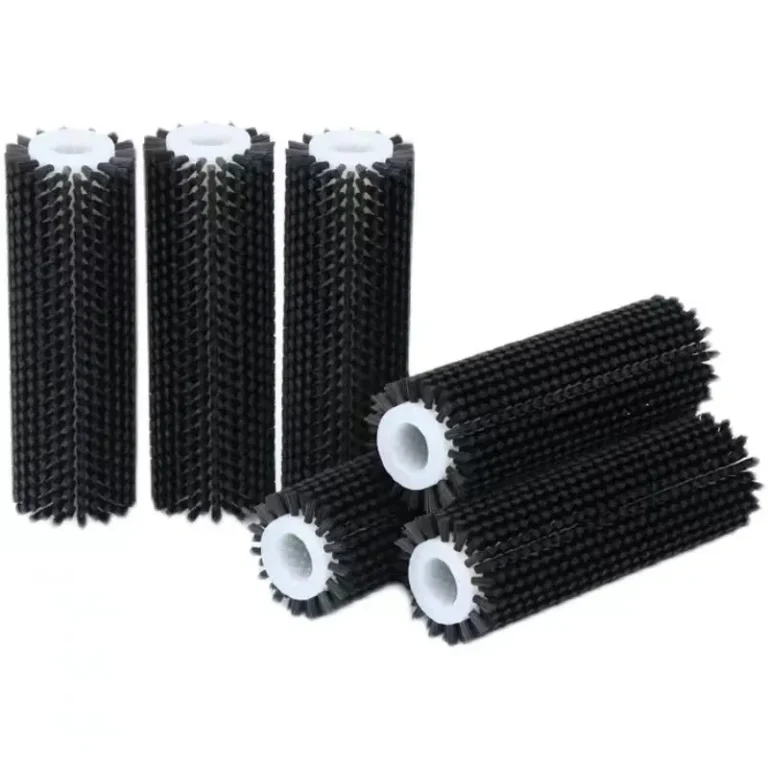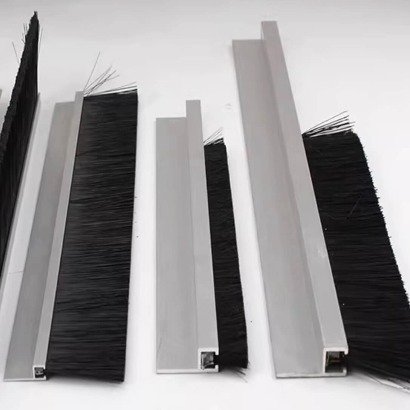
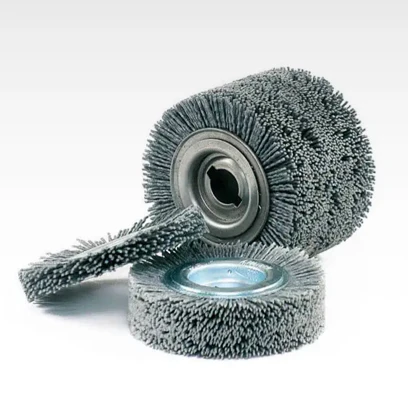
The grinding wheel brush meets all three demands required of surface preparation tools: speed, consistency, and durability. Therefore, both manufacturers and fabricators depend on it for cleaning welds when they are completed; removing scale from materials that have been manufactured; removing the burrs produced during machining processes; and preparing surfaces of different materials for either coating or assembly.
Brush wheels differ from other abrasive wheels and discs in that they are compliant with ground and pivoting dimensions, allowing them to provide an efficient finish without damaging the base material. When the accuracy of dimensional tolerance is crucial, a frequent problem within precision fabrication and metal, they are a very useful tool.
Core Applications: Where This Tool Delivers Results
Deburring Machined and Cast Parts
Cutting, milling, and casting processes often leave sharp burrs on metal components. These burrs can cause assembly problems, create safety risks, and increase wear on connected parts if operators do not remove them. An abrasive wheel brush removes burrs quickly and consistently. It also works well on complex shapes and hard-to-reach areas where hand filing is inefficient or impractical.
Surface Cleaning and Scale Removal
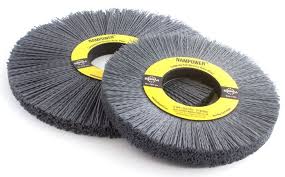
Surfaces of metals are marred by discoloration and oxide scale from heat treatment, welding, and/or hot forming; the use of a wire wheel brush or abrasive brush wheel will effectively strip the contaminant from the surface of the metal, leaving behind an even and clean surface that is ready to be inspected and/or finished.
For Operators Working With Heavy Rust Or Mill Scale, Correct Conclusion Is All About Choosing The Right Method For Your Application. The wire wheel brush safety guidelines Write-Up Provides A Detailed Reference Point For Selecting Wire Wheels & Speed Settings, Personal Protective Equipment (PPE) To Wear When Using Wire, And Where To Place Workpieces To Minimize Risk While Enhancing Project Success.
Weld Cleaning and Blending
Brushing to remove spatter from welded joints is a very common application for wheel brushes in fabrication shops. The brush effectively removes spatter, smooths weld beads, and blends the heat-affected zone with the surrounding material. This step improves both the visual appearance and the adhesion performance of any coatings applied to the surface.
Although not all wheels and brushes are interchangeable, there are a number of key factors to consider in order to choose the best brush for your industrial application as detailed in the following table:
| Factor | Options | Best For |
|---|---|---|
| Fill Material | Steel wire, stainless wire, nylon abrasive | Metal cleaning, rust removal, light deburring |
| Wire Gauge | Fine (0.008″–0.014″), coarse (0.020″+) | Detailed work vs. heavy scale removal |
| Wheel Diameter | 4″–12″ | Typical size for angle grinders, bench grinders, CNC machines |
| Trim Length | Short, medium, long | Aggressive action vs. surface conformability |
| Knot vs. Crimped | Knotted wire, crimped wire | Heavy-duty vs. general-purpose cleaning |
A nylon wheel brush with abrasive type filaments can be used for applications where the goal is to deburr or finish an item and not scratch the base material (common in Aluminium, Brass, and Stainless Steel). A steel or abrasive wire brush is designed for use with more difficult contaminants and greater amounts of scaling.
Selecting Correct Brush for Material Type
Different base materials will respond differently to the action of the brush. Here are some guidelines for you.
- Carbon Steel and Cast Iron – A knotted steel wire brush will effectively remove heavy rust and scale.
- Stainless Steel – Use a stainless wire brush to avoid cross contamination from one material to another that could lead to corrosion of the product.
- Aluminum and Soft Alloys – An abrasive nylon brush or a fine crimped wire will prevent gouging of the base material.
- Painted or Coated Surfaces – Use a soft surface cleaning brush that will clean the coating without damaging the substrate.
Choosing the incorrect fill material can result in wasted time, as well as possibly causing damage to the workpiece. Operators who have experience usually maintain several different types of brushes to choose from, depending on their jobs.
Tips on Operating Brushes for More Effective Operations and a Longer Brush Life
Using the proper technique when applying a brush will help to extend the life of that brush and improve the overall quality of the finish. The following items are the best practices experienced fabricators utilize as standard practices:
- Always run at the proper RPM. Each brush has a maximum safe speed on it, and if you exceed that speed, you run the risk of breaking wires in the brush and/or injuring the operator.
- Apply evenly distributed force to the workpiece. Forcing the brush into the workpiece increases the amount of wear on the brush and reduces the ability of the brush to clean.
- Keep the brush in motion. If the brush is too long in one location, the brush will wear unevenly and it may cause the surface of the workpiece to become overheated.
- Inspect regularly. Worn or deformed wires reduce performance and increase the risk of wire ejection.
The article titled how a grinder brush wheel removes rust effectively gives an in-depth understanding of the way that wheel brushes work at a mechanical level to remove oxide and corrosion from steel. The article also provides specific recommendations concerning brush configurations that should be used for different types of rust.
Industrial Supplies Buyers: Factors That Influence Your Purchase
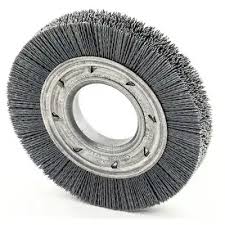
When consulting with B2B suppliers regarding purchasing wheel brushes for use in manufacturing applications, buyers should consider more than just the purchase per unit. The manufacturer should also provide buyers with:
- Repetitive characteristics across production runs — the wire gauge and fill density should be consistent over time from purchase to purchase.
- Equipment compatibility — existing equipment must have similar arbor size, bore diameter, and maximum RPM to match what is currently used.
- Volume pricing/lead time — production lines require a reliable source of supply. They also require competitive pricing on multiple orders, not just every time a single order is placed.
- Application Support — Suppliers who are knowledgeable about the end-use application will be able to provide the proper specifications for the product and locate suppliers with the appropriate product to eliminate trial and error costs.
Frequently Asked Questions
Q: Is it possible to use an abrasive wheel brush without contaminating the stainless steel?
It is advisable to use only stainless steel wire filler to prevent carbon wire leaving residue that induces surface corrosion on stainless.
Q: On average, how long will a wire wheel last in an industrial environment?
Expected lifespan varies based on the intensity of usage, however consistent pressure application and RPM control will greatly increase the life of the wire wheel brush.
Q: How do purchasers determine the appropriate size brush for use in their grinder or other machines?
Match the brush diameter to the machine’s guard clearance and RPM rating, then confirm the arbor bore fits the spindle.