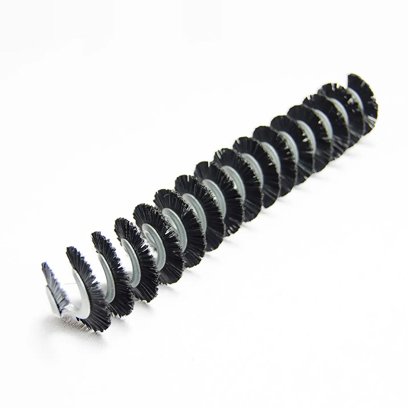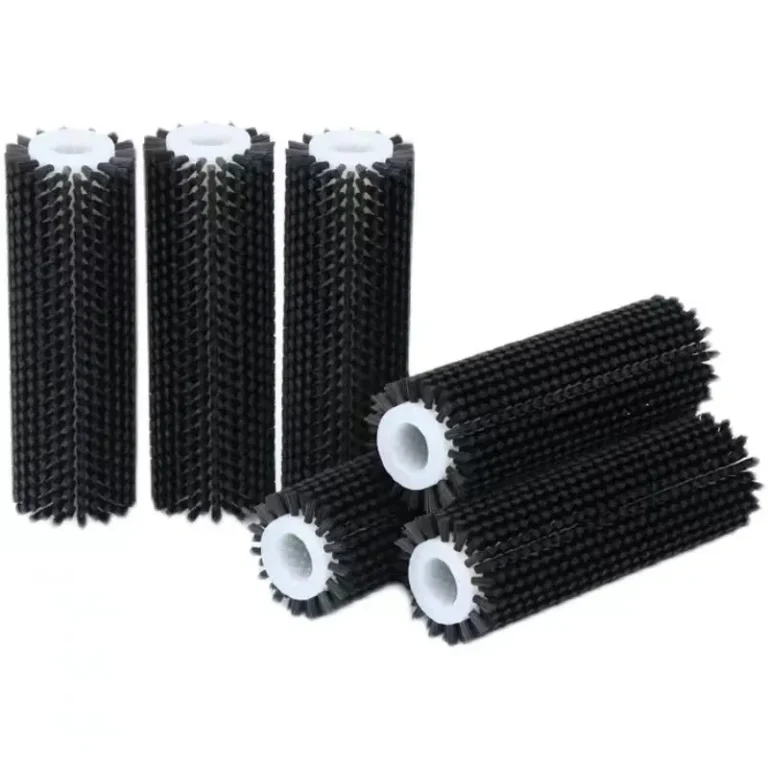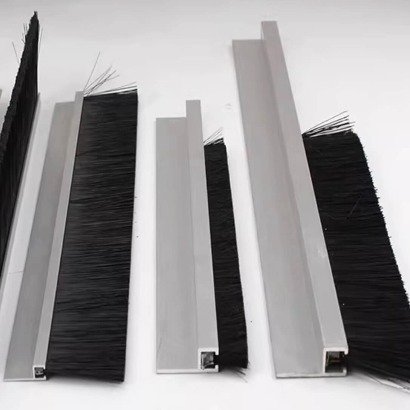
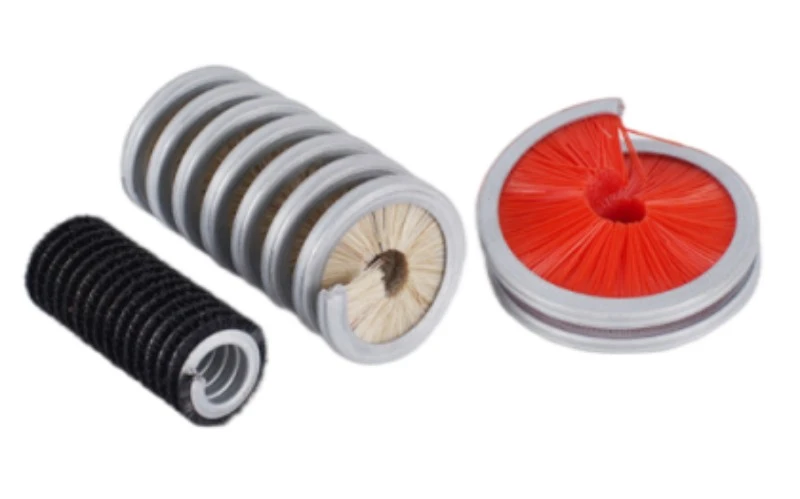
Inside Spiral Brush are the best choice for cleaning, deburring, or polishing the interior surfaces of tubes and pipes. This construction allows the brush to adapt to the internal diameter of a hole or tube while maintaining consistent contact with the surface being brushed.
For anyone unfamiliar with the basics, understanding what an inside coil brush is is a good starting point before diving into specific applications.
What Makes the Inside Spiral Brush So Versatile
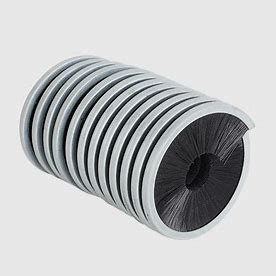
An Inside Spiral Brush features a simple design, where bristles are wrapped around a wire core in a helical fashion. This construction enables the brush to match the material geometry of an internal diameter of a hole or ring, while still maintaining a consistent level of contact with whatever surface is being brushed.
These brushes have one of their biggest differentiating characteristics, which is the wide variety of fill materials they are manufactured with. An example would be rigid carbon steel to flexible nylon. The wide options available for fill materials mean the basic brush design will often be the same regardless of what industry the brush is used in (such as food processing or aerospace).
Key Industries and Applications
Oil, Gas, and Pipeline Maintenance
Over time, rubbish, scale, and rust will form in pipelines. The best way to remove this rubbish from the interior surfaces of steel pipes just before welding, coating, and/or inspection is to use metal inside coil brushes. In oil & gas, proper internal cleaning of steel pipe is critical because it will affect the quality of welds in terms of corrosion resistance as well as structural integrity.
Typical responsibilities consist of: Elimination of mill scale from newly built pipe lengths, cleaning of weld-joint areas, and removal of rust from pipe lengths in service. Operators typically use aggressive wire fill materials that remove heavy deposits efficiently without distorting the material during repeated passes.
Automotive and Engine Manufacturing
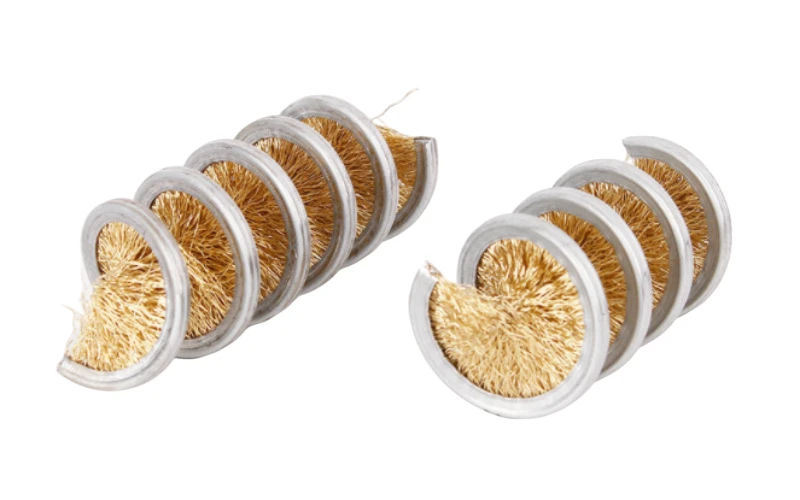
The surfaces and end products of a variety of components used in the manufacture of automotive parts (cylinder bores, hydraulic tubes, and brake lines, too!) are most commonly prepared in the manufacturing process by using a brass inside coil brush to clean up these internal surfaces. This type of brush is a good choice since it does not damage softer metals like aluminum. Engine rebuilders who use brass brushes to cross-hatch the walls of an engine’s cylinder do this to create a surface that will aid in the proper seating of piston rings. Brass is also a non-sparking material and therefore, is a safer option for cleaning the internal surfaces of components that are located near the automotive fuel system.
HVAC, Plumbing, and Refrigeration
The use of refrigeration and air conditioning systems is dependent on copper tubing (among other things) and soldered or brazed joints. Therefore, in order for HVAC/R technicians to ensure a sound joint from soldering or brazing, they must have clean, non-oxidized joints. When cleaning the joint before making the soldered or brazed joint, technicians should use either nylon or brass tools to perform the cleaning without damaging the softer copper. Additionally, Inside Nylon Coil Brushes are commonly used in commercial plumbing applications for cleaning the insides of PVC and other types of plastic conduit, where the use of metal bristle filaments would cause scratches and add contaminants to the material being processed.
Food and Beverage Processing
Food processing facilities have strict sanitation regulations, which means Inside Spiral Brush tools made with stainless steel and nylon bristle materials can be utilized to sanitize product dispense nozzles, mix tubes, and transfer lines within the food processing plant. In addition, since these cleaning tools can be chemically sterilized and reused, they offer an economical basis for continued use in processing.
Brush Material Selection Guide
This gives an overview of the various types of brush materials used for surface cleaning. Your choice of material depends on the surface you are cleaning, the cleaning aggressiveness required, and the maximum amount of surface damage that you can tolerate. The table below summarizes common brush materials for quick reference:
| Brush Material | Best Suited For | Cleaning Duty | Key Characteristics |
|---|---|---|---|
| Brass Inside Coil Brush | Non-sparking aluminum, copper, and soft metals | Medium-duty | Non-sparking, won’t damage softer metals |
| Inside Nylon Coil Brush | Plastics, coated surfaces, and soft metals | Light-duty | Non-abrasive, safe for delicate surfaces |
| Inside Nylon Coil Brush (with abrasives) | All metals (deburring and honing) | Medium-duty | Combines flexibility with cutting action |
| Metal Inside Coil Brushes | Steel pipes, heavy rust, mill scale | Heavy-duty | Aggressive cleaning, high durability |
For more specific guidelines on how to select brushes, please refer to the article on how to select the appropriate coil brush for your application. It will provide you with a more detailed guide to the types of coiled brushes recommended for various applications, as well as the decision-making process involved.
Guide To Applying Brushes
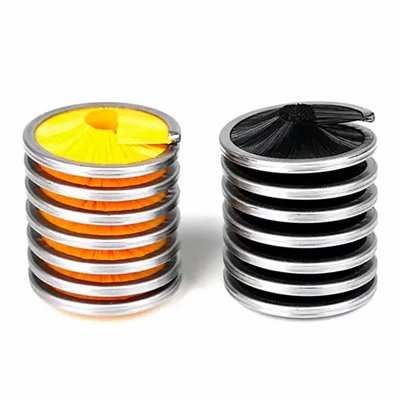
You must first select the correct type of inside coil brush based on your application before beginning proper use. Within the brush industry, there have been many discussions among various manufacturers regarding the most effective use of these tools. These include:
1. The diameter of the brush should match the diameter of the bore; it must equal the inside diameter of the bore to achieve maximum safety. If the tool is just slightly too big (by 1-2 mm), this will allow for maximum filament contact on the workpiece surface.
2. In general, strokes should be made with steady strokes through the entire stroke, as varying stroke speed/pressure will cause a difference in surface texture being cleaned.
3. The bristle condition of your tool determines when to replace it – when they have lost 20% to 30% of their bristles, they are considered worn out, and cleaning will be ineffective. An ineffective cleaning tool gives you an ineffective process and may leave debris behind.
4. For automated systems, confirm that the brush stem type is compatible with the drive spindle.
When it comes to procurement of quality tool norming, source coordination, and proficiency are equally important. A good standard reference book to search through for an accurate, rigid guide for coil brushes will also help confirm that your specification matches the intended use of the item. Those who clean tubes and bores with a cleaning compound should account for the variety of available brushes from the manufacturer for multiple applications.
FAQ
Can automatic production lines use spiral roller brush?
Inside Spiral Brush will work on many automated machines such as CNC Machines, Drill Presses & Automatic Deburring Systems because many of these tools come with conventional stem fittings. This allows them to be attached to an automated machine and achieve 100% automation of the entire process.
How long will a brush last for industrial use?
The lifespan of this type of tool can vary, depending on brush material and application; however, a high-quality metal-abrasive fill model used in moderate-duty applications would typically last for several hundred cycles (passes) before needing to be replaced.
Can copper or brass spiral brushes be used in flammable environments?
The brass Inside Coil Brush, being a non-sparking material, is an excellent choice in flammable environments, as it cannot cause sparks to fly off the surface they are cleaning.