In production environments where the integrity of the surface is important, using the wrong cleaning tool could leave scratches, introduce contamination, or add to the cost of rework. A horse hair strip brush is among the most reliable tools for precision cleaning – and engineers with experience will attest to this. Natural horse hair is an effective choice due to its properties of softness, static resistance, and flexibility, which few other materials possess; therefore, they are optimum for the removal of fine dust and particulate matter from delicate parts without damaging the product.
How Horse Hair Differs from Other Brush Choices
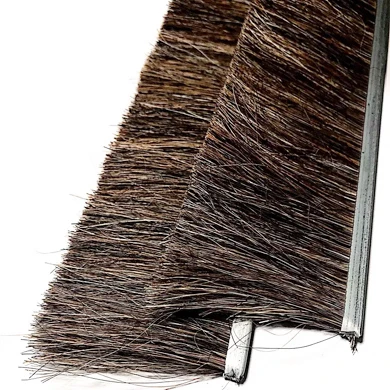
When it comes to cleaning materials from sensitive components, not all brush bristles have equal performance characteristics. The flexibility of horse hair stems from the unique structure of its protein fibers, allowing for easier compliance with non-uniform/irregularly shaped surfaces while minimising the amount of force applied to them.
People using optical lenses, electronic circuits, or lacquered metals have learned that horse hair generates much less static than nylon and polypropylene alternatives. All materials with static retention tend to pull dust back toward its source, but tests show horse hair controls static far better than the other two materials.
Properties of Horse Hair Simply Compared
| Property | Horse Hair | Nylon | Polypropylene |
|---|---|---|---|
| Softness | Highly Soft | Medium/Soft | Hard |
| Static Generation | Very Low | Medium | Very High |
| Heat Resistance | Moderate (up to 120 degrees) | High | No |
| Surface Safety | Excellent — Will not scratch | Very Good | Good |
| Flexibility | Excellent | Good | Moderate |
| Absorption Of Water | Natural evaporation of moisture | Very Low | None |
From this comparison, it can be concluded that many manufacturers specify their designs utilizing natural animal hair brush configurations because they want to protect their surfaces during production.
Examples of Typical Manufacturing Uses for This Type of Horse Hair Product
Horse hair strip brush products are commonly utilized with a variety of applications requiring precision within the manufacturing process. Below are several typical manufacturing uses for horse hair strip brush products in order to enhance value:
- Dust removal prior to anodizing CNC machined aluminum parts
- Light cleaning of glass panels used in display manufacturing
- Surface preparation of printed circuit boards, prior to soldering, to remove dust and debris
- Dust removal from various areas located in pharmaceutical packaging lines
- Preventing the migration of particles from conveyors by sealing gaps
Many plants and facilities use horsehair brushes as seals on sliding doors, elevator shafts and automated entrances. When used in this manner, the brush functions as a door brush strip to prevent dust from entering a controlled environment from the atmosphere, while still permitting smooth mechanical movement of the door or access point.
How It Integrates with Industrial Systems
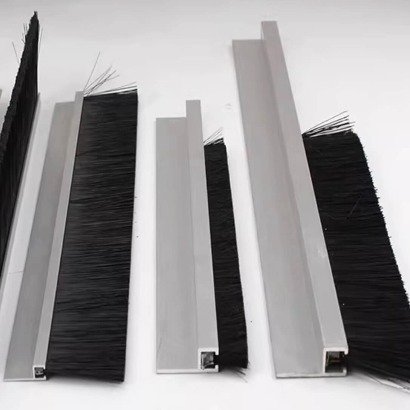
Modern manufacturing and production lines need quickly installable components that will stand up under continual operation. The required rigidity for mounting industrial brush strip configurations, that have stainless or galvanized steel channel bases, also provide the proper support for the horse hair fill to complete delicate contact jobs.
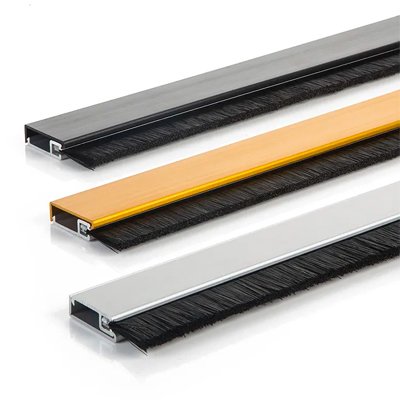
Typical Base Materials
Tubes can be made out of many different types of material that are dependent on how the plant will work:
- Stainless Steel: Resistant to corrosion and is well suited for food and other wet industrial operations.
- Galvanized Steel: Economically protects against rust in industrial applications.
- Low Carbon Steel: Can be used indoors provided there is minimal exposure to moisture.
The tubes hold the brush bristle strips tightly in place and reduce shedding. This support plays an important role in high speed production operations because failure of the brush may lead to a significant number of unexpected service interruptions.
Installation Tips
The way that the brush is installed will affect the performance and the life of the brush. The following are some general guidelines for installation that would lead to the best performance of the brush:
- Install the brush at an angle to the surface it is contacting, rather than straight up and down, because this will help reduce wear on the bristles and allow for better dust collection.
- Make sure to allow 2–3mm of interference between the fibers and the sealing contact area so that there can be adequate contact without excessive resistance.
- Attach the channel base to its respective mounting surface via either countersunk screw method or adhesive method depending on mounting surface materials used.
For more information regarding maintaining brushes in optimum condition after installation, please check out cleaning and maintenance tips for industrial strip brushes, which outlines many recommended procedures which extend brush life.
Selecting the Right Brush for Your Application
Fibers should correlate appropriately to job function. If you have delicate and/or contaminant adverse surfaces to be cleaned, then horsehair fiber would most likely be a suitable candidate for this task because of its light weight. In contrast, if you require heavy duty scrubbing or removal of abrasive material at high temperatures, then synthetic or wire bristle fibers would be suitable alternatives.
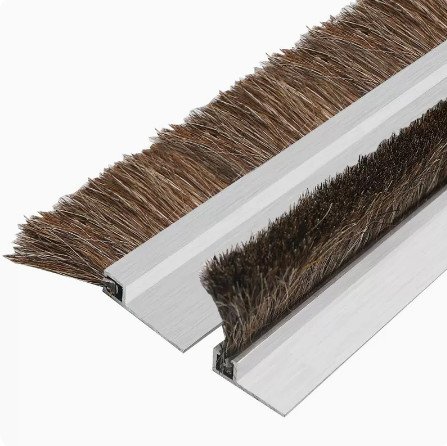
An essential factor for deciding on the surface tolerances and the level of particle size removal requires a good understanding of strip brush uses in sealing, cleaning and protection throughout different industries.
Care and Maintenance Tips
Care and maintenance tips for extending the service life of horse hair strip brush products include:
- Clean in line with the flow of the bristles — never against the grain
- After cleaning, use a clean dry cloth to gently press bristles dry from any excess moisture; do not wring or twist
- Hang brushes with the bristle end down so they can air dry naturally
- Keep at a reasonable distance from heat sources and out of direct sunlight for extended periods of time, as both can damage the natural fibers used in the construction of the bristles
Following these guidelines ensures that there is no loss of fiber alignment or premature brush shedding; therefore, extending the lifetime of brushes considerably.
Final Thoughts
Horse hair strip brushes provide precision manufacturing capabilities because they can offer both gentleness and performance better than any man-made product. For applications where there cannot be any compromise regarding the surface finish, they have been around for many years and continue to be a reliable and practical solution given all of the industrially proven capabilities of horse hair brushes over time.
FAQ
Q1: Will horsehair strip brushes installed on steel channel bases effectively seal the gap between elevator and/or automatic doors?
Yes. Horsehair strip brushes installed on steel channel bases will seal the gap between elevator doors and/or automatic doors, which prevents dust from entering and allows the door to open and close smoothly without any noise.
Q2: What is the best base material for a food processing environment?
The best base material in food and pharma plants should be stainless steel channel bases as this material is very resistant to corrosion and it meets sanitation requirements; therefore, this type of base will be the most popular in food & pharma plants.
Q3: What is the recommended replacement frequency for horsehair strip brush products used on production/industrial equipment?
The frequency of replacing horsehair strip brushes will depend on the speed of operation and also on how dirty the horsehair strip brush gets from materials that have been contacted with; however, the majority of industrial plants replace horsehair strips approximately once every 3 months based on 20% worn off fiber length.