Every year, commercial buildings suffer thousands of dollars’ worth of equipment damage due to dust entering through a weather seal on a building’s exterior. Dust, along with other airborne materials, moisture, and insects, creates some of the most reliable barriers against any type of debris. Weather seal brushes provide a reliable weather seal for any climate when built appropriately. In addition, dust entering through a weather seal may significantly increase maintenance costs. Therefore, procurement managers and facility operators should carefully select the right brush seal to reduce maintenance costs while protecting their interior facilities.
This article describes how draft-blocking brush seals protect against the elements, what features are important when choosing one for use in many commercial applications, and how to select the proper solution based on your unique needs.
Why Dust Ingress Requires Proper Sealing
Openings under doors, and between door frames and other structures, create direct paths for dust, critters, and moisture to infiltrate. A gap of as little as 3 mm can allow a substantial amount of dust to enter a warehouse or factory during high wind conditions.
Standard outcomes of inadequate sealing are as follows:
- Compromised inventory and damage to delicate equipment
- Elevated energy consumption in HVAC systems due to air leaks
- Frequent cleaning requirements that escalate labor and downtime
- Pest infiltration into controlled environments that must remain sterile
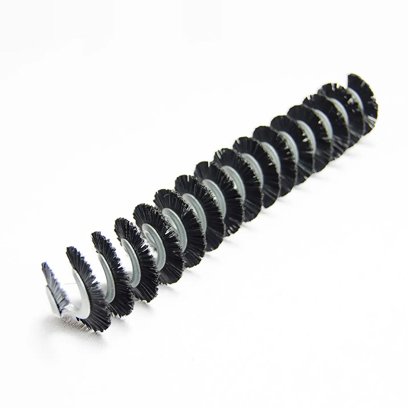
Properly installed Straight Strip Brushes fix all of these problems at the same time. While rigid (hard) rubber seals cannot conform to an uneven surface and tend to create too much drag/friction when in contact, a brush-type seal can conform to any surface while in contact without creating excessive drag/friction. Anyone who understands how the brush seal works will understand why they are better than utilizing a rigid rubber weather seal.
How a Weather Seal Brush Performs in Harsh Conditions
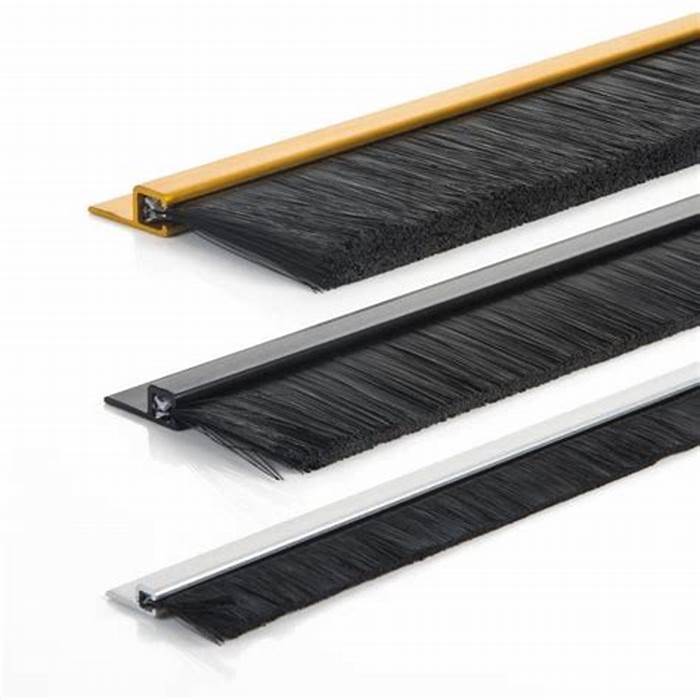
Bristle Density and Contact Pressure
The density of the bristle packing affects the ability of a weather seal brush to stop fine particles from passing through. Quality versions usually contain tightly packed filaments that overlap at the tips, put together to create an almost continuous barrier. This allows for smooth opening and closing of the door, while still preventing dust from blowing underneath when it is windy.
Material Resistance to UV and Moisture
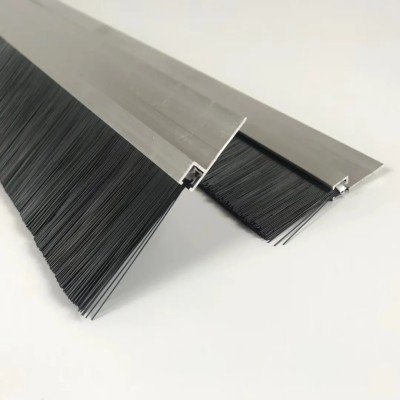
Weather exposed, the seals on the exterior of a building can face extreme variations of temperature, sunlight exposure, and moisture exposure. When used outside, nylon bristles have strong resistance to UV degradation and are therefore often preferred for outside applications. Nylon Bristle Door Brush Seal will maintain both their structural integrity and their flexibility over a wide range of temperatures between freezing winter conditions and extremely hot summer conditions.
Adaptability to Uneven Surfaces
Several commercial doors are installed on sloped or uneven flooring. Weather seal brushes are able to both conform and maintain contact even if the surface of the door is not level. This ability to adjust to variances allows the brush seal to have a distinct advantage over rigid gaskets, which can leave large gaps due to uneven threshold conditions.
Key Features to Consider Before Buying
To ensure that you are selecting a quality weather seal brush, it is important that you compare multiple criteria related to the technical specifications. The table below provides a comprehensive list of all the major things that should be compared when evaluating seal brushes by procurement professionals.
| Features | Importance | Suggested Specifications |
|---|---|---|
| Material | affects durability and UV performance | nylon 6 or nylon 612 |
| Bristle Length | must match the application gap size | 10 mm to 50 mm (application dependent) |
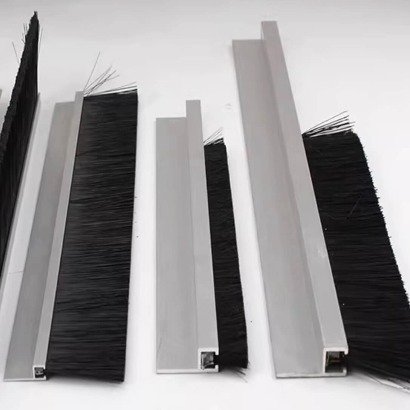
| Support | affects mounting method and brush stability | aluminum or stainless steel channel |
| Density | controls dust exclusion ability | ≥ 80% fill density |
| Operating Temperature | maintains performance in extreme climates | −40 °C to +120 °C |
In order to counteract possible corrosion of backing materials used in desert and coastal climates, facilities should utilize backing materials that exhibit good resistance to corrosion. Many facilities can benefit from having a metal channel strip brush providing extra durability at the locations most exposed to errant weather.
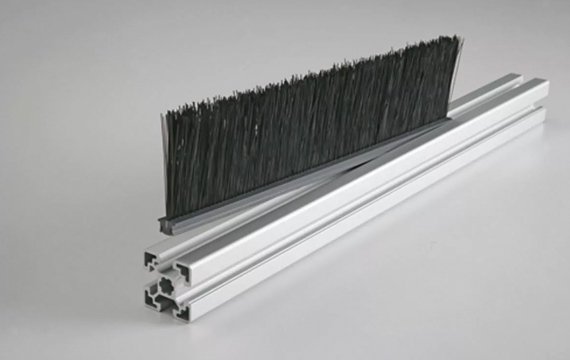
There are numerous situations where weather seal brushes may be useful in an installation, some of which include:
- Block sand and/or debris during warehouse loading operations with a warehouse entry door.
- Prevent wind-driven dust from entering the site by sealing roll-up and sectional doors with a weather seal brush installed along their side tracks and/or bottom edge.
- Cleanroom access points – Prevent particle contamination in controlled environments.
- Retail storefronts – Reduce drafts and improve customer comfort.
Dedicated roll-up door seals (brush seals) are designed for use with all the track-mounted configurations associated with a roll-up door and provide the best seal when used in a roll-up application. Door Bottom Brushes, designed for the lower edge of swing doors, provide a consistent seal at the bottom of the door so that the doors seal properly.
Tips to Achieve Maximum Sealing Performance
Even a high-quality weather seal brush will not perform to its maximum capability when it is installed incorrectly.Follow this structured process for installation to achieve the best results:
1. Measure the width and length of the gap where the weather seal brush will be installed accurately before you place an order.
2. Wipe down the mounting surface to eliminate grease, dust, and existing adhesive material.
3. Position the brush strip correctly so the tips of each piece of bristles will lightly touch the floor — be careful not to overly compress bristles.
4. Fasten the backer channel using screws at intervals not exceeding 200mm.
5. Test the door operation to confirm smooth movement without excessive drag.
A Door Brush Strip Nylon Bristle product with an aluminum channel allows direct mounting (screw) to the accessory. If you are a facility/organization that wants to learn about energy-saving features related to proper sealing, a brush with door seals should be investigated for its energy efficiency impact.
Maintenance and Replacement Recommendations
Routine inspections can help extend the service life of any seal brush installation. Maintenance teams should inspect the condition of brushes every 3-6 months for:
- Bent or flattened bristles that do not make contact with the surface
- Corrosion of the backing channel or loose fit to the door frame
- Gaps between the door and the floor due to misalignment of the door with the floor
Most nylon bristle brushes will provide service for 2-5 years with normal commercial use. Brushes should be replaced earlier in high-volume or harsh environments. Plan to have spare brush lengths available to minimize downtime when replacing brushes.
FAQs
Do the types of brushes included with the weather seal kit work on both indoor/outdoor doors?
Yes, the nylon bristle type can handle sunlight exposure and water, so it is appropriate for exterior doors. The interior applications will also benefit from the dust and draft control offered by the nylon bristle brushes.
How do I measure the gap for my commercial door?
Commercial doors are composed of two components: the door and the threshold. The gap between these two components must be measured carefully to determine the appropriate brush length. Most commercial doors need a bristle length of 15 to 35 mm for the weather seal brush to contact properly with no drag.
Are brush seals better than rubber gaskets?
Compared to rubber gaskets, brush seals offer greater flexibility in adapting to uneven surfaces and have less friction when the door opens or closes. This makes them less likely to wear out the seal or the hardware than rubber gaskets are.