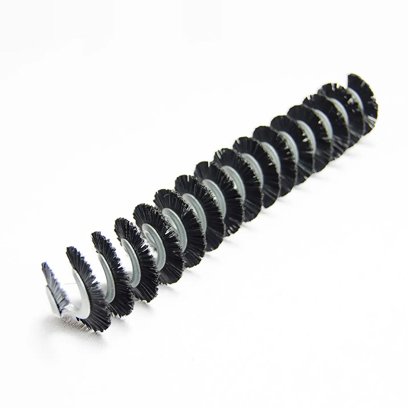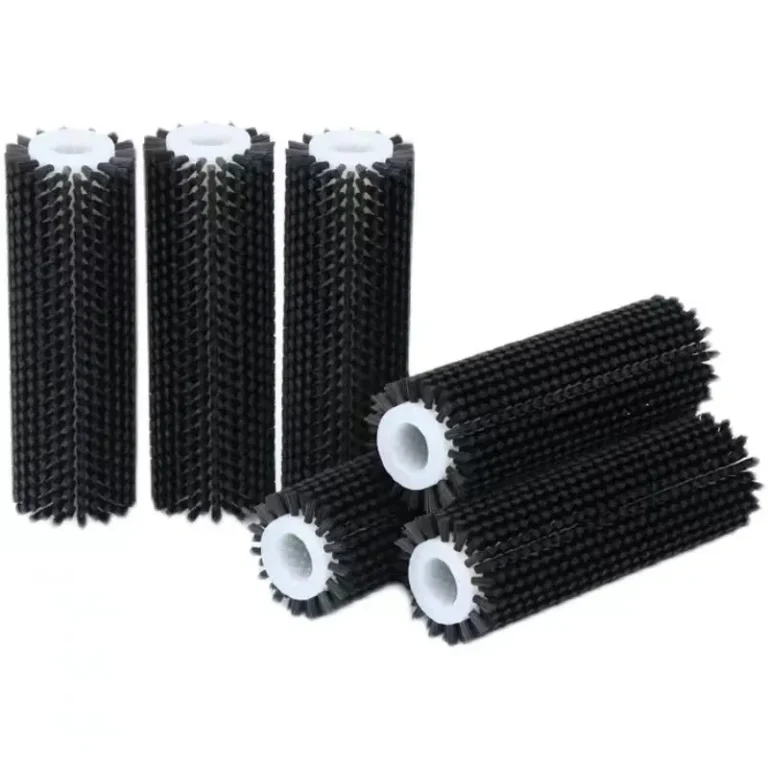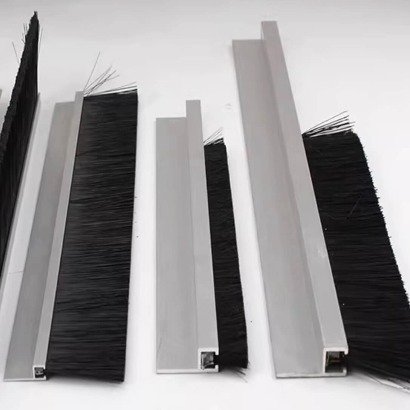
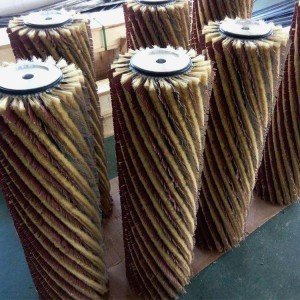
Popularly known as a sand paper brush, the sandpaper brush has now become an essential and integral finishing solution in many types of manufacturing. Many buyers typically think of the use of sandpaper brushes only for wood applications; however, production engineers who are experienced in this area know they have a valid use in metal fabrication and composite preparation prior to bonding, as well as refinishing painted surfaces. The construction of the sandpaper brush is soft and flexible, allowing the bristles to conform to the shape of parts that traditional fixed sanding tools cannot reach, and that is one major benefit that drives their use in all industries where the quality of the surface has a direct impact on the overall value of a product.
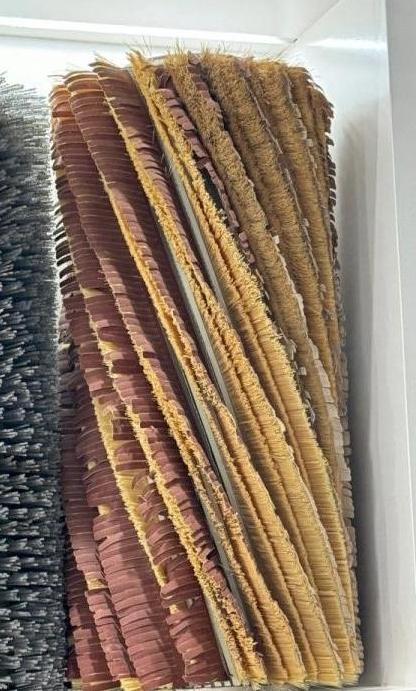
The purpose of this article is to outline the major industries where sand paper brushes are applicable, provide a detailed description of each brush type and its application, and help B2B buyers select the best brush for their manufacturing environment.
Characteristics of Sand Paper Brushes That Help Them Perform Well in Industrial Environments
In industrial applications, three basic characteristics differentiate a sand paper brush from a traditional non-flexible abrasive product:
- Conformability — The brush head flexes around contoured surfaces, maintaining even contact pressure without operator intervention.
- Uniform pressure application — Unlike hand sanding or using a fixed block, a sanding brush applies a consistent amount of force across its entire work surface, which eliminates high spots and minimizes rework.
- Multipurpose capability — Mixed-media configuration creates both an abrasive and a polishing function within the same tool, thereby reducing the overall number of process steps on the production line.
High-volume manufacturing is where maximum production savings can be realized. Small per-unit efficiency gains compound into substantial cost savings across a full production run. Facilities processing thousands of pieces per shift have reported measurable improvements in throughput and first-pass yield after switching to brush-based finishing over rigid abrasives.
Primary Industrial Applications
Wood and Furniture Finishing
Furniture manufacturers represent the largest consumer of sandpaper brushes globally. Production lines use these brushes for grain leveling, sanding sealer between coats, and preparing surfaces before applying stain or lacquer.
The sisal-and-sandpaper mixed-media setup — the most popular furniture polishing brush configuration in the industry — achieves both material removal and final surface polish in a single pass. This combined capability allows cabinet and flooring manufacturers to eliminate an entire processing station from the line.
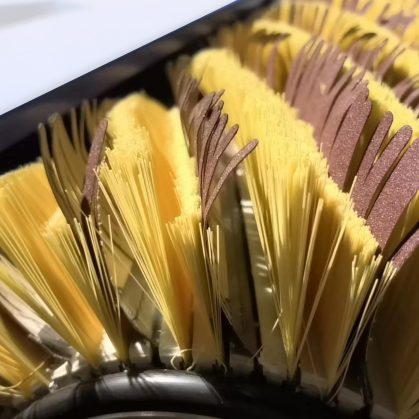
A dedicated wood polishing brush built on this mixed-media design generally handles:
- Smoothing raised grain caused by water-based sealer application
- Smoothing filler on panel surfaces and edge bands
- Creating uniform scratch patterns for consistent stain absorption
Furniture manufacturers purchasing supplies should maintain medium grit (80–120) for leveling and fine grit (180–240) for final finishing. This two-tier approach covers approximately 90% of customer requirements. The sandpaper brush grit guide provides practical grit recommendations based on wood species.
Metal Deburring and Edge Preparation
Metal fabricators increasingly choose sand paper brushes for deburring stamped, laser-cut, and CNC-machined components. The brush conforms to part edges and removes burr material without altering critical dimensions — a problem that grinding wheels frequently cause on precision parts.
Common metal applications include:
- Deburring stamped metal brackets and housings
- Rounding sharp corners on aluminum extrusions for handling safety
- Cleaning oxide build-up and weld discoloration from fabricated assemblies
Steel-core brushes rated for high RPM perform best in these environments. Metal finishing operations generate sustained thermal loads that plastic-core brushes cannot withstand, making steel-core construction the standard choice for production metal deburring.
Composite and Coated Surface Preparation
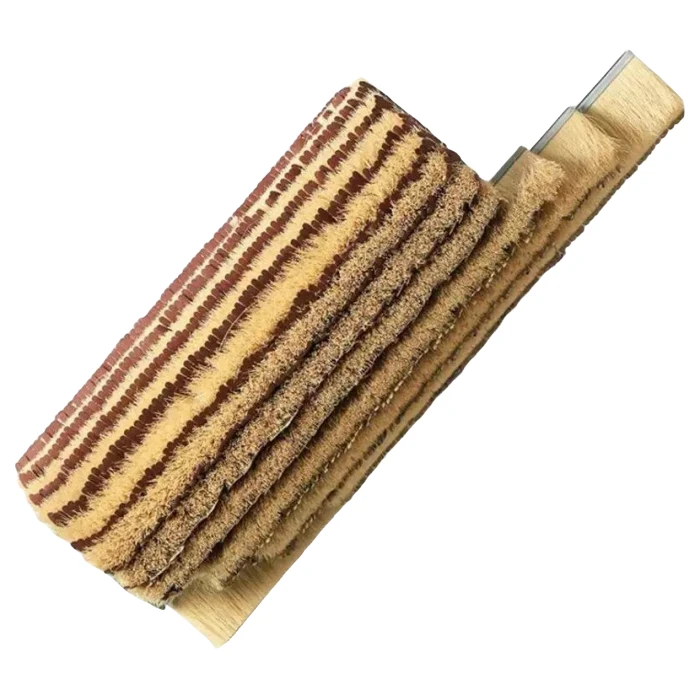
Aerospace, automotive, and marine manufacturers commonly use sandpaper brushes to scuff composite panels and cured coatings before secondary bonding or refinishing. The brush produces a controlled micro-abrasion pattern that creates adequate surface profile for adhesive bonding without penetrating the underlying substrate.
This application requires careful grit selection — too coarse removes structural material, too fine fails to generate sufficient surface profile for bonding. Production teams working with composites typically test multiple grit grades on sample panels before finalizing their production specification.
Selecting the Right Brush Type
The table below summarizes the recommended brush configuration for each major industrial application:
| Application | Brush Configuration | Grit Range | Critical Factor |
|---|---|---|---|
| Furniture leveling & polishing | Sisal + sandpaper mixed media | 80–180 | Sisal-to-sandpaper fill ratio |
| Fine wood finishing | Sandpaper disc / roller | 180–240 | Grit uniformity across face |
| Metal deburring | Sandpaper on steel core | 60–120 | RPM rating and core strength |
| Composite scuffing | Sandpaper cylinder | 180–320 | Controlled abrasion depth |
| Paint prep / refinishing | Sandpaper on aluminum core | 120–180 | Lightweight for automated arms |
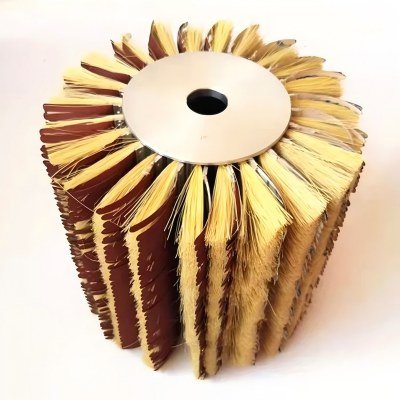
The sisal sanding brush configuration outperforms single-media sandpaper brushes in wood finishing because the process requires both abrasion and burnishing to achieve the final surface quality. For composite and metal applications where burnishing adds no value, single-media sandpaper brushes deliver better results.
Industrial Brush Selection Guidance for B2B Buyers
In order to select the most appropriate brush for any application, a B2B buyer must evaluate and consider four criteria in the following order:
- Part Geometry — Flat parts tolerate rigid tools, while contoured or profiled parts require additional brush flexibility.
- Line Speed and RPM — When using brushes at high speeds, the required qualities of the core material and verified dynamic balancing of the brush become more critically important.
- Targeted Finish Quality — Coarse abrasives can be used for functional preparation; however, decorative surfaces need the use of finer grits.
- Production volume — High-volume lines benefit most from mixed-media brushes that consolidate process steps.
For buyers who will be purchasing sandpaper brushes for multiple manufacturing lines, the sandpaper brush buying guide will assist with specification management and suppliers’ assessments in order to help the buyer determine what they need. If you are still trying to decide which sandpaper brush will work best with your particular equipment, you should first start with selecting the right sandpaper brush for a larger amount of configurations available.
FAQ
Q: Which type of sandpaper brush will work best for removing burrs from stamped sheet metal?
A steel-core brush utilizing 60–80 grit at high RPM will remove burrs but will also contour the part’s edges while maintaining the proper dimensional tolerances found during stamping.
Q: Can one brush handle both sanding and polishing on a furniture production line?
A mixed-media finishing brush combining sisal and sandpaper can level finishes while also polishing them in one step, eliminating the need for a second finishing station.
Q: What grit sizes should industrial distributors stock to serve their manufacturing clients?
Stock 80-grit for aggressive removal, 120-grit for general preparation, and 180–240-grit for fine finishing — these cover most wood and metal applications.