H2: Why Weld Spatter Demands Specialized Cleaning Tools
Spatter resulting from welding processes is an unavoidable by-product. Small particles of metal are created during a weld and get deposited on surfaces around the weld. These particles bond to the base metal, creating an uneven or rough surface finish on the object being produced. This creates an undesirable appearance and can also affect how well the final product functions. Most cleaning procedures used to remove spatter will not provide sufficient surface preparation for fabricators to assemble their components using welding. Therefore, fabricators continue to search for alternative solutions that are more effective in removing spatter prior to assembling their product with welding.
Working with stainless steel and other non-corrosive materials is a challenge for a variety of reasons. First, using cleaning tools that are incompatible with stainless steel may introduce ferrous contaminants, causing stains on stainless steel and negating any benefits of using high-quality materials. The use of stainless steel wire brushes is essential in this scenario as they provide complete cleaning while not affecting the protective nature of the metal.
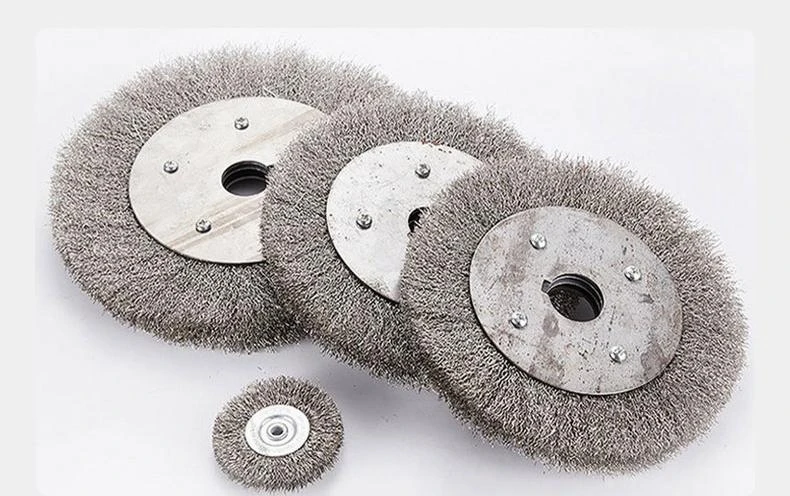
H2: Getting to Know Different Types of Brushes to Remove Spatter
H3: Wheel Brush Configurations
The needs of industrial cleaning tend to be significantly different depending on the application. There are unique advantages to using each design in different applications:
| Brush Type | Most Appropriate Application | Primary Advantage of Brush Type |
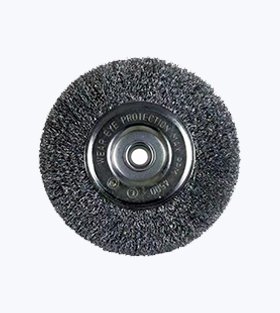
| Stainless Steel Wire Rust Removal Wheel Brush | Heavy spatter and oxidation | Removes spatter aggressively, but does not contaminate the surface |
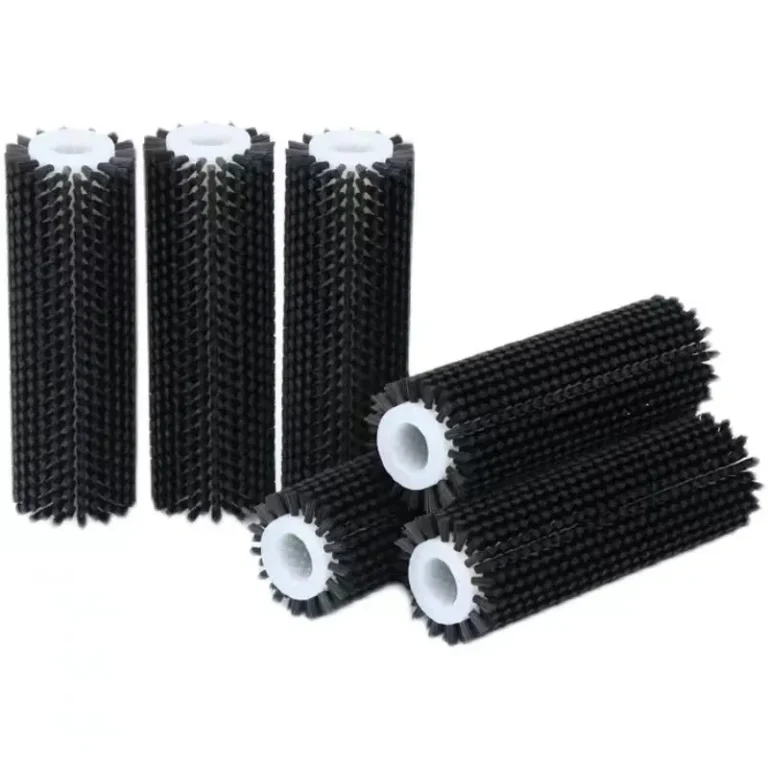
| Drill Polishing Brush | Tight areas with detailed work | Smaller size for easier maneuverability and increased detail work |
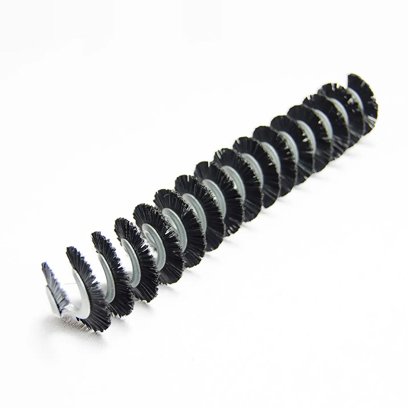
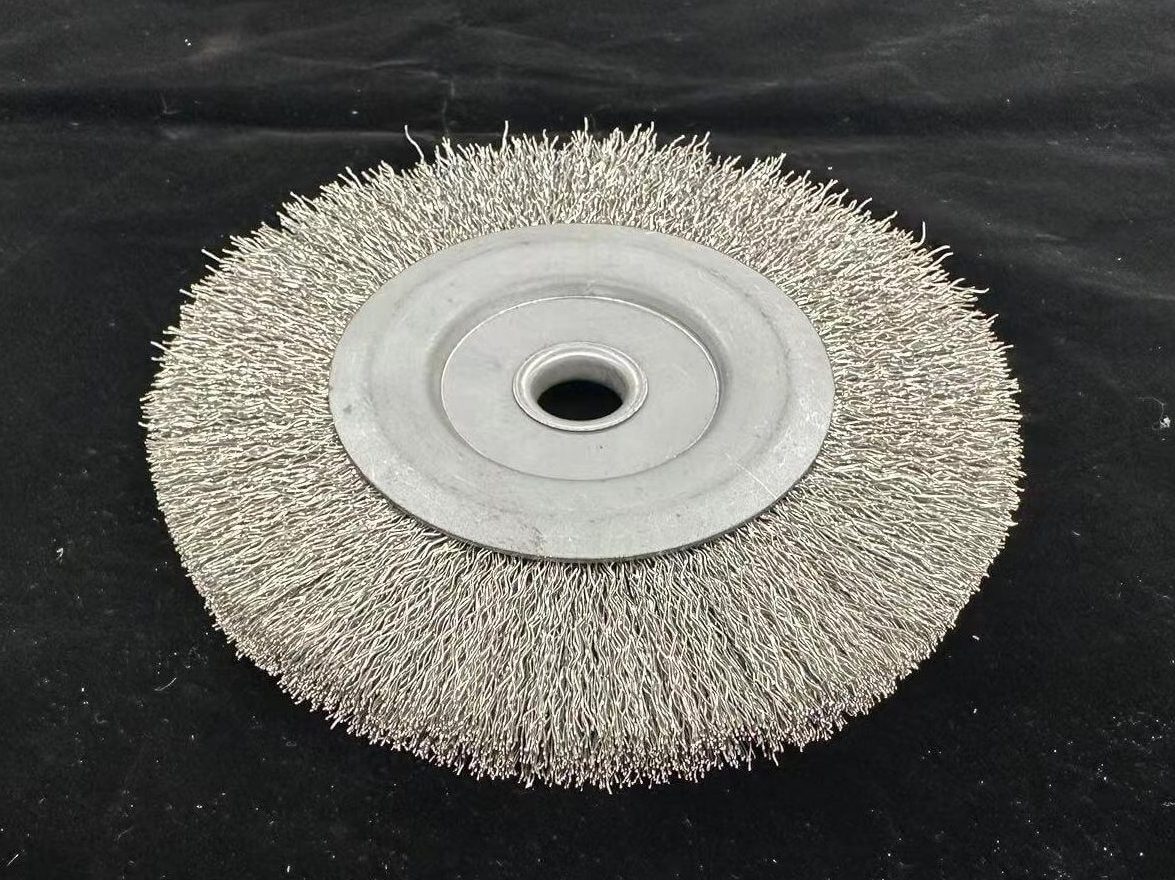
| Stainless Steel Polishing Brush | Final surface preparation | Smooth finish without scratching |
H3: Material Compatibility Matters
A great way to prevent contamination is to choose the right brush material. For example, iron particles are introduced into stainless steel due to carbon steel brushes. The presence of such particles will cause steel to rust; this can lead to a quality issue that may not become apparent until the product has been received by the customer. Experienced fabricators are aware of this risk and therefore will select the proper tooling.
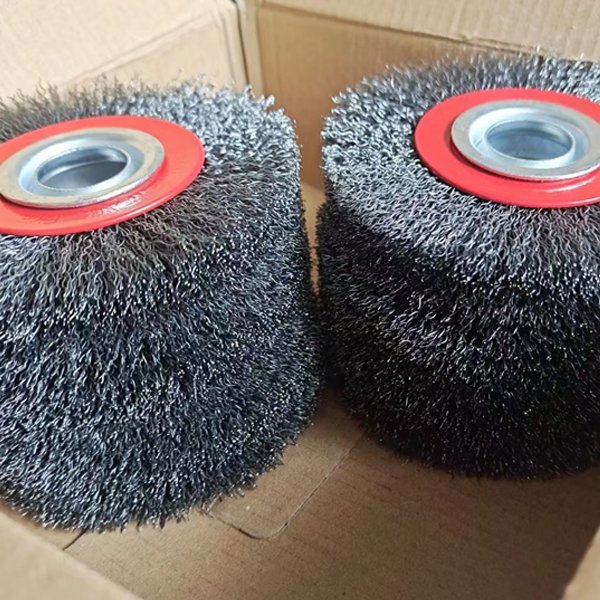
The Stainless Steel Polishing Brush is specifically designed to solve this issue. Its wire type is compatible with most workpiece materials so that no ferrous metal contamination happens while preparing steel surfaces for finishing. This attention to detail is one distinction between professional and amateur facilities.
H2: How to Select a Brush for Your Application
H3: Power Tool Versatility
In modern manufacturing shops, power tools maximize productivity. The Drill Polishing Brush demonstrates this because it fits standard drill chucks, making a good portable tool cleaning station for a drill. Its versatility is also very beneficial when:
- Working with large assemblies that require the use of stationary equipment cannot be moved
- Working in confined spaces where the bench grinder cannot reach
- Requiring field repairs/fabrication
H3: Requirements for Aggressive Cleaning
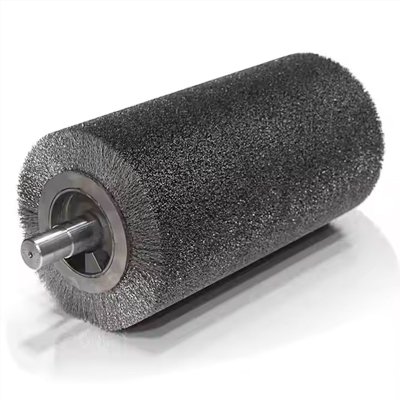
Excessive heavy weld spatter and rust buildup require aggressive cleaning methods. The success of this type of cleaning method will be the Stainless Steel Wire Rust Removal Wheel Brush, giving the cleaning power that is needed while remaining compatible with the material. The dense density of wires and the heavy-duty construction of the brushes can take the abuse of these types of applications for a long time without an unacceptable amount of wear.
To determine which wheel brush suits your requirements, take into account these four factors:
1. The wire diameter and density
2. The diameter of the wheel and size of arbor (always check compatibility with the brush)
3. The maximum RPM of the brush
4. The anticipated service life of the brush
H2: How to Properly Remove Spatter
H3: Safety Considerations
When operating a wire brush, it is critical to be cognizant of the possibility of becoming injured. The proper procedure will ensure that you do not injure yourself or damage your workpiece.
- You should wear safety glasses and face shields at all times while operating a wire brush
- Prior to brushing, always securely hold your workpiece
- Maintain appropriate tool speed—excessive RPM causes wire breakage
- Apply moderate pressure—forcing the brush reduces effectiveness
H3: Achieving Optimal Results
A systematic approach should be used when removing spatter in an effective manner. Use an aggressive brush that is designed for the specific type of material you are working with to start, then move through all of the progressively finer options before polishing the surface. This staged process is intended to remove heavy amounts of material efficiently while also providing the end result that you are looking for. Understanding the features of stainless steel wire brushes will help operators choose the appropriate tools and techniques for the application. Consideration should be given to the wire stiffness, density, and mounting arrangement when determining how to clean and how to achieve a desired surface finish.
H2: Maintenance and Tool Longevity
Although maintaining metal wire brushes requires little work, proper care does provide an advantage. In addition to providing proper care, regular inspections can help you find worn brushes before they affect the quality of your project. As most wire breakage occurs gradually, replacing brushes before they break can prevent damage to the surface of your work because of broken wire ends. The manner in which you store your brushes can also affect how well they work. The best way to ensure that they will last as long as possible is to keep them dry and free from physical damage. While stainless steel is generally less susceptible to corrosion than carbon steel, proper storage should be part of your general practice.
H2: Cost-Effective Solutions in Industrial Settings
Many companies, especially those on a budget, will consider the initial investment in their tools as a concern. However, the right brush can provide great savings in time and money when you account for long-term benefits such as:
- Reduced labor hours spent preparing surfaces for work
- Eliminating the need to redo previously completed work due to contamination or other issues
- Length of service life when compared with lower quality options
- The improved quality of the end product
In choosing stainless steel wire brushes for their projects, fabricators are not just buying a consumable but making an investment in reliable, consistent results. Making this paradigm shift can also assist in justifying selecting better quality tools.
H2: Complete Finishing System Integration
Spatter removal is only one part of a holistic approach to finishing metals. Successful finishing operations require a full spectrum of individual processes that include:
1. Removing initial spatter/slag
2. Rust and oxidation cleaning
3. Smoothing/preparing surface
4. Final polishing/coating application
Each step of the finishing sequence requires the right combination of tools and methods. Due to the versatility of modern brush technology, facilities can limit the number of different types of brushes they require while providing capabilities across multiple applications.
FAQ
Q: Can stainless steel wire brushes remove heavy rust from carbon steel?
A: They will remove rust effectively without contaminating. Carbon steel wire brushes will work faster on carbon steel surfaces when there are no contamination concerns relative to that particular application.
Q: When do I need to replace my wire brushes?
A: Replace wire brushes when the length of the wires is down to half of what it was before (50% reduction). At that point, you are no longer effectively cleaning the surface. Different applications have different expected lifespans. Use proper usage techniques to extend the life of your stainless steel wire brushes.
Q: What RPM should be used with wheel brushes?
A: Don’t exceed the manufacturer’s specifications noted on the brush for RPM. Higher than the specified RPM may cause wire failure (as well as dangerous wire breakage) and result in premature brush failure. The safe operating range for most wheel style brushes is 4,500 to 6,000 RPM.