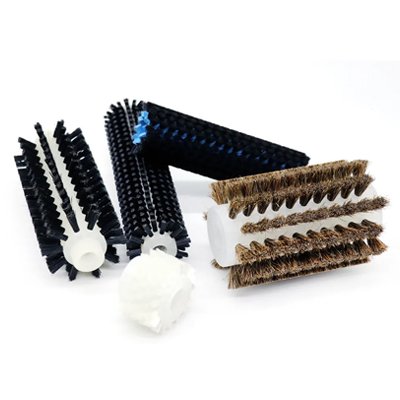
Spiral roller brush technology helps workers with hard cleaning jobs in factories. These roller brushes clean dirt from big machines. They can also reach small corners easily. Teams save time and energy because the brushes clean fast. They leave surfaces very clean.
Spiral roller brush design & features
Core materials
Roller brushes use tough materials for hard cleaning jobs. Factories often pick electroplated steel or stainless steel for the backing. These metals do not rust and last for years. The bristles can be synthetic fibres, wire, or natural hair. Some roller brushes have antistatic or flame-retardant bristles for special uses. The table below shows what factories often choose for spiral roller brush construction:
|
Backing Material |
Fill Material Types |
|---|---|
|
Electroplated Steel |
Synthetic, Wire, Natural Hair, Antistatic, Flame Retardant |
|
Stainless Steel |
Synthetic, Wire, Natural Hair, Plant Fibre, Antistatic, Flame Retardant |
Unique spiral structure
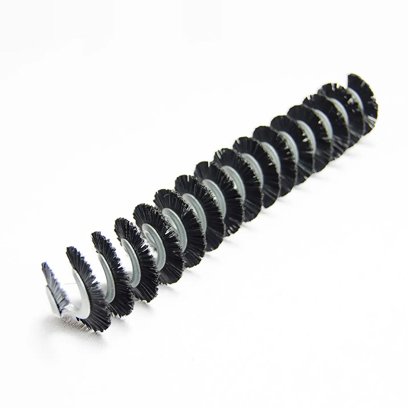
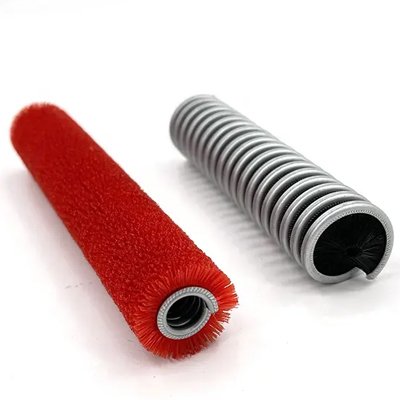
The spiral roller brush is special because of its smart shape. Five rows of bristles twist around the middle part. This helps sweep away heavy dirt. Spaces between the rows let dirt fall out fast. The spiral shape puts force on a small area, so it cleans bumpy surfaces well. Workers say spiral strip roller brushes reach corners and cracks easily.
Tip: Spiral roller brushes are good for cleaning and polishing, even on rough or uneven surfaces.
Customisable brush options
Factories sometimes need special brushes for different cleaning jobs. Roller brushes come in many shapes and sizes. Some have bristles made from natural or man-made fibres. Others use wire or phosphor bronze for special jobs. Companies can buy new rollers, covers for shafts, or fix old rollers. The table below shows some popular choices:
Tufted roller brushes also give more choices for cleaning needs. With so many options, roller brushes work for almost any industrial cleaning job.
|
Material Type |
Options Available |
Applications |
|---|---|---|
|
Bristle Material |
Synthetic fibres (e.g., nylon, polypropylene)、Wire bristles (e.g., stainless steel, brass)、Natural fibres (e.g., house bristle) |
Spiral Brush for cleaning and light polishing tasks, chemicals, heavy-duty cleaning, and rust removal. |
|
Brush Size and Shape |
Different diameters and lengths Custom shapes (e.g., cylindrical, conical) |
To fit specific machinery and cleaning areas or for unique cleaning requirements. |
How spiral roller brushes work
Cleaning mechanism
A spiral roller brush uses a clever cleaning method. The bristles twist around the roller in a spiral pattern. This shape lets the brush press down on a smaller area, which helps move heavy dirt and debris. Workers see that the spiral design needs less power to shift large bits of rubbish. The brush sweeps up dust, metal shavings, and even sticky grime. The spiral brush rollers lift and collect debris quickly, making cleaning jobs much easier.
Did you know? The spiral arrangement helps the brush pick up more dirt with each turn. This means less effort for workers and better results for the factory floor.
Angle coverage & surface contact
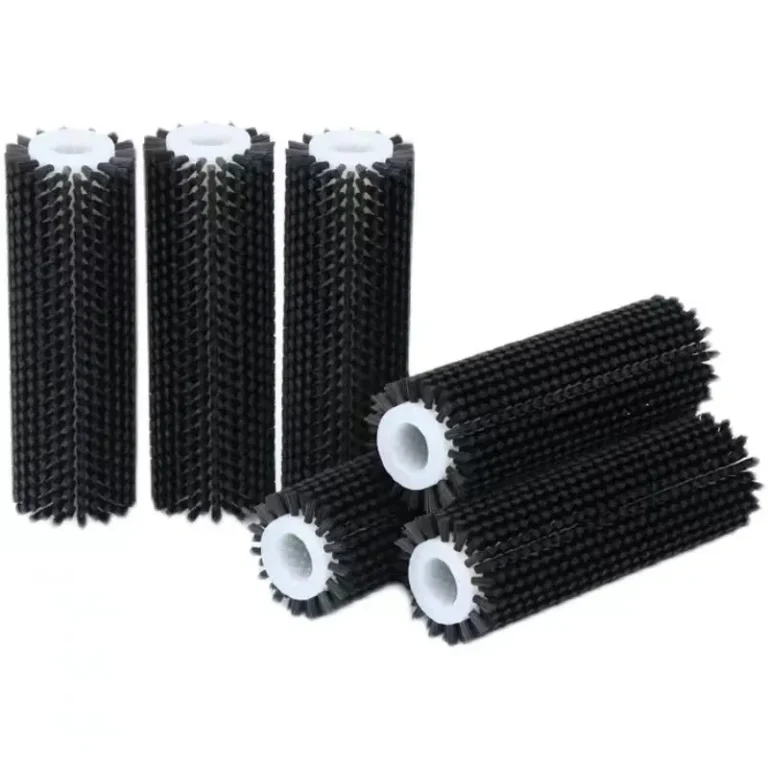
Roller brushes cover many angles when they clean. The spiral shape lets the bristles touch uneven surfaces and reach deep into corners. Spiral strip roller brushes work well on bumpy floors and machines with lots of crevices. The bristles bend and flex, so they clean every part of the surface. Tufted roller brushes with split core can also adjust to different shapes, making them perfect for tricky spots.
Factories use roller brushes in both automated and manual cleaning. Machines with custom brushes sweep conveyor belts and large equipment. Workers use hand-held roller brushes for smaller jobs. This flexibility means every area gets cleaned, no matter how awkward or tight.
Debris removal efficiency
Roller brushes remove debris fast and thoroughly. The spiral design pushes dirt out of the way and lifts it off the surface. As the brush spins, spaces between the bristle rows let rubbish fall away. This keeps the brush from clogging and helps it work longer without stopping. Tufted roller brushes grab fine dust and larger bits, so floors and machines stay clean.
Custom brushes can be made for special cleaning tasks. Some have stiff bristles for tough jobs, while others use softer fibres for gentle cleaning. Factories choose the right roller brushes to match their needs, making cleaning quick and efficient.
Tip: Regular cleaning with roller brushes keeps machines running smoothly and helps prevent breakdowns.
Roller brushes: applications & advantages
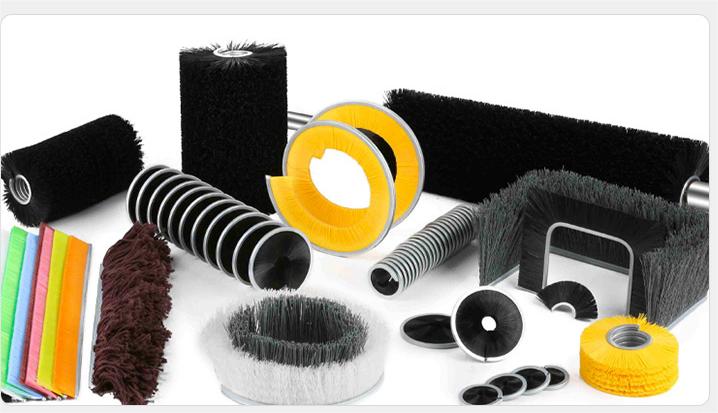
Key Uses in Metal & Woodworking
Roller brushes are important in metal and woodworking factories. Workers use them to clean and polish surfaces. They also help get surfaces ready for other work. The table below shows how different industries use these brushes:
|
Industry |
Application Description |
|---|---|
|
Industrial Brush for Surface Cleaning |
Removes dust, debris, and contaminants efficiently, ensuring a clean surface. |
|
Industrial Brush for Polishing |
Provides a smooth finish, enhancing the appearance and quality of the material. |
|
Industrial Brush for Edge Deburring |
Smooths rough edges, reducing the risk of injury and improving product quality. |
Spiral roller brushes reach tight spaces and clean rough areas. Tufted roller brushes are good for polishing wood and metal pieces.
Key benefits of cleaning
Roller brushes have many good points for cleaning in factories. They help workers save time and do less hard work. Jobs finish faster because brushes clean big spaces quickly. Custom brushes can be used for different jobs, like dusting, cleaning filters, and wiping. Factories use roller brushes for:
-
Cleaning conveyor belts and machines
-
Sweeping floors and taking away dust
-
Polishing metal and wood surfaces
-
Waxing and anti-static protection
Cleaning with roller brushes often keeps machines working well and stops breakdowns.
Tip: Picking the right roller brushes for each job makes cleaning easier and gives better results.
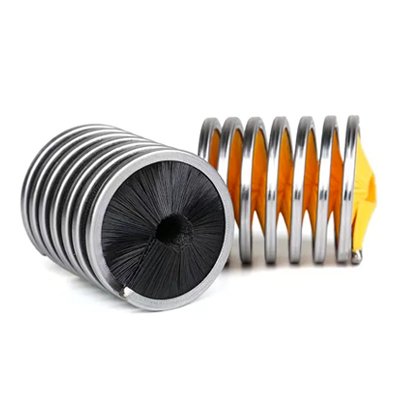
Enhancing Efficiency in Conveyor Systems
Factories use roller brushes to keep conveyor systems clean. These brushes clean all the time, so belts and rollers stay free from dirt. Workers have less downtime because the brushes are easy to look after. Roller brushes take away things that could harm conveyor belts. They also help clean surfaces like glass and farm products.
-
Cleaning all the time keeps conveyor systems working well.
-
Brushes take away things that can cause harm.
-
Easy care means less downtime and better efficiency.
Roller brushes are used in many industries, like food processing, textiles, and manufacturing. Their ability to do many jobs makes them a smart choice for cleaning.
Spiral roller brushes help factories clean faster and reach tricky spots. They suit many jobs and save workers time. Regular checks keep brushes working well. People should talk to suppliers for advice.
Tip: Choosing the right brush and caring for it boosts cleaning results every day.
FAQ
How often should workers replace spiral roller brushes?
Workers look at the brushes once a month. If the bristles are damaged or cleaning is not as good, they change them. Checking often helps machines work well.
Can spiral roller brushes clean delicate surfaces?
Spiral roller brushes with soft bristles clean things like glass, plastic, or painted parts. They take away dust but do not scratch. Factories choose the best bristle for each job.
Are spiral roller brushes easy to install?
-
Yes, most spiral roller brushes fit normal machines.
-
Workers push them onto shafts and fix them with simple tools.
-
Fast installation saves time.