|
Key Factors for Selection |
Why They Matter |
|---|---|
|
Application Type |
Fits cleaning or handling needs |
|
Brush Material |
Affects how long it lasts and works |
|
Filament Type |
Works best with certain debris or surfaces |
|
Size & Fit |
Makes sure it touches and covers right |
|
System Compatibility |
Stops problems when installing |
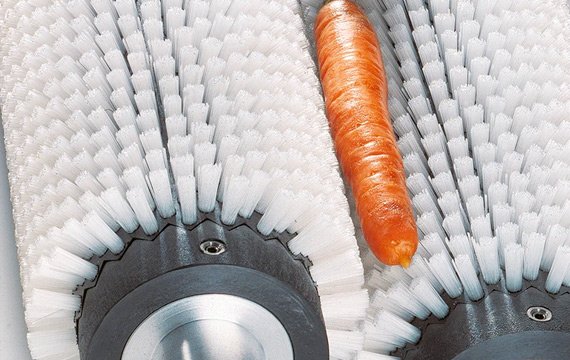
Picking the right conveyor cylinder brush helps conveyors work well. This brush takes away dust and debris. It makes products better and cuts down on repairs. If you pick the wrong one, you may have more stops or spend more money. Every industry needs something different, so suppliers often make special brushes for the best results.
Key Takeaways
-
Pick a brush that suits your conveyor’s job. This helps clean well and stops long breaks.
-
Choose the best brush material for strength and use. Nylon works for many jobs, but metal wire is good for hard tasks.
-
Make sure the brush fits and covers the conveyor belt. This stops missed areas and makes cleaning better.
Conveyor Cylinder Brush Selection Criteria
Choose the Right Cylinder Brush for Your Application
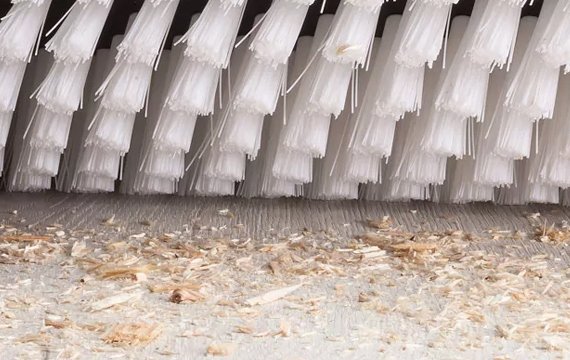
Every conveyor system needs a brush that matches its job. Some brushes clean belts, while others handle products or finish surfaces. When people choose the right cylinder brush, they look at what the conveyor does each day. For example, food factories need brushes that keep belts clean and safe. In car part plants, brushes remove tough debris to stop breakdowns. The types of industrial brushes used depend on the task—cleaning, deburring, or polishing. If someone wants the best results, they should talk to suppliers who know about custom solutions. These experts help match the brush to the conveyor’s needs.
Tip: Always check if the brush is made for your conveyor’s job. This saves time and keeps the system running smoothly.
-
Cleaning tasks need brushes with strong bristles.
-
Delicate jobs, like fruit polishing, need softer brushes.
-
Some brushes shield equipment or seal out dust.
Brush Material and Filament Type
Brush material matters a lot. It decides how well the brush cleans and how long it lasts. People often see these main bristle materials:
-
Nylon: Tough and flexible. It works well in wet places and resists chemicals. Nylon suits many cleaning jobs and lasts a long time.
-
Metal Wire: Stainless steel or carbon steel bristles are strong. They remove rust and stubborn dirt. Stainless steel resists corrosion, so it fits food and wet areas.
-
PP (Polypropylene): Light and resists water and chemicals. PP is great for food handling and washing, but not for hot places.
-
Abrasive Wire: These bristles have extra grit. They scrub hard surfaces and help with surface finishing.
-
Sisal: Natural fibre. It is gentle and holds liquids, so it works for dusting and polishing delicate items.
The filament type also affects cleaning and durability. Nylon bristles last longer and handle chemicals. Metal wires work best for tough jobs. PP bristles clean well in harsh environments. Sisal is soft for gentle cleaning. When people choose the right cylinder brush, they think about the surface and the kind of dirt or debris.
Dimensions and Overlap for Conveyor Cleaning
Size and fit are key for cleaning. The brush must cover the whole belt. Experts say the brush should overlap each side of the belt by half an inch. This makes sure no spot gets missed. Bristle density also matters. Brushes with more bristles clean better because they touch more of the belt. For tough cleaning, people pick brushes with high density. For gentle jobs, they use fewer bristles.
-
Overlap helps clean the belt edges.
-
High bristle density means better cleaning.
-
The right size stops gaps and missed spots.
Compatibility with Conveyor System
A brush must fit the conveyor system. If it does not, problems can happen during installation. People check the mounting location and make sure the brush matches the conveyor’s speed and direction. Brushes work best when they move opposite to the conveyor belt. This helps remove more dirt. Some systems need refillable brushes, while others use disposable ones. Safety matters too. Good designs keep debris away from workers.
Note: Always ask manufacturers for advice. They know how to select industrial brushes that fit your conveyor and meet your needs.
People look at the types of industrial brushes available and pick the one that matches their system. Custom options help solve special problems. Strong customer support from suppliers makes the process easier.
Types of Industrial Brushes and Their Uses
Cylinder Brush for Conveyor Cleaning
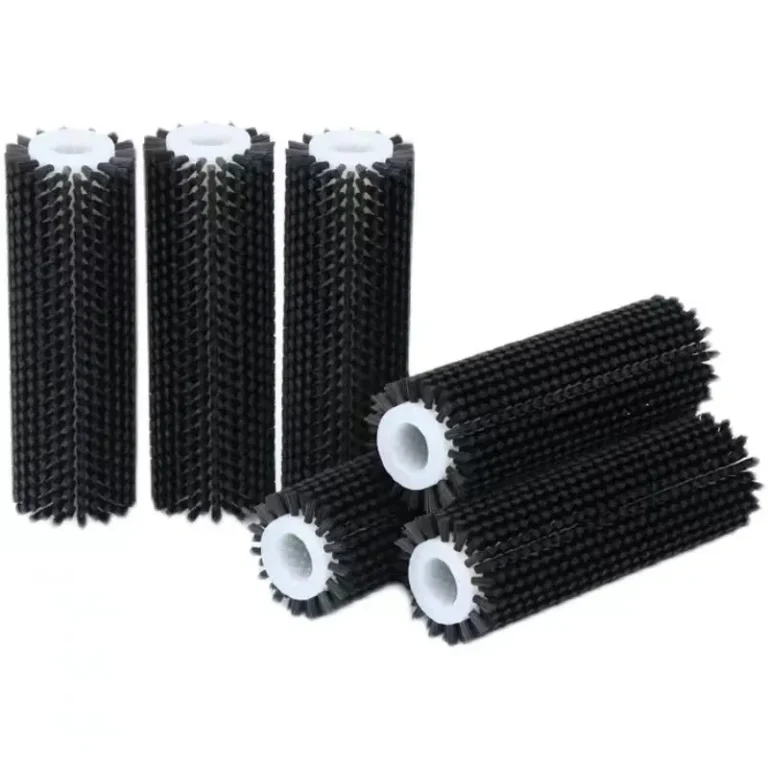
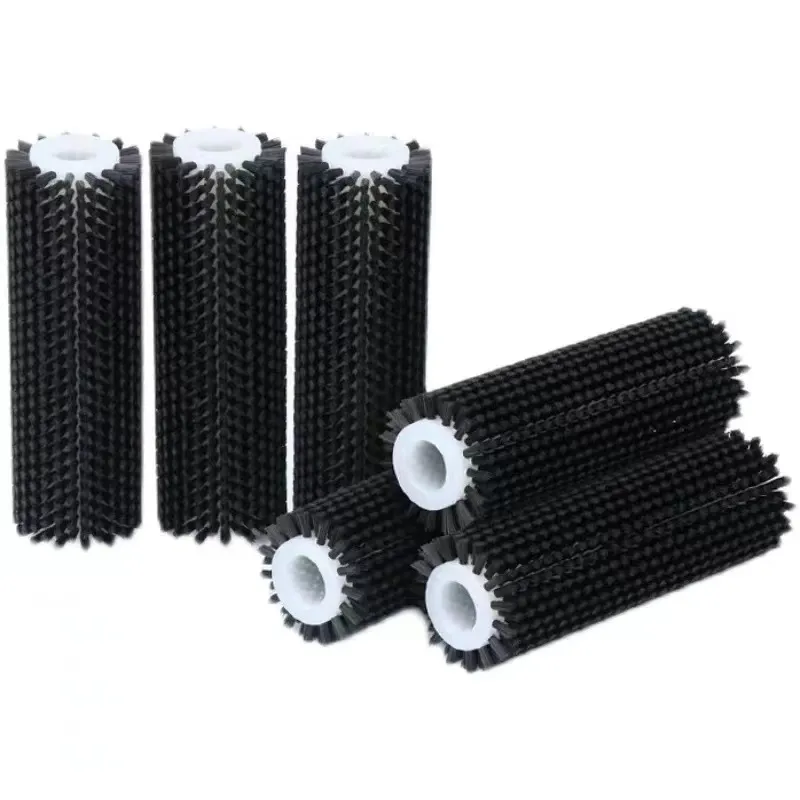
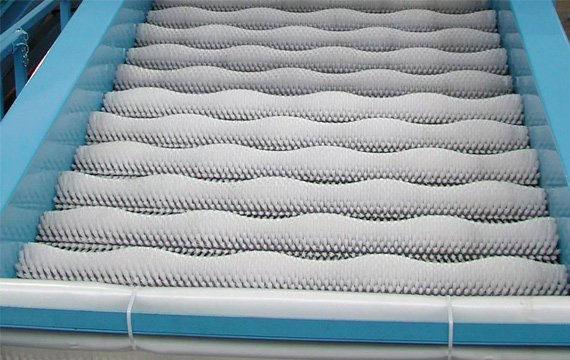
Cylinder brushes are very useful for cleaning conveyors. They work on many surfaces and can do different cleaning jobs. People like cylinder brushes because they clean quickly and last a long time. There are many sizes and bristle types to choose from. This helps users find the right brush for their conveyor. Cylinder brushes also help save money on labour and make work faster. Many factories use them to clean belts, remove dust, and treat surfaces fast.
Cylinder brushes for conveyor cleaning can be made special for certain conveyor systems. This makes them a good choice for both normal and special cleaning jobs.
Select Industrial Brushes for Specific Tasks
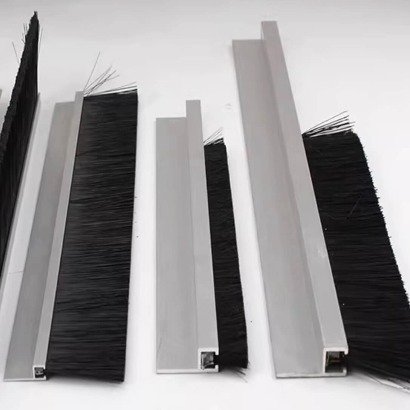
Industrial brushes come in different types for different jobs. Flat brushes, roller brushes, and cylinder brushes all help keep conveyors working. Flat brushes are best for light cleaning and dusting. Roller brushes clean tough stains and rough surfaces. They are used a lot in food factories and machine shops. Cylinder brushes for conveyor cleaning do deep cleaning and finish surfaces. Strip brushes block doors and stop dust, while wheel brushes clean corners and edges.
-
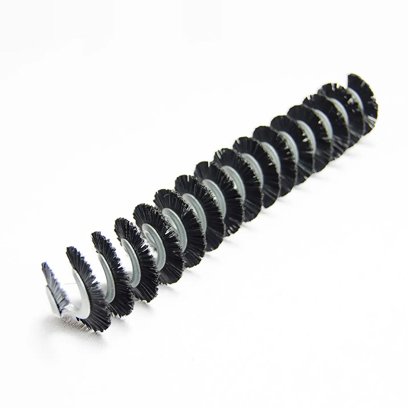
Conveyor cleaning brushes can be spiral coils, spiral-wound cores, strips, or scrapers.
-
Strip brushes and wheel brushes both help stop contamination and keep conveyors clean.
Specialised Brushes for Unique Applications
Some conveyor systems need more than just simple cleaning. Specialised brushes have features like sealing moving parts, lowering friction, and resisting chemicals. These brushes can work in hot or cold places and last a long time. Wheel brushes and strip brushes both help keep products and machines safe from dust and dirt. Factories pick these brushes for jobs that need extra care or special handling.
When choosing a brush, always make sure its features fit the conveyor’s needs. This helps the conveyor run well and stops delays.
Maintenance and Environmental Considerations
Service Life and Frequency of Use
Industrial brushes help conveyor systems work well. The service life of a cylinder wire brush depends on how much it is used and what it cleans. If a factory uses the conveyor every day, the brushes wear out faster. Cup brushes and end brushes also need to be checked often. When workers see worn bristles, they should change the brush. This keeps cleaning strong and stops conveyor damage. Some cylinder wire brush designs last longer, especially for hard jobs. Factories that use industrial brushes for tough cleaning should plan to replace them more often.
Installation and Maintenance
It is easy to install industrial brushes if workers follow the right steps. They should always check the fit before starting. A cylinder wire brush must be straight and tight on the conveyor. Cup brushes and end brushes need to be fixed firmly too. After putting them in, workers should clean the brushes often. Dust and debris can build up and make the brushes work less well. Cleaning the cylinder wire brush helps it keep its shape and strength. If a brush gets bent or broken, it should be changed quickly. This stops bigger problems and keeps the conveyor safe.
Picking the right conveyor cylinder brush helps the conveyor work well. It does not matter if you need to remove dust, process food, or finish surfaces. People must choose the correct brush material and filament for each job and place. This choice changes how well the brush cleans, how long it lasts, and how safe it is. If you think about what the job needs, the brush type, and how to look after it, you can make the conveyor better and stop it from breaking down. For the best results, check what you need in the decision table below. You should also ask suppliers for advice that fits your needs.