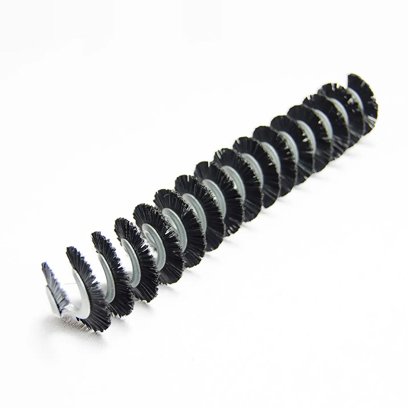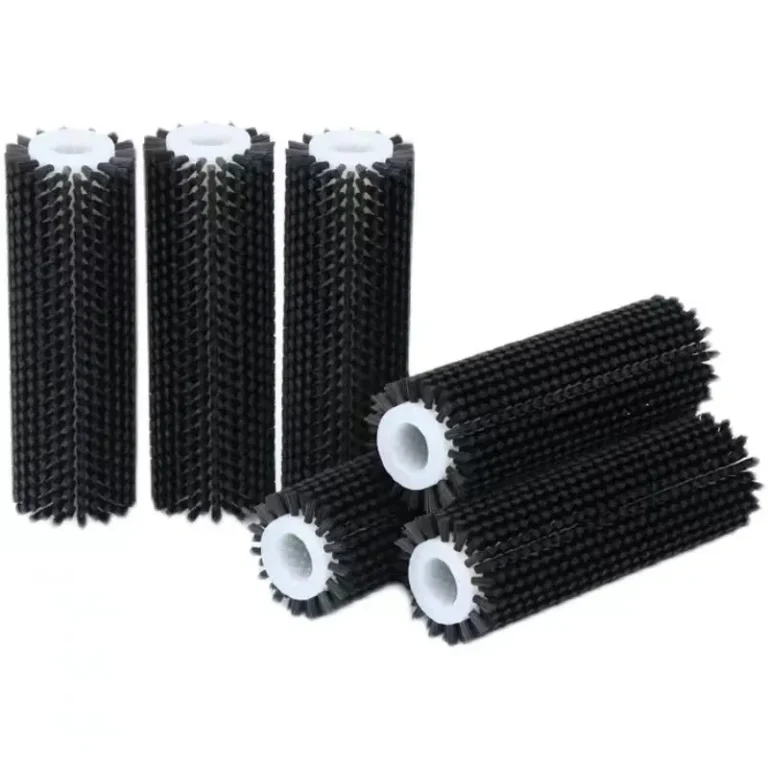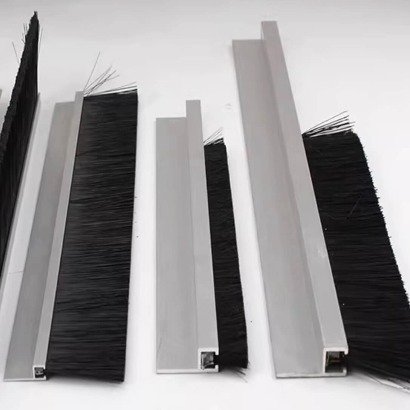
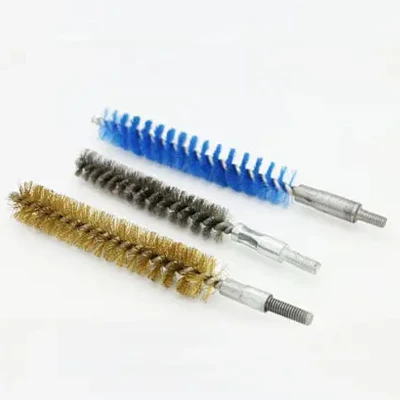
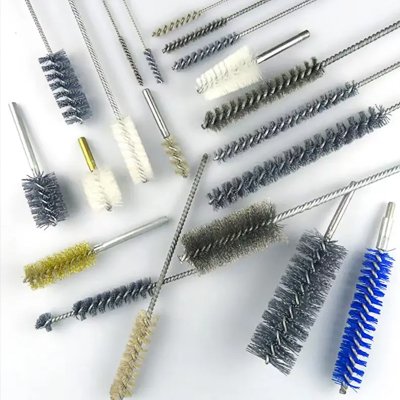
Many industries need good pipe cleaning brush solutions every day.
-
Refineries use them to clean residue from pipelines.
-
Pharmaceutical companies need a copper tube brush for clean places.
-
Food and drink places use a cleaning tube brush to keep things clean.
-
HVAC workers use a nylon pipe cleaning brush to help air and water move well.
Knowing the right brush helps keep things safe, follow rules, and make equipment work well.
Key Takeaways
-
The right pipe cleaning brush cleans better, saves money, and makes machines last longer.
-
Different industries need special brushes to follow safety rules and keep things clean and safe.
-
Picking the right brush material and size keeps pipes safe from harm and cleans them well.
-
Taking care of brushes and changing them often helps tools work well and stops accidents.
-
Following safety rules and teaching workers keeps pipe cleaning safe, works well, and follows the law.
Importance of Pipe Cleaning Brush
Efficiency and Performance
A good pipe cleaning brush is important in many industries. It helps clean pipes well, even if the pipes are complicated. This means there are fewer spots left dirty. Work gets done faster and better. Special brushes and strong materials stop pipes from getting hurt. They also help pipes last longer. When workers pick the right brush and change it when needed, cleaning stays good. This keeps machines running and saves money. Cleaning pipes often stops dirt from building up. If pipes are not cleaned, dirt can use more energy, mess up controls, and wear out machines. Many places now use new brushes with special bristles and tough materials. These new brushes help machines work well, even when the job is hard.
Safety and Compliance
Some industries have very strict safety rules. If cleaning is not done right, big problems can happen, like:
-
Dirty pipes can mix things that should not mix
-
No proof that cleaning is done the right way
-
No written steps for how to clean
-
Not checking cleaning tools and supplies
-
Not enough tests or records to show cleaning works
-
Not cleaning out old stuff from pipes
These problems can make products unsafe and cause recalls. They can also get companies in trouble with the law. Groups like the FDA want companies to have clear cleaning rules and proof they follow them. Using the right pipe cleaning brush helps companies follow these rules and avoid big fines.
Equipment Longevity
Cleaning pipes often with a pipe cleaning brush stops rust and dirt from building up. Clean pipes do not get blocked or rusty as much. This helps water and air move easily. It also makes pumps work less and saves energy. Using the right tools keeps equipment safe and working longer. Studies show that cleaning pipes often saves money and keeps things safe. New tools, like robots and green cleaning ways, help machines last even longer.
Industries That Need Pipe Cleaning Brush

Refinery
Refineries turn crude oil into useful products. Their pipes get dirty from things like paraffins and iron oxides. These things can block pipes and cause rust. Workers use pipe cleaning brush tools and pigging to clean out hard stuff. Chemicals alone cannot clean everything. Using both brushes and chemicals keeps pipes clear. Cleaning often stops pressure drops and keeps pipes safe. This helps refineries run without stopping.
-
Common refinery contaminants:
-
Paraffins
-
Asphaltenes
-
Iron oxides and sulfides
-
Scale (FeO, CaCO3, BaSO4)
-
Coke and carbon deposits
-
Using pipe cleaning brushes helps refineries avoid shutdowns and damage.
Pharmaceutical
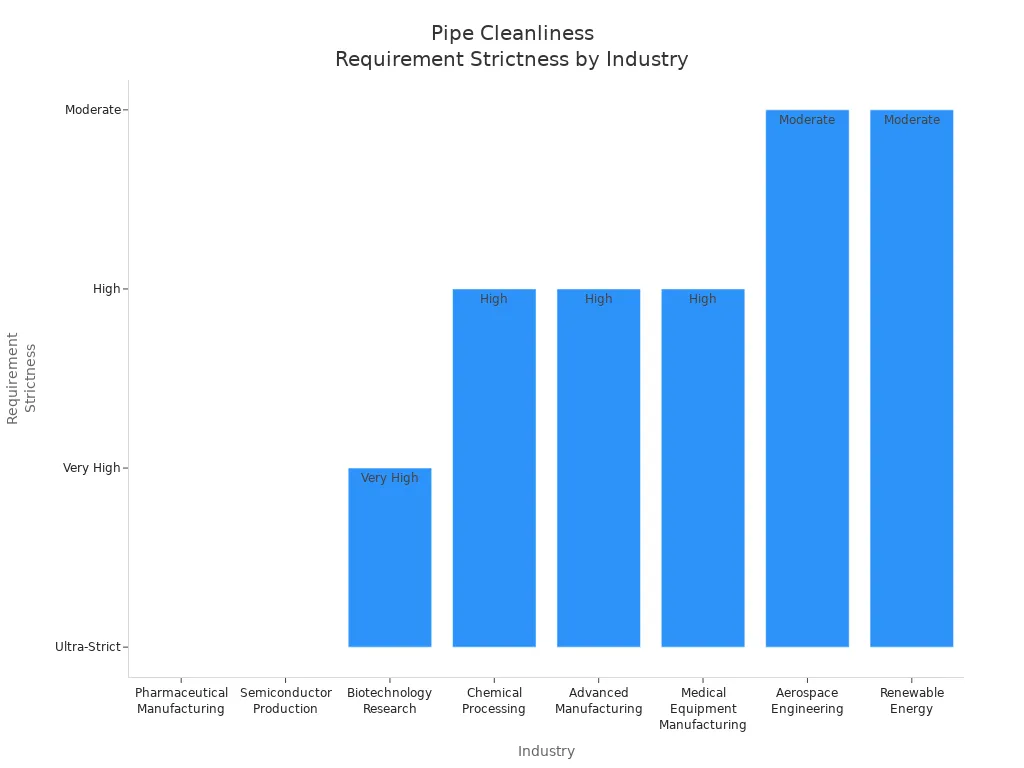
Pharmaceutical plants need very clean pipes to keep products safe. They must follow strict rules like ASME BPE and cGMP. Pipes are made from stainless steel and other safe materials. Pipe cleaning brush tools clean out residue and biofilms inside pipes.
|
Industry |
Pipe Cleanliness Requirements |
Consequences of Non-Compliance |
|---|---|---|
|
Pipes must be very clean for safety and purity |
Dirty pipes can make drugs unsafe |
|
|
Semiconductor Production |
Pipes must be very clean to stop particles |
Dirty pipes can ruin products |
|
Biotechnology Research |
Pipes must be clean for sensitive work |
Dirty pipes can ruin research |
|
Chemical Processing |
Pipes must be clean for safety |
Dirty pipes can cause safety problems |
|
Medical Equipment Manufacturing |
Pipes must be clean for safe devices |
Dirty pipes can make devices unsafe |
Groups like the FDA and EMA check these rules. Not following them can cause recalls, fines, and hurt people.
Pulp and Paper
Pulp and paper mills need clean pipes for pulp, chemicals, and water. Scale and rust can block pipes and slow things down. Pipe cleaning brush tools remove buildup and biofilms. Clean pipes help make good products and keep workers safe. New cleaning ways, like foam cleaning, clean pipes without hurting them. Checking pipes often and training workers helps keep things working well.
-
Key practices:
-
Clean pipes often to stop dust and buildup
-
Check pipes often for rust and damage
-
Train workers to clean safely
-
Food and Beverage
Food and drink plants must keep pipes very clean. Pipes move ingredients, water, and cleaners. Stainless steel pipes stop germs from growing. Pipe cleaning brush tools clean out residue and biofilms. Pipes are made with smooth surfaces and few joints for easy cleaning. Checking and cleaning pipes often keeps food safe.
-
Hygiene standards include:
-
Pipes sealed to keep out pests
-
Clean insulation and covers
-
Pipes sloped to stop pooling
-
Enough space to clean pipes
-
No dead ends or corners
-
Use of Clean-In-Place (CIP) systems
-
Using pipe cleaning brushes often helps food plants stop contamination and fines.
HVAC and Plumbing
HVAC and plumbing need clean pipes for good air and water flow. Dust and dirt can block pipes and slow systems. Nylon pipe cleaning brush tools clean pipes without scratching them. Carbide brushes clean tough spots in plumbing. Cleaning pipes often stops blockages and helps systems last longer. It also makes air cleaner indoors.
-
Benefits of pipe cleaning brushes in HVAC and plumbing:
-
Stop blockages and buildup
-
Keep air and water moving well
-
Make equipment last longer
-
Save energy
-
Industrial Machinery
Industrial machines use pipes for fluids and air. Blocked pipes can cause pressure and break machines. Workers use pipe cleaning brush tools to check and clean pipes. This stops clogs and saves money on repairs. New tech like remote checks helps find problems early.
-
Maintenance challenges:
-
Pressure from blocked pipes
-
Not enough money or workers
-
Need to check and clean pipes often
-
Automotive and Mechanical
Car factories and repair shops need clean pipes for fuel and brakes. Stainless steel pipes are smooth and easy to clean. Pipe cleaning brush tools remove dirt, rust, and oil. Flushing and chemicals help clean pipes more. Clean pipes stop damage and keep cars safe.
-
Common cleaning methods:
-
Power flushing with fast-moving fluid
-
Chemical flushing to clean out residue
-
Tests to check if pipes are clean
-
Clean pipes in cars help them work well and keep people safe.
Choosing Pipe Cleaning Brushes
Material Compatibility
Picking the right brush material keeps pipes and brushes safe. Stainless steel wire brushes are good for cleaning metal pipes in tough places. They do not rust and will not scratch the pipe. Carbon steel brushes clean heavy dirt from strong metal pipes. But they can rust if not coated. Copper wire brushes are gentle and clean soft or special pipes. These are used in semiconductor or brass pipes and do not scratch. Nylon brushes are best for plastic pipes. They stop damage and do not need strong chemicals. Using the right brush for the pipe helps clean well and makes equipment last longer.
Tip: Always check what the pipe is made of before picking a brush. This helps you avoid expensive repairs.
Brush Design and Size
The way a brush is made and its size matter for cleaning. The brush should be as wide as the inside of the pipe or a little bigger. This helps the bristles touch the pipe walls and clean better. Different brushes work for different jobs:
|
Brush Type |
Best Use |
Bristle Material Options |
|---|---|---|
|
Tube Wire Brush |
Cleans inside pipes |
Steel, Brass, Nylon |
|
Hand Wire Brush |
Cleans short or wide pipes |
Steel, Brass, Nylon |
|
Cup Wire Brush |
Cleans pipe ends and outsides |
Steel, Brass, Nylon |
|
Shank Wire Brush |
Cleans tight, hard-to-reach spots |
Steel, Brass, Nylon |
Picking the right brush shape and size stops it from getting stuck or missing dirt.
Maintenance Tips
Taking care of brushes keeps them working well and safe. Workers should wash brushes after using them and keep them dry. They need to check for bent bristles or broken wires before each job. Old or damaged brushes should be thrown away. Using the right speed and pressure with power tools keeps brushes from wearing out too fast. Training helps workers know when to use new tools or change how they clean.
-
Wash and dry brushes after using them
-
Check for damage often
-
Throw away old brushes right away
-
Use the right speed and pressure
Learn more: Maintenance and Care Tips for Industrial Spiral Brushes
Safety Standards
Some industries, like food and medicine, need brushes that do not react with chemicals. These brushes are made from nylon, polypropylene, or stainless steel. They help stop germs and keep things clean. Workers must follow strict rules and write down how they clean to meet laws. Buying good pipe cleaning brushes from trusted companies helps follow rules like FDA GMP and ASME BPE.
Note: Training and certificates help workers learn the newest safety and cleaning rules.
Good cleaning brushes are very important in many industries. They clean up small dust and work on many surfaces. Using them can help companies spend less on repairs. Some brushes can clean themselves, which saves time. These brushes are easy to use with machines in factories. Managers need to check how cleaning is done now. They should plan for regular checks and teach workers the right way to clean. Today, suppliers make brushes that follow tough safety and green rules. This helps companies follow laws and save money for a long time.
FAQ
What types of pipe cleaning brushes work best for stainless steel pipes?
Stainless steel pipes need brushes with stainless steel or nylon bristles. These bristles stop scratches and rust. Nylon brushes are gentle and clean softly. Stainless steel brushes clean off tough dirt.
How often should industries replace pipe cleaning brushes?
Experts say to replace brushes when bristles bend or break. Check brushes often to keep cleaning safe and good.
Can one brush clean all pipe sizes?
No, each pipe size needs a brush that fits. Using the wrong size can leave spots dirty or hurt pipes. Always pick a brush that matches the pipe’s inside width.
Are pipe cleaning brushes safe for food and beverage applications?
Food and drink places use brushes made from FDA-approved stuff. Nylon and polypropylene bristles meet clean rules. Stainless steel handles do not rust.
What safety steps should workers follow when using pipe cleaning brushes?
-
Wear gloves and eye protection.
-
Check brushes before using them.
-
Use the right speed and pressure with power tools.
-
Throw away broken brushes right away.
Safety training helps stop accidents and keeps cleaning working well.