In the field of industrial automation and surface treatment, roller brushes are widely used in key processes such as cleaning, polishing, and dust removal as an efficient tool. However, facing the wide variety of roller brush types on the market, how to choose the material and structure that suits the needs of your industry? This article will focus on nylon rollers and wire brush rollers, and deeply analyze their characteristics, application scenarios, and selection strategies to help companies make the best decision in complex working conditions.
Comparison of material properties: physical and chemical properties of nylon and wire brushes
Nylon rollers: a combination of high elasticity and corrosion resistance
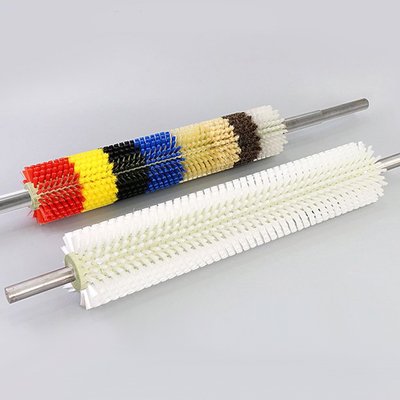
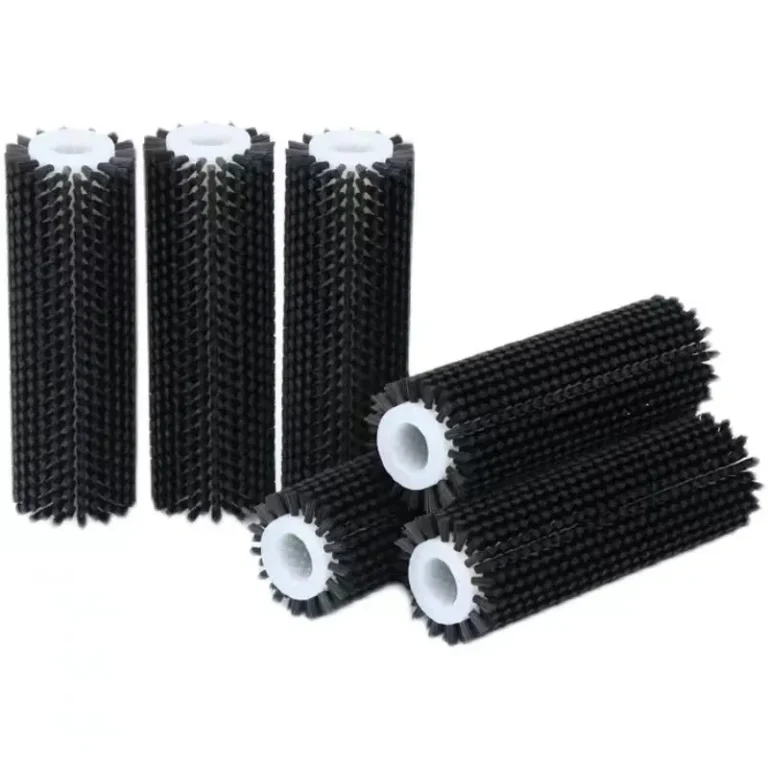
Due to its unique molecular structure, nylon material exhibits excellent wear resistance, high temperature resistance (up to 150°C), and chemical corrosion resistance. For example, food-grade nylon 1010 bristles are non-toxic and pollution-free, and are often used in the cleaning process of food processing equipment to avoid cross-contamination risks. In addition, the high elasticity of nylon bristles makes it outstanding in industries such as glass cleaning and textile printing and dyeing. It can effectively remove surface impurities without scratching precision instruments or fragile materials.
Wire brush rollers: high hardness and strong removal ability
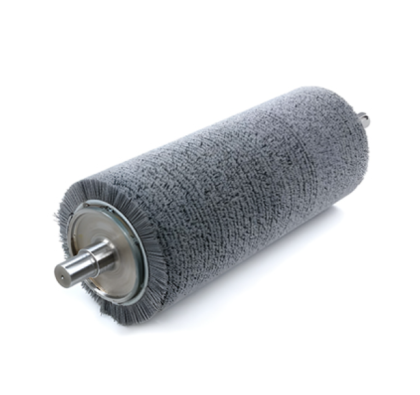
Wire brush bristles are usually made of stainless steel or carbon steel. Their hardness is significantly higher than nylon, and they are suitable for treating stubborn stains such as scale, welding slag, and rust on metal surfaces. For example, in the initial processing of steel plates, the grinding wire brush roller (a type of wire brush) with added diamond can quickly remove the oxide layer through high-speed rotation, while forming a uniform rough surface, laying the foundation for subsequent galvanizing or painting processes. However, the rigidity of wire brushes is strong and may cause damage to soft materials (such as plastic or wood), so they need to be selected with caution.
Nylon roller: suitable for precision cleaning, food-grade environment, and anti-static scenarios.
Wire brush roller: specializes in metal processing, heavy industrial rust removal and high-strength surface treatment.
Industry application scenarios: matching needs can maximize efficiency
Three major advantages of nylon rollers
- Food and medical industry: Food-grade nylon bristles are non-toxic and easy to clean, meet FDA standards, and are often used for cleaning food sorting machines and packaging equipment, as well as precision disinfection processes for medical devices.
- Electronic product manufacturing: Surface dust removal and polishing of precision components such as circuit boards rely on the flexibility of nylon bristles to avoid static damage to sensitive components.
- Textile and glass processing: Highly elastic nylon bristles can efficiently remove fabric fiber debris or scale on the glass surface while maintaining the finish of the material.
The irreplaceability of wire brush rollers
- Metal processing and heavy industry: In steel mills and automobile manufacturing, wire brush rollers can quickly remove carbon scale and rust after steel plate welding, and improve the adhesion of subsequent paint spraying.
- Shipbuilding and military industry: Paint removal and rust prevention of aircraft carrier decks and heavy machinery rely on the high strength and corrosion resistance of wire brushes.
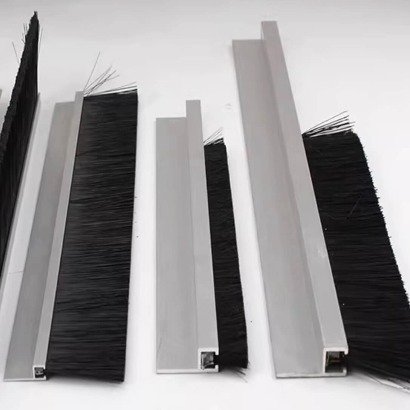
- Environmental protection equipment maintenance: For example, conveyor belt dust removal brushes, steel wire materials can withstand long-term friction and dust erosion, extending the life of the equipment.
Case comparison
A certain automobile manufacturer needs to remove the oxide layer of the steel plate before painting the car body. When using nylon rollers, there is no risk of scratches, but the cleaning efficiency is insufficient; after switching to steel wire bristle rollers containing silicon carbide, the processing speed is increased by 40%, and the coating adhesion is significantly enhanced.
Selection Guide: Four-dimensional evaluation of the adaptability of roller brushes
1. Working environment analysis
Temperature and chemical exposure: Nylon is easy to soften in a high temperature acidic environment, while steel wire bristles are acid and alkali resistant but may rust (stainless steel models need to be selected).
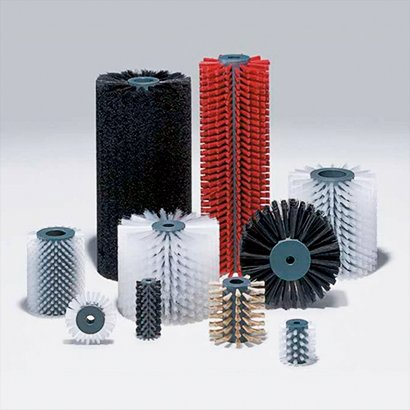
Material hardness matching: For soft metals such as aluminum, bristle rollers (mixed bristle rollers) mixed with nylon and steel wire can be selected to balance cleaning power and protection.
2. Cost and maintenance considerations
Nylon rollers have lower initial costs, but the bristles need to be replaced after frequent use; steel wire bristles have a longer life, but the procurement cost is 20%-30% higher. It is recommended that high-load production lines give priority to steel wire materials to reduce downtime losses.
3. Customized requirements
Some scenarios require special design, such as:
Antistatic nylon roller: used in electronic workshops to avoid static adsorption of dust.
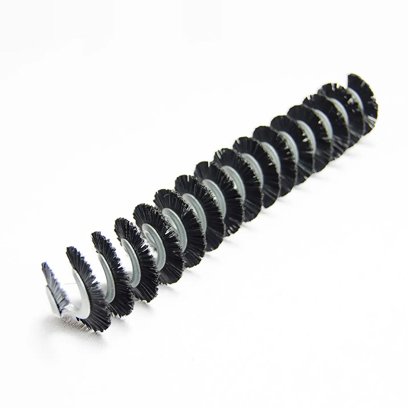
Spiral winding wire brush roller: improve the coverage of curved workpieces.
4. Industry standards and certifications
The medical and food industries must comply with ISO 13485 or HACCP certification to ensure material safety; heavy industry is more concerned about wear resistance.
Reference: Types of Industrial Brush Rollers and Their Applications
Conclusion
Whether it is the flexible cleaning of industrial nylon roller brush or the strong processing of roller wire brush, the essence of roller brush selection is “precise docking of demand and performance”. Enterprises need to break out of the limitations of a single material, combine working conditions, costs and technology trends, and formulate dynamic selection strategies. Only in this way can we use “small bristles” to leverage “big efficiency” in the fierce industry competition and achieve a double breakthrough in quality and efficiency.