
To clean your boat hull, grab a hull cleaning brush and get started. Regular boat hull cleaning keeps your boat looking sharp and running smoothly. Many boat owners notice better speed and fuel use after they clean their hull. Armada Hull Cleaning Brushes make the job easy. These brushes work on any hull and help you clean your boat hull quickly. Anyone can learn to clean a boat hull with the right cleaning brush and a bit of practice.
Key Takeaways
-
Pick the right Armada Hull Cleaning Brush for your boat’s hull. This helps you clean well and stops damage.
-
Clean in steps. First, get your tools ready. Next, rinse the hull with water. Then, put on the cleaning solution. Scrub the hull gently. Remove any tough growth. Rinse again and dry the hull.
-
Put on safety gear like gloves and goggles. This keeps you safe from sharp shells and cleaning chemicals.
-
Clean your boat hull often. Try to do it every 40 days. This keeps the hull smooth and saves fuel. It also stops hard marine growth.
-
Use cleaning products that are good for nature. Throw away dirty water in the right way. This helps the environment and keeps marinas tidy.
Tools for Boat Hull Cleaning
Hull Cleaning Brush Types
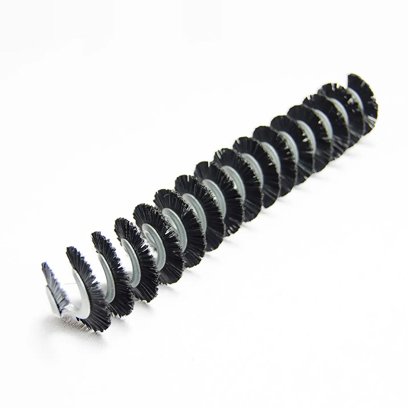
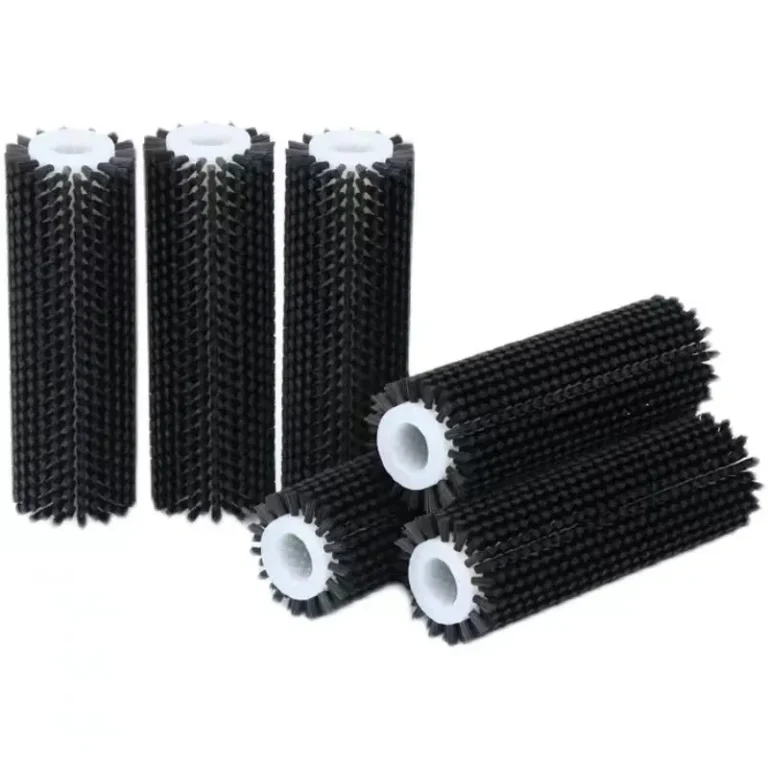
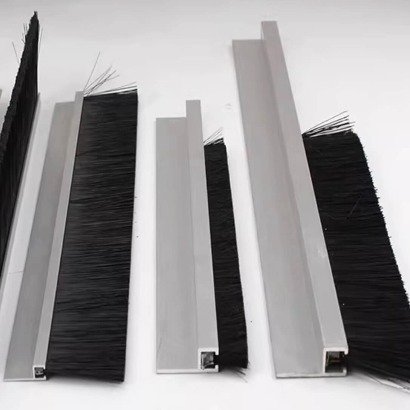
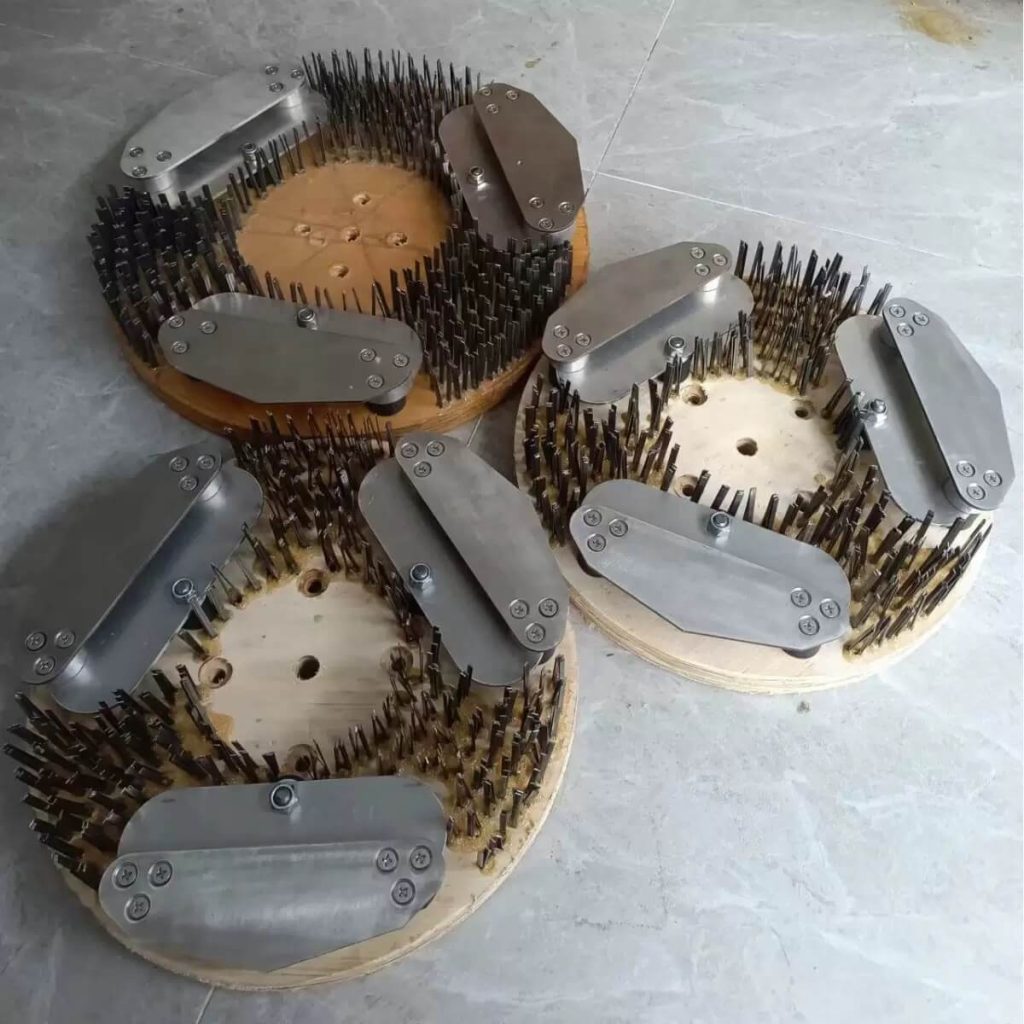
Boat owners need the right hull cleaning brush to keep their boat in good condition. Armada Hull Cleaning Brushes are liked by many people who clean boats. They have many brushes for different hulls and types of dirt. Some brushes are best for light slime, while others can clean off barnacles. Armada has soft silicone brushes for gentle surfaces and flat wire steel brushes for tough jobs. Their brushes come in sizes from 8 inches to 20 inches. This means everyone can find a brush that fits their boat. These hull cleaner products make cleaning faster and easier.
Choosing the Right Brush Material
It is important to pick the right brush material. Soft or medium-soft brushes are good for painted and delicate hulls. Polypropylene and nylon brushes work well on fibreglass, aluminium, and wood. For steel hulls with hard growth, Armada has grit and wire brushes. The right hull cleaning brush stops scratches on the hull. Armada also makes special brushes for unique needs. Using a gentle boat surface cleaning solution helps remove dirt safely. Always use boat hull cleaning supplies that match the hull’s material and how dirty it is.
Safety Gear
Safety is very important when cleaning a boat hull. Gloves keep hands safe from sharp shells and cleaning solution. Goggles stop splashes from getting in your eyes. Protective clothing keeps skin safe from chemicals and dirt. Some people wear a mask if they use strong cleaning solution. Good safety gear helps everyone clean safely. It also stops accidents and makes cleaning easier.
Tip: Always wash your safety gear after cleaning so it is ready for next time.
Boat Hull Cleaning Steps
Preparation
Every good boat hull cleaning starts with preparation. First, they gather all the tools. They pick the right Armada Hull Cleaning Brush for the job. Some brushes work best for light slime, while others tackle barnacles. They also grab gloves, goggles, and protective clothing. Safety comes first. Before they begin, they check the weather. Calm water and good light make the cleaning process easier. They tie the boat securely to the dock. This stops the boat from moving during cleaning. They also make sure to have buckets of fresh water ready. Clean water helps remove debris and stains from the hull.
Tip: They lay out all their cleaning gear before starting. This saves time and keeps everything within reach.
Rinsing the Hull
Next, they rinse the hull with fresh water. This step washes away loose dirt and salt. They use a hose or buckets to soak the hull. Rinsing helps soften any marine growth. It also makes stains easier to spot. They dunk the brush in clean water often. This keeps the brush free from grit and helps avoid scratching the hull. Changing the water often is important. Dirty water can spread stains instead of removing them.
Applying Cleaning Solution
Now, they apply a quality cleaning solution to the hull. They choose a boat hull cleaning solution that is safe for the environment and the boat’s surface. Some people use a spray bottle, while others use a sponge. They cover all areas with the cleaning solution. They let it sit for a few minutes. This helps loosen stains and makes it easier to clean your boat hull. They avoid harsh chemicals. Gentle cleaners protect the hull and keep the water safe.
Note: Always read the label before using any cleaning solution. Some products work better on certain hull materials.
Scrubbing with Hull Cleaning Brush
After the cleaning solution soaks in, they start scrubbing. They use the Armada Hull Cleaning Brush that matches the hull type. For painted or delicate surfaces, they use soft or medium-soft brushes. For tough stains or heavy growth, they use grit or wire brushes. Armada offers custom brushes for special needs. Navy-approved features mean these brushes last longer and clean better. They scrub in small sections. This helps them see progress and makes sure they do not miss any spots. They dunk the brush in clean water after every few strokes. This removes dirt from the brush and keeps the cleaning process smooth.
Tip: Suction cup handles help when cleaning your boat’s hull in the water. They give a better grip and make scrubbing easier.
Removing Stubborn Growth
Sometimes, stains and marine growth stick to the hull. They use special Armada brushes for these tough spots. Flat wire steel brushes remove barnacles and tubeworms from steel hulls. Grit brushes help remove marine growth without damaging the surface. They work slowly and check their progress often. They never use abrasive materials that could scratch the hull. If stains remain, they apply a hull cleaner again and let it sit longer. Patience helps them clean boat hull surfaces without harm.
Final Rinse and Dry
When all stains and growth are gone, they rinse and dry the hull. They use fresh water to wash away any leftover cleaning solution. This step keeps the hull shiny and free from residue. They dry the hull with a soft cloth or let it air dry. A clean boat hull looks great and performs better on the water. Regular cleaning keeps the hull in top shape and makes future cleaning easier.
Remember: Always dispose of dirty water and debris safely. This protects the environment and keeps the marina clean.
Effective Boat Hull Cleaning Tips
Regular Cleaning Schedule
A regular cleaning schedule keeps a boat looking its best. Most experts suggest cleaning the hull every 40 days to stop fouling before it starts. Some boat owners clean their hulls every six months, but more frequent routine cleanings give better results. When they clean often, they remove debris and stains before they become hard to scrub off. Regular cleaning also helps spot any problems early, like cracks or peeling paint. This means repairs stay small and less expensive. A clean hull moves faster through the water and uses less fuel. It also helps prevent engine problems caused by marine growth blocking water intakes.
Tip: Set a reminder on your phone or calendar so you never miss a cleaning day.
Buffing and Protection
After every cleaning, boat owners buff the hull to keep it shiny. They use a soft cloth or a buffing pad to polish the surface. Many people choose a wash ‘n wax soap to clean and add shine at the same time. Once a month, they apply liquid carnauba wax to the hull and gel-coat surfaces. This wax protects the hull and makes it easier to clean next time. In spring, two layers of paste wax give extra protection against stains and oxidation. If the boat sits on a trailer or lift, they clean the bottom just like the sides. Boats kept in wet slips need antifouling paint to stop marine growth.
Environmental Safety
Boat owners care about the environment when they clean. They pick eco-safe cleaning solutions that break down naturally in water. They never use harsh chemicals that could harm fish or plants. After cleaning, they collect all dirty water and debris. They dispose of it in the right place, not in the marina. This keeps the water clean for everyone. Using the right cleaning products and safe habits means effective cleaning without harming nature.
Remember: Always check local rules about cleaning and waste disposal at your marina.
Maintain a Clean Boat Hull
Long-Term Care
Keeping a boat’s hull clean brings many rewards. A smooth hull helps the boat move faster through the water. This means better fuel efficiency and less money spent at the pump. Regular cleaning also stops marine growth from damaging the hull. Over time, this care helps the boat last longer and keeps it looking smart. Many boat owners notice fewer repairs when they follow proper maintenance routines. They check the hull for cracks or peeling paint after each cleaning. Early action on small problems stops them from becoming big issues. A clean hull also means safer trips, as the boat handles better and stays reliable.
Tip: Set up a simple logbook. Write down each cleaning date and any notes about the hull’s condition. This helps track proper maintenance and spot patterns over time.
Common Mistakes to Avoid
Some mistakes can make cleaning harder or even harm the hull. Here are a few to watch out for:
-
Using abrasive tools: Hard brushes or scrapers can scratch the hull. Always pick the right Armada brush for the job.
-
Skipping regular cleaning: Waiting too long lets marine growth build up. This makes cleaning much tougher and can damage the hull.
-
Ignoring safety gear: Gloves and goggles protect against sharp shells and cleaning products. Never skip them.
-
Using harsh chemicals: Strong cleaners can harm the hull and the environment. Choose gentle, eco-friendly solutions.
-
Not rinsing properly: Leftover soap or debris can dull the hull’s finish. Always rinse well with fresh water.
Remember: Small steps in proper maintenance keep the hull in top shape and make every trip more enjoyable.
Cleaning a boat hull becomes simple with the right approach. Here’s what works best:
-
Choose the correct Armada Hull Cleaning Brush for the job.
-
Follow each cleaning step, from rinsing to final drying.
-
Stick to a regular cleaning schedule for top performance.
-
Use eco-friendly products to protect the water.
Armada Hull Cleaning Brushes help every boat owner achieve a spotless hull. Regular care keeps boats looking sharp and running smoothly.
FAQ
How often should someone clean their boat hull?
Most experts recommend cleaning every 40 days. Regular cleaning stops marine growth and keeps the hull smooth. This schedule helps the boat move faster and saves fuel.
Tip: Setting reminders helps boat owners stay on track.
Which Armada Hull Cleaning Brush suits painted hulls?
Soft silicon brushes work best for painted hulls. They remove slime and light fouling without scratching the surface. Armada offers several gentle options for delicate finishes.
-
Soft silicon: Best for paint
-
Nylon: Good for light growth
Can Armada brushes remove barnacles?
Yes, Armada flat wire steel brushes tackle barnacles and tough marine growth. These brushes suit steel hulls and heavy fouling. Owners should use them carefully to protect the hull.
Note: Always check the hull material before choosing a brush.
Is it safe to clean a boat hull in the water?
Many boat owners clean hulls in the water. Suction cup handles help with grip. Safety gear like gloves and goggles protects against sharp shells and cleaning solutions.
-
Gloves: Protect hands
-
Goggles: Shield eyes
What cleaning solution should someone use?
Eco-friendly cleaning solutions work best. They break down naturally and do not harm fish or plants. Armada recommends gentle cleaners for all hull types.
Remember: Always read the label before using any product.