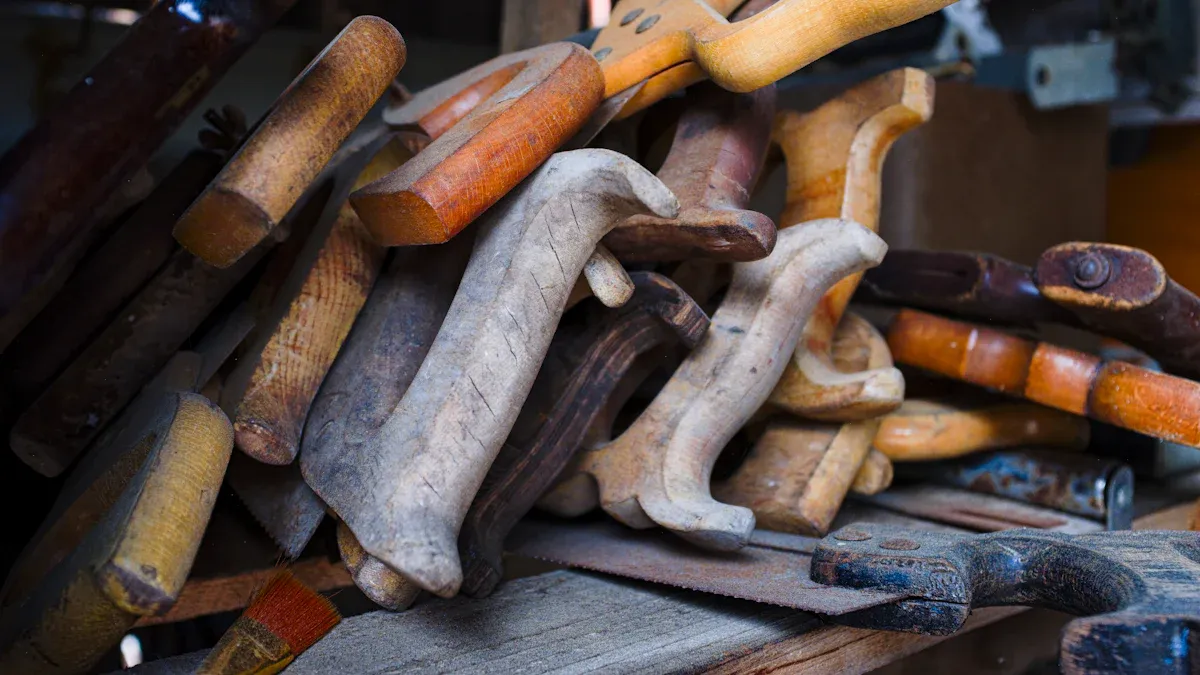
Choosing the best wood polishing tool changes how wood looks. He needs to know what kind of wood he has. He should also decide what finish he wants. He must match these things to what the tool can do. This helps him get a smooth look. Many people think wood polishing brushes are gentle. They work well for new users and experts.
Tip: Always look at the wood before you begin. This step saves time and stops errors.
Key Takeaways
-
Find out what kind of wood you have first. Hardwoods need stronger tools. Softwoods need gentler tools.
-
Pick the finish you want for your project. Gloss, matte, and satin finishes need different tools. Each finish needs a special way to polish.
-
Think about how big your project is. Manual tools are good for small jobs. Power tools help with big jobs and save time.
-
Take care of your polishing tools often. Clean them after you use them. Store them in a safe place. This helps them last longer and work better.
-
Use a checklist to help you pick your tools. Look at the wood type, finish you want, and how often you will use the tools. This helps you choose the best ones.
Choosing a Wood Polishing Tool
Assessing Wood Type
Choosing the right wood polishing tool starts with knowing the type of wood. Hardwoods, like oak, walnut, and mahogany, feel dense and strong. These woods often appear in furniture because they last a long time and look beautiful. Softwoods, such as pine and ash, are lighter and easier to shape. Many people use them for furniture because they cost less and are easy to find.
Before 1900, people preferred walnut, oak, and mahogany for furniture. Today, ash and pine are more common because they are affordable and easy to work with.
When picking a wood polishing tool, he should think about the wood’s grain and how tough it is. Hardwoods need a tool that can handle their strength without causing damage. Softwoods need a gentler touch to avoid scratches. He should also check the age of the furniture and how often it gets used. Older pieces or those used every day might need a softer approach.
A quick checklist helps:
-
Type of wood (hardwood or softwood)
-
Age of the furniture
-
How often the piece gets used
-
Test a small area first to see how the finish reacts
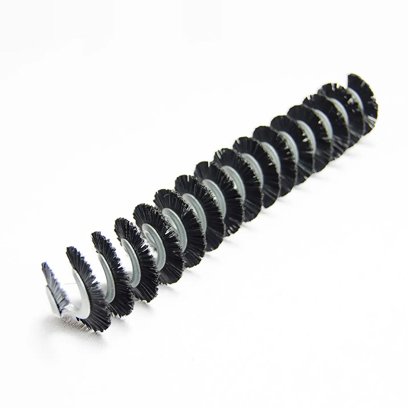
The marshal Furniture Polishing Brush works well on both hardwoods and softwoods. Its mix of sisal fibres and sandpaper strips gives a smooth, scratch-free finish. He can use it on many types of wood, making it a versatile choice for any project.
Deciding on Finish
The finish he wants on his wood changes which wood polishing tool he should use. Some people like a shiny gloss, while others prefer a soft matte or a gentle satin look. Each finish needs a different approach.
|
Finish Type |
Sheen Level |
Application Method |
Polishing Difficulty |
|---|---|---|---|
|
Wax |
Matte to satin |
Cloth or brush, then buff |
Difficult |
|
Hardwax oil |
Matte to satin |
Thin coats with cloth or brush |
Difficult |
|
Shellac |
Clear to orange |
Varies by type |
Moderate |
-
Matte finishes hide marks well but can be hard to clean.
-
Satin finishes need more careful prep and show more blemishes than matte.
-
Gloss finishes look bright but show scratches and dirt easily. They need careful sanding and several coats for a smooth look.
To achieve the desired finish, match the wood polish and tool accordingly. For a high-gloss shine, use a tool capable of polishing evenly and removing all scratches. For a matte or satin finish, a softer touch works best. The marshal Furniture Polishing Brush offers different grit options, allowing selection of the right one for the project. Its design ensures ease of use, even for beginners, and provides long-lasting performance.
Tip: Always prepare the wood surface before polishing. Clean it well and sand it smooth. This step helps the finish look even and last longer.
A good wood polishing tool should feel comfortable to hold, work quickly, and last through many projects. The marshal Furniture Polishing Brush stands out because it is efficient, eco-friendly, and easy to use. He can trust it to give a great result, no matter the wood or finish.
Wood Furniture Polish Options
Manual vs Power Tools
Many people ask which tool is best for wood polish. Manual tools, like hand brushes and cloths, let you control your work. Power tools, such as electric sanders and polishers, finish jobs much faster. Both types have good and bad points.
Here’s a simple look at how they compare:
|
Aspect |
Power Tools Advantages |
Power Tools Disadvantages |
Hand Tools Advantages |
Hand Tools Disadvantages |
|---|---|---|---|---|
|
Speed and Efficiency |
Do jobs quickly with little effort |
Cost more than hand tools |
Cheaper and easy to buy |
Take more time than power tools |
|
Consistency and Precision |
Keep work neat and even |
Need fixing and care often |
Give better feel and control |
Not as even as power tools |
|
Ability to Tackle Harder Woods |
Work well on tough woods |
Make loud noise and lots of dust |
Good for special shapes and designs |
Do not work well on very hard woods |
|
Versatility |
Can do many different jobs |
Can be dangerous if used wrong |
Easy to carry and use anywhere |
Only work for some jobs |
In general, manual tools are good for small jobs or gentle surfaces. Power tools are better for big jobs or hard woods.
Tip: Always wear a mask when using power tools. Dust from these tools can hurt your lungs.
Wood Polishing Roller Brush
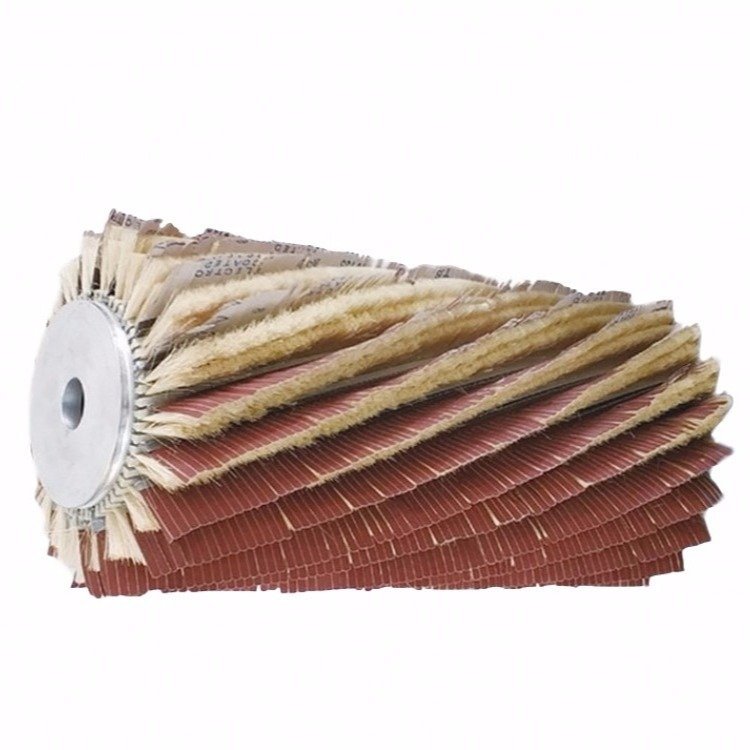
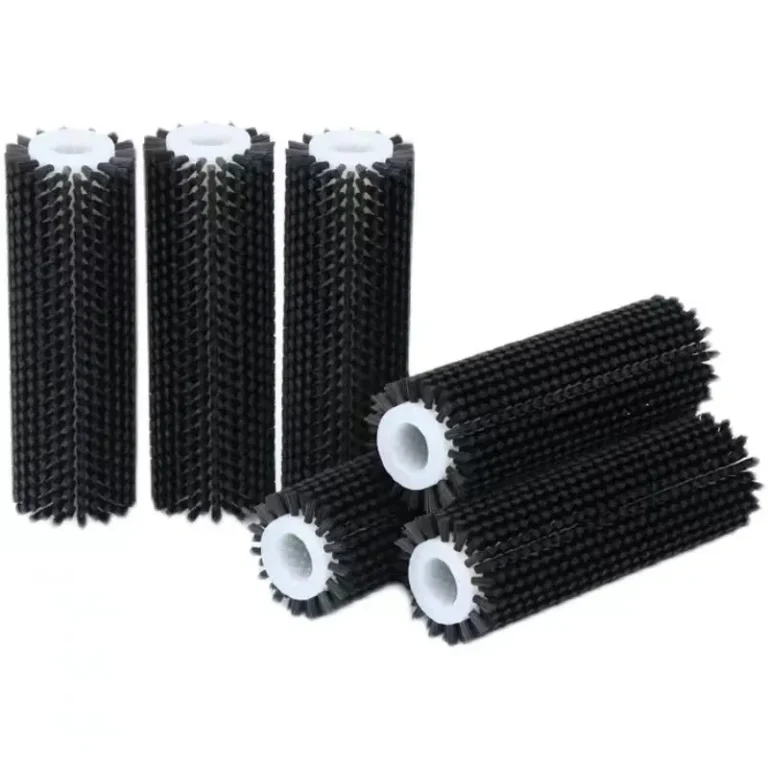
A roller brush is a special wood polish tool. It looks like a tube and fits onto motors or drills. This shape helps polish big areas fast and evenly. People use roller brushes for floors, tables, and cabinets.
|
Feature |
Benefit |
|---|---|
|
Design as roller or cylinder |
Polishes many surfaces well |
|
Mounted on motors |
Gives a smooth finish quickly |
|
Available in cup and disc shapes |
Works with hand drills or power tools |
|
Various sizes |
Fits many polishing jobs |
The marshal Furniture Polishing Brush uses sisal fibres and sandpaper strips. This tool works with both hand and machine sanding. It makes wood smooth and keeps dust low, so it is good for the planet. He can use the brush many times, which saves money and helps nature.
Wood Polishing Disk Brush
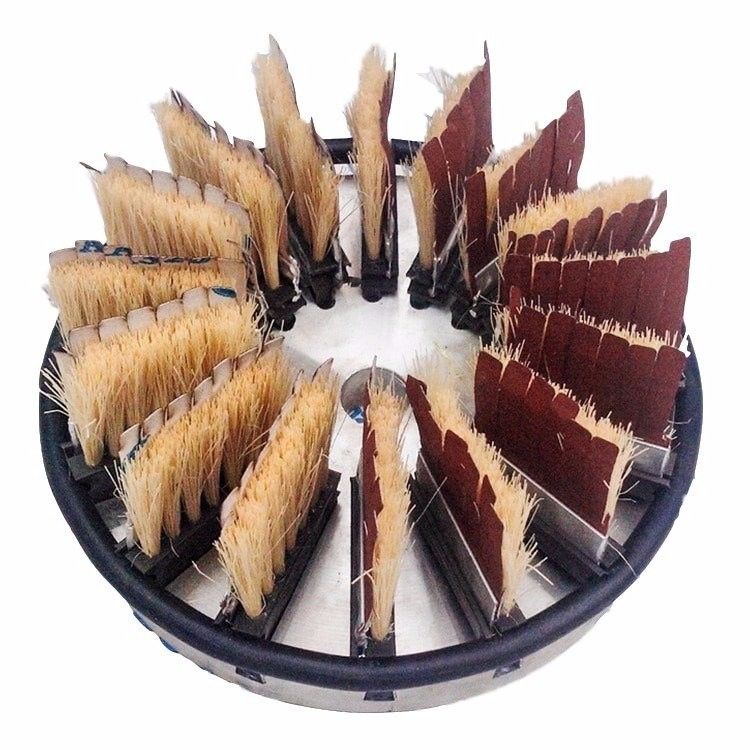
Disk brushes are another choice for wood polish. They are smaller than roller brushes and fit into tight spots. Disk brushes are gentle, so they are good for chair legs or small carvings.
|
Feature |
Roller Brushes |
Disc Brushes |
|---|---|---|
|
Size |
Bigger, good for large areas |
Smaller, good for tight spaces |
|
Power |
Stronger, cleans tough dirt |
Softer, safe for delicate wood |
|
Application Areas |
Used in big places like factories |
Used in shops, offices, and restaurants |
He can use disk brushes for small fixes or last touches. The marshal Furniture Polishing Brush fits many sanders and polishers, so it works for many jobs. Its low-dust design keeps the area tidy and safe.
Note: Clean and store your wood polish tools properly to make them last longer.
Matching Polish to Wood Type
Softwood vs Hardwood
Choosing the right polish and tool depends on whether the wood is softwood or hardwood. He should always check the wood type before starting. Hardwoods, like oak and maple, feel dense and strong. Softwoods, such as pine and cedar, are lighter and softer to the touch. Each type needs a different approach for the best results.
When polishing hardwood, he should pick a polish that matches the floor’s finish. Some hardwoods have water-based finishes, while others use oil or wax. Using the wrong polish can lead to poor results. For softwoods, he should use a gentle polish to avoid scratching the surface.
The grit of the sanding tool also matters. Here’s a quick guide:
|
Wood Type |
Recommended Starting Grit |
|---|---|
|
Hardwood |
P80 |
|
Softwood |
P120 |
-
For hardwoods, starting with P80 grit helps remove shallow scratches and prepares the surface for a smooth finish.
-
For softwoods, P120 grit is gentle enough to protect the wood while still smoothing it out.
-
Wet sanding works best with oil to stop the grain from rising, but most sanding is done dry.
He should always sand with the grain of the wood. This technique keeps the surface smooth and avoids unwanted scratches. The marshal Furniture Polishing Brush offers different grit options, so he can choose the right one for his project. Its design makes it easy to switch between coarse, medium, and fine grits, which helps when working on both softwood and hardwood.
Tip: Always test the polish and grit on a small, hidden area first. This step helps avoid surprises and ensures the best finish.
Finish Types (Gloss, Matte, Satin)
The finish he wants on his wood changes how he should polish it. Gloss, matte, and satin are the most popular finish types for wood furniture. Each one looks and feels different, so he should pick the one that matches his style and needs.
-
Varnish is a strong finish and comes in high-gloss, satin, and flat versions.
-
Matte finishes have very low sheen, usually less than 5 gloss units. They reflect little light and hide scratches well, but they can be harder to clean.
-
Satin finishes offer a balance between shine and durability. They look soft and smooth, making them a favourite for many homes.
When aiming for a glossy finish, he should use a fine grit, such as 180-240, for the final polish. This step helps create a long-lasting shine that stands out. For matte or satin finishes, a medium grit (100-150) works well, especially on softwoods, to avoid over-sanding.
Here’s how the marshal supports different finishes:
|
Grit Type |
Grit Range |
Recommended Use |
|---|---|---|
|
Coarse |
60-80 |
Rough sanding, shaping |
|
Medium |
100-150 |
Smoothing, prepping |
|
Fine |
180-240 |
Final polish, high-gloss |
-
For softwoods like pine, he should use medium grit to keep the surface safe.
-
For hardwoods like oak, starting with coarse grit helps shape the wood, then moving to finer grits for the final look.
He can use the marshal for many projects, from rough sanding to the last polish. Its versatility makes matching polish to wood type simple and effective. By choosing the right grit and finish, he can achieve a beautiful result every time.
Note: Always rub with the grain and use light pressure for the best finish. This method helps the polish soak in evenly and keeps the wood looking its best.
Practical Checklist
Ease of Use
Choosing a wood polishing tool should feel simple, even for someone new to furniture care. He wants a tool that sits comfortably in his hand and gives him control. Handles placed in the right spots help him work with precision. Many tools let users switch extensions, so he does not need to buy lots of different items. Beginner kits often come with accessories that make learning easy. He can start polishing straight away without feeling lost.
-
Handles designed for control and comfort
-
Extensions that swap out quickly
-
Kits with accessories for new users
Tip: If he feels unsure, he can look for a kit that includes guides or extra parts. This makes the first project much smoother.
Maintenance
Taking care of a wood furniture polish tool helps it last longer and keeps results looking sharp. He should clean the tool after each use. Compressed air or a small brush removes dust and debris. Storing the tool in a dry, covered spot stops rust and damage. Checking the tool for wear means he can fix problems before they get worse.
-
Clean with compressed air or a brush
-
Store in a dry, covered area
-
Inspect for wear and replace if needed
Regular maintenance boosts performance and saves money. Well-kept tools work better and last longer. He spends less on replacements and gets a better finish every time. This approach supports longevity and protection for his favourite furniture.
Frequency and Budget
He should think about how often he plans to polish wood furniture. If he works on projects every week, investing in a reusable, low-dust, eco-friendly wood furniture polish tool like the marshal makes sense. This choice saves money over time and keeps his workspace safe. For occasional jobs, a simple tool may be enough. He can set a budget based on how much he uses the tool and what results he wants.
|
Frequency of Use |
Recommended Tool Type |
Budget Tip |
|---|---|---|
|
Weekly |
Reusable, eco-friendly brush |
Invest for long-term use |
|
Monthly |
Basic hand tool |
Choose affordable option |
|
Rarely |
Starter kit |
Spend less, try first |
He can protect his investment and enjoy furniture care for years by choosing wisely.
He can find the best wood polish by matching the tool to his wood type and finish. Using the checklist helps him choose wisely. For lasting results, he should dust with a soft cloth, keep furniture away from sunlight, and oil surfaces every few months.
-
Dust with a dry cloth, following the grain.
-
Dry straight after cleaning.
-
Use food-grade oils when wood looks dull.
A reliable tool like marshal makes every project easier and keeps wood looking flawless.
FAQ
What makes the marshal Furniture Polishing Brush eco-friendly?
The marshal uses reusable sisal fibres and sandpaper strips. He can use it many times, which reduces waste. The low-dust design helps keep the air clean in his workspace.
Tip: Choosing reusable tools saves money and helps the planet.
Can he use the marshal on both hardwood and softwood?
Yes, he can use the marshal on hardwoods like oak and softwoods like pine. The brush comes in different grit options, so he can pick the right one for each project.
|
Wood Type |
Recommended Grit |
|---|---|
|
Hardwood |
Coarse, Medium |
|
Softwood |
Medium, Fine |
How often should he clean his wood polishing tool?
He should clean his tool after every use. Dust and debris can build up quickly. A small brush or compressed air works well for cleaning. Regular care keeps the tool working smoothly.
-
Clean after each use
-
Store in a dry place
Is the marshal suitable for beginners?
Yes, the marshal is easy to use. He can start polishing straight away. The design helps him control the tool and get good results, even if he is new to wood care.
Note: Beginner kits often include guides and extra parts for easy learning.