The Financial Impact of Unsealed Clearances
Facility managers overseeing high-traffic environments—such as international airports, busy subway stations, and expansive shopping malls—constantly battle equipment downtime. When an escalator stops working, it disrupts crowd flow and triggers expensive emergency repair call-outs. The primary culprit behind these unexpected mechanical failures often lies in the narrow, unsealed clearance between the moving steps and the stationary side panels.
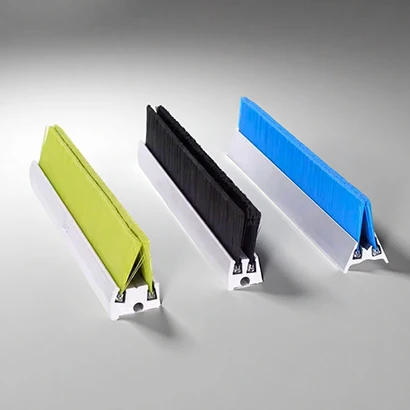
Installing a high-quality escalator brush provides an immediate and substantial return on investment. By directly sealing this vulnerable gap, the physical barrier attacks the root causes of mechanical breakdowns. It stops foreign objects from entering the internal motor housing and forces passengers to stand at a safe distance, thereby dramatically reducing long-term maintenance costs.
How Physical Deflectors Lower Maintenance Expenses
To fully appreciate how this unique element can reduce costs, experts within the industry will analyse on the rate at which unprotected transit systems are negatively impacted by the daily amounts of foot traffic.
A strip brush that has been manufactured using good engineering principles addresses many mechanical problems simultaneously through its continuous linear design.
Preventing Debris from Entering into Internal Track Systems
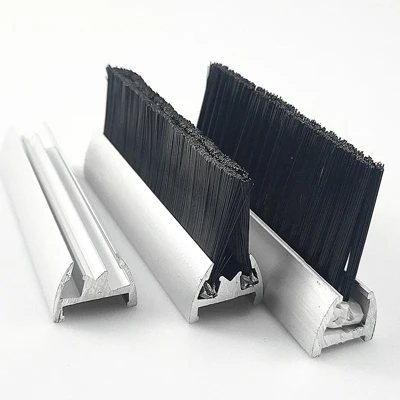
During the course of each day, numerous people drop small items by accident (e.g., a coin, a stone, a paper clip or some form of liquid). Through normal movement as well as momentum, these dropped items make their way towards the side edges of the steps where they slide off of the steps into the internal tracking components of the transit system without protection in place to keep them from falling into the internal components of the tracking systems.
Track rollers are chipped by large objects that cause friction when the track rollers come into contact with the drive chain. Sticky substances make dust stick together to form a thick mass of junk that slows down the motor. When trash builds up on the sensors, they activate safety shut off switches even though there’s nothing wrong.
A bristly looking brush will displace those obstructions to create a clean face for the internal machine and reduce the number of times mechanical cleaning must happen on a scheduled basis.
How We Can Reduce Friction and Wear on Skirt Panels
The barrier not only stops debris but also keeps passengers from putting their shoes against the non-moving side panels. Shoes with rubber soles create an enormous amount of friction with the metal skirt when they are pressed against it.
Over time, this friction rubs off the anti-friction coating on the panels and can result in the necessity of either very costly refinishing of the panels or total replacement of the panels.
The soft, tactile feedback from the bristles helps guide passengers to centre themselves so as not to place undo stress on the equipment and thus maintain its structural integrity.
Mitigating Severe Safety Liabilities and Associated Costs
Operational downtime does not only stem from mechanical wear; safety incidents cause the most prolonged and costly escalator closures. Loose clothing, shoelaces, and soft-soled shoes pose a severe entrapment risk. The friction generated by the moving steps easily pulls these items into the side gap.
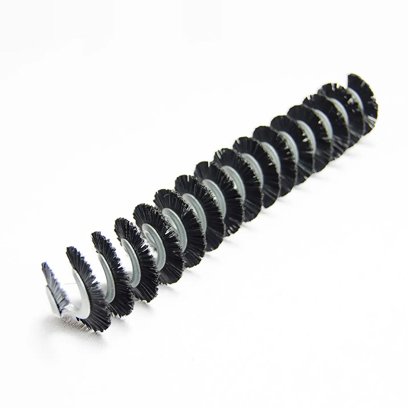
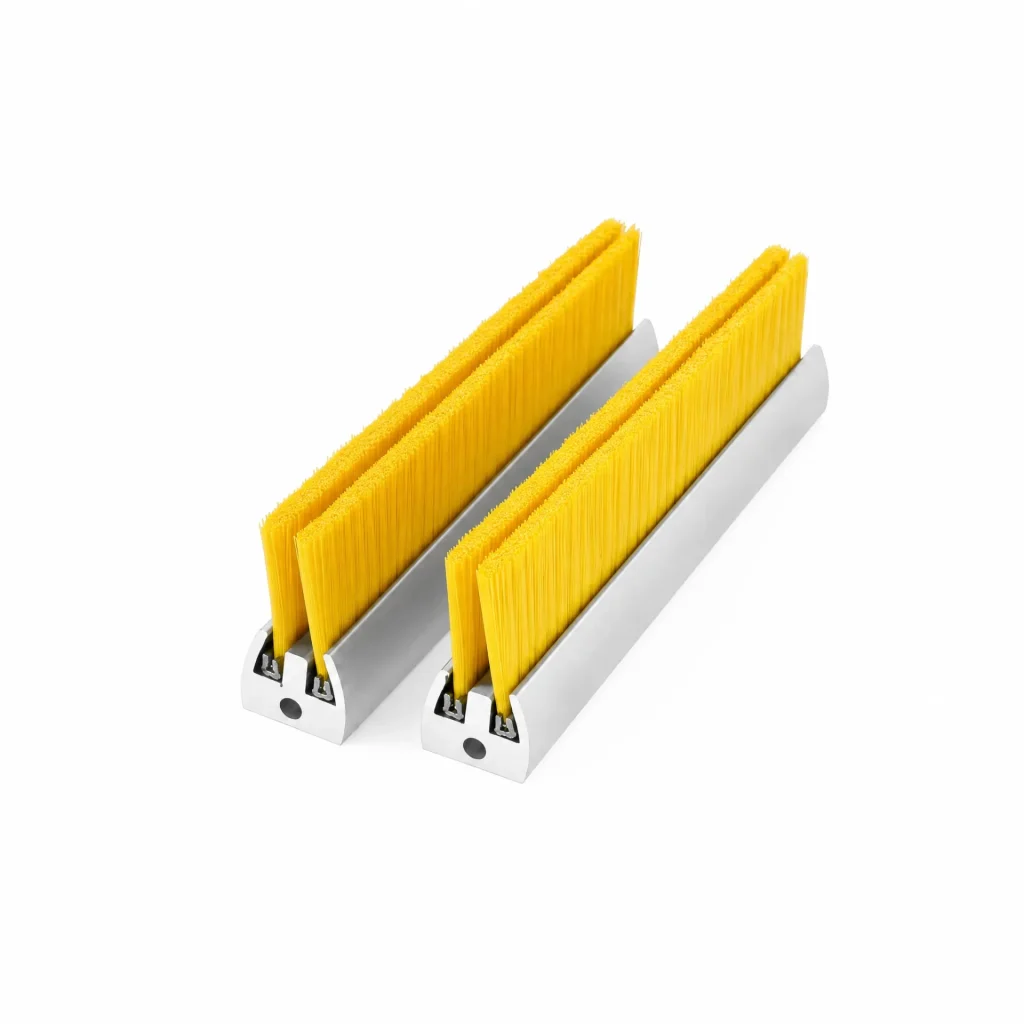
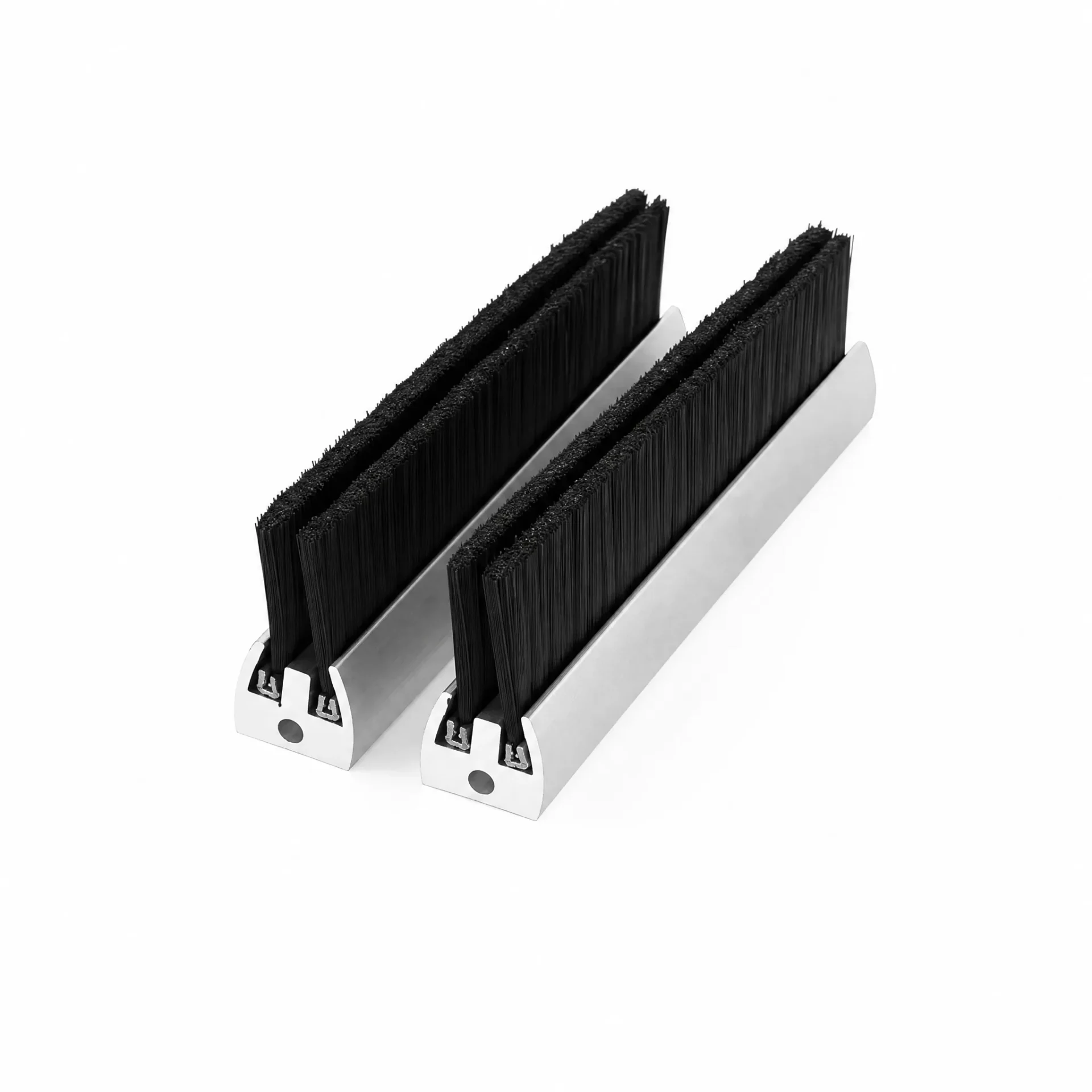
Engineers design the escalator skirt brush (also known as a deflector brush or escalator safety brush) specifically to combat this hazard. The bristles serve a dual purpose: they physically repel soft materials and provide a psychological warning. When passengers feel the bristles touching their ankles, human reflex causes them to instantly step back from the dangerous edge.
For facility engineers seeking comprehensive data on how tactile barriers change passenger behavior and prevent lawsuits, analyzing escalator skirt brush entrapment prevention mechanics offers critical insights into modern building safety standards.
Engineering Materials for Long Lifetime
Manufacturers cannot use commonly available consumer grade materials to perform satisfactorily in the extreme conditions present in public transit systems.
When designing an escalator brush to meet public specifications, there are three categories to consider: vibration, temperature change and high-impact forces on components.
All must be met with sufficient product durability so as not to lose any portions of its structure after installation.
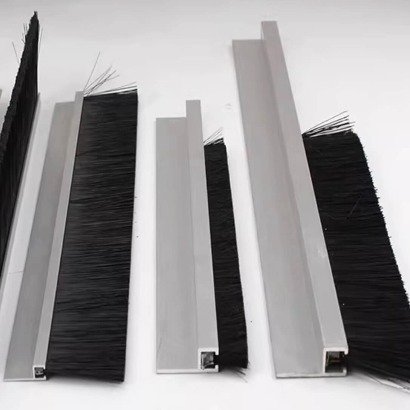
Straight strip brushes are commonly picked by professionals for these applications. Straight line configurations allow for complete coverage along both long inclines of the escalator and level portions of an inclined conveyor belt.
B2B Safety Deflector Technical Specifications
The technical requirements established in manufacturing affect the safety deflectors’ length of time before failure. Industry safety standards specify the materials that should be used, as well as their physical measurements, to ensure maximum longevity.
| Component | Technical Specifications | Functional Benefits |
|---|---|---|
| Filament Material | Nylon for Industrial Use | Has excellent strength and recovery speed, and resists being melted by friction. |
| Mounting Bracket | Aluminum / Stainless Steel | Offers very high rigidity and outstanding resistance to corrosion. |
| Bristle Height | 30mm – 50mm | Provides the proper amount of tactile warning while not interfering with the movement of the foot. |
| Bracket Width | 50mm – 100mm | Provides a very stable and secure mounting method to the edge of the skirt board. |
Guidelines for Successful Installation
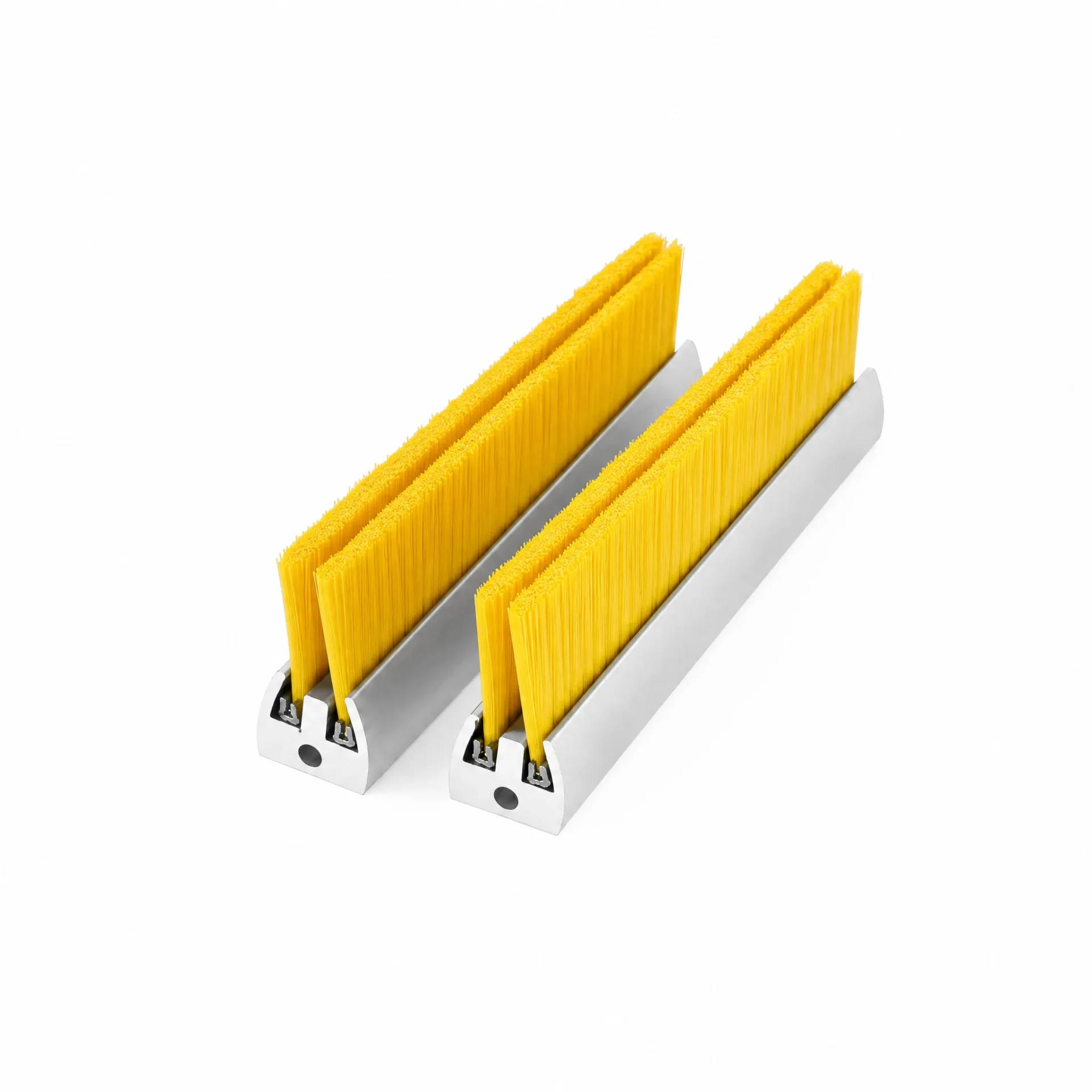
A successful installation is critical for system performance and requires maintenance personnel to follow established design parameters to achieve maximum functional life from the machine.
- Align the aluminum or stainless steel mounting brackets accurately parallel with the steps to prevent uneven wear on the bristles.
- Use heavy duty, vibration-resistant fasteners to secure all brackets.
- Provide smooth caps at both ends of the bristle tracks to avoid snagging long garments when entering and exiting from the bristle tracks.
Summary
Facility management uses proactive methods to manage mechanical weaknesses prior to them breaking down and causing total failure of your system; therefore, upgrading the escalators on your property with an enhanced elevator/business track brush is an excellent way to solve entrapment, track jamming and panel wear by creating an automatic anti-jam system on the escalator.
All building owners who furnish their commercial properties with high strength nylon filament and corrosion resistant brackets will also significantly reduce emergency repair costs associated with their transit infrastructure — not to mention the risk involved of incurring legal liability — while maximizing public usage of safe, effective transit systems.
FAQ
How often do maintenance teams change escalator deflector bristle strips?
The typical replacement life of a bristle strip made of high strength nylon is roughly three to five years, which varies based on daily foot traffic and environmental conditions.
Can these brushes hold up in humid and/or outdoor transit conditions?
Yes, since most manufacturers offer aluminum alloy and/or stainless steel brackets for added resistance to rust and corrosion from wet and/or semi-outdoor commercial environments.
Will the standard sizes of moving walkways accommodate all brands of moving walkways?
All manufacturers cut the size of the bristle as well as adjust the angles at which they mount the brushes to conform to and fit the geometry of any specific brand of escalator.