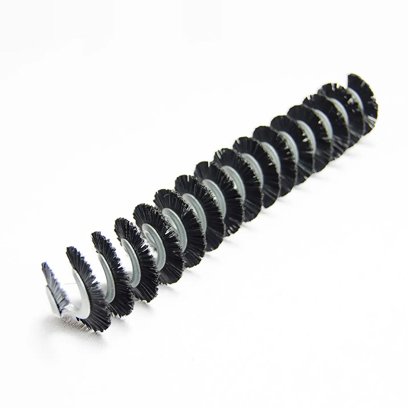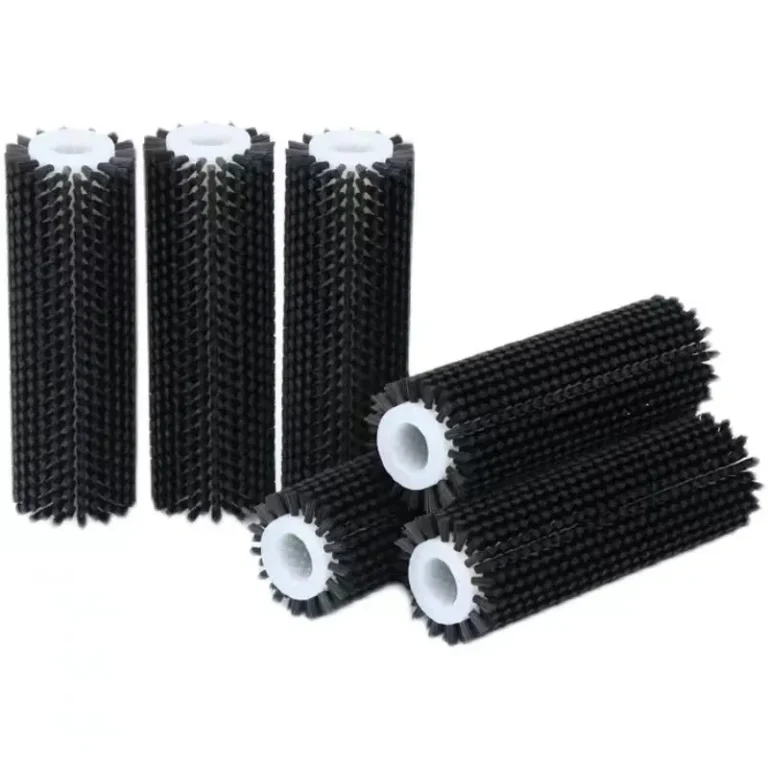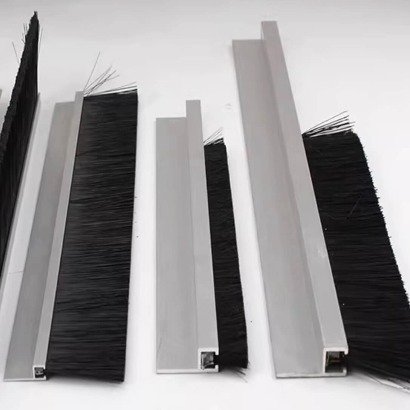
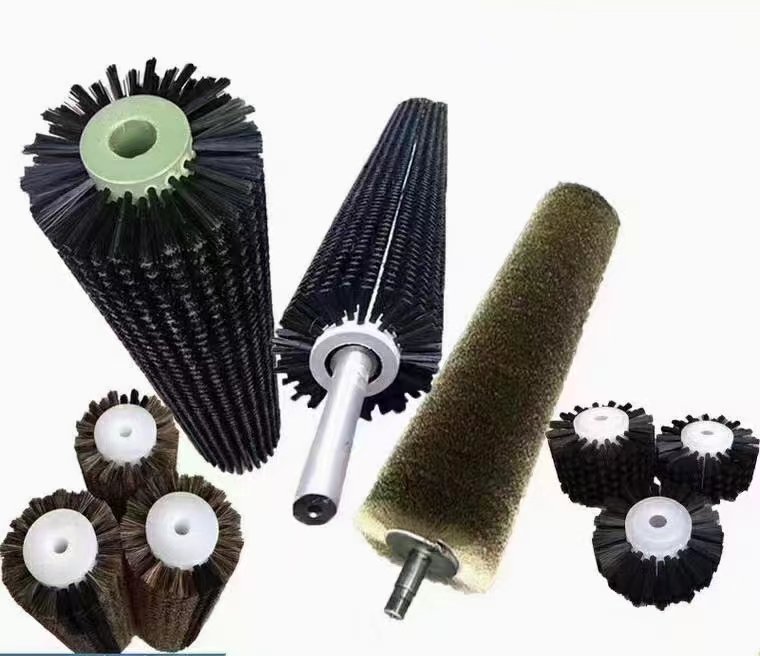
Choosing the correct wire brush rollers is very important for industrial cleaning. These tools help get rid of dust, make surfaces shiny, and do hard jobs like deburring or deoxidising. Workers often use a sisal bristle brush to clean dust. They use a horsehair roller to put on wax. An abrasive roller brush is good for tough dirt. Picking the right roller type, material, and bristle density helps stop errors and makes each tool last longer.
Key Takeaways
-
Picking the correct wire brush roller is very important for good industrial cleaning. Look at the surface and the kind of dirt before you pick a brush.
-
Different wire materials have special uses. Stainless steel works well for removing rust. Brass is better for cleaning soft metals.
-
Taking care of wire brush rollers helps them last longer. Clean and store the brushes in the right way. This helps them work well and stay useful for more time.
Wire Brush Rollers in Industrial Cleaning
What Are Wire Brush Rollers
Wire brush rollers are special brushes for hard cleaning jobs. They have a strong centre and rows of wire bristles that spin. This helps them scrub surfaces well. The shape lets them clean corners and rough spots. Many factories use these rollers on metal, stone, and other hard things.
Here is a simple table about how these rollers are made:
|
Feature |
Description |
|---|---|
|
Core Material |
Aluminium centre with grooves and sealing strips if needed |
|
Filament |
Bendy wire tips that keep surfaces rough but clean |
|
Cleaning Mechanism |
Gaps between strips help remove dirt better |
|
Wire Types |
Steel, stainless steel, or abrasive bristles with different grit sizes |
|
Concentricity |
Trimmed and ground surface for best results |
|
Connection System |
Holes for joining to an extraction system |
|
Customisation |
Inside floating system for special jobs |
Uses in Industrial Cleaning
Factories and workshops use wire brush rollers for many jobs. Some common uses are:
-
Cleaning and getting surfaces ready, like taking off rust or paint from metal.
-
Smoothing sharp edges on parts.
-
Cleaning welds and taking away slag in metalwork.
-
Scrubbing inside pipes to keep them clear.
-
Getting concrete or bricks ready before finishing.
These rollers help workers finish jobs faster and get surfaces ready for the next step.
Benefits for Industrial Applications
Wire brush rollers have many good points for factories. They clean hard surfaces without hurting them. The rollers can reach into small spaces and corners. This makes them good for careful work. Workers can pick different brushes for each job, which makes cleaning better. The rollers do not get blocked with dirt, so they last longer. This makes them a smart choice for anyone who needs strong cleaning tools in a factory.
Choosing Wire Brush Rollers
Assessing Cleaning Needs
Every industrial cleaning job starts with knowing what needs cleaning. Workers must check the surface, the dirt, and what they want to achieve. Some surfaces need gentle cleaning. Others can take strong scrubbing. The right roller depends on these things.
Here is a table that shows what to think about before choosing wire brush rollers:
|
Factor |
Description |
|---|---|
|
Brush Material |
The wire type matters; brass is best for aluminium to stop scratches. |
|
Bristle Stiffness |
Soft bristles are good for delicate surfaces and help stop scratches. |
|
Brush Shape and Size |
Big brushes clean large areas; small ones reach tiny spots. |
|
Brush Type |
Power tool brushes clean big or tough jobs; handheld brushes are for small, gentle work. |
|
Surface Condition |
Heavy rust or paint needs tough brushes; smooth surfaces need soft bristles. |
The kind of dirt also matters a lot. Workers should know if they need to remove rust, paint, dust, or grease. The brush material, how thick the bristles are, and the design all change with each job. Some jobs need tough brushes. Others need soft brushes to avoid damage. Rules about the environment and equipment also help workers choose.
Selecting Wire Type and Material
Picking the right wire type is important for cleaning and keeping surfaces safe. Industrial brushes come in many materials. Each one has its own good points. Here is a table with the main choices:
|
Feature |
Carbon Steel Wire Wheel |
Stainless Steel Wire Wheel |
|---|---|---|
|
Material Composition |
More aggressive |
More durable |
|
Corrosion Resistance |
Less resistant to rust |
Highly resistant to rust |
|
Durability |
Wears faster on rust-prone surfaces |
Lasts longer in wet places |
|
Applications |
Heavy-duty cleaning, rust removal |
Cleaning stainless steel, car parts |
For some surfaces, the choice is even more important:
|
Wire Material |
Ideal For |
Characteristics |
Caution |
|---|---|---|---|
|
Carbon Steel Wire |
Ferrous metals (steel, cast iron), concrete |
Strong, tough, good for hard cleaning and rust removal. |
Can leave carbon steel bits on stainless steel or aluminium, which may cause rust. |
|
Stainless Steel Wire |
Stainless steel, aluminium, non-ferrous alloys |
Very resistant to rust, stops “after-rust” problems. |
Do not use on surfaces touched by carbon steel brushes. |
|
Brass Wire |
Soft metals (brass, copper, aluminium) |
Gentle cleaning, does not spark, good for soft surfaces. |
N/A |
Other bristle materials are also used in factories:
-
Nylon: Good for light cleaning and wet jobs. It resists chemicals and lasts a long time.
-
Metal wire: Includes carbon steel, stainless steel, and brass. Each is good for different cleaning jobs.
-
Animal hair: Horsehair or similar bristles are used for polishing and putting on wax.
-
PP (Polypropylene): Good for wet jobs and resists chemicals, but is not very strong.
-
Abrasive wire: Mixes nylon with grit for extra scrubbing, great for getting surfaces ready.
-
Sisal: Natural fibre, often used for dusting or gentle cleaning.
Stainless steel wire brushes are great because they do not rust and can clean in wet or dry places. Workers use them for cleaning stainless steel, aluminium, and other metals that do not rust. Carbon steel wire brushes are used for hard jobs like taking off rust and paint from tough surfaces. Brass wire brushes are best for gentle jobs, like cleaning electrical parts or polishing soft metals.
Size and Bristle Density
The size of the wire brush rollers and how close the bristles are affect how well they clean. Big rollers clean large areas fast. Small rollers fit into tight spaces and corners. Dense bristles scrub harder and remove tough dirt. Sparse bristles are better for light cleaning or fragile surfaces.
When picking a brush, workers must check that the brush fits their machine. For water absorption roller brushes, smoothness, water absorption, and bounce are most important. The materials for the brush wire and the body must meet factory standards.
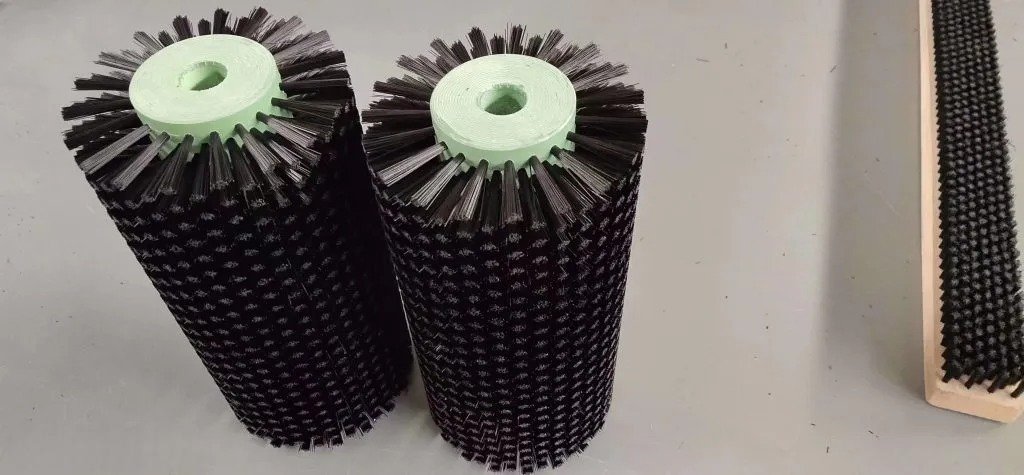
Customisation Options
Industrial brushes come in many shapes and sizes. Some jobs need special brushes. Customisation helps with special cleaning needs. Here are some choices:
-
Cylinder brushes, wire brushes, and other types of industrial brushes.
-
Materials like steel, brass, and special plastics.
-
Bristle setups: crimped for bending, twisted for stiffness.
-
Uses: cleaning, deburring, polishing, and getting surfaces ready.
-
New machines, like CNC, let workers change shape, size, and bristle type exactly.
Custom wire brush rollers can reach tricky places and rough surfaces that normal brushes cannot. They give more options for different cleaning jobs. Easy-to-hold designs make them simpler to use and can help workers do more. Custom brushes often last longer and can save money in the long run.
Durability and Maintenance
Looking after wire brush rollers helps them last longer and work better. The main reasons brushes wear out early are using too much force, picking the wrong brush, or using the same brush for every job. Each cleaning job may need a different brush.
To make brushes last longer, workers should:
-
Clean brushes before putting them away to remove dirt and stop rust.
-
Store brushes in holders to keep them safe.
-
Keep brushes dry to stop rust.
-
Do not leave brushes in sunlight, as it can make them weak.
-
Store different brushes apart to stop mixing.
-
Store with handles up to keep bristles in shape.
-
Check brushes often for damage or wear.
Stainless steel wire brushes do well with these tips. They do not rust easily, but good care keeps them working longer. Looking after brushes means fewer replacements and better cleaning results every time.
Mistakes and Maintenance in Industrial Cleaning
Common Selection Errors
Many people pick the wrong brush for cleaning jobs. Sometimes, they use a standard end brush in a small space. They should use a controlled flare end brush instead. Some people buy cheap brushes to save money. These brushes wear out fast and cost more later. Others do not match the brush to the metal they clean. This can mix up metals and cause problems. These mistakes can damage equipment and give bad results.
-
Picking the wrong brush for the job
-
Buying cheap brushes to save money
-
Not matching the brush to the surface
Choosing the right brush helps avoid these problems. Stainless steel wire brushes are good for removing rust. Knotted wire brushes are best for tough cleaning.
Maintenance Tips
Taking care of brushes helps them work well. Workers should clean brushes after each use. They need to remove dirt and bits stuck in the bristles. Brushes should be kept in a dry place with good air flow. Workers should check brushes often for damage. Using brushes only for their proper job stops them from breaking. Stainless steel wire brushes need extra care. Do not mix them with other materials.
Tip: Turn brushes in machines so they wear out evenly and last longer.
Extending Roller Lifespan
Good habits help brushes last longer. Cleaning and checking brushes often keeps them in good shape. Using compressed air to clean metal brushes works well. Checking for worn bristles and broken parts stops problems early.
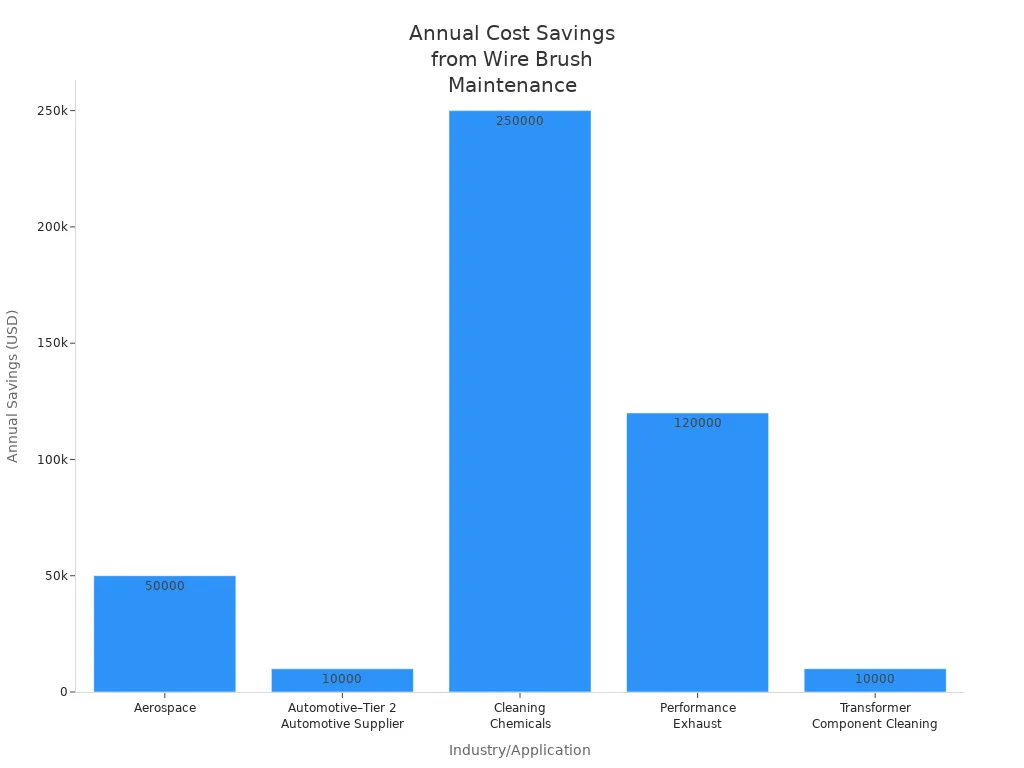
Some factories save lots of money by looking after their brushes. Regular care means brushes need replacing less often. It also gives better cleaning results. Buying good brushes and following these tips helps every team get the best from their tools.
Choosing wire brush rollers for industrial cleaning means looking at wire material, size, and how the filaments are set up. Picking rollers that fit each job helps clean better and makes machines last longer. Workers should think about what they need and talk to suppliers for advice that suits them. This helps everything run well and saves money over time.