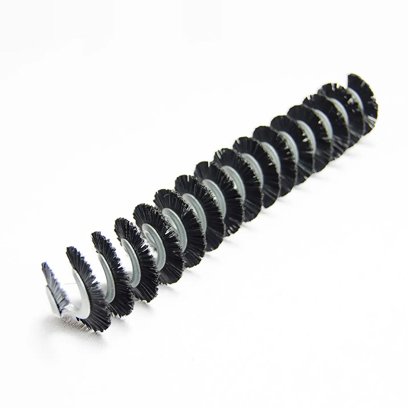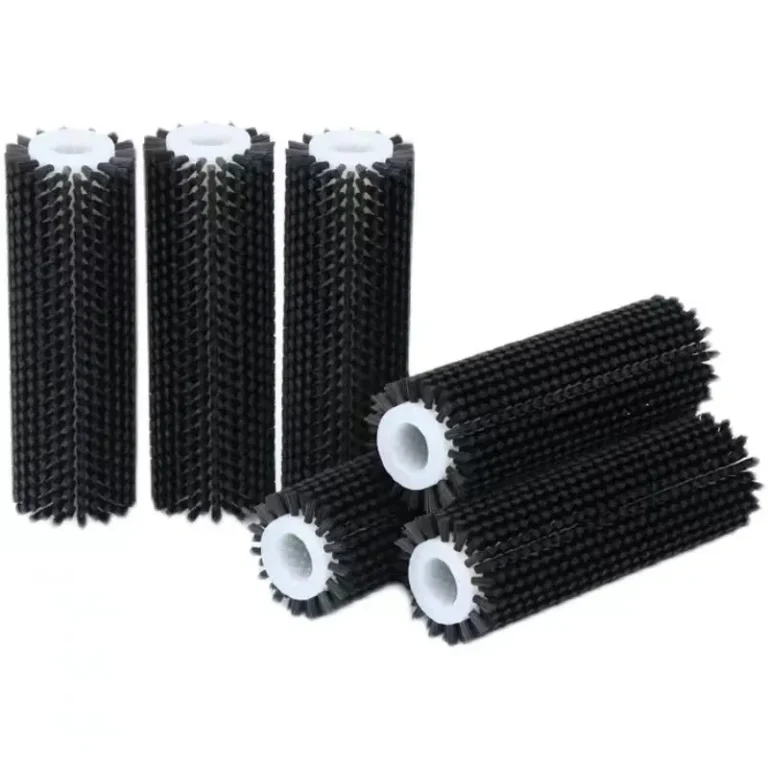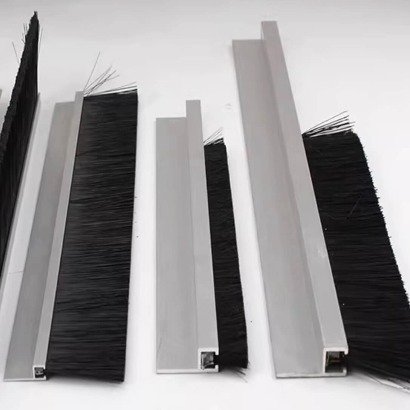
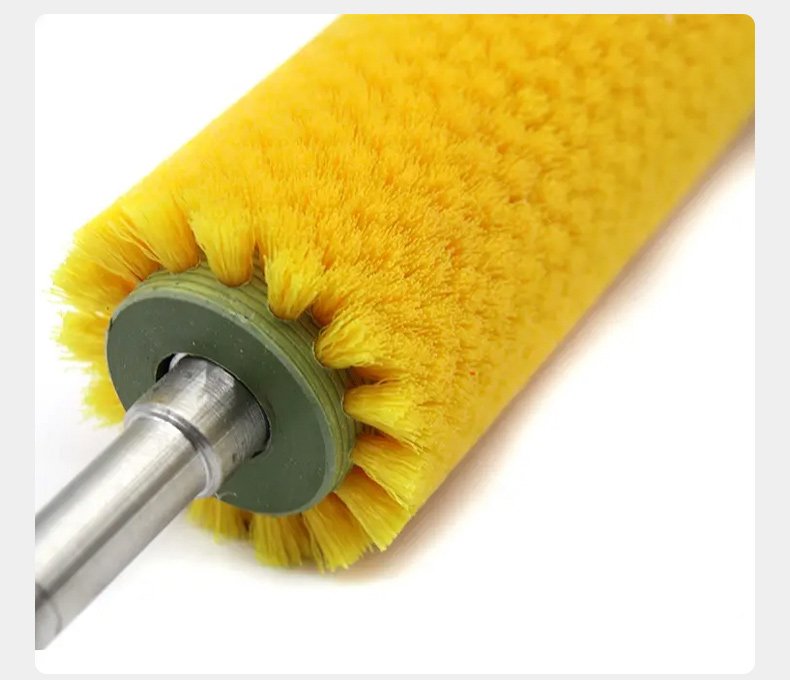
Nylon and polypropylene are great choices for cylindrical cleaning brushes. They clean well and work for many jobs. Nylon cylinder wire brush is good when you need it to bend, like in food or medicine places. Polypropylene is strong and does not get damaged by water, so the PP cylinder wire brush is best for hard jobs. Cylindrical brushes made from these materials stay useful for a long time and can be used in rough places. Readers will learn how each material can help them.
Key Takeaways
-
Nylon and polypropylene are strong materials for cylindrical cleaning brushes. They are good for hard cleaning jobs. Nylon bends easily and is good for soft cleaning.
-
Polypropylene is hard and works well in wet or rough places.
-
Both materials do not get damaged by chemicals or water. This means they last a long time in many cleaning jobs. You should pick the right brush for the surface you clean.
-
Nylon is good for soft surfaces. Polypropylene is better for hard, wet places. Buying good brushes saves money over time. Nylon brushes last longer than polypropylene ones.
Nylon and polypropylene benefits
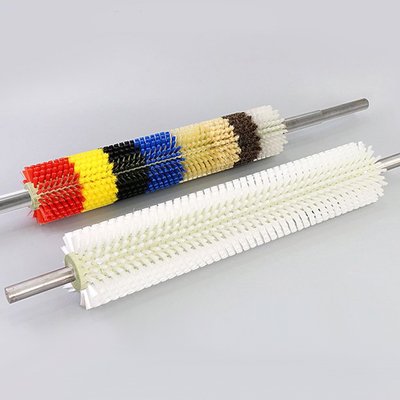
Durability
Nylon and polypropylene are very strong brush materials. They can handle hard cleaning jobs. These fibres keep their shape after many uses. Nylon is especially good at not wearing down. Tests like the Martindale Abrasion Tester show nylon lasts longer than most fibres. Polypropylene also does well in tests like the Taber Abrasion Test. It loses very little mass when rubbed. This means both materials work well on rough surfaces. They do not break easily during tough cleaning.
|
Material |
Abrasion Resistance |
Lifespan |
Suitable Applications |
|---|---|---|---|
|
Nylon |
Superior |
Long-lasting |
Food, pharma, textiles |
|
Polypropylene |
Very good |
Long-lasting |
Industrial, wet environments |
Nylon bends easily, so it is good for soft bristle brushes. These brushes clean gentle surfaces without scratching them. Polypropylene is stiff and strong. It is best for hard jobs and keeps its bristles firm. Some brushes mix both fibres. This gives a balance of gentle and strong cleaning.
Chemical and moisture resistance
Nylon and polypropylene both resist chemicals and water. This makes them good for cylindrical cleaning brushes. Nylon takes in a little water, about 3-7%. But it still stays strong and keeps its shape. Polypropylene hardly takes in any water. It stays stiff even when wet. This makes polypropylene great for places with lots of water or chemicals, like kitchens or car washes.
-
Nylon can deal with many chemicals and high heat. It is used in food and medicine industries.
-
Polypropylene does not have metal and does not spark. This makes it safer where things can catch fire.
-
Both materials do not rust, so they last longer than natural fibres.
Versatility
Nylon and polypropylene can be used for many cleaning jobs. Nylon bends well, so it fits many shapes and surfaces. It is used in cars, planes, packaging, and building work. It can handle heat and chemicals, so it works in tough places. Polypropylene is stiff and does not soak up water. It is good for outdoor and factory cleaning.
Tip: Think about the surface and place before picking a brush. Nylon is best for gentle and careful cleaning. Polypropylene is better for wet or rough places.
Cylindrical cleaning brushes made from these fibres are used in many jobs. They clean both delicate machines and rough floors. They last a long time and save money because you do not need to replace them often. Brushes with mixed bristles use nylon and other fibres. This makes them stronger and good for more cleaning tasks.
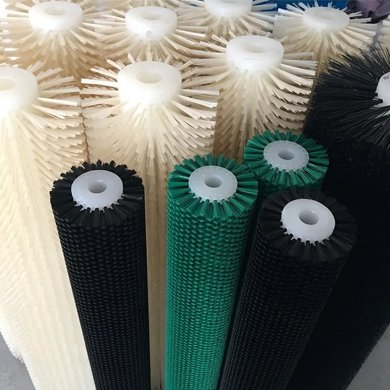
Cylindrical cleaning brushes: Material comparison
Picking nylon or polypropylene for cylindrical cleaning brushes can be hard. Both materials have good points. Let’s look at what makes each one special and compare them for cleaning.
Nylon strengths
Nylon is strong and bends easily. The bristles reach corners and clean uneven places. This is why nylon is used in food and medicine jobs. Nylon does not get damaged by heat or chemicals. It is safe and meets rules for food work. Nylon keeps its shape after lots of use because of its special filaments. Workers like nylon brushes because they save time and give smooth results.
Here’s a simple list of nylon’s good points:
|
Strength |
Description |
Typical Uses |
|---|---|---|
|
Durability |
Handles tough cleaning and lasts a long time |
Industrial, food, pharma |
|
Flexibility |
Cleans uneven surfaces well |
Machinery, delicate equipment |
|
Chemical Resistance |
Works with oils, fuels, solvents, and alcohols |
Food processing, labs |
|
Heat Resistance |
Melts at 230°C, safe for hot cleaning |
Ovens, sterilisation areas |
|
Productivity |
Filaments sharpen themselves, so brushes last longer |
Surface finishing, polishing |
Tip: Nylon is good for cleaning surfaces that need gentle care but strong results.
Polypropylene strengths
Polypropylene is tough and stays firm. The bristles do not get soft in wet places. Polypropylene does not soak up water, so it is good outside or near water. It does not get damaged by chemicals and does not grow mould. This keeps cleaning safe. Polypropylene wire brushes is very strong and does not tear, so it is good for hard cleaning.
Here are the main points about polypropylene:
|
Advantage |
Description |
Typical Uses |
|---|---|---|
|
Water Resistance |
Does not soak up liquids, keeps shape when wet |
Outdoor, marine, car washes |
|
Chemical Resistance |
Handles strong chemicals, does not wear out easily |
Factories, industrial cleaning |
|
Mildew Resistance |
Does not grow mould or fungus, keeps cleaning safe |
Kitchens, bathrooms |
|
Rigidity |
Stays firm, even in wet places |
Heavy-duty, rough surfaces |
|
Strength |
Very tough, does not tear, good for hard jobs |
Warehouses, garages |
Note: Polypropylene is best for cleaning places that get wet or need strong bristles.
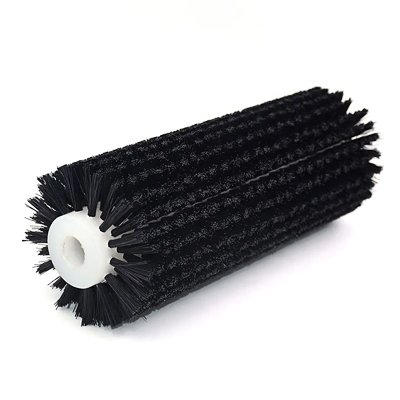
Quick comparison
It helps to see nylon and polypropylene side by side. Here is a table to show their main features, good points, and common uses for cylindrical brushes:
|
Feature/Property |
Nylon |
Polypropylene |
Typical Application Scenario |
|---|---|---|---|
|
Durability |
Very strong, keeps shape, filaments sharpen themselves |
Tough, does not tear, but wears out faster |
High-traffic, industrial, heavy-duty |
|
Cleaning Efficiency |
Gentle, cleans well |
Strong, works on rough surfaces |
Food/pharma, outdoor, wet areas |
|
Chemical Resistance |
Very good, safe for food and medicine |
Very good, best for wet and factory places |
Kitchens, factories, marine |
|
Heat Resistance |
Handles high heat (up to 230°C) |
Not good for high heat |
Ovens, sterilisation, outdoor |
|
Water Resistance |
Takes in some water, keeps shape |
Does not take in water, stays firm |
Wet environments, car washes |
|
Longevity |
Lasts a long time, keeps shape |
Wears out faster in busy places |
Long-term, saves money |
Nylon brushes are best for jobs needing flexibility and cleanliness. Polypropylene is better for hard cleaning in wet or outdoor places. Both help people clean well, but the right choice depends on the job and place.
Remember: Nylon is good for gentle, flexible cleaning. Polypropylene is best for tough, wet jobs.
Choosing for different surfaces
Hard vs soft surfaces
Different surfaces need different brushes to clean well. Hard surfaces like concrete, metal, or stone can use tough bristles. Nylon brushes with stiff bristles are good for these jobs. They scrub dirt and grime and do not lose their shape. Polypropylene brushes also work well on hard floors. They are great for places that get wet or dirty a lot.
Wet vs dry environments
The best brush depends on if the place is wet or dry. Nylon takes in a bit of water and gets a little bigger, but still cleans well. Polypropylene does not take in water at all. It stays firm and keeps its shape, even in very wet places. This makes polypropylene brushes perfect for kitchens, car washes, and outside areas.
Here is a table showing how nylon and polypropylene work in wet and dry places:
|
Material |
Wet Environments |
Dry Environments |
Best Use Case |
|---|---|---|---|
|
Nylon |
Takes in some water, gets a bit bigger |
Works well, but avoid strong acids |
Painted parts, plastics |
|
Polypropylene |
Does not take in water, stays clean |
Very good with chemicals |
Food handling, wet cleaning |
People often pick nylon for dry places where they need a flexible brush. Polypropylene is best for places that stay wet or need to be very clean. Both materials help clean well, but the choice depends on the surface and the place.
Tip: Always use the right brush for the job. Hard surfaces need tough bristles, but soft surfaces need gentle ones.
Maintenance and cost
Lifespan
Nylon and polypropylene cylindrical brushes both last a long time. How long they last depends on how people use them. Nylon brushes are best for cleaning jobs done often. They keep their shape and bristle strength after many uses. Polypropylene brushes also last well, but are better for lighter jobs.
-
Nylon cylinder brushes are better at not wearing down.
-
Nylon stays stiff and handles heat better than polypropylene.
-
Polypropylene brushes are good for jobs that do not need hard scrubbing.
Here is a quick look at how strong they are:
|
Material |
Abrasion Resistance |
Best Use Case |
Heat Resistance |
|---|---|---|---|
|
Nylon |
Excellent |
Frequent cleaning tasks |
High |
|
Polypropylene |
Good |
Light cleaning jobs |
Moderate |
Nylon brushes often work well for longer, especially where cleaning happens every day. Polypropylene brushes are still a good choice, but may need to be replaced sooner if used for tough jobs.
Value for money
People want a brush that lasts and does not cost too much. Both nylon and polypropylene brushes are good value for money. Nylon brushes might cost a bit more at first, but they last longer. This means you do not need to buy new ones as often. Polypropylene brushes usually cost less and are good for simple cleaning.
Tip: Think about how often you will use the brush. For daily or hard cleaning, nylon saves money over time. For light or rare cleaning, polypropylene is a smart pick.
Here is a table to help compare value:
|
Material |
Initial Cost |
Replacement Frequency |
Best For |
|---|---|---|---|
|
Nylon |
Medium |
Low |
Heavy, frequent cleaning |
|
Polypropylene |
Low |
Medium |
Light, occasional use |
Picking the right brush saves money and makes cleaning easier.
Myths about synthetic brushes
Common concerns
Some people think synthetic brushes lose bristles or scratch things. This idea comes from old or cheap brushes. New nylon and polypropylene brushes use better ways to hold bristles. The bristles stay in place, even when cleaning is hard. People see that these brushes do not lose bristles.
Makers build these brushes to stop common problems. Here are some ways they fix worries:
-
Bristles are held tight to stop shedding
-
Can handle heat for hot jobs
People also worry about scratching surfaces. Nylon and polypropylene bristles come in soft and hard types. This lets people pick the right brush for each job. With the right brush, synthetic brushes clean well and do not damage things.
Environmental impact
Some people think synthetic brushes are worse for the planet than natural ones. The truth is more balanced. Nylon and polypropylene brushes last a long time. Because they last, you do not need to buy new ones often. This means less rubbish over time. Many factories now recycle old synthetic brushes into new things.
The table below shows how synthetic and natural brushes compare for how long they last and how much rubbish they make:
|
Brush Type |
Average Lifespan |
Replacement Rate |
Waste Produced |
|---|---|---|---|
|
Synthetic (nylon, polypropylene) |
Long |
Low |
Less |
|
Natural |
Short |
High |
More |
Synthetic brushes also use less water when cleaning. Their smooth bristles rinse fast, so people save water and time. As recycling gets better, synthetic brushes become even kinder to the planet.
Nylon and polypropylene are top picks for cylindrical cleaning brushes. They last a long time and bend without breaking. Both can handle strong chemicals. The table below shows their main good points:
|
Material |
Advantages |
Best Applications |
|---|---|---|
|
Nylon |
Does not wear out, bends easily, very strong |
Cars, cleaning jobs, factories |
|
Polypropylene |
Stays stiff, does not get damaged by acid, bends back |
Cement trucks, outside, factories |
Nylon is good for cleaning gently but still tough. It works well in food places or cars. Polypropylene is best for hard jobs or cleaning outside. Picking either gives you good cleaning every time.
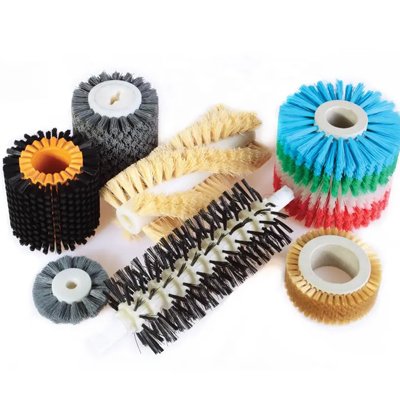
FAQ
What makes nylon and polypropylene good for cylindrical cleaning brushes?
Nylon and polypropylene are strong and last a long time. They do not get damaged by water or chemicals. People use them for many cleaning jobs. Brushes made from these materials keep their shape. They work well on many different surfaces.
Can cylindrical cleaning brushes clean both rough and smooth surfaces?
Yes, they can do both jobs. Nylon bristles are gentle on smooth surfaces. Polypropylene bristles are good for scrubbing rough areas. People pick the right brush for each job to get the best clean.
How often should someone replace a cylindrical cleaning brush?
Most brushes last many months or even years. If the bristles bend or break, you should get a new brush. Cleaning your brush often helps it last longer.
Are nylon and polypropylene brushes safe for food areas?
People use nylon and polypropylene brushes in food places. These brushes do not rust or lose bristles. They follow safety rules and help keep things clean.