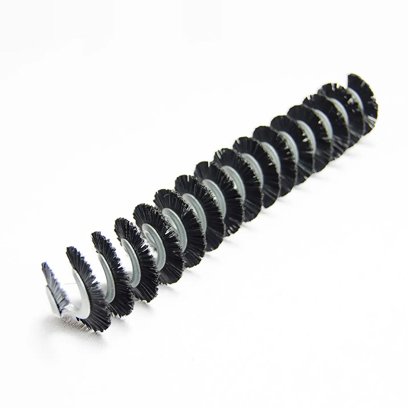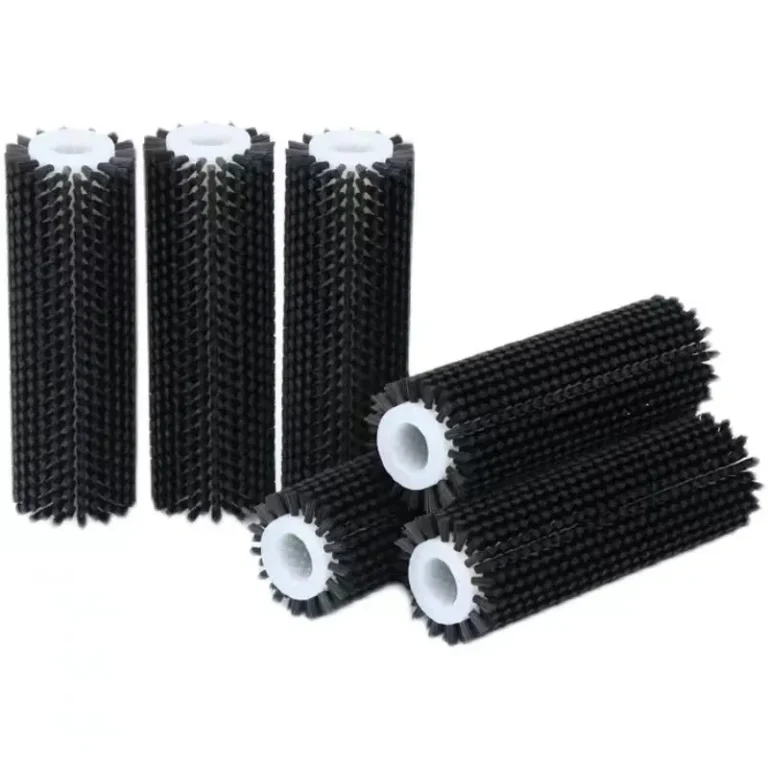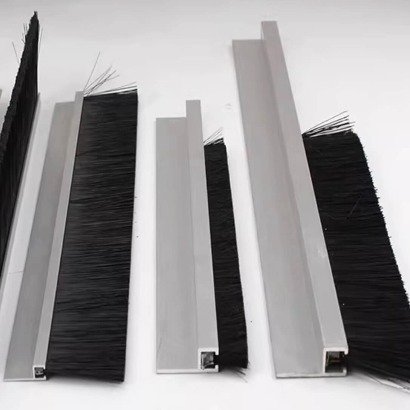
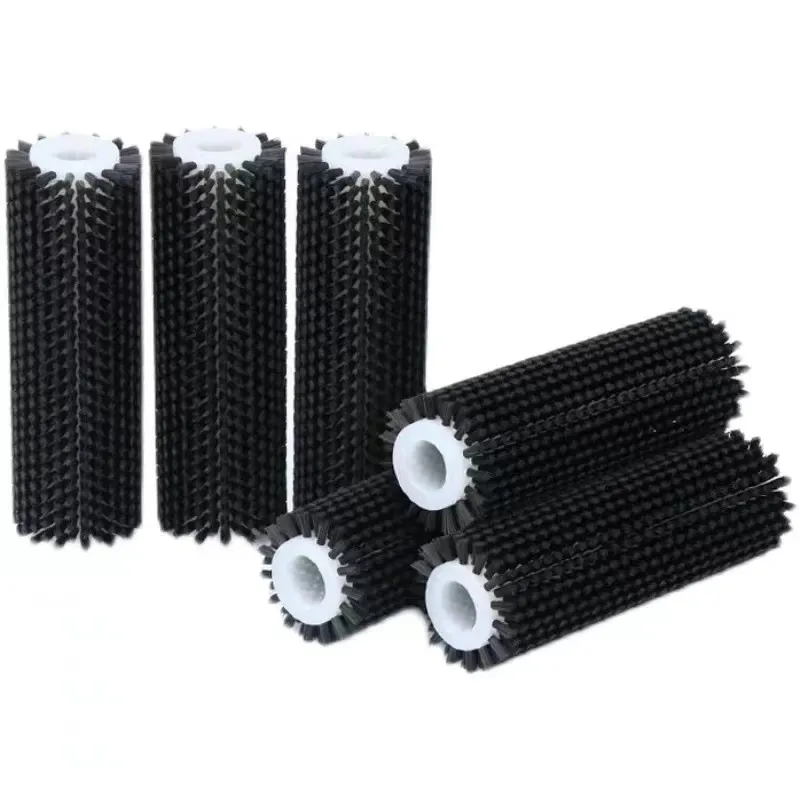
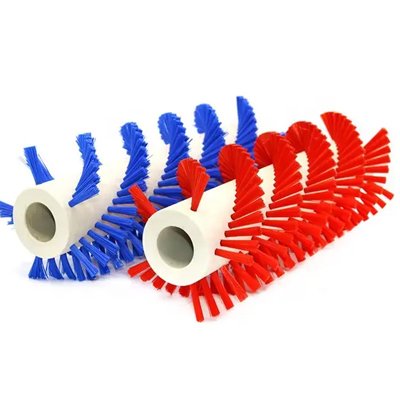
A cylindrical brush may look simple, but the material is crucial. The right material helps the brush sweep, scrub, or polish effectively. Why is this so important? Think about a cylinder brush that wears out quickly or does not clean well. That is why the material matters.
Clients can choose from a variety of brush materials. These include nylon, natural fibers, metal wire, and more. The choice depends on how strong or tough they want the brush to be.
Selecting the right material impacts how well the cylindrical brush performs and how long it lasts.
Key Takeaways
-
Picking the right material for a cylindrical brush is very important. It helps the brush clean well and last longer. The material affects performance and lifespan.
-
Cylindrical brushes are made in different types. Some use wire, some use synthetic fiber, and some use natural fiber. Each type is good for certain cleaning jobs.
-
Knowing how a brush is made helps you judge its strength. It also shows if it is good for certain jobs. Some methods, like epoxy setting and wire winding, make brushes last longer.
-
Always pick the brush material that fits your job. Nylon brushes work well on plastics. Metal wire brushes are best for hard cleaning jobs.
-
Talking to a brush expert can help you choose the right material. They can also help you pick the best way to mount the brush for your cleaning or finishing job.
What Is a Cylindrical Brush
Basic Definition
A cylindrical brush has bristles all around a center part. People use it to clean, polish, or move things. The brush turns or rolls when it works. This spinning helps the bristles touch every spot. Factories, shops, and farms use these brushes for many jobs.
Cylindrical brushes come in different sizes. Some are tiny and fit inside bottles. Others are big and clean conveyor belts or panels. The bristles can be soft or hard. Soft bristles dust gentle surfaces. Hard bristles scrub away tough dirt.
Cylindrical brushes help people save time and energy. They clean big spaces fast and evenly.
Construction Method
How a cylindrical brush is made changes how long it lasts. Makers use different ways to build these brushes. Each way gives the brush special strengths.
Here are some common ways to make them and how they last:
|
Impact on Durability |
|
|---|---|
|
Epoxy-set techniques |
Makes brushes strong for food and medicine factories. |
|
Wire winding construction methods |
Makes cylindrical and bottle brushes last longer and work better. |
|
Custom-designed products |
Made for special jobs, so they last as needed. |
Epoxy set brushes use glue to keep bristles in place. This makes them strong and safe for food factories. Wire winding wraps bristles tightly around the center. This way is good for brushes that need to last a long time. Custom designs let people choose what they need. These brushes can do special jobs and last longer.
Picking the right way to make a brush helps it work better and last longer.
Types of Cylinder Brushes
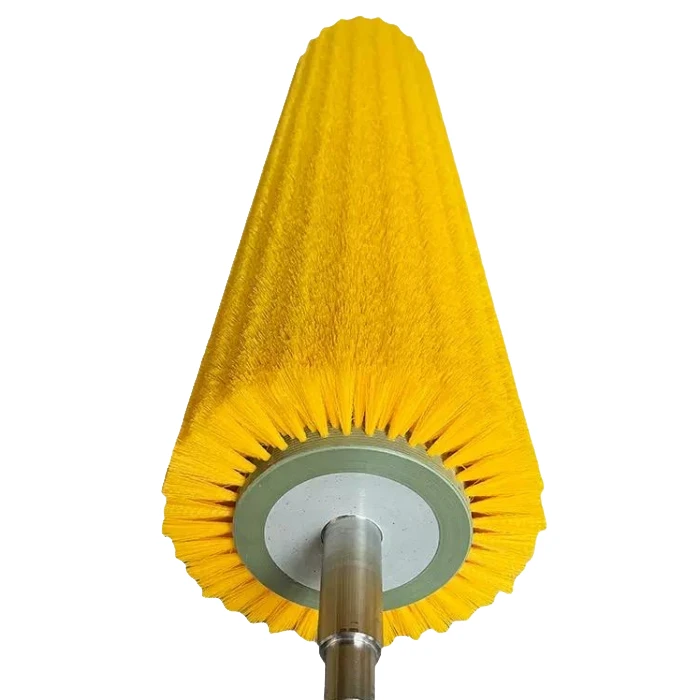
Cylinder brushes come in many forms. Each one is good for certain jobs. The type depends on the material and how it is made. Some brushes use a coiled strip. Others have bristles in a solid center. These ways of making brushes change what they can do. This helps them work for different tasks.
Wire Cylinder Brushes
Wire cylinder brushes are very strong. Factories use them to clean or polish metal parts. They also remove rust. These brushes use steel or stainless steel wires. Some have crimped wire, which bends for light cleaning. Others use knot wire for hard jobs. Workers pick wire cylinder brushes for tough cleaning.
Wire cylinder brushes can clean inside pipes or gears. They also scrub flat surfaces. Their build lets them handle hard dirt and debris.
Here are some types of wire cylinder brushes:
-
Crimped wire brushes for easy cleaning
-
Knot wire brushes for tough scrubbing
-
Stainless steel wire brushes for no rust
-
Brass wire brushes for soft surfaces
Wire bristle cylinder brushes can clean deep, remove rust, and get surfaces ready. These brushes work with hand tools or machines.
Synthetic Fiber Cylinder Brushes
Synthetic fiber cylinder brushes use nylon or polypropylene. These brushes do not rust and resist water and chemicals. They last a long time. Factories use them to clean, dust, or spread liquids. Synthetic fiber brushes can be soft or stiff for different jobs.
Synthetic fiber cylinder brushes are safe for glass, plastic, or painted things. They do not scratch or harm gentle items.
Cylinder brushes with synthetic fibers can clean gently, spread, or polish. They can be coiled or have a core, which changes how they move and clean.
Natural Fiber Cylinder Brushes
Natural fiber cylinder brushes use horsehair or plant fibers. These brushes are soft and gentle. People use them to dust, polish, or clean things that need care. They work well on wood, glass, or finished surfaces.
Natural fiber cylinder brushes are great for gentle cleaning and finishing.
These brushes can be coiled or set in a core. This changes how the bristles move and clean. These types are best for jobs that need a soft touch.
|
Brush Type |
Material |
Best Use |
Construction Method |
|---|---|---|---|
|
Wire |
Steel, Stainless Steel |
Rust removal, heavy cleaning |
Crimped, Knot, Core |
|
Synthetic Fiber |
Nylon, Polypropylene |
Wet cleaning, dusting, polishing |
Coiled, Core-mounted |
|
Natural Fiber |
Horsehair, Plant fibers |
Dusting, gentle polishing |
Coiled, Core-mounted |
There are many types of cylinder brushes. Users can pick the right one for any cleaning or finishing job.
Cylindrical Brush Materials
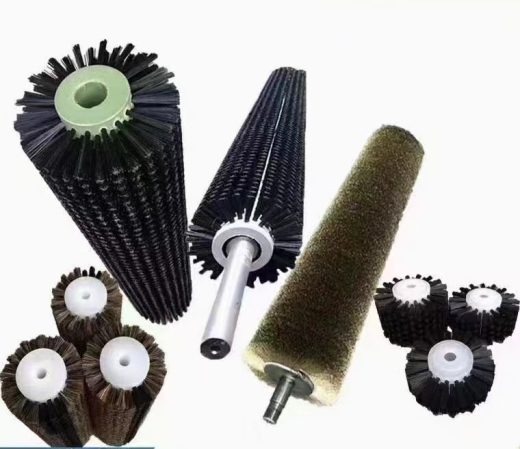
Picking the right material for a cylindrical brush is very important. The fill materials decide how well the brush works and how long it lasts. They also decide what jobs the brush can do. Let’s check out the most common materials and see how each one helps the brush work and last longer.
Metal Wire
Metal wire is a popular choice for cylinder wire brush designs. Factories and shops use this material when they need something strong. Metal wires like steel, stainless steel, and brass-coated steel have different strengths and thicknesses. These features help people pick the best brush for their job.
|
Wire Type |
Traction Resistance (Kgs/mm2) |
Carbon Content (%) |
Available Thickness (mm) |
|---|---|---|---|
|
Grey Steel |
200-275 |
0.50-0.60 |
0.12, 0.20, 0.30, 0.37, 0.50, 0.80 |
|
Stainless Steel |
160-180 |
N/A |
0.15, 0.20, 0.30, 0.40, 0.50 |
|
Brass Coated Steel |
230-250 |
0.75 |
0.15, 0.20, 0.30, 0.35, 0.40, 0.50 |
Metal wire cylinder brushes are good for tough cleaning and removing rust. They also get surfaces ready for work. These brushes work well in hard places and do not wear out fast. Stainless steel wires do not rust, so they are great for wet or food jobs. Brass wires clean soft surfaces without scratching them.
Cylinder wire brush choices with metal wire fill materials work well for hard jobs. They keep their shape and bristle strength after many uses.
Pros:
-
Very strong and lasts a long time
-
Handles heat and chemicals well
-
Good for tough cleaning
Cons:
-
Can scratch soft surfaces
-
Heavier than other materials
Best Uses:
Rust removal, cleaning welds, deburring, and getting metal ready.
PP
PP, or polypropylene, is a light synthetic material. Many businesses use PP as fill material for cylindrical brushes. It does not soak up water, most chemicals, or even high heat. PP bristles bend but do not break, so they last longer.
|
Material Type |
Description |
|---|---|
|
Polypropylene |
Lightweight synthetic option |
PP cylinder wire brush designs are good for sweeping, scrubbing, and moving dirt. They do not rust or rot, even in wet places. PP also costs less than some other materials, so it is used for big cleaning jobs.
Pros:
-
Does not soak up water or chemicals
-
Light and bends easily
-
Works for wet and dry jobs
Cons:
-
Not as stiff as metal wire
-
May wear out faster on rough jobs
Best Uses:
Sweeping, cleaning conveyors, and general scrubbing.
Nylon and Synthetics
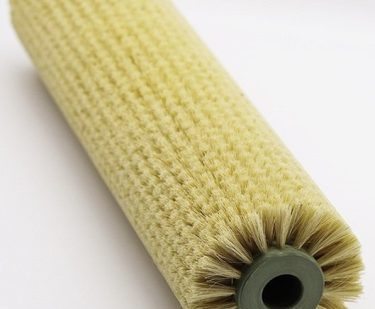
Nylon is a common synthetic fill material for cylindrical brushes. It is strong, bends well, and resists chemicals. Nylon bristles last a long time, even in dry or hot places. They go back to shape after bending and do not get hurt by most weak acids or solvents.
|
Material Type |
Description |
|---|---|
|
Nylon |
Synthetic bristle material |
Nylon cylinder wire brush choices work on rough surfaces and handle heat. Some nylon brushes have grit mixed in, which makes them clean better and last longer. Synthetics like nylon and other plastics give people more choices for special jobs.
Nylon and synthetics keep working well, even after many uses. They do not soak up much water, so they stay stiff and strong.
Pros:
-
Lasts a long time and does not wear out fast
-
Handles heat and chemicals
-
Works for many cleaning jobs
Cons:
-
Can get soft if left in water too long
-
Not as rough as metal wire
Best Uses:
General cleaning, polishing, and using with weak acids or solvents.
Animal Hair
Animal hair, like horsehair, is a natural fill material for cylindrical brushes. These bristles are soft and gentle. They are best for dusting, polishing, and cleaning soft surfaces. Animal hair holds fine dust and leaves things shiny.
|
Material Type |
Description |
|---|---|
|
Natural Filament |
Includes Tampico and Hair |
Animal hair cylinder wire brush designs do not scratch or hurt surfaces. They are good for jobs where a soft touch is needed.
Pros:
-
Gentle on surfaces
-
Holds dust well
-
Leaves things shiny
Cons:
-
Wears out faster than synthetics or metal wire
-
Not for tough cleaning
Best Uses:
Dusting, polishing, and cleaning glass, wood, or finished surfaces.
Abrasive Wire
Abrasive wire mixes synthetic bristles with grit, like silicon carbide. This material makes a regular cylindrical brush much stronger. Abrasive wire brushes bring new grit with every turn, so they keep cleaning well.
-
Abrasive cylinder wire brush designs are good for finishing surfaces and taking off tough coatings.
-
The non-woven web in some abrasive brushes does not get hot or clogged, so they finish better.
Pros:
-
Cleans and finishes evenly
-
Does not get hot or clogged
-
Makes the brush last longer
Cons:
-
Not for soft surfaces
-
May cost more than other fill materials
Best Uses:
Finishing surfaces, deburring, and taking off paint or coatings.
The right fill materials make a big difference in how well a brush works and how long it lasts. Things like heat, wetness, and chemicals also change which material is best. For example, high heat or strong chemicals need heat-resistant or chemical-resistant materials.
Tip:
Always pick fill materials that match the job and place. This helps the cylindrical brush work its best and last longer.
Applications of Cylinder Brushes
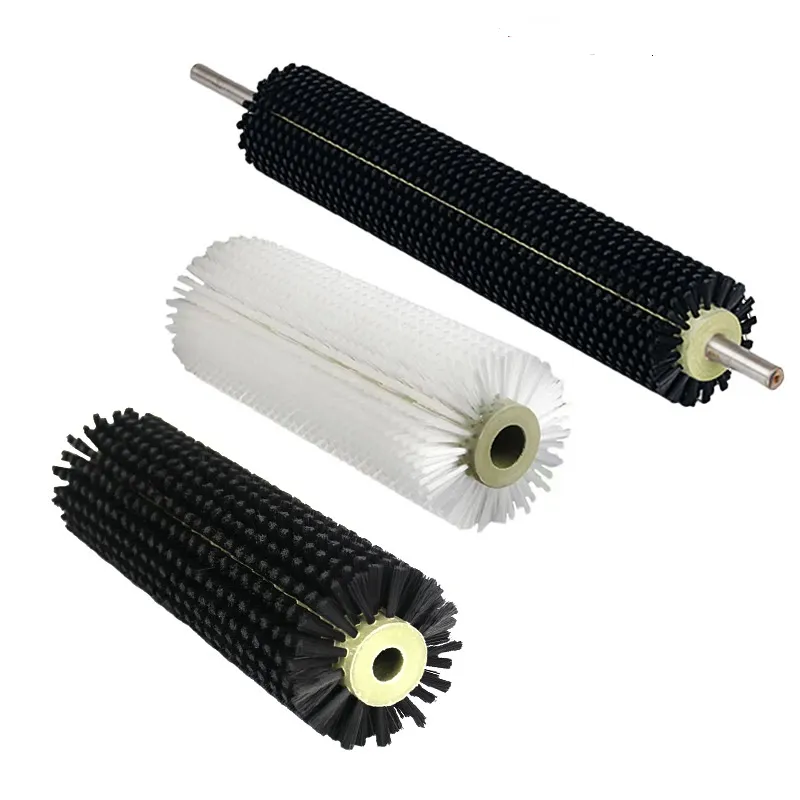
Cylinder brushes are used for many jobs. The material of the brush matters a lot. It helps with cleaning, removing dirt, and taking care of surfaces. People use these brushes in factories and workshops. They are also used in food processing. Each brush material works best for certain jobs. This helps people work faster and get better results.
Industrial Cleaning
Industrial cleaning needs strong tools. Cylinder brushes clean machines, floors, and conveyor belts. Wire brushes are used for heavy cleaning. They can remove tough dirt and stains. Nylon brushes with stiff bristles clean hard floors like concrete. They last a long time and do not wear out quickly. Polypropylene wire brushes are good for oily or greasy floors. They help keep floors safe and not slippery. Mixed bristle brushes can clean many types of surfaces. They are good for dust and dirt.
|
Brush Type |
Best Application |
Material/Features |
|---|---|---|
|
Wire Brushes |
Heavy-duty cleaning, debris removal |
Steel, Stainless Steel |
|
Nylon (Stiff) Brushes |
Industrial floors, tough dirt |
Stiff Nylon |
|
Polypropylene Brushes |
Oily/greasy floors |
Polypropylene |
|
Mixed Bristle Brushes |
General cleaning, cleaning fine debris |
Nylon, Polypropylene, Wire |
Surface Finishing
Surface finishing needs special brushes. Soft nylon brushes clean gentle surfaces like marble and wood. They take away dust and dirt without scratching. Abrasive brushes are used on tiles or metal. They remove hard stains and get surfaces ready for paint. Animal hair brushes polish wood and glass. They make things shiny and smooth.
Note: Picking the right brush material keeps surfaces safe and helps finish jobs faster.
Specialized Uses
Some jobs need special brushes. Cylinder brushes can clean small spaces and uneven places. They are good for cleaning tiny dirt in hard spots. In food factories, stainless steel brushes clean machines and do not rust. Soft bristle brushes are used for cleaning gentle things in labs or electronics. Abrasive brushes help remove coatings and smooth rough edges in factories.
Cylinder brushes can be used for many jobs. The right brush material helps clean better and take care of surfaces every time.
Choosing the Right Cylindrical Brush
Match Material to Task
Selecting the right cylindrical brush starts with understanding the job. Each material works best for certain tasks. For example, nylon brushes are used for cleaning and light finishing on plastics, wood, and coated metals. They stay strong and flexible, so they do not scratch surfaces. Abrasive nylon brushes help with deburring and smoothing. They have grit inside the bristles, which gives a steady finish without leaving marks.
PBT brushes work well for glass cleaning and electronics. They keep their shape even when wet. PP brushes are a smart choice for food-grade jobs or washing produce. They resist chemicals and water, making them safe for kitchens and food factories. PEEK brushes stand up to high heat and harsh chemicals. They last a long time in tough places.
Here is a quick guide to help match material to the task:
|
Material Type |
Best Use |
Key Properties |
|---|---|---|
|
Nylon |
Cleaning plastics, wood, films |
Durable, gentle |
|
Abrasive Nylon |
Deburring, smoothing |
Grit for even finish |
|
PBT |
Glass, electronics, wet jobs |
Stays stiff when wet |
|
PP |
Food, washing produce |
Chemical, water-resistant |
|
PEEK |
High heat, chemicals |
Very durable |
Tip: Always check the surface and the job before picking a brush. The right material makes cleaning faster and safer.
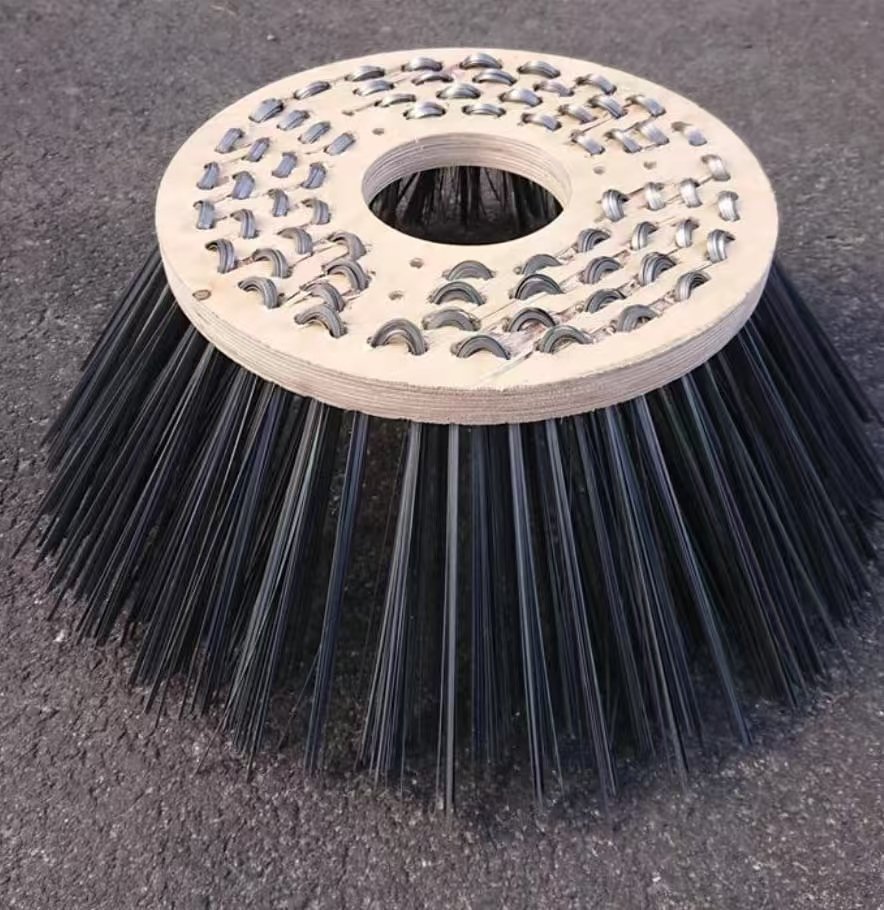
Practical Selection Tips
Choosing the best cylindrical brush also means thinking about mounting. The way a brush attaches to a machine changes how it works. Some cylindrical brush mounting options include shaft mounting, keyway mounting, and quick-release systems. Each option fits different machines and jobs.
When picking a brush, look at these points:
-
What is the surface type? Hard or soft?
-
Will the brush get wet or face chemicals?
-
How much heat will the brush handle?
-
What are the cylinder brush mounting options for your equipment?
-
How easy is it to change the brush during maintenance?
Mounting matters because a secure fit keeps the brush steady. A loose brush can wear out fast or clean unevenly. Some mounting styles let workers swap brushes quickly, saving time in busy factories.
Remember: The right mounting and material help the brush last longer and work better.
If unsure, talk to a brush expert. They can help match the right material and mounting to the job. This way, every cleaning or finishing task gets the best results.
Picking the best material for a cylindrical brush is very important. It helps the brush last longer and do a better job. People do not need to replace brushes as often. This means less time is wasted and more money is saved.
-
Good materials help machines work well and stop costly repairs
-
Strong brushes let workers spend less time cleaning
It is smart to think about what you need before choosing a brush. If you want the best results, ask a brush expert for help. They can help you pick the right material for your job.
FAQ
What makes cylinder brushes different from other brushes?
Cylinder brushes have bristles that wrap around a central core. They spin to clean, polish, or move items. This design helps them cover large areas quickly and reach spots that flat brushes cannot.
How do you clean a cylinder brush?
People can remove loose dirt by tapping the brush gently. For deeper cleaning, they can rinse the cylinder brush with water and mild soap. Let the brush dry fully before using it again.
Can cylinder brushes be used on delicate surfaces?
Yes, cylinder brushes with soft bristles, like nylon or animal hair, work well on delicate surfaces. They clean without scratching or damaging the material. Always test on a small area first.
How long does a cylinder brush last?
The lifespan depends on the material and how often people use it. High-quality cylinder brushes made from strong materials can last for months or even years with proper care.
What industries use cylinder brushes the most?
Factories, food processing plants, and workshops use cylinder brushes often. They help with cleaning, polishing, and moving products on conveyor belts. Many industries rely on them for daily tasks.