When condensers become fouled, they start to lose their ability to transfer heat and will begin to fail sooner than expected. Cleaning the tubes with the right type of Condenser Tube Cleaning Brush can be one of the most economical methods of restoring the efficiency of your system and reducing the amount of energy consumed while also extending the life of your condenser equipment. To appreciate the importance of these brushes, it is helpful to have a solid foundation for understanding the importance of the tubes and how they fit into real-world maintenance strategies before discussing the specifications and selection criteria for the various types of brushes available today.
Why Condenser Tube Cleaning Matters for HVAC Performance
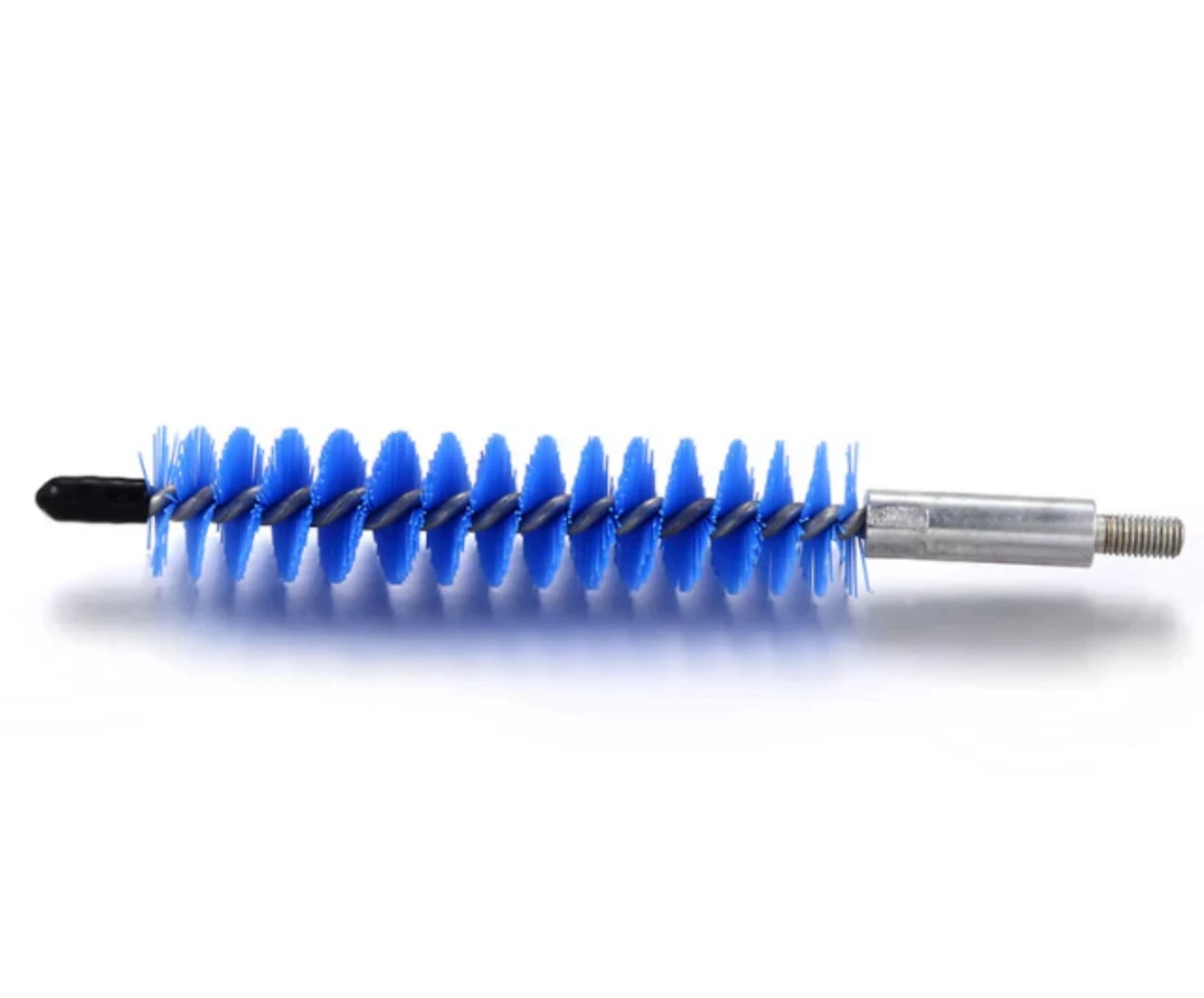
Condenser tubes transport all of the heat that refrigeration and chiller systems must reject for the systems to function properly. As time passes, the internal surfaces of the tubes build up a layer of deposits, such as mineral scale, biofilms, mud, and algae. A small amount of scale (sometimes as little as 0.6mm) can decrease the heat transfer efficiency by as much as 20% or greater. The subsequent increase in electricity cost and decrease in cooling capacity are caused by this inefficient heat transfer.
It is common for Facility Engineers, while tracking the performance of chillers, to observe a pattern whereby efficiency is gradually and often imperceptibly dropping until, at the peak season, there is a noticeable jump in energy costs, which is caused by the gradual drop in efficiency. Regular mechanical cleaning, using the appropriate type of brushes, will help to minimize this gradual, imperceptible drop.
Common Types of Fouling Found in Condenser Tubes
There are different approaches for cleaning various fouling types:
- Calcium and Magnesium scales/hard mineral deposits
- Biological fouling, such as algae and biologically augmented slime
- Cooling tower water produces sediments and mud
- Corrosion products and rust flakes
- The combination of multiple deposits
(As these multiple deposits use various brush types depending upon each deposit) this also contributes toward the fact that there is no one type of brush for all applications. The use of a condenser tube cleaning brush provides many benefits beyond just cleaning. Operations personnel who regularly brush the condenser tubes usually report several tangible improvements from their first brush cycle.
1. Restored Heat Transfer Efficiency
A clean tube wall will deliver thermal energy to and from the intended source of thermal energy in the manner for which the tube was designed. Mechanical brushing removes deposits that are often residue left on the tube walls by chemical cleaning (particularly scale deposits that are difficult to remove with strong acid cleaners).
2. Energy Consumption Is Lowered
When the condenser doesn’t have to work as hard to remove heat, compressors will run for less time than when they are working harder. Routine tube brushing typically reduces compressor loads from fouled systems by 10–15%, so it is easy to see how this will significantly reduce yearly energy consumption throughout a typical continuous operating year.
3. Extended Condenser Bundle Life
Tubes that remain clean have limited under-deposit corrosion, hence extended life of condenser bundles. As located in this section, condensers are very costly to replace.
4. Reduced Chemical Treatment Dependence
Mechanical cleaning reduces instance of using aggressive chemical descalers, which will protect laminate materials from acid related thinning, when used more than once.
Selecting Appropriate Sized Spiral Brush For Each Tube
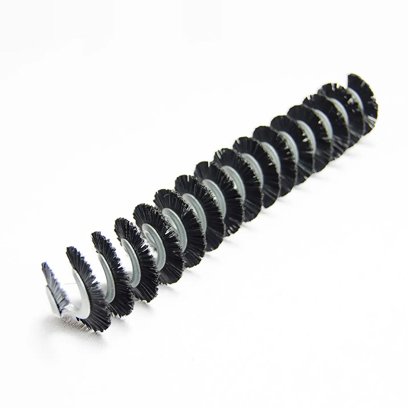
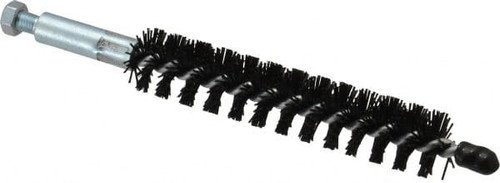
Each tube brush will not fit every brush. The most commonly used brush style in HVAC maintenance is the spiral brush which has filaments arranged in a helical manner to clean the full inner circumference as it moves through the tube. The geometry of the spiral is important because it allows the brush to maintain continuous contact with the inside surface of the tube instead of having a patchy clean as would occur with straight bristle designs.
When selecting tube material:
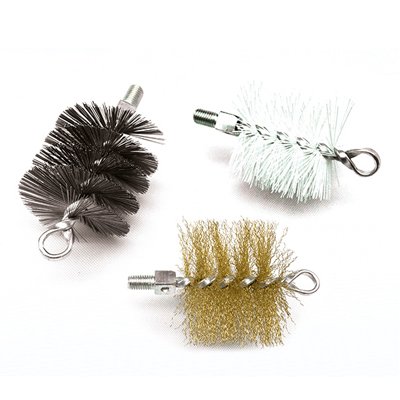
- The tube composition determines the type of material to use for an optimal cleaning brush (also known as tube cleaning brush fill).
- The type of fouling managed will influence your choice of a tube brush fill (materials used to build a tube cleaning brush) for each specific application.
Each of these criteria should be considered prior to selecting a cleaning brush as selecting the wrong one may further damage the surface of the tube wall (by leaving a brass wire impression on a titanium tube). The tube type and level of fouling will also play a major role in how well the cleaning process will be able to remove hard scale from the interior surfaces of the tubes. The industrial pipe cleaning brush selection guide has additional information on pairing tube brush fills with tube material for different applications.
| Tube Material | Recommended Brush Fill | Typical Application |
|---|---|---|
| Copper / brass | Brass wire or nylon | Standard HVAC condensers |
| Stainless steel | Stainless steel wire | Heavy scale, industrial chillers |
| Titanium | Nylon or polypropylene | Seawater-cooled condensers |
| Cupronickel | Brass or stainless wire | Marine HVAC systems |
The Proper Way to Use a Condenser Tube Cleaner
In addition to choosing the right brush, brushing technique is equally important. For maintenance personnel who do the work quickly and don’t perform a thorough job, the fouling will return much more quickly than expected.
A typical cleaning sequence is as follows:
- Isolate and drain the condenser bundle
- Visually inspect all tube ends for any obstructions or damage
- Select a tube brush that is approximately 1-2mm larger than the inside diameter (ID) of the tube, so that the bristles will be in proper contact with the tube surface
- Secure a brush head to either a flexible rod or a rotary drive unit
- Insert the brush head into each tube using a consistent, even stroke
- Use clean water with enough pressure to completely flush out the previously stuck debris
- Write down the condition of each of the tubes for later comparison
Omitting the documentation stage may be perceived as insignificant; however, it serves as an important tool for avoiding potential issues before they reach emergency levels. While these concepts can be applied within multiple aspects of industry, healthcare, and HVAC (Heating, Ventilation, and Air Conditioning), tube cleaning brush applications will share similar principles across each area of these respective industries.
Frequency of Cleaning Recommendations
Frequency of cleaning a system depends upon the quality of water used in your application, how long the system has been in operation, and how quickly it becomes fouled. In general, recommendations for cleaning frequency will include:
- Open cooling tower systems: every 6–12 months
- Closed-loop systems: every 12–24 months
- Systems with poor water treatment: every 3–6 months
- Critical process cooling: based on performance monitoring
Common Mistakes to Avoid
Even experienced technicians occasionally make decisions that can either shorten the life of the brush or cause damage to the tubes. Some of the more common problems that techs face are choosing the incorrect size brush (too big) which creates getting stuck in the middle of the tube, applying excessive rotation speed, causing the bristles on the brushes to flatten themselves out, and reusing brushes that have already been worn to a point where proper wall contact is not possible anymore. Worn brushes will provide a false appearance of cleaning an area while leaving a large amount of fouling behind — this is the most frustrating outcome of all and will end up wasting a technician’s time.
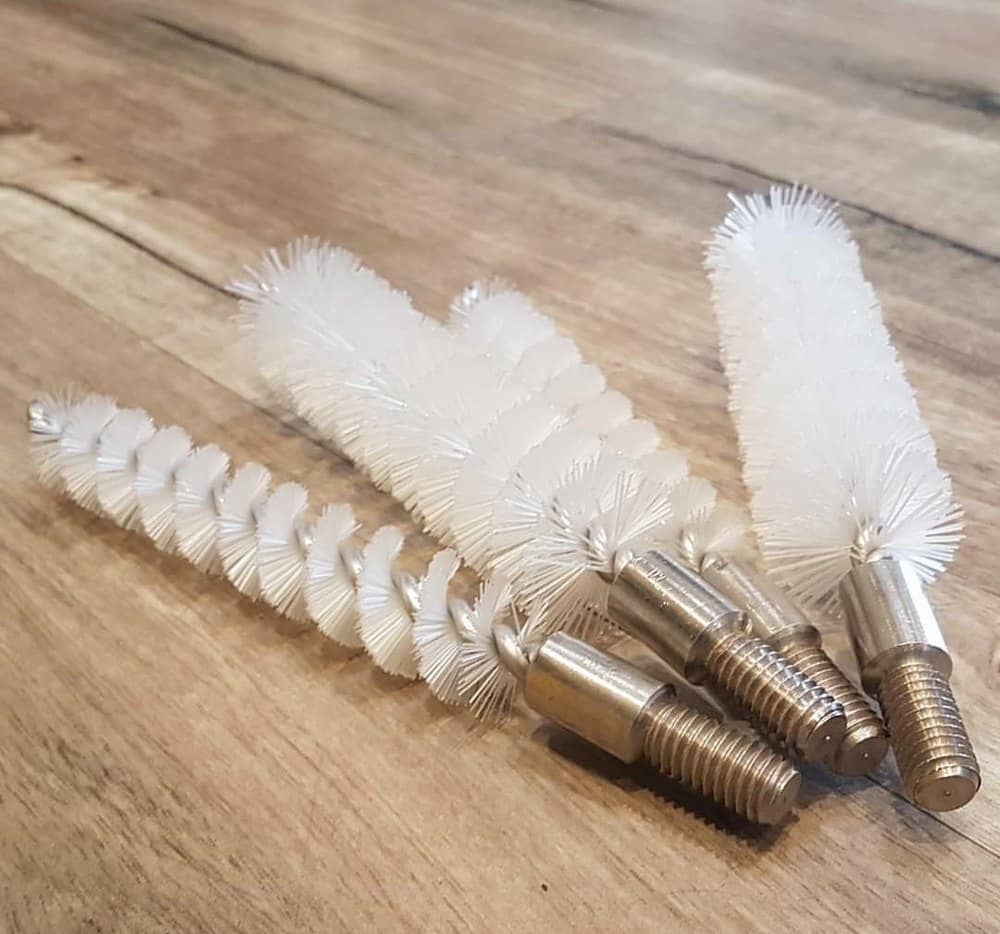
Choosing high-quality tools at the outset will help prevent many of these issues from happening again. For example, the test tube brush cleaning guide demonstrates specialized cleaning applications that help select the correct size and type of bristles based on the type and size of tube you are using.
FAQ
Q1: How long does a condenser tube cleaning brush usually last?
A well-made brush will generally clean approximately 200 to 500 tubes before the bristles start to wear down. The actual number of tubes that can be cleaned will depend on how dirty each tube is and how hard the material is that the tube is made from.
Q2: Is it possible to use the same brush to clean copper and stainless steel tubes?
Typically, the answer is no — each different tube material requires different matched brush fills to prevent surface damage while also providing adequate cleaning contact at varying hardness levels.
Q3: Is mechanical brushing superior to chemical cleaning for HVAC condensers?
In most maintenance cycles, the short answer is yes. Brushing will mechanically remove deposits without repeatedly exposing tubes to acid attack, while a combination of both processes may work best in cases of extreme fouling.