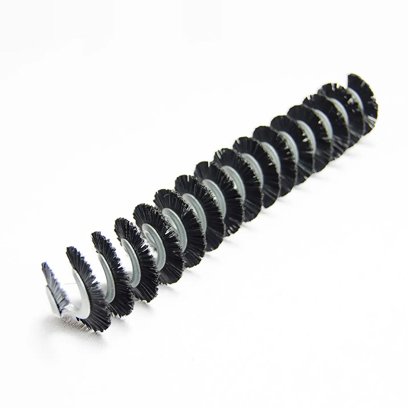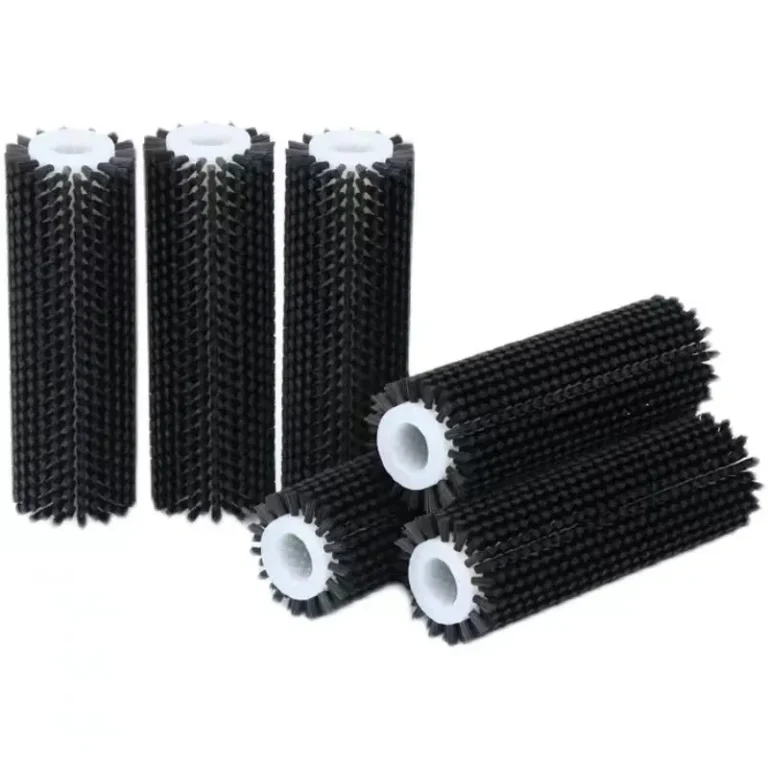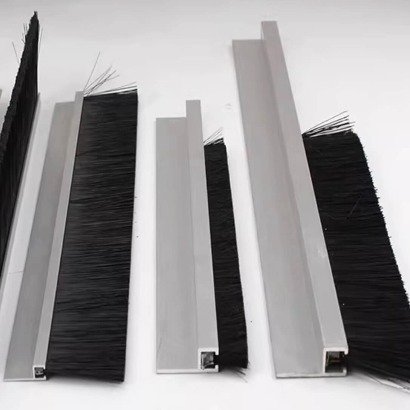
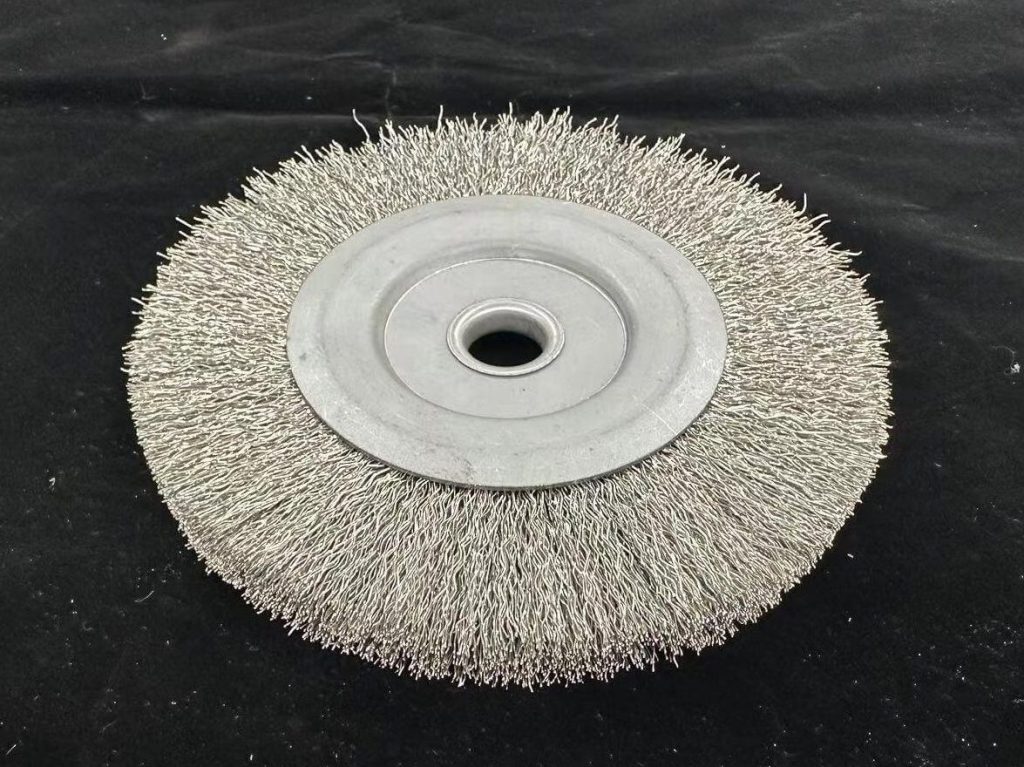
Choosing stainless steel wire brushes for a project depends on a few factors. The type of material is significant. What you intend to use the brush for is important too. The finish you desire also plays a crucial role. Individuals using Stainless Steel Wire Brushes may require a Wheel Brush for hard surfaces. A Wire Brush Roller for Polishing is ideal for delicate areas. Selecting the right brush ensures that the work proceeds smoothly and efficiently every time.
Key Takeaways
-
Pick the right brush for your project. Wheel brushes work well on big areas. Cup brushes are good for small spaces.
-
Stainless steel wire brushes stop contamination. They are best for cleaning stainless steel and aluminium. They do not cause rust.
-
Choose the correct wire thickness. Fine wires are good for polishing. Coarse wires are better for removing tough rust.
-
Make sure the brush fits your tool. This keeps you safe and helps you work better. Check the brush’s RPM rating to stay safe.
-
Clean your brushes after you use them. This helps them last longer. It also keeps surfaces smooth and free from scratches.
-
Wear gloves and face shields when you use brushes. This protects you from flying bits and chemicals.
-
Learn what each brush type is used for. Twisted knot brushes are great for hard cleaning jobs.
-
Listen to expert advice when picking brushes. This helps you get the best results and keeps your work high quality.
When to Use Stainless Steel Wire Brushes
Benefits of Stainless Steel Wire Brushes
Stainless steel wire brushes have many good points. They are a top pick for lots of projects. One big reason is that they stop contamination. If you use them on stainless steel or aluminium, they help stop rust and dirt. Other brushes can cause these problems. These brushes also fight off corrosion very well. This means they work great in wet or damp places. The bristles clean and polish surfaces well. They leave the surface smooth and neat.
Tip: Stainless steel wire brushes do not drop bits that make rust. This makes them perfect for jobs where you need things clean and strong.
The table below shows the main benefits:
|
Benefit |
Explanation |
|---|---|
|
Prevents contamination |
Avoids rusting and impurities on stainless steel and aluminium surfaces |
|
Suitable for specific materials |
Cleans stainless steel and aluminium without causing degradation |
|
Effective cleaning and polishing |
Removes impurities and polishes surfaces for a high-quality finish |
Suitable Materials and Environments
Stainless steel wire brushes are best for some materials and places. They are good for stainless steel and aluminium. They do not cause damage or contamination. These brushes also work well where there is water or chemicals. This includes marine, food processing, or outdoor jobs. In places like swimming pools, good air flow helps stop stains or marks on stainless steel.
Note: Steel wire brushes are not for stainless steel or aluminium. They can bring in dirt and cause rust.
The table below shows which brush is best for each job:
|
Brush Type |
Suitable Applications |
|---|---|
|
Wire Wheel Brushes |
Flat surface cleaning, rust removal, paint stripping |
|
Cup Brushes |
Edge work, internal corners, contoured surfaces |
|
End Brushes |
Tight spaces, holes, intricate profiles |
|
Twisted Wire Brushes |
Heavy-duty applications |
|
Crimped Wire Brushes |
Finishing work, delicate surfaces |
Typical Project Uses
Many jobs and trades use stainless steel wire brushes for different tasks. People pick these brushes for rust removal. They are strong and do not rust easily. They are also good for taking off sharp edges, blending surfaces, and getting things ready for welding or painting. The table below lists common jobs and why people use stainless steel wire brushes:
|
Project Type |
Reasons for Selection |
|---|---|
|
Rust Removal |
Strength, corrosion resistance, efficiency |
|
De-burring Metals |
Strength, efficiency |
|
Surface Blending |
Corrosion resistance, efficiency |
Stainless steel wire brushes keep the material strong and clean. They are useful and last a long time. That is why you see them in workshops, building sites, and repair shops.
Key Selection Factors for Wire Brushes
Wire Type and Grade
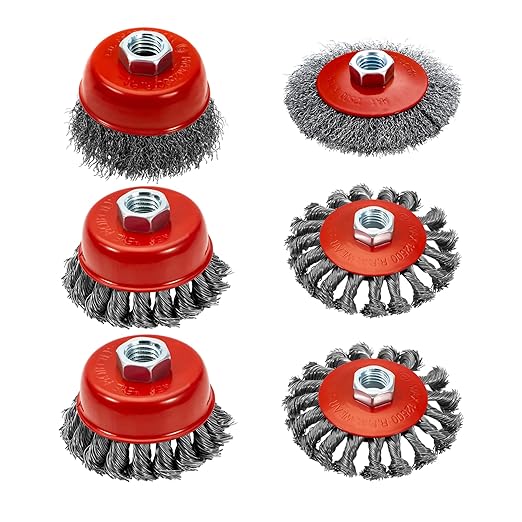
Stainless steel wire brushes have different wire types and grades. Each type is good for a certain job. Some wires bend easily and are soft. Others are hard and strong. Industrial-grade wires do not rust and keep things clean. These brushes are used where no contamination is allowed. Factories and workshops use them to clean and get surfaces ready. The wire grade shows how tough the brush is. High-grade wires last longer and work better. Workers pick the wire type based on what they need to clean and the finish they want.
Wire Diameter: Fine vs. Coarse
Wire diameter is very important. Fine wires are thin and gentle. They clean and polish delicate things. Coarse wires are thick and strong. They take off rust and paint from hard surfaces. People use fine wires for light cleaning and finishing. Coarse wires are for tough jobs like rust removal. The choice depends on the project. If you want a smooth finish, use fine wires. If the job is rough, coarse wires are better.
Tip: Fine wires stop scratches on soft metals. Coarse wires clean hard surfaces faster.
|
Wire Diameter |
Best Use |
Surface Impact |
|---|---|---|
|
Fine |
Polishing, finishing |
Smooth, gentle clean |
|
Coarse |
Rust removal, stripping |
Aggressive cleaning |
Brush Shape and Design
The shape of the brush changes how it works. Different shapes are good for different jobs. Stainless steel wire brushes come in wheel, cup, twisted-knot, and spiral tube shapes. Each shape helps with a special task.
Wheel Brushes
Wheel brushes clean big flat areas. They spin fast and cover a lot of space. Workers use them to take off paint, rust, and dirt. These brushes work quickly and save time. Factories use wheel brushes for large cleaning jobs.
Cup Brushes
Cup brushes fit inside pipes and corners. They clean inside threads and small spaces. The cup shape makes the brush steady and safe. Cup brushes are good for cleaning jobs that need control. Maintenance teams use them for pipes and machine parts.
Spiral Wire Brush
Spiral brushes reach into tiny gaps and detailed spots. They clean places other brushes cannot reach. Spiral wire brushes are good for tricky cleaning jobs. Workers use them for careful work in factories.
|
Brush Shape |
Application |
Effectiveness |
|---|---|---|
|
Wheel Brush |
Cleaning larger flat surfaces |
High efficiency in removing debris |
|
Internal cleaning tasks like pipes |
Excellent for stability and safety |
|
|
Detailed work and reaching tight spaces |
Effective in intricate cleaning tasks |
-
Wheel brushes take off paint, rust, and dirt from big areas.
-
Cup brushes clean inside threads and pipes.
-
Spiral brushes clean small, hard-to-reach places.
Stainless steel wire brushes are strong tools for professionals. They come in many shapes and sizes. Workers use them for tough rust removal, careful polishing, and finishing. These brushes can do many jobs in factories, repairs, and making things. Metal wire brushes for grinders and polishing brushes fit different tools and help treat surfaces.
Tool Compatibility
Choosing the right stainless steel wire brush means checking if it fits the tool. Some brushes work best with power tools. Others suit hand tools. The match between brush and tool affects safety and results.
A brush must fit the tool’s size and speed. Power tools spin at high speeds. Each brush has a maximum safe speed. Exceeding this speed can damage the brush or cause accidents. Always check the brush’s RPM rating before use.
Brushes come in different shapes and designs. Wheel brushes often fit angle grinders. Cup brushes work with drills. Spiral brushes suit smaller rotary tools. The construction of the brush matters too. Strong materials help the brush last longer and work better.
Some brushes are made for special jobs. For example, brushes designed for stainless steel prevent contamination. This is important in food processing or marine work. Using the wrong brush can leave marks or cause rust.
The table below shows key factors for tool compatibility:
|
Factor |
Description |
|---|---|
|
Type of Wire Brush |
Each brush type matches a specific tool and job. |
|
Construction |
Strong materials and design help the brush work well with different tools. |
|
Maximum Safe Operating Speeds |
Every brush has a speed limit. Staying below this keeps work safe and effective. |
|
Specific Applications |
Some brushes suit certain tasks. The job decides which brush to use. |
|
Stainless Steel Design |
Brushes made for stainless steel stop contamination. This matters in sensitive environments. |
Tip: Always check the tool’s manual and the brush’s label. This helps avoid mistakes and keeps work safe.
Matching the brush to the tool makes cleaning and polishing easier. It also protects the surface and extends the life of the brush.
Selecting the Right Wire Brush for Your Application
Rust and Paint Removal
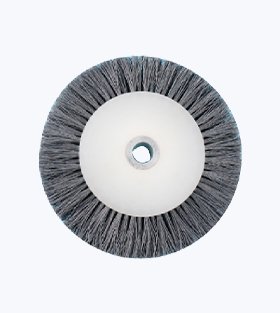
Getting rid of rust and paint needs strong tools. People who work in factories or fix things use stainless steel wire brushes for this. These brushes are great at taking off tough rust, old paint, and scale from metal. If you need to clean small rusty spots, handheld wire brushes help you reach tight areas. Cup brushes are good for big flat places. They make it easy to clear away thick rust and dirt fast. Wheel brushes work with bench grinders or die grinders. They clean edges and strip paint well. Twist knot brushes are very strong. They are best for hard cleaning jobs in big factories.
The table below shows which brush is best for each job:
|
Type of Wire Brush |
Best Use Case |
|---|---|
|
Handheld Wire Brushes |
Precision rust removal, tight spaces |
|
Cup Brushes |
Large surface rust and paint removal |
|
Wheel Brushes |
Edge cleaning, paint stripping |
|
Twist Knot Brushes |
Heavy-duty cleaning, industrial rust removal |
Stainless steel wire brushes do not rust easily. This makes them safe for cleaning in wet or rough places. People often pick these brushes for removing rust and paint in workshops and repair shops.
Tip: Twist knot brushes take off thick rust and paint fast. Cup brushes are best for cleaning big areas quickly.
Surface Preparation and Cleaning
Picking the right wire brush helps you clean and get metal ready for work. Stainless steel wire brushes are good for cleaning before welding, painting, or coating. They are strong and work well in factories and repair shops. Metal wire brushes for grinders clean large areas. Polishing brushes give a smooth finish.
The table below shows which wire type is best for each job:
|
Wire Type |
Application Description |
|---|---|
|
Stainless Steel |
Cleaning surfaces in food processing, marine, and fabrication |
|
Twisted/Knot Configuration |
Heavy-duty cleaning after welding, severe corrosion removal |
|
Soft Brass |
Delicate cleaning, polishing jewellery |
|
Bronze |
Paint stripping, heavy rust removal |
|
High-Tensile Carbon Steel |
Tough cleaning jobs |
Stainless steel wire brushes can handle hot or chemical places. Workers use them to get metal ready in factories and repair shops. This makes sure the surface is clean. Polishing brushes finish the job and leave the metal smooth.
Note: Stainless steel wire brushes stop rust and corrosion. This makes them great for cleaning in places where things must stay clean.
Weld Cleaning and Finishing
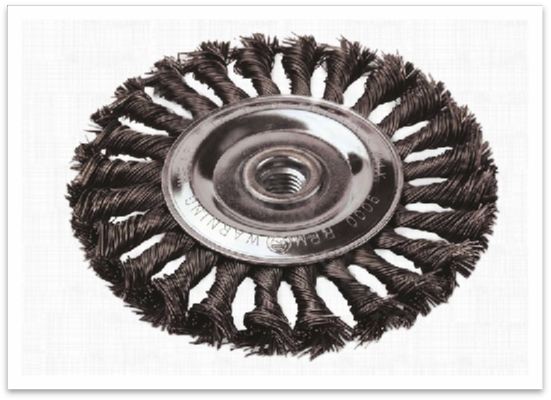
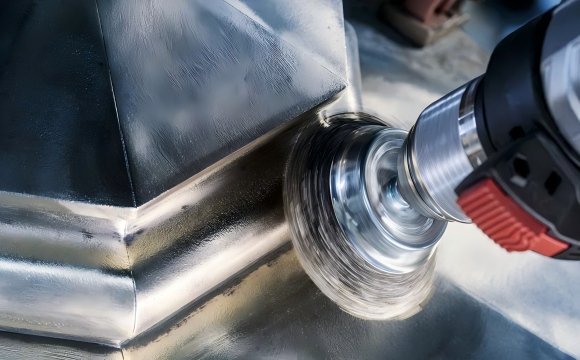
Cleaning and finishing welds needs good tools. Stainless steel wire brushes work with angle grinders, die grinders, and drills. This makes them useful for cleaning welds. These brushes clean TIG welds in small spaces and corners. This helps the weld look better and stops dirt from getting in. Food, drink, and medicine factories like these brushes. They keep things clean and neat.
-
Stainless steel wire brushes fit many tools, so weld cleaning is easier.
-
They clean welds in small corners and tight gaps.
-
People in factories use these brushes for the last polish and finish.
Metal wire brushes for grinders and polishing brushes help make the weld smooth and shiny. Picking the right wire brush for weld cleaning keeps the surface strong and free from rust.
Tip: For tough weld cleaning, use twisted knot brushes. For finishing, use wheel brushes. Polishing brushes give the final smooth look.
Deburring and Polishing
Deburring and polishing are important in metalwork. When metal is cut or shaped, sharp edges and burrs can stay. Taking away these rough bits keeps people safe and makes the metal look better. Stainless steel wire brushes are good tools for both jobs.
For deburring, twisted knot wheel brushes are strong. They take off tough burrs from hard metals. Crimped wire brushes are softer. They work well on soft metals or gentle surfaces. Workers use wheel brushes with grinders to clean big parts fast. End brushes can get into small holes and grooves. They help remove burrs in tight places.
Polishing needs a different method. Fine wire brushes with stainless steel bristles give a smooth finish. These brushes make metal like stainless steel and aluminium look shiny. Cup brushes polish big areas. Hand brushes are good for small, careful jobs. Spiral wire brushes are best for tricky shapes or curved spots.
Cleaning is needed for both deburring and polishing. Dust and bits must be cleared away for a perfect finish. Stainless steel wire brushes clean surfaces before and after these jobs. This stops dirt from getting in and gets the metal ready for painting or coating.
Tip: Pick the right brush shape and wire size for your job. The correct brush stops scratches and gives a neat result.
Quick-Reference Guide
Choosing the right stainless steel wire brush can be hard. A simple guide helps you pick the best one. Here is a list that matches jobs with the right brush:
-
Rust Removal: Use cup or wheel brushes for big flat areas. End brushes are best for corners and grooves.
-
Paint Stripping: Wheel brushes are good for wide spaces. Cup brushes work on curved or shaped surfaces.
-
Weld Seam Cleaning: Wheel brushes clean flat seams. Pipeline brushes are for U or V seams. Bevel brushes reach hard welds.
-
Surface Preparation: Crimped wire brushes clean gently. Twisted knot brushes are for tough cleaning.
-
Deburring: Twisted knot wheel brushes take off hard burrs. End brushes clean holes and edges.
-
Polishing: Fine wire cup brushes polish big areas. Spiral wire brushes finish tricky shapes.
-
Manual Cleaning: Hand brushes give control for small welds and parts.
The table below shows the best brush for each job:
|
Task |
Recommended Brush Type |
Typical Application Area |
|---|---|---|
|
Rust Removal |
Cup, Wheel, End |
Flat surfaces, corners, grooves |
|
Paint Stripping |
Wheel, Cup |
Large, contoured surfaces |
|
Weld Seam Cleaning |
Wheel, Pipeline, Bevel |
Flat, U/V seams, hard-to-reach |
|
Surface Preparation |
Crimped, Twisted Knot |
Delicate, heavy-duty cleaning |
|
Deburring |
Twisted Knot, End |
Edges, holes, grooves |
|
Polishing |
Fine Cup, Spiral |
Large, intricate surfaces |
|
Manual Cleaning |
Hand Brush |
Small parts, weld seams |
Note: Using the right brush for the job and material gives the best clean and finish. Stainless steel wire brushes work well where things must stay clean and not rust.
Safety and Best Practices with Stainless Steel Wire Brushes
Personal Protective Equipment
Safety is very important when using stainless steel wire brushes. Workers can get hurt by flying bits, dust, or chemicals. The right safety gear helps stop injuries and keeps work safe. Here are some things you should wear:
-
Use face and eye protection, like a full-face shield that covers your throat.
-
Wear waterproof, acid-resistant clothes with tight cuffs to keep chemicals out.
-
Put on neoprene rubber gloves or long gauntlets that cover your sleeves.
-
Wear rubber boots, which are helpful when spraying or using a pressure washer.
Tip: Wearing all the right gear helps stop cuts, burns, and eye injuries.
Brush Maintenance and Care
Looking after your brush makes it last longer and keeps surfaces nice. Workers pick fine stainless steel wire brushes for cleaning tools. Big, strong brushes can scratch or damage soft surfaces and cause rust. Cleaning your brush often helps it work well.
-
Wash stainless steel with soap or a gentle cleaner and warm water.
-
Rinse it well and dry it with a soft cloth that does not leave marks.
-
Use soft cloths, sponges, or plastic pads for cleaning.
-
Do not use steel wool, metal scrapers, or rough wire brushes on soft surfaces.
A simple cleaning routine keeps your brush working and stops scratches or rust.
|
Maintenance Step |
Benefit |
|---|---|
|
Gentle cleaning |
Keeps brush bristles in shape |
|
Proper drying |
Stops rust and sticky marks |
|
Using soft materials |
Stops damage to surfaces |
Avoiding Common Mistakes
Mistakes can ruin your work or damage the surface. Experts say to watch out for these errors:
-
Do not use rough cleaners that scratch and make stainless steel look dull.
-
Never use steel wool or wire brushes on surfaces, as they leave tiny scratches and harm the protective layer.
-
Always rinse well after cleaning, or you will get leftover marks.
Note: Careful cleaning and rinsing help keep stainless steel looking good and strong.
If you follow these safety and care tips, your stainless steel wire brushes will work well and last longer in any workshop or factory.
Troubleshooting and Expert Tips
Brush Wear and Replacement
A wire brush works well when it is not damaged. Over time, brushes get old and do not work as well. Workers can see some signs that show it is time to get a new brush. These signs are:
-
Wires come out and you can see the backing.
-
Bristles bend or twist, so the brush does not clean well.
-
Handles crack or break, which makes holding it unsafe.
When these things happen, the brush cannot clean or polish right. Getting a new brush keeps the work safe and the results good. Checking brushes often helps find problems early.
Preventing Surface Damage
Surfaces can get damaged if you use the wrong tool or method. Many workers want to keep delicate finishes and soft materials safe. There are some ways to stop scratches or marks:
-
Stiff bristle brushes are good for metal, stainless steel, or plastic tools.
-
Soft sponges are best for gentle finishes.
-
Do not use wire brushes on tools with soft metal or thin coatings.
Picking the right cleaning tool for each job keeps surfaces smooth and safe. Workers often try cleaning a small spot first to see if there are any problems.
Tip: Always use the right brush for the material. This easy step stops mistakes and keeps surfaces looking nice.
Maximising Brush Life
Brushes last longer if you look after them. Workers clean brushes after using them to get rid of dust and dirt. Keeping brushes in a dry place stops rust and keeps bristles strong. Using the right speed and pressure stops brushes from wearing out too soon. Workers also do not use brushes on surfaces that are too hard or rough for the bristles.
This table shows how to make brushes last longer:
|
Method |
Benefit |
|---|---|
|
Clean after each use |
Gets rid of dirt, stops rust |
|
Store in dry area |
Keeps bristles strong |
|
Use correct pressure |
Stops brushes wearing out |
|
Match brush to job |
Stops damage |
Looking after brushes and using them carefully helps them work well for longer. Workers save time and money by doing these simple things.
Expert Recommendations
People who work with metal or fix things share helpful advice. These tips help you get a clean finish and keep your tools working well. They also help you avoid damage.
Here are some important things to remember when picking a wire brush for special jobs:
-
Pick stainless steel wire for cleaning stainless steel. This stops rust and keeps the metal clean.
-
Think about the wire shape. Crimped brushes bend easily and are good for light cleaning. Knotted brushes are tough and clean heavy rust or hard surfaces.
-
Look at wire thickness. Thin wires make surfaces smooth and are good for polishing. Thick wires clean rough rust and paint quickly.
-
Make sure the brush fits your power tool. It should fit your angle grinder or drill. The right fit keeps you safe and helps you work better.
-
Match the brush size and speed to your job. Big brushes clean large areas. Always check the brush speed matches your tool to stay safe.
Experts also share some good habits for daily use:
Always check the brush before you start. Broken wires or loose parts can be unsafe or give bad results.
Use gentle pressure when cleaning or polishing. Pushing too hard wears out the brush and can scratch the surface.
Keep brushes dry after using them. Water can make wires weak and shorten their life.
The table below shows expert tips for picking and using stainless steel wire brushes:
|
Recommendation |
Benefit |
|---|---|
|
Use stainless steel wire |
Stops contamination |
|
Choose correct configuration |
Matches cleaning strength to the job |
|
Select proper wire thickness |
Gets the finish you want |
|
Ensure mounting compatibility |
Keeps work safe and easy |
|
Match diameter and speed |
Cleans well and stops damage |
Professionals use these rules for cleaning, polishing, and removing rust. Following expert advice keeps metal surfaces looking good and helps tools last longer.
Picking the right wire brush means thinking about the material, the job, and the finish you want. Choosing the best brush type, wire thickness, and shape helps you work safely and get good results. If you follow simple steps, you get many good things:
-
Picking the right brush stops damage and cleans well.
-
Wearing safety glasses and gloves keeps you safe from flying bristles.
-
Checking your brushes often helps you find problems early.
A quick guide and safety tips make your next projects safer and easier.