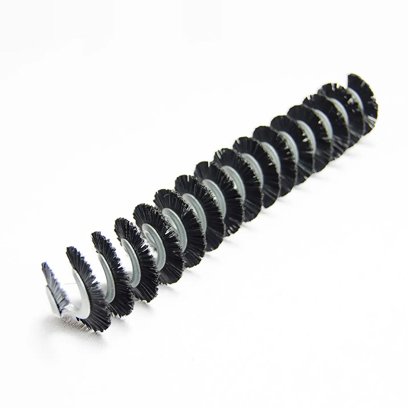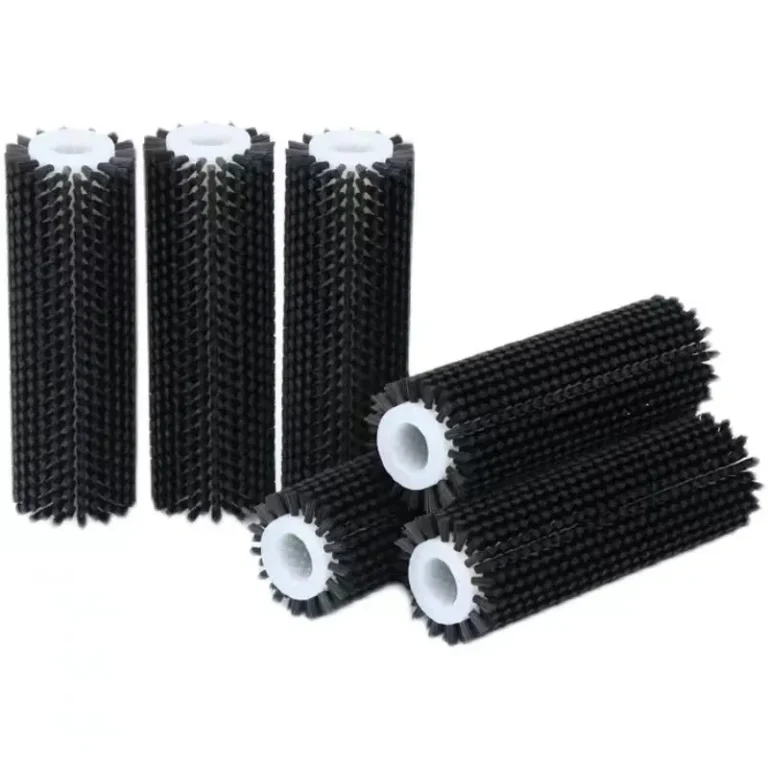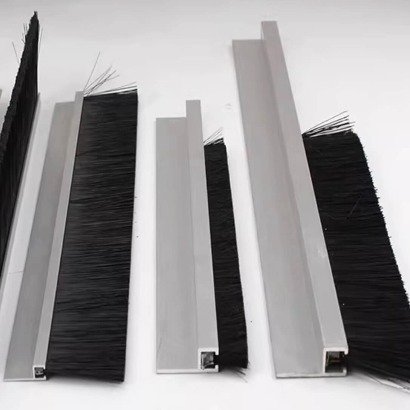
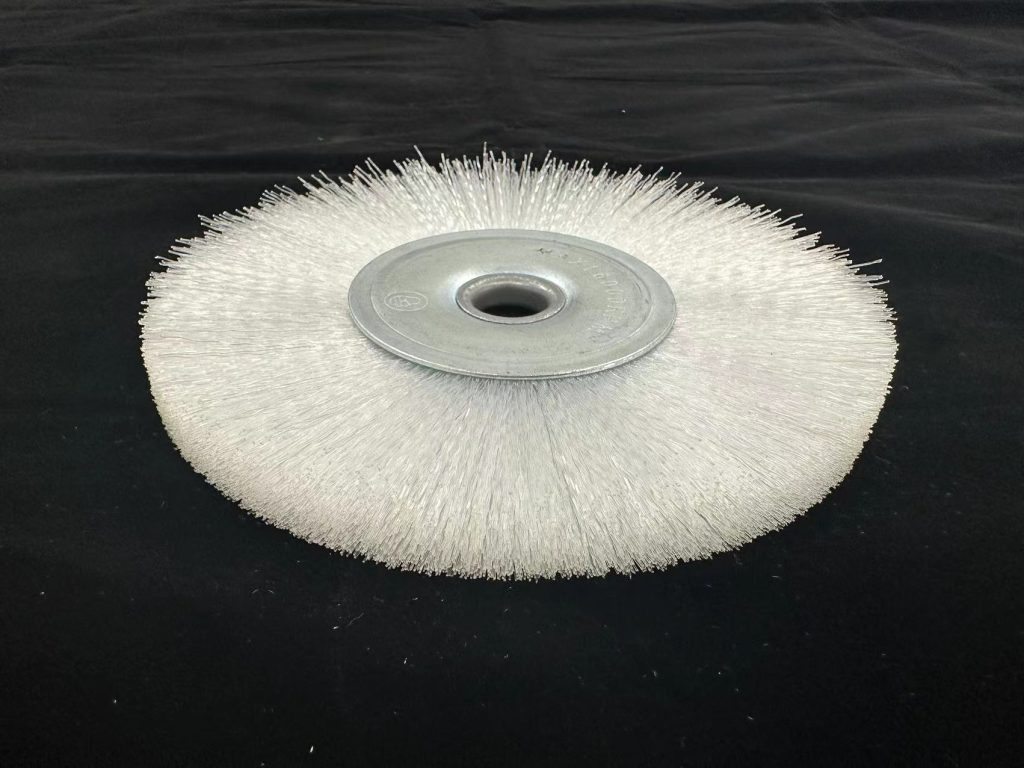
Preparing surfaces properly is a vital step in metal fabrication, automotive repair, and general industrial production. Professional teams utilize tough, versatile toolsets to provide consistent results while protecting the integrity of their workpieces. A practical solution for this is the plastic wire wheel brush; this tool provides a cost-effective, gentle yet powerful means of doing work for extended periods across multiple industries.
By using these specialized brushes correctly, a worker will extend the service life of their equipment and achieve finishing consistency. As a result, this type of polymer-based tool has become fundamental in workshop environments around the globe.
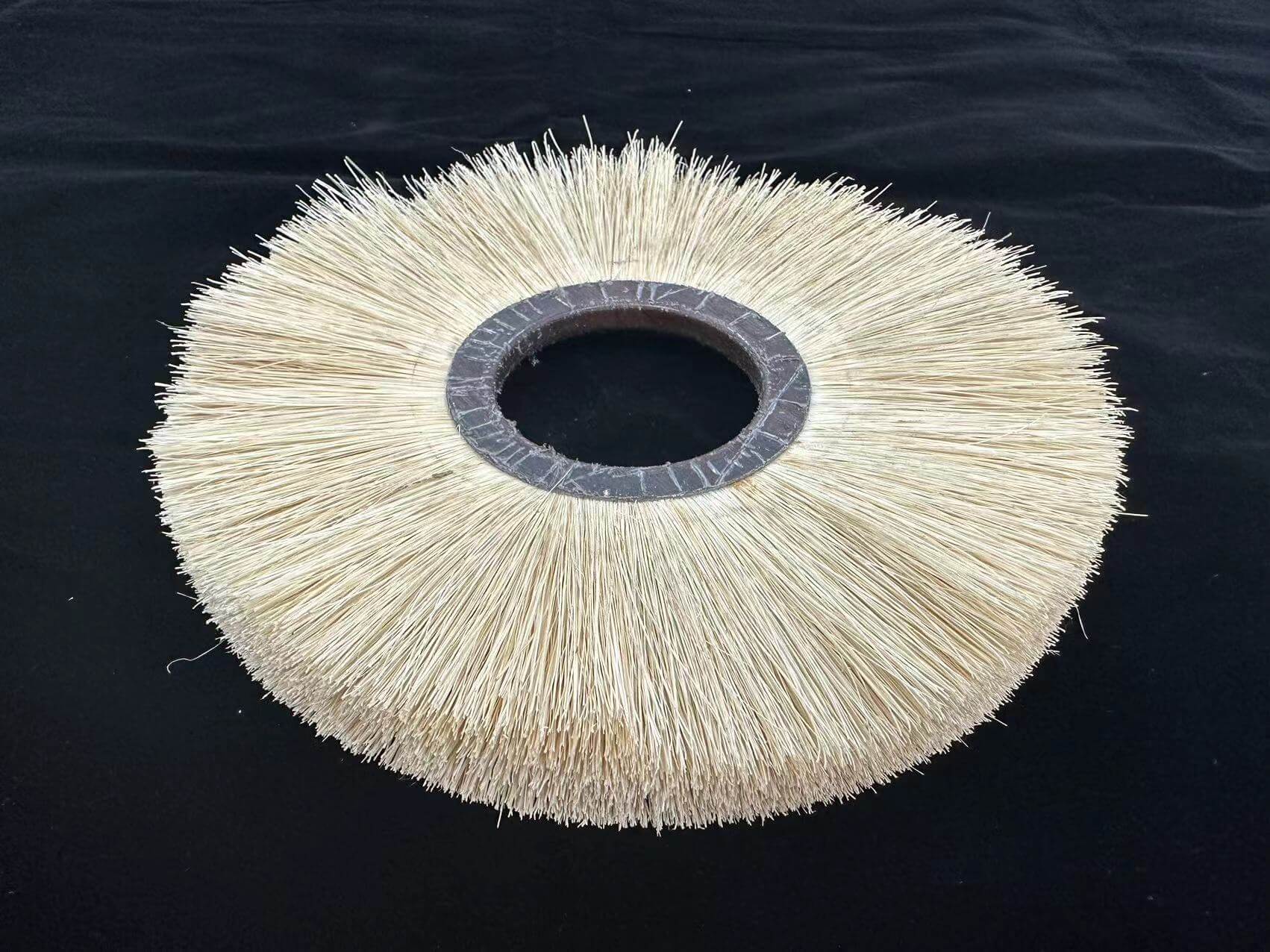
Key Advantages of the Plastic Wire Wheel Brush in Industrial Processes
The plastic wire wheel brush has many unique features that give it a superior advantage over traditional carbon steel options. In addition to having excellent balance, this type of surface finishing tool can be used with high efficiency without damaging delicate surfaces.
- Soft, yet Efficient Cleaning: These brushes are ideal for cleaning delicate metals, composites, and finishing operations that require rust and dust removal.
- Anti-Scratch Capability: When utilizing a nylon filament wheel, there will be fewer marks left on aluminum, stainless steel, and coated products.
- Corrosion Resistance: The materials perform perfectly in chemically exposed or moisture-laden surroundings without rusting.
- Long Service Life: Constant high-speed use provides continual filament structure stability.
- Wide Compatibility: Fits common grinders, drills, and bench tools to allow multiple installation options for maximum versatility.
A high-quality plastic wire wheel brush guarantees stable performance throughout regular production activities, reduces the frequency of parts that need replacing, and provides consistent finishes on every part produced.
Comparison of Plastic Wire Wheel Brushes to Other Types of Industrial Brush
The brush type selection process can be made easier by reviewing the differences between the different types of brushes, and understanding their purpose for each application, as shown in the table below.
| Brush Type | Main Material | Typical Applications | Best Use |
| Plastic Wire Wheel Brush | Nylon/PP Plastic Filament | Light Deburring, Polishing, Anti-Corrosion Grind prep | Delicate Surfaces & Finished Parts & No-Scratch Jobs |
| Metal Wire Brush | Stainless Steel/Carbon Steel | Heavy Rust, Weld Cleaning, Removing Scale | Ferrous Metals, Heavy Duty Fabrication |
Plastic Wire Wheel Brushes are made from plastic, nylon or polyester bristles and provide a gentle, mild cleaning solution that is frequently employed in the following industrial environments: Light surface preparation, light deburring, and polishing and texturing of surfaces.
These plastic wire wheel brushes are an extremely effective and versatile type of finishing brush for many common industries. Plastic Wire Wheel Brushes should be used when you require an aggressive cleaning brush on delicate metals but want to ensure you do not damage the surface of the metals. These types of brushes will provide you with an effective cleaning solution without putting the metal part at risk.
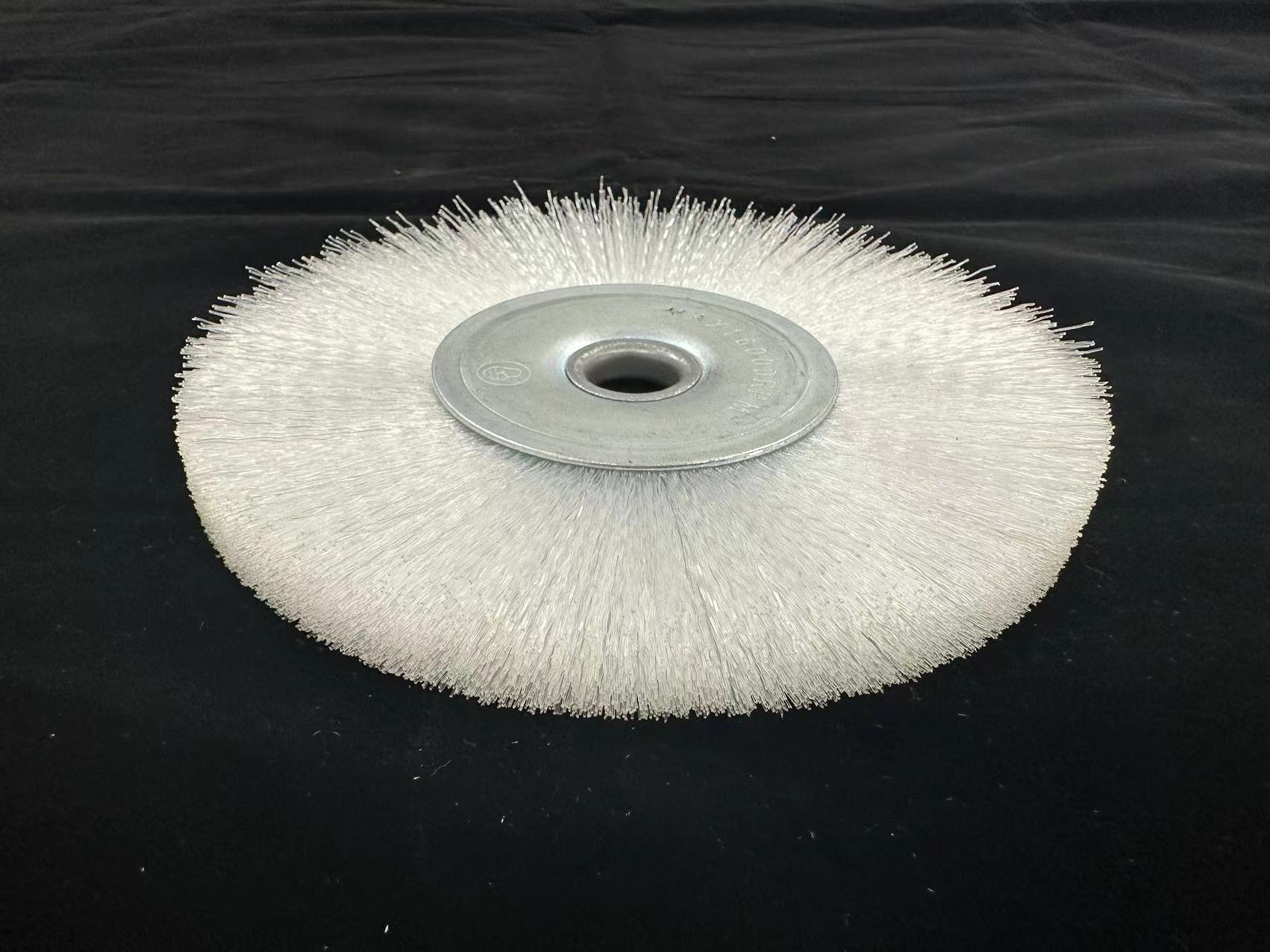
Fabrication and Finishing of Metal
These are appropriate for light deburring, smoothing edges, and preparing surfaces prior to painting. Plastics and wire wheel brushes clean the surface without compromising base dimension or leaving scratches on the surface.
Automotive and General Maintenance
For cleaning of chassis parts, wheel hubs, engine parts and other small accessories; will remove rust, dirt and residual coatings, etc.
Wood and Composite Operations
Excellent for finishing furniture, antiquing or touchup, and cleaning surfaces. The soft filament bristles will not gouge, and will increase coating adhesion.
Selecting and Using a Plastic Wire Wheel Brush for Optimum Performance
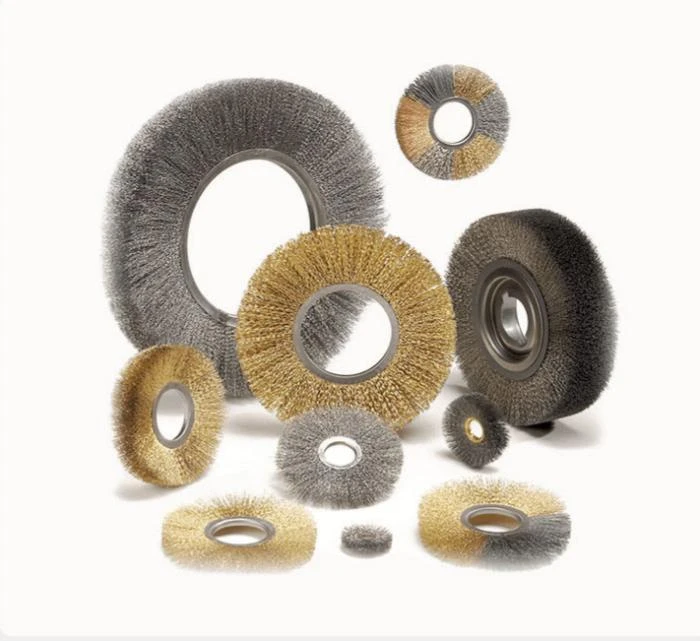
Efficiency and workpiece quality are greatly improved when you choose the proper plastic wire wheel brush. Here are some tips on how to do it:
- Verify the hardness of the filament corresponds with the material of the workpiece to which you’re applying the brush.
- Make sure the arbor size and rpm ratings of the brush are correct for the grinder or drill you will be using.
- Use reasonable pressure while brushing so you do not bend the filaments; this helps to create a uniform finish.
- After use, clean out the brush and store in a dry area for long-term use.
- When a filament becomes frayed, lost its shape, or displays uneven wear, replace the brush.
In addition to providing a variety of surface treatment products, professional operations use both wheel brushes and metal wire brushes. This ensures that proper brushing is done at each step of the process to maintain consistency and improve efficiency by reducing item cost in production.
Why This Tool Deserves a Place in Your Workshop
Flexibility, durability, and cost-efficiency allow the plastic wire wheel brush to meet the demands of modern manufacturing. Its use reduces workpiece damage and aids in performing consistent finishes throughout a production run.
Investing in high-quality industrial brushes leads to better product improvement, higher customer satisfaction, and increased profitability.
FAQ
Q1: Can I use a plastic wire wheel brush to clean stainless steel?
Yes! It is possible to safely remove contaminants from stainless steel surfaces without scratching them.
Q2: How long will the average plastic wire wheel brush remain functional if I use it every day?
If you take care of your brush (don’t drop it or expose it to extreme conditions), then you can expect the average brush to last between 3-6 months when used in normal industrial settings.
Q3: Is plastic wire wheel brush suitable for automated production lines?
Yes, its stable structure and consistent performance work well in automated systems.