Manufacturers often fail to recognize surface contamination as one of the leading causes for product rejection after production. The existence of dust, fine particles, and contaminants on a part before coating, assembling, or packaging can create defects that will be costly to fix. The horse hair cleaning brush can be used as a solution to this problem because it conveniently removes the particles while ensuring that there is no damage to the surface being cleaned.
To production managers and quality engineers with a high rejection rate for products due to contamination on surfaces, knowing how this brush type operates and fits into the flow of a production line can help significantly.
Why Horse Hair Works for Surface Cleaning
Natural Softness with Functional Strength
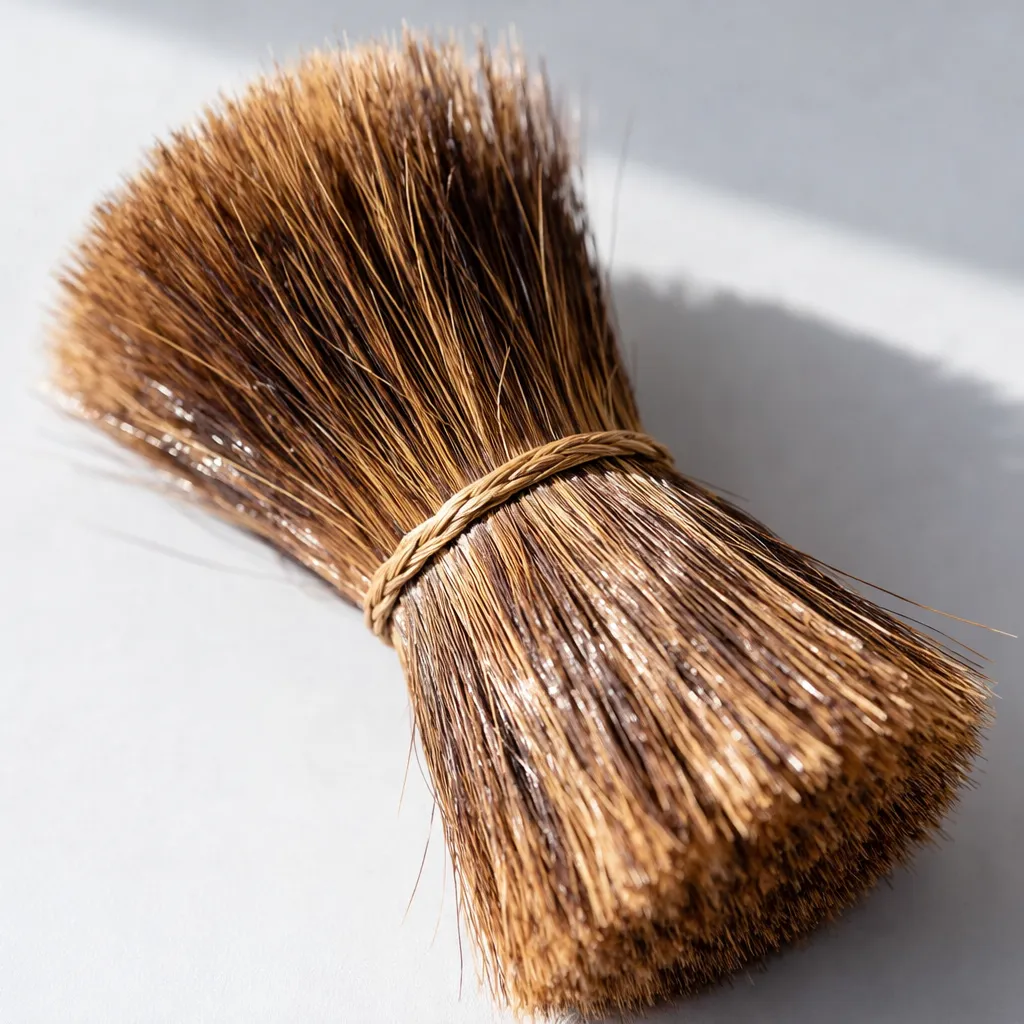
Horsehair bristles are unique because they are softer than synthetic filament brushes and slightly stiffer than many natural fiber brushes. They provide a very gentle cleaning surface that does not scratch when used on finished or coated surfaces, whilst providing a firm enough surface to pick up and sweep away fine dust, lint and loose debris. Replicating this balance is a challenge with the use of synthetic brushes, as they produce static electricity or tend to leave marks when used on sensitive substrates.
Many manufacturers have tried various bristle materials and determined horse hair works best for projects where aesthetics are important. Animal hair brush options are a good choice for brushing because they are much softer than synthetic fibers on delicate surfaces.
Anti-Static Properties
Horse hair has an often overlooked advantage: it appears to have a natural anti-static quality. In environments where static induces dust to stick to an area that has just been cleaned — such as in plastics molding or the assembly of electrical devices — the use of horse hair filaments can help to limit re-introducing contaminating dust back onto the clean surfaces because they tend to generate little charge while brushing.
The characteristics mentioned above lead to the use of horsehair cleaning brushes as a preferred option in both cleanroom related applications or critical manufacturing environments.
Major Manufacturing Uses
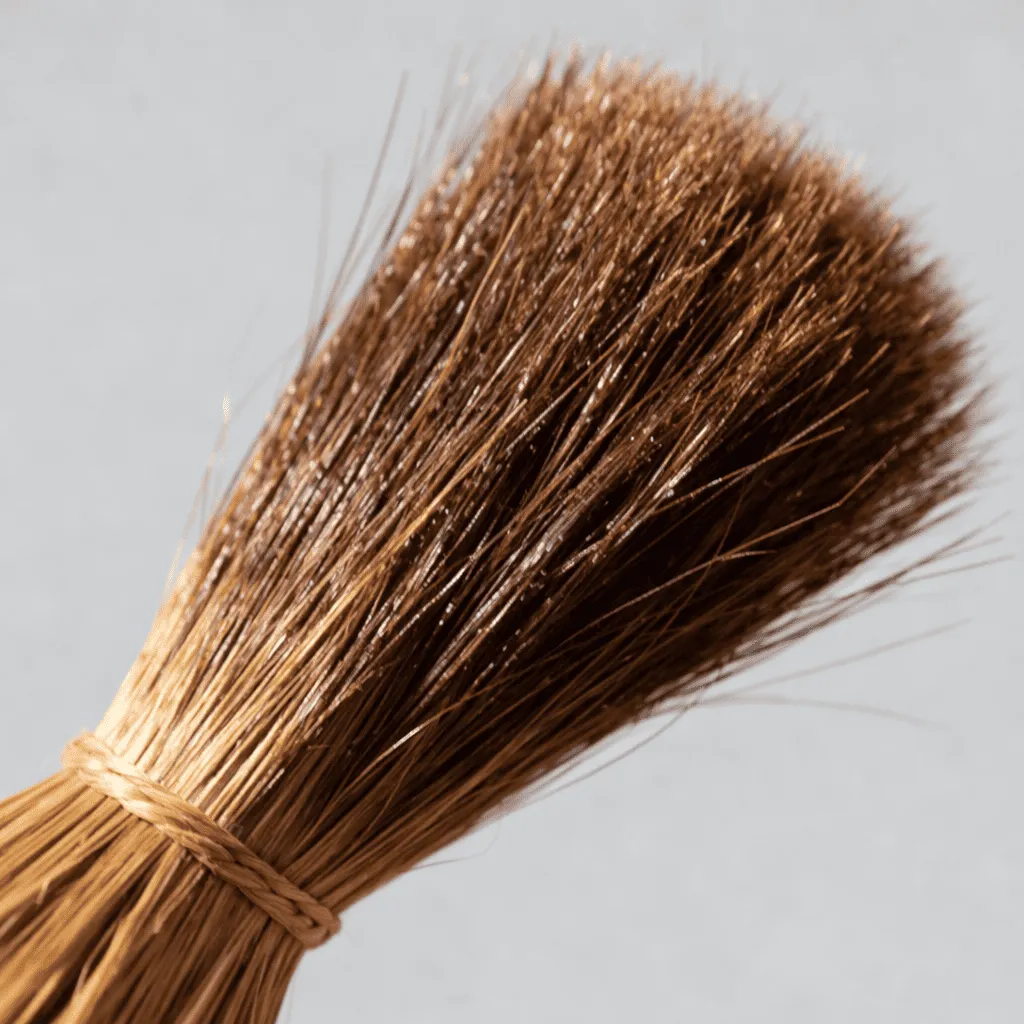
Horsehair cleaning brushes may be used in countless different industries or market segments. Listed below are examples of common cleaning applications and what makes horsehair the optimal choice for that portion of the industry:
| Industry | Purpose of Use | Advantages of Using Horsehair |
| Automotive | Prior to paint application, remove dust and debris from body panels | Will not cause scratching of primer coatings |
| Electronics | Surface cleaning of PCBs or components | Offer anti-static properties, leave no residuals behind |
| Packaging | Final cleaning before shrink wrapping | Gentle touch on printed or labeled surfaces |
| Woodworking | Dust removal after sanding | Soft contact preserves the grain finish |
| Optics / Glass | Lenses and panels cleaned after coating | Zero risk of creating micro-scratches |
The majority of the applications listed above show brushes integrated into the production line as surface cleaning brush stations that operate continuously with very little operator participation.
Roller Configurations for Inline Use
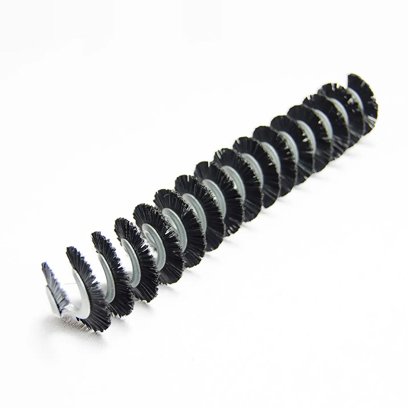
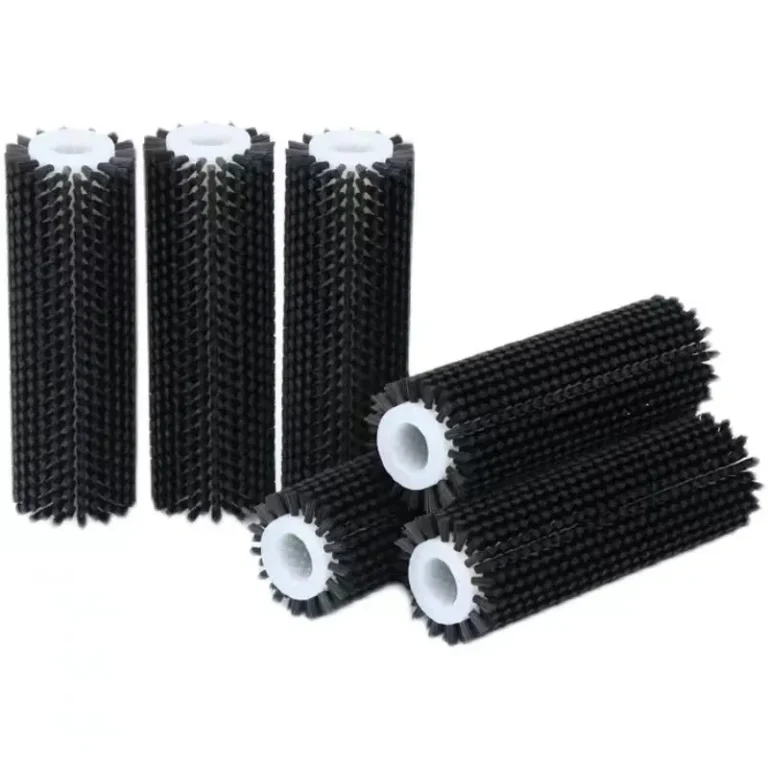
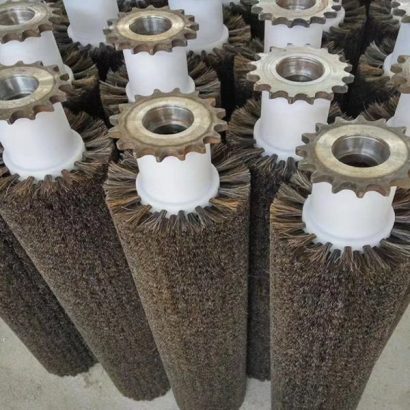
Roller cores with horse hair mounted on top are used to create a roller cleaning brush that will cover the entire width of a conveyor or processing machine for automated lines. This configuration provides for uniform contact across the workpiece surface in one pass.
A horse hair roller brush offers great benefits to packaging and print finishing lines where products travel faster than it is practicable to clean manually. The roller type of brush can easily be integrated into current brush mounting arrangements and the use of current drive systems as well.
The Benefits to Surface Quality
The horse hair cleaning brush improves surface quality in several ways that can be quantified:
- Reduces particle count before coating or laminating of the surfaces.
- Minimizes contamination with lint and/or fibers from adhesive-backed goods.
- Eliminates film failure as a result of paint defects due to dust being included in wet film layers.
- Reduces the number of rejected pieces during final visual inspection.
- Maintains consistent levels of cleanliness through high volume production runs.
Many facilities that made the switch from compressed air blow off to brush cleaning say they have experienced less defects and more consistent quality results since changing to brush cleaning. The reason for this is due to the fact that when compressed air is used to remove contaminants, it merely circulates the contaminants back into the environment, whereas with brush contact, the contaminates are physically captured and removed from the surface.
A horsehair polishing brush may perform both cleaning and finishing functions at the same time in applications where cleaning and finishing processes take place sequentially. In this case the horsehair polishing brush removes contaminants and provides a refined finish in one operation.
Choosing a Brush that will Work with Your Type of Line
There are different types of horse hair brushes available; however, they are not a one-size-fits-all product. When choosing a brush you should consider the following process-specific variables:
- Work material — hard materials can withstand more rigid bristle density than coated/printed surfaces will require
- Line speed — higher conveyor system speeds require that the brush be designed with longer bristle length in order to allow enough time for contact between the brush and item being cleaned
- Contaminant type — fine dust will require short trim/dense bristles; large debris will require long trim/stiff bristles
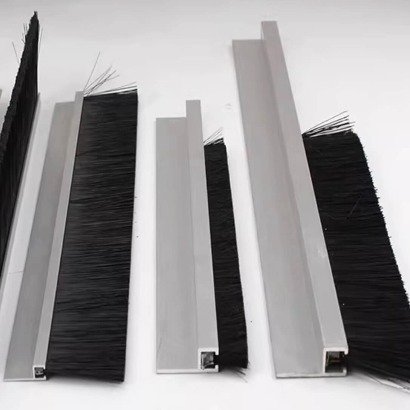
- Mounting style — shaft-mounted rollers, strip brushes, or handheld blocks each suit different setups
Having the right variables is paramount. If the brush is too small or not properly specified, it won’t perform. Conversely, an aggressive brush can create surface defects that it was supposed to eliminate. Engineers also need to understand why a horsehair brush will not scratch high-value products so they can set the proper pressure and speed parameters with confidence.
Maintenance and Longevity
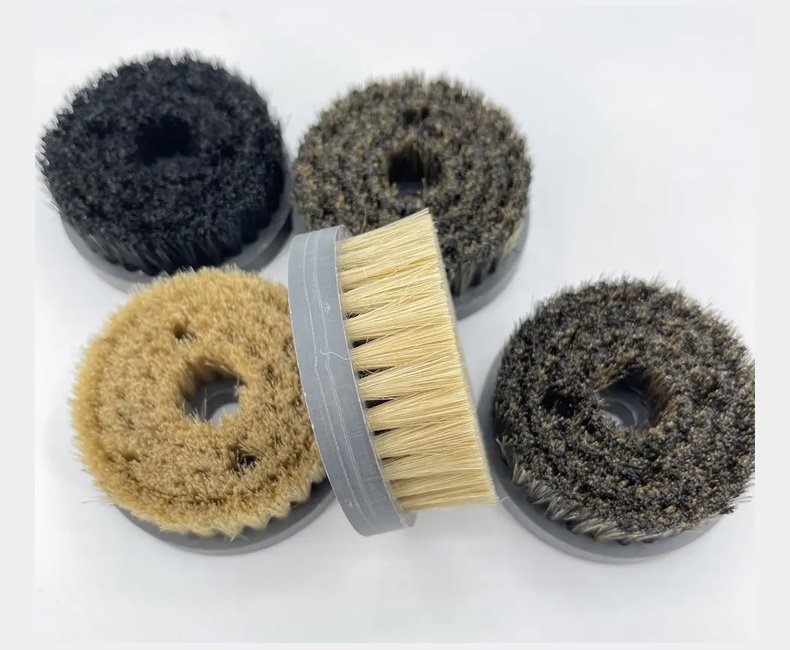
Horsehair brushes can last a long time and perform well if properly taken care of. Regularly cleaning the bristles by removing accumulated oils and dust will help prolong the life of the brush as well as keep the brushes performing consistently. Signs that a brush may need replacing include:
- Visible bristle flattening or permanent deformation
- Reduced ability to pick up dust, even when the operating parameters are correct
- An uneven contact pattern on the face of the brush
Most standard 8-hour shifts will find that an appropriately specified horsehair cleaning brush can last several months before it requires replacement, making the horsehair brush a much more cost-effective cleaning solution when compared to disposable wipe systems.
Common Questions and Answers
Q1: Are horsehair cleaning brushes useful when cleaning painted or coated items?
Yes, horsehair is soft enough to safely clean painted, lacquered, and coated items without leaving behind any micro scratches or damaging the finish layer.
Q2: Can I use a horsehair brush on food packaging line equipment?
Horsehair brushes are safe to use on food and food-related packaging lines. However, it is best to check with your supplier to ensure that the bristle materials comply with the appropriate food safety regulations.
Q3: Which horsehair brush should I select for my machine?
Provide the following to your supplier: roller dimensions, shaft type, operating speed, and workpiece material to order the right brush for your application. By custom building your brush you can ensure that it fits correctly and will perform to its maximum cleaning performance.