The Mechanics Behind Rotary Cleaning Performance
Rotary cleaning brushes provide consistent, normal contact with the surface as they rotate. This spreads out pressure evenly across the contact surface, unlike manual scrubbing or non-moving brushes; therefore, a rotary cleaning brush minimizes both uneven cleaning and damage to the surface itself. Because the engagement is always at a constant level, rotary cleaning machines are much better suited than traditional cleaning machines for high-volume industrial situations.
Cleaning results are influenced by the speed of rotation, the density or amount of bristles, and the direction of rotation. In many industrial applications, operators adjust the speed/pressure (RPM) for brushes to the type of surface being cleaned and the level of contamination present on that surface, as well as having control over these variables, which cannot be achieved using static cleaning alternatives.
Key Brush Types and Their Industrial Applications
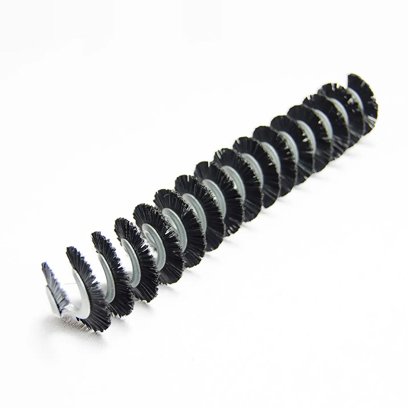
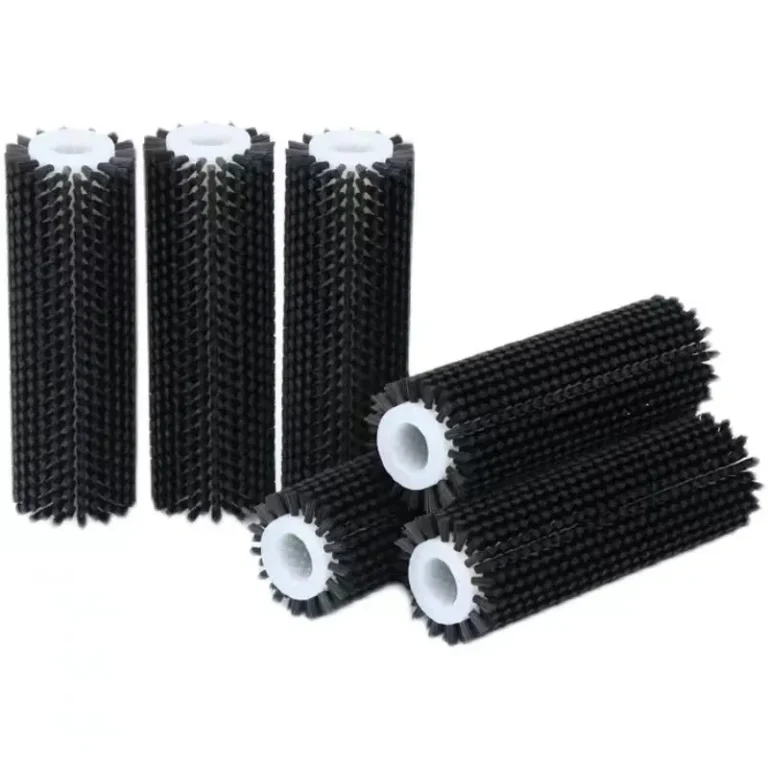
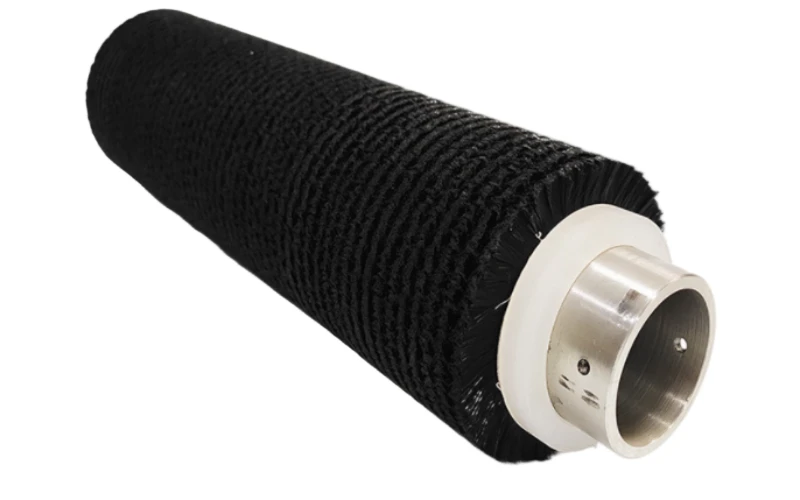
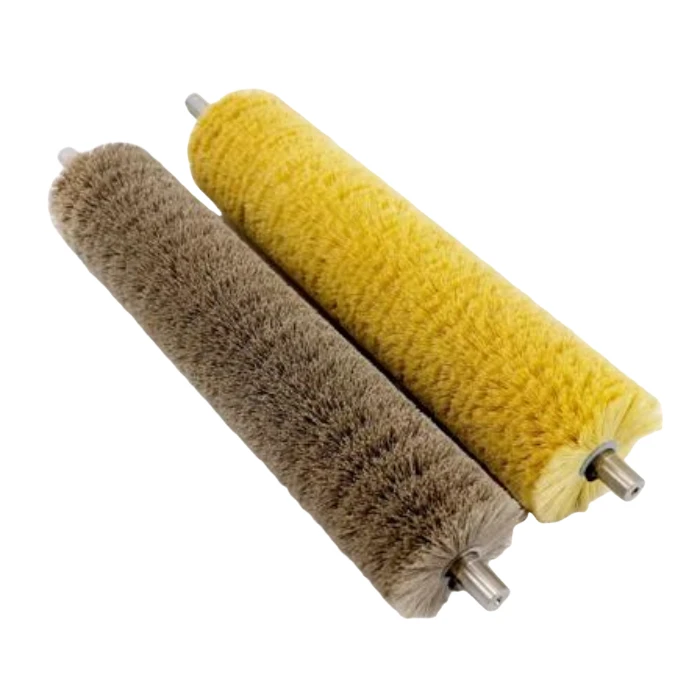
There are several different types of rotary cleaning brush that serve various purposes. While the cylinder rotary brush and roller brush share the same structural form, they differ in bristle material and configuration — and it is these material differences that ultimately determine cleaning performance. The table below outlines the most common bristle types and their recommended applications.
| Bristle Material | Ideal Applications | Typical Industries |
|---|---|---|
| Nylon (PA6 / PA612) | Gentle scrubbing, wet or dry cleaning, food-contact surfaces | Electronics, pharmaceuticals, food processing |
| Polypropylene (PP) | General-purpose sweeping, moisture-resistant cleaning | Packaging, agriculture, woodworking |
| Steel / Wire | Heavy deburring, rust and scale removal | Automotive, steel manufacturing |
| Abrasive Nylon | Light deburring, surface finishing | Metal fabrication, printing |
When cleaning delicate materials or food-contact surfaces, a nylon cleaning brush is usually the best choice due to its non-abrasive properties and chemical resistance. For a detailed comparison of polymer options, nylon cleaning brush material covers the key differences between PA6, PA612, and other nylon grades in depth.
Why Cylinder Brushes Outperform in Continuous-Line Operations
Full-Width Coverage in a Single Pass
The rotary brush can be beneficial to the automated production line because the structure of this cleaning equipment allows the cylinder brushes to clean across the entire width at once. Hence, you no longer need multiple brush heads to accomplish the same task or repeat passes on the same object. Doing so directly reduces your production cycle times and energy requirements.
Consistent Contact as Bristles Wear
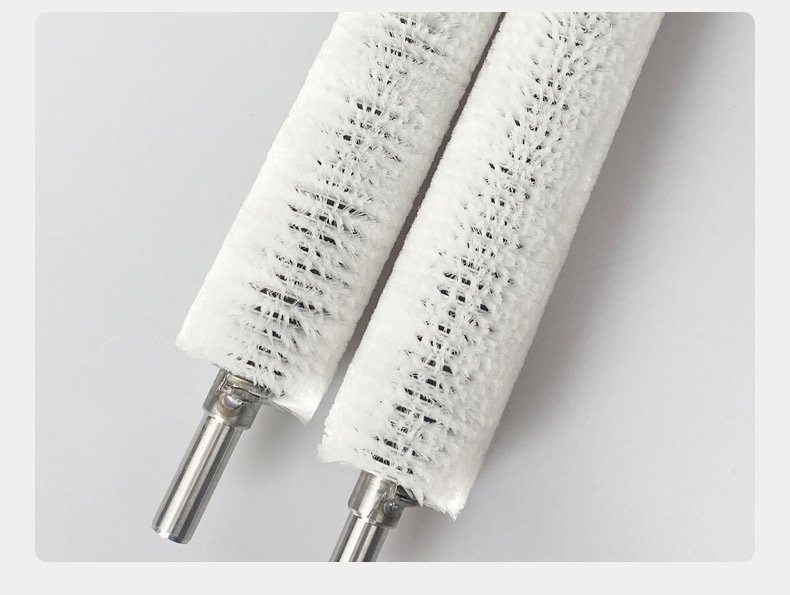
Compared to flat or disc brushes, a cylinder-shaped brush provides a uniform amount of bristle surface contact (therefore being an effective service life of greater duration) due to decreased filament wear. For manufacturers evaluating brush configurations for specific line speeds and surface profiles, precision cylinder rotary brush solutions provide application-matched specifications worth reviewing before procurement.
Bristle Material Selection Drives Long-Term Efficiency
Efficiency of the brush is not only dependent on its rotation speed but equally on the brush’s bristle material used. However if the wrong bristle material is used, this could cause early failure, diminished cleaning ability and/or areas created that could lead to additional quality issues later on in the process.
When evaluating bristle material for your application, the following points should be considered:
- Abrasion resistance — This is of utmost importance when selecting bristle materials for high speed or high volume applications
- Chemical compatibility — Very important when using the brush material in a wet cleaning environment or in an environment using chemicals to clean
- Temperature tolerance — Relevant for post-weld cleaning or heat-adjacent processes
- Filament stiffness — Determines whether the brush cleans aggressively or finishes gently
To provide an organized overview regarding how various building tactics will affect the function of brushes, cylinder rotary brush materials and construction is a practical reference for procurement and engineering teams specifying brushes for new or existing equipment.
Measurable Efficiency Gains in Industrial Settings
After facilities convert from using manual/static brush cleaning methods to a rotating automated cleaning brush, multiple metrics have shown to be improved:
- Fewer labor hours on each shift because brushes operate independently
- Increased quality of surface finish translates into reduced rework and rejection rates
- Reduced costs of disposables (pads and cloths) in time due to longer life of rotary brushes
- Improved productivity of production lines by cleaning while manufacturing, without pausing the product flow
The incremental gains accrue over a period of time; therefore, for most operations between mid-size and large-scale, making an upfront commitment to purchasing quality industrial rotary brushes should be an easy operational efficiency decision.
Matching Brush Specifications to the Application
The very first step you can take toward achieving the efficiency gains mentioned previously is selecting the right brush for your application, as a brush that has a too-aggressive bristle will damage the surface and a brush with overly-soft bristles will not remove contaminant effectively.
To make a wise selection of brush, you should consider:
- Material and hardness of the surface to be cleaned
- Type and amount of contaminant present
- Required RPMs or line speed where the rotary cleaning brush will be running
- Wet versus dry operating condition surrounding how the brush will operate
- Mounting configuration such as the size of the shaft, flange type and material used in the core of the brush
When you work with a manufacturer of rotary cleaning brushes to help you choose the right brush for your application as opposed to using a generic catalog, you will consistently achieve better performance and longevity out of the brushes you select.
FAQ
Q1: What is the recommended replacement frequency for industrial rotary brushes on a high-volume production line?
The frequency of brush replacements is dependent on a variety of factors including the wear rate of bristles, speed (RPM) during operation, and hardness of clean surface. Most operations conduct visual inspections of brushes at 200–400 operating hours and will replace brushes once the bristle length has decreased by approximately 30%.
Q2: Can a single cylinder rotary brush handle multiple surface types on the same production line?
A single cylinder rotary brush can be used on more than one surface type in a given production line depending on what type of bristle and filament you are using. Some modular designs are made to use segments that can be interchanged; therefore if you are running a line with more than one surface type, two different brushes designed per surface type may work better for you than one.
Q3: What lead times should OEM equipment integrators expect for custom roller brush orders?
The normal amount of time from the OEM Equipment Integrator’s order of custom roller brushes to when they will receive them is 2–4 weeks. The length of time it takes for the manufacturer to produce the brushes is dependent on many factors such as core material, bristle type, dimensions, etc. Therefore, OEM Equipment Integrators should confirm with the brush manufacturer at the beginning of the design process.