Companies in food processing, conveyor cleaning, and surface preparation rely on the effectiveness of their brushes to help keep their operation clean, efficient, and producing consistently. Unfortunately, for many manufactures, brush-related performance issues are often not readily apparent and ultimately decrease cleaning effectiveness and raise the total cost of operation. A majority of cleaning failures are not instant; they often begin with gradual indicators (such as, uneven wear, decreased brush strength, and build-up on materials) that assist companies with preventive maintenance and enhance the longevity of the machine.
Importance of Roll Cleaning Brush Performance
The right Roller Cleaning Brush will provide the user with a consistent level of cleaning quality and significantly reduce downtime caused by equipment failure. In industries like food processing or conveyor cleaning, even a small problem with the brush can cause a large negative impact on production efficiency.
There are multiple types of roller brush systems that are used by different facilities based on individual environments. Some applications utilize soft contact surfaces only, while other applications require stronger brushes for abrasion resistance. Using the wrong brush type can cause unnecessary operational issues. For example, a food washing line processing delicate vegetables will require a brush made with softer materials, whereas an industrial conveyor system will typically need a more durable industrial roller brush configuration than what would be suitable for the previous example.
Businesses with an understanding of how brushes work early in the process typically see:
- Lowering replacement frequency
- Achieve consistent cleaning performance
- Decrease maintenance time interruptions
- Improve surface protection
Also, look for additional examples in the book Mastering Industrial Roller Brush Suggestions and the individual roller brushes to clean continuous belts.
Common Roller Cleaning Brush Problems with Solutions
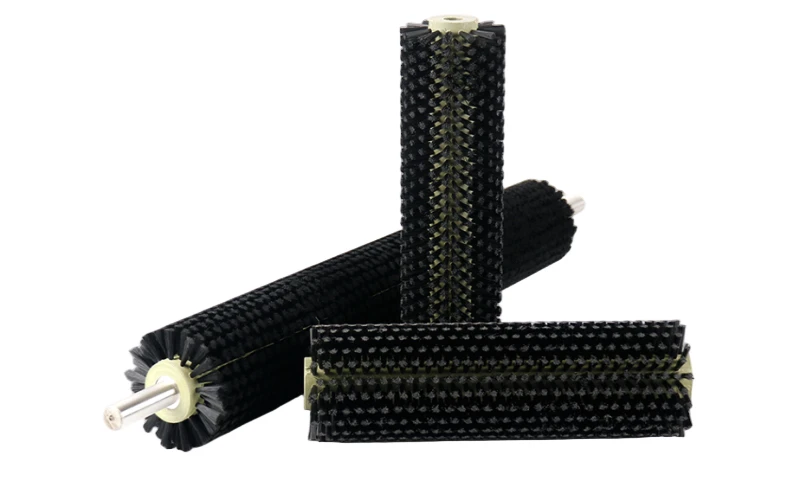
1. Uneven Wear of Brush
A problematic but common occurrence in an industrial cleaning system is uneven wear due to variations in the amount of force distributed across the roller surface area causing indeterminate areas where material build-up or lack of build up occurs. Some of the common indicators of a problem area include:
- One side of a piece of equipment running faster than another
- Not completely cleaning an area
- Increasing vibration from the machine
This is typically caused by older conveyor systems or not properly installed. Some practical steps to resolve these problems include:
- Regularly checking for alignment of all drive shafts
- Checking the pressure on your machine while in operation
- Replacing any damaged bearings as soon as possible
- If applicable, periodically rotating the truck-mounted brush
A properly aligned Roller Cleaning Brush will provide better cleaning coverages over time and provide a longer operational life for the machine.
2. Heavy Loads Causing Deformation of Bristles
Too much pressure on a brush while in use can result in the bristles being bent or deformed. If this happens, the efficiency of the cleaning process declines rapidly. Most low-quality brushes that are being operated continuously in an industrial setting will experience this type of problem.
Common Factors Contributing To Deformation:
- Too much pressure from the machine
- Incorrect stiffness of bristle
- Long-term exposure to heat and/or chemicals
Production facilities that run 24-hour production lines will find that they need to use a nylon brush roller because nylon will not become deformed as easily as other materials do and also retains its flexibility longer than other materials would do. In industries that need an abrasive resistant solution, many companies will refer to recommendations on how to find the right brush roller material before purchasing replacement brushes.
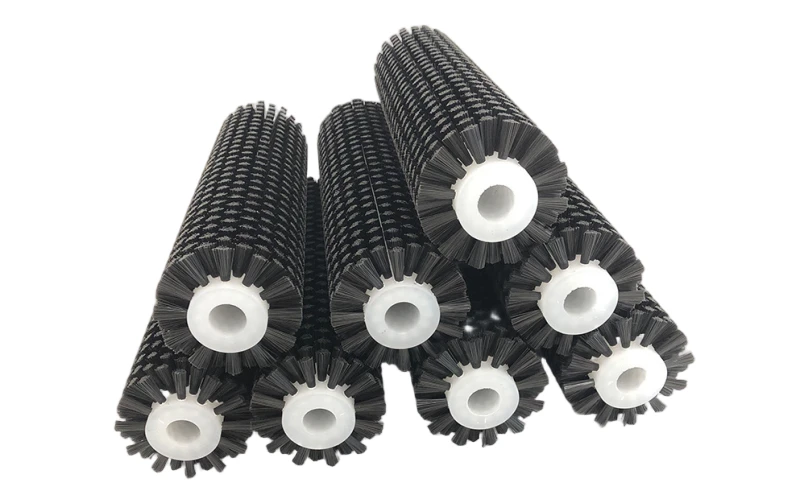
3. Material Buildup Within The Brush
Having brushes become clogged with material is an issue many food processing and wet cleaning companies have to deal with. Accumulations of vegetable fibers, grease, or other sticky particles can reduce cleaning effectiveness because of obstruction from material build-up between bristles.
Some common examples of applications where this occurs include but are not limited to:
- Cleaning fruits and vegetables
- Cleaning conveyor belts
- Cleaning the surface of cylinders
The problem is easily seen when you allow too long of a period between cleanings.
Prevention Methods:
Source of issueRecommended actionBuild-up of sticky residue.Increase frequency of cleaning.Poor drainage.Adjust design to allow for better water movement.Dense bristle structure prevents effective cleaning.Choose filament spacing that has been properly optimized.Accumulation of food debris on brush.Schedule regular flushing of brushes.
Some facilities utilizing specialized vegetable cleaning systems are currently using designs similar to Roller Cleaning Brush solutions designed for continuous food contact applications.
Incorrect Brush Material Selection
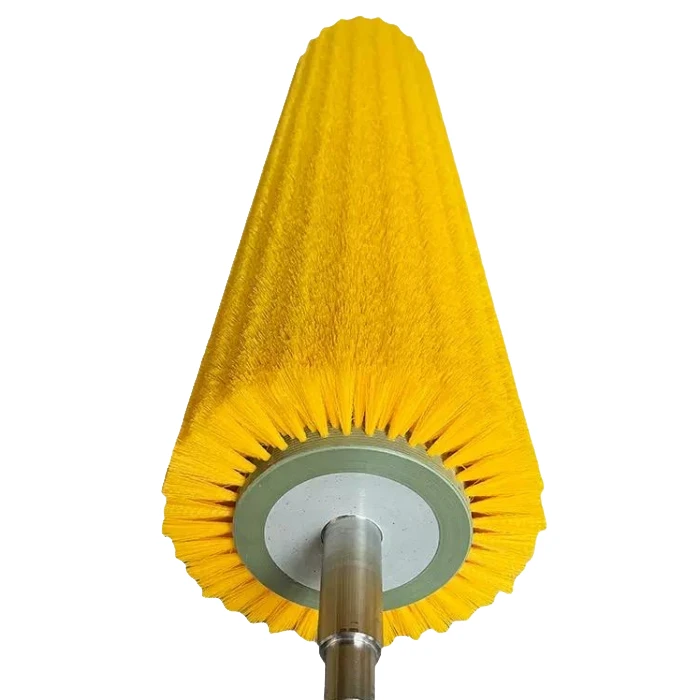
Brush lifespan and cleaning effectiveness are both dependent upon material selection in the production of brushes, as well as the operational problems associated with using a brush in an inappropriate environment due to the materials that comprise the brush.
Common mistakes when selecting a brush material include:
- Using soft filaments when cleaning abrasive surfaces
- Using chemical-sensitive materials
- Not accounting for moisture
- Using low-temperature rated materials for high-heat applications
Different environments call for different brush structures. For example, an abrasion-resistant industrial roller brush may be best suited for a high-speed conveyor line where durability is needed while delicate produce should be cleaned with a brush that uses softer filament densities. The impact of incorrect materials typically results in:
- Increased wear rates
- Damage to surface finish
- Higher replacement costs
- Increased inability to maintain cleanliness
Poor Maintenance of Brushes.
Even premium grade brushes will not perform well without regular maintenance. Most companies are only concerned with replacing brushes as opposed to doing preventative maintenance inspections.
Most professional maintenance staffs are monitoring the following functions for brushes:
- Reduction of diameter of brushes
- Flexibility of bristles
- Stability of brush shafts
- Cleanliness of surfaces where brushes are used
An example maintenance check list would be:
- Weekly inspections of the brushes
- Daily cleaning/removal of debris caught in brushes.
Note that you should take action to replace broken clutches right away. In some cases where vibration from operational equipment has changed or damage has occurred, these could be replaced based on periodic over time inspections.
Environmentally Based Factors to Reduce Brush Service Life
Brushing material is negatively affected by the environment. Heat, humidity, chemical cleaning agents and contamination from abrasive particles deteriorate brushing materials.
Environmental Factors With A High Potential To Cause Damage:
- Consistently occurring high moisture
- Using chemical cleaning agents
- High-speed friction
- Outdoor temperature fluctuations
A correctly chosen roller cleaning brush will fit both your operating conditions and your cleaning intentions. Industrial environments that have chemical exposure generally require that special purpose engineered filament materials be selected for long-term stabilisation. Applications where you have cylinder cleaning systems may also require brushes that have reinforced designs typical of those found on heavy duty cleaning machines.
Methods to Enhance the Performance of Roller Cleaning for the Long Term
Brush failures generally occur over time, progressively weakening performance until failed. Therefore, holding facilities to good quality control procedures to check for changes in performance will help avoid expensive interruptions to production.
The best approaches for developing a successful long-term plan for roller brush replacement and maintenance are:
- Using the right material for the brush
- Perform routine inspections for alignment
- Have regular cleaning schedules
- Replace worn parts before failure
- Match the brush’s density to the application
New technologies in roller cleaning devices are coming out regularly (particularly with regard to food preparation and maintenance of conveyor systems). Companies who use high-grade roller brushes and/or are willing to invest in building relationships with their suppliers are typically able to achieve less time/money spent on maintenance while also maintaining a higher level of operational consistency.
FAQ
How often should industrial roller brushes be replaced?
Replacement cycles depend on operating hours, pressure, and cleaning materials. Most industrial facilities inspect brushes monthly to prevent unexpected production downtime.
What is the best material for food cleaning brushes?
Many food-processing systems prefer nylon-based materials because they resist moisture, maintain flexibility, and support stable cleaning performance during continuous operation.
Why does a Roller Cleaning Brush lose cleaning efficiency over time?
Bristle wear, debris buildup, improper pressure, and material fatigue gradually reduce cleaning effectiveness. Routine maintenance usually prevents major performance loss.