Different brushes do yield different results in industrial surface finishing. A sandpaper brush would do much better than a general brush for precision sanding, deburring, and surface preparation applications. Of course, that does not mean there is no place for the regular brushes — quite the opposite; they are the right choice for their own niche.
This post will point out the major performance differences of sandpaper brushes with regular brushes in terms of finish quality, durability, rate of material removal, and overall cost-effectiveness.
What Makes a Sandpaper Brush Different
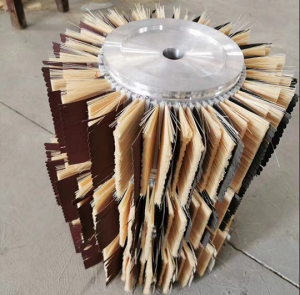
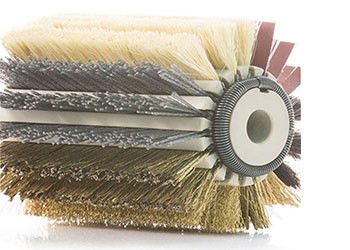
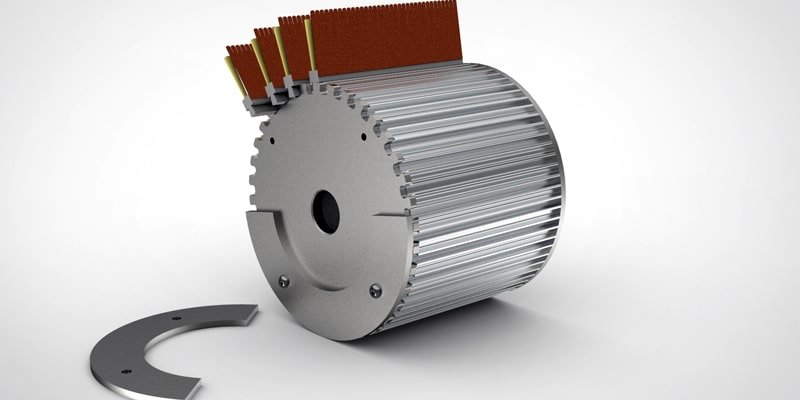
A cylinder core, with abrasive strips wound around it; that’s why it’s quite flexible and really a cutting tool. Surface, polish, and deburr all in one shot with this design—regular brushes can’t handle that.
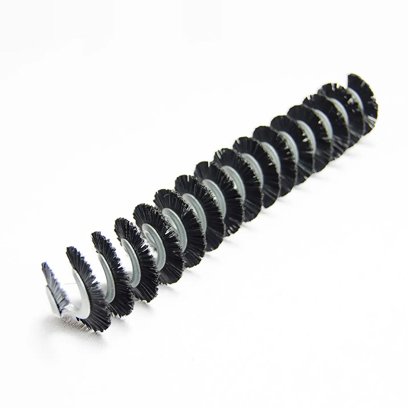
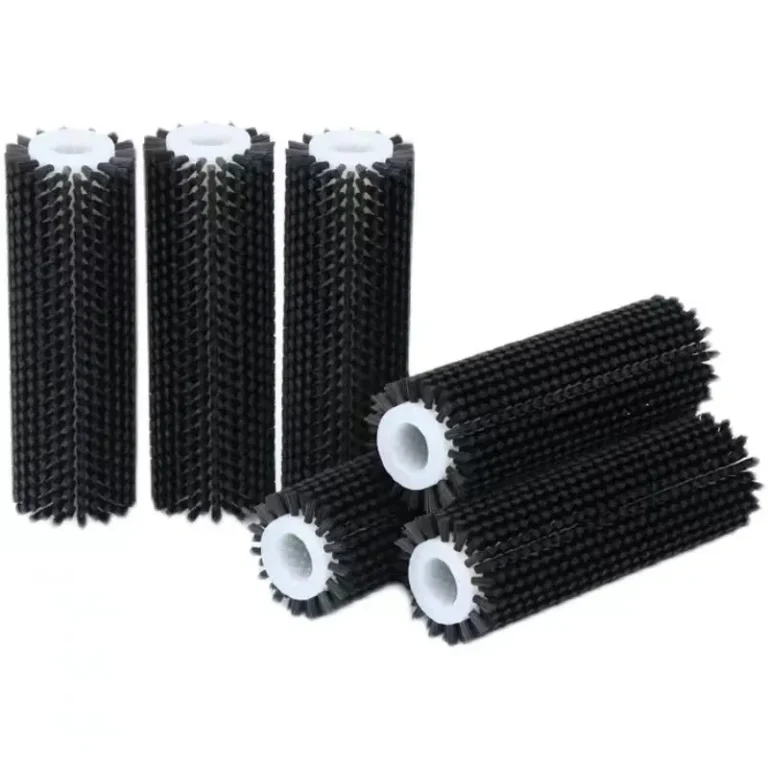
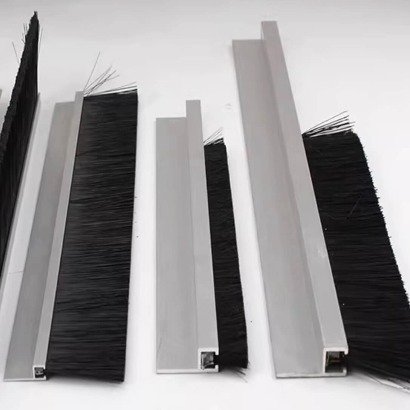
Conventional brushes are made of nylon, steel wire, or natural fiber. They do the cleaning very well, remove dust, and do some light polishing. They don’t have abrasive grit for material removal or heavy surface conditioning.
| Feature | Sandpaper Brush | Regular Brush |
| Best Uses | Sanding, deburring, and texturing | Cleaning, dust removal, and light polishing |
| Grit Range | Wide (80–400 grit) | Does not apply |
| Cost per unit | Higher upfront | Lower upfront |
| Short-Term Value | More — more passes needed | More — decent capability |
The table above makes it clear that sandpaper brushes take the edge at tough surface preparation tasks while regular brushes work well for lighter maintenance work.
The consumable tool will impact on the final finish quality and the surface consistency. A better finish will be attained with the right choice of abrasive tool for the application. Manufacturers use these abrasive tools in the quest for top surface quality. They ensure even scratch patterns over the whole workpiece — a parameter that matters a lot in finishing wood, deburring metal, and sanding panels.
Advantages of Rotary Brush
A Sandpaper Cylinder Rotary Brush mounted on an automated line will yield almost identical results with little attention from the operator. Common brushes can shine a surface, but seldom do they come to this level of uniformity, especially on hardwood or composite materials.
In some factories for wood applications, they use sandpaper brushes and a special wood polishing brush in tandem, creating a two-stage finishing process—rough sanding is followed by fine polishing.
Durability and Lifespan
Naturally, durability is a function of the operating conditions. At high pressures, abrasive brushes will wear rather fast because the grit is also degrading fast. A good operator will, however, note that with a well-matched option such as this, it can actually last much longer than what is expected when matched with the right feed speed and pressure settings. With a Sandpaper Cylinder Brush, the grit should match the feed speed to realize maximum lifespan.
Cleansing brushes, especially the ones with steel wires or thick nylon filaments, have a long life in cleaning applications. However, the removal of material causes their filaments to bend, fray, or become less effective much sooner than is seen with abrasive alternatives.
This is the appropriate density for sisal cylinder brushes when natural fiber brushes are added to abrasive brushes in a multi-stage system.
The Optimal Areas for Different Brushes
Not all tasks will require the same type of brush. The following are the areas where each type works best:
Sandpaper brush applications:
- Surface sanding and grain raising of wood
- Metal deburring and edge rounding
- Texturing and distressing of panels
- Removal of paint or coating
Regular brush applications:
- Cleaning of conveyor belts
- Dust removal before coating
- Light surface buffing
- General-purpose sweeping.
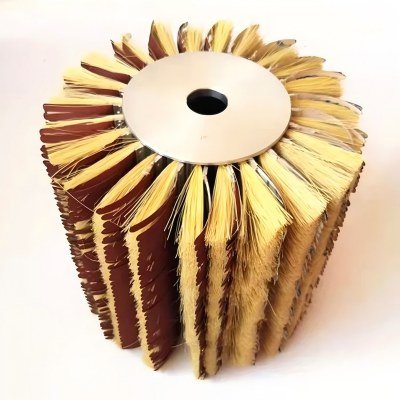
For the sanding and polishing of the production line, it would be better if the sandpaper brush and the cylinder polishing brush are placed in a sequence, so that rough preparation and final finishing can be done without any change of equipment.
Cost-Efficiency for Bulk Buyers
The per-unit cost of sandpaper brushes is higher from a B2B procurement perspective. However, in most cases, the total cost of ownership would favor such a tool in operations with high finishing requirements. This is because it helps minimize pass counts and rework rates while offering more consistent output.
Buyers purchasing large volumes should consider the following:
- Volume – higher order quantities usually lower unit costs
- Grit selection – matching grit to the application will extend brush lifespan
- Core material – steel or aluminum cores can be used for other machine setups
- Customization — options from the OEM to optimize general performance for that line
For operations requiring branded or custom brush solutions, an inquiry into wood polishing brush OEM solutions can unlock greater savings and performance.
Hybrid Options Worth Considering
The Sisal Sandpaper Brush is somewhat of a hybrid; it houses natural sisal fibers and sandpaper strips. The best application is for moderate abrasion with a relatively soft touch, typically in the final stages of furniture finishing and decorative woodwork. Most buyers describe this option as bridging the gap between heavy sanding and gentle polishing.
Choosing the Right Brush for Your Line
To choose between a sandpaper brush and a regular brush, ask three things:
- Does this application involve removing material or just surface cleaning?
- How important is the quality of the final finish that is needed?
- How many steps are there to the finishing line?
For those still window-shopping, here’s what to look for in the key specs: grit type, strip density, core diameter, and brush length.
Use the correct sisal cylinder brush with the correct abrasive tool, and you have a flexible finishing system which can go from rough sanding to final polish.
FAQ
Can a sandpaper brush replace a standard brush on an existing production line?
Yes, in most cases. The sandpaper brush is designed to fit standard roller mounts. But it would be better for the user to check the core diameter and rotational speed just to make sure before making any changes.
What grit sandpaper brush should I use for sanding wood surfaces?
For wood, 120 to 240 grit pretty much covers most jobs. The coarser grits take care of the rough surface; the finer grits prepare the wood for coating or staining.
What is the replacement frequency for sandpaper brushes used by bulk buyers in high-volume operations?
This will depend on the material, pressure, and speed at which they are run. In most high-volume production lines, the sandpaper brushes will be replaced every three to six.