In the vast landscape of manufacturing and industry, amidst the clang of machines and the hum of production lines, there exists a humble yet indispensable tool: the industrial brush. Often overlooked in the grand scheme of manufacturing processes, these unassuming instruments play a crucial role in various sectors, from automotive and aerospace to food processing and beyond. In this article, we delve into the realm of industrial brushes, exploring their significance, diversity, and the pivotal role they play in modern industrial operations.
The Genesis of Industrial Brushes
The history of industrial brushes traces back centuries, evolving from simple handheld tools crafted from natural fibers to sophisticated instruments tailored for specific industrial applications. Early civilizations utilized brushes made from materials such as animal hair, plant fibers, and even feathers to clean surfaces, apply coatings, and perform rudimentary polishing tasks. Over time, as manufacturing processes advanced and industrialization took root, the demand for more specialized brushes grew exponentially.
The Classification of Industrial Brushes
Industrial brushes can be divided into the following categories according to the brush wire material, base material, and shape:
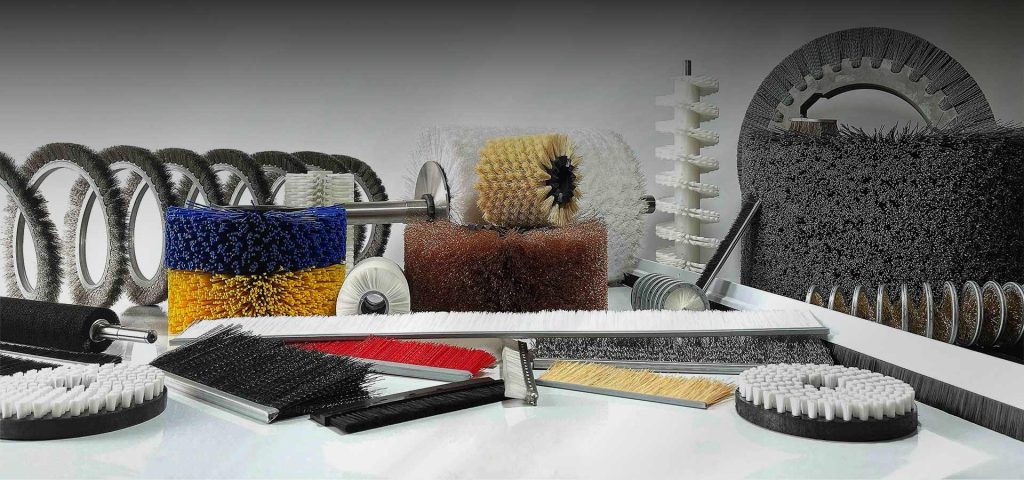
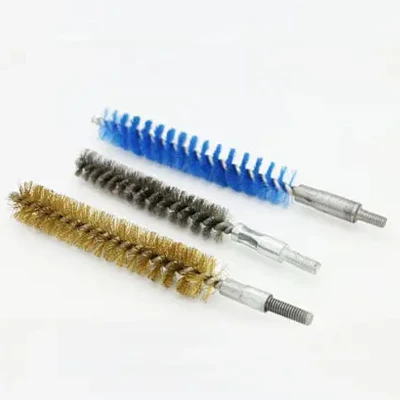
By brush wire material: nylon brush wire, polyester brush wire, steel wire brush wire, abrasive brush wire, etc. Brush wires of different materials have different properties and are suitable for different industrial applications.
By base material: wooden base, plastic base, metal base, etc. The choice of base material depends on the use environment and strength requirements of industrial brushes.
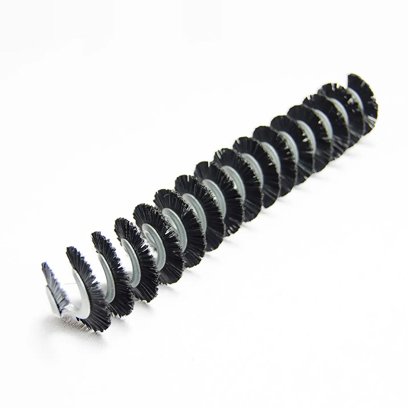
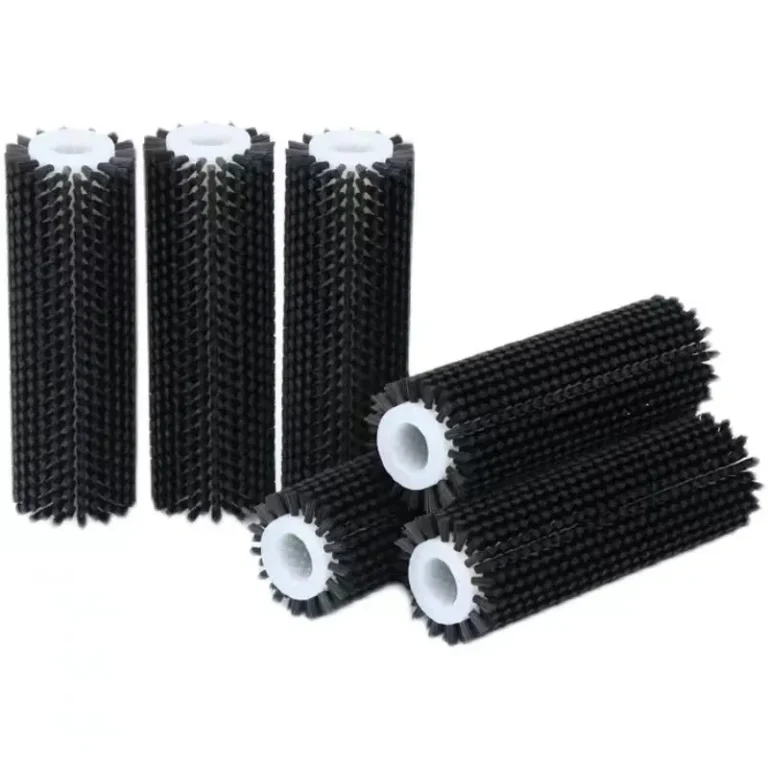
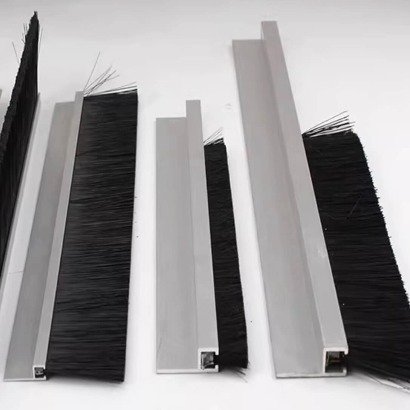
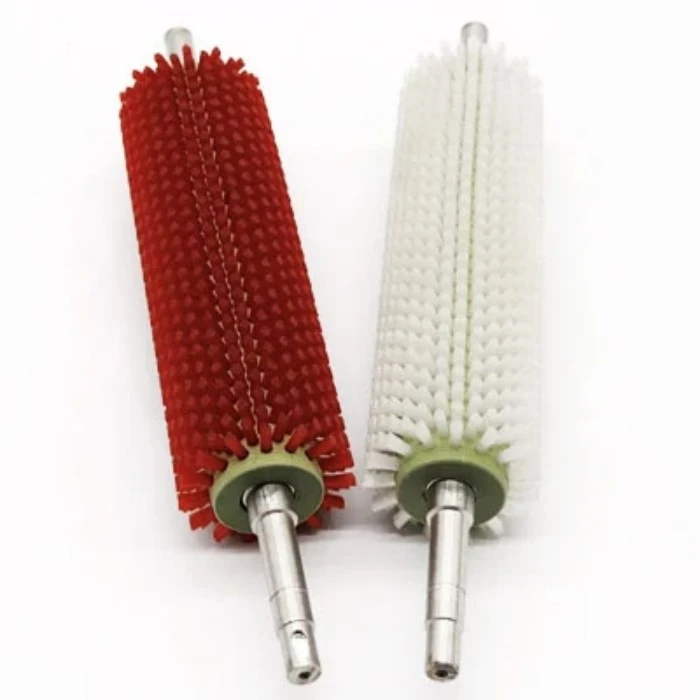
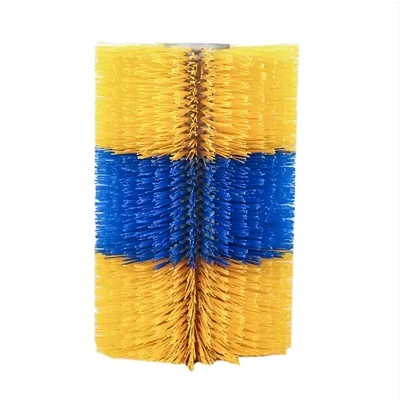
By shape: disc brush, strip brush, roller brush, elbow brush, special-shaped brush, etc. Industrial brushes of different shapes are suitable for different cleaning, polishing, grinding, and other processes.
Versatility in Application
Diverse Brush Types for Varied Industrial Tasks
This would be better suited to define industrial brushes in their versatility of application. These brushes are manufactured in many shapes, sizes, and materials, and each type is designed to perform a unique function in different industrial applications. From abrasive brushes that are used for deburring and surface preparation to soft-bristled brushes serving varied cleaning purposes, the scope of industrial brushes is just as wide as it is diverse.
Key Industries Relying on Industrial Brushes
Cleaning industry: It is widely applied in the cleaning industry, including floor cleaning, carpet cleaning, glass cleaning, etc. This can easily remove stains and make cleaning more efficient.
Mechanical manufacturing: Usage in the field of mechanical manufacturing includes deburring, rust removal, polishing, and other processes. It effectively improves the surface finish of parts and components and thus the quality of the product.
Food processing: The food processing industry demands high hygienic conditions. Fruit, vegetable, meat, and all other ingredient cleaner brushes from industrial brushes ensure safe food.
Electronics and Electrical Appliances: Industrial brushes are useful in cleaning the circuit boards during electronic appliance production, eliminating oxide layers, and for general polishing of parts.
Printing Industry: The use of industrial brushes in the printing industry is mainly for cleaning the printing machinery and removing excess ink. Maintenance of the equipment is another reason for which industrial brushes are used in the printing industry.
Ceramic Industry: Within the process of ceramic production, industrial brushes can be applied in polishing and grinding ceramic products to enhance quality.
Agriculture and Animal Husbandry: Among them, industrial brushes can clean agricultural machinery, remove grain impurities, and clear animal and poultry farms.Materials and Construction.
Selecting Materials Based on Application and Environment
The choice of materials used to construct an industrial brush depends on the application and the environment in which it will be used. The bristles are the most common material, which may be natural fibers such as horsehair or synthetic fibers such as nylon and metal wire for abrasive brushes. Materials science has developed specialty brushes using silicon carbide and ceramic fibers, opening up new applicational capabilities for industrial brushing systems.
Design Configurations for Performance and Durability
Apart from the material choice, the design chosen for an industrial brush is also something that can determine both its functionality and how long it can be used. Some of the brush design options may include twisted-in-wire, staple set, and molded bristle configurations with varied benefits regarding flexibility, resilience, and ease of cleaning. Others include brush density, filament stiffness, and pattern layout engineered as a careful balance to meet maximum performance and results.
Innovation and Automation
Robotic Brushing Systems for Precision and Productivity
Initiatives geared toward improving efficiency and automating operations in different sectors continually redefine the place of industrial brushes. Robotic brushing systems are some of the marvels in which operations are implemented with accuracy and consistency, reducing variations related to human handling and hence boosting productivity. Other improvements relating to brushes that have been realized include the addition of abrasive compounds and special coatings that not only improve the quality of performance but also the duration of performance, lengthening the useful life of the industrial brush and reducing maintenance as well.
Sustainable Materials and Eco-Friendly Production
At such a time, when materials and processes are brought under the spotlight in the wake of a more environmentally conscious world, industrial brush manufacturers have been pursuing sustainable options by going for biodegradable materials and ecology in production. In addition, the design of brushes that reduces waste production and maximizes resource usage further underlines the commitment of this industry to environmental responsibility.
Conclusion
In summary, industrial brushes are not supposed to look pretty, but when it comes to modern production and the business industry, their significance cannot be overlooked. It needs to be capitalized to facilitate the important production process and ensure the quality of the products in line with the rules of regulatory standards in very many applications across the industry. With many industries transforming and incorporating technological changes, the significance of industrial brushes will also transform coincidentally with the continued importance of these brushes in many more decades to come.