Within such a broad field of industrial activity, where each move should be not just precise but ultra-precise, exists one product that is small and often taken for granted, though it is actually very important: the industrial strip brush. Some people have misunderstood its value because it is mounted on much bigger machines within intricate systems serving various and substantial applications across almost every industry. This paper discusses industrial strip brushes concerning their importance and flexibility, and how they are central to contemporary industrial operations.
A brief introduction to strip brush
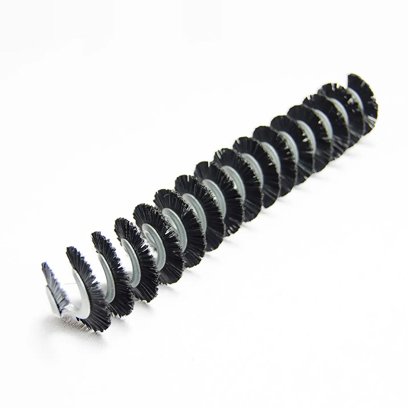
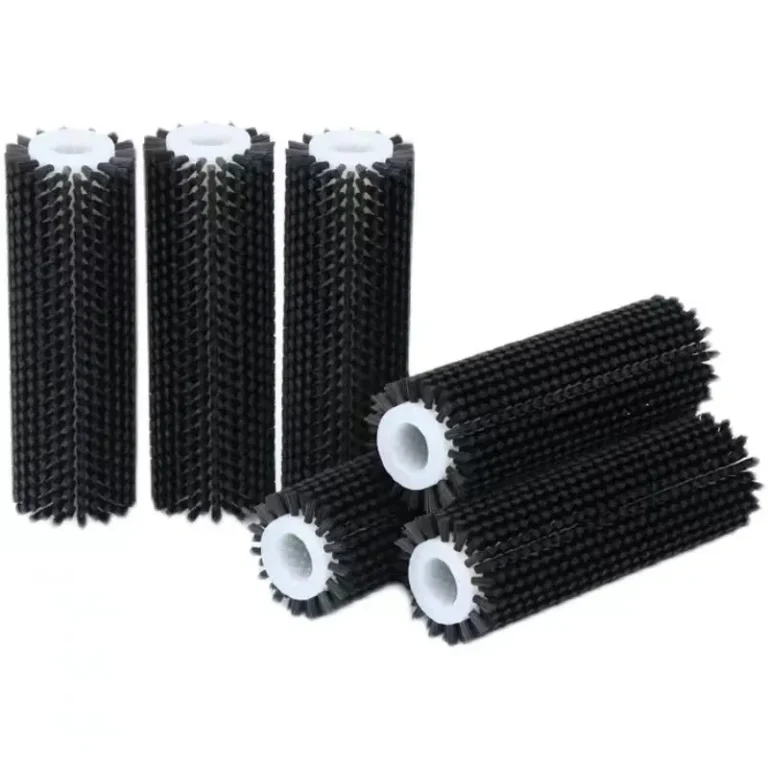
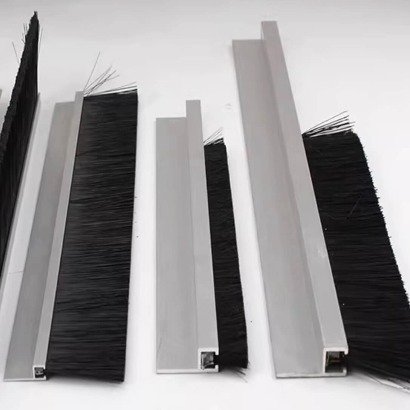
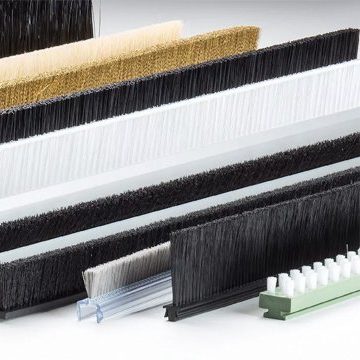
Industrial strip brushes, also known as strip seals or channel brushes, comprise a metal channel or core with bristles attached along its length in a dense pack. These bristles may be nylon, synthetic filaments, or a metal wire—depending on the application material. In design, these strip brushes are meant to provide flexibility, long life, and efficient sealing or brushing action on various surfaces.
Versatility in application
One of the most striking attributes of industrial strip brushes would be their applicational versatility. These brushes find themselves in various industries and processes for purposes varying between gap-sealing and airflow management to material guiding and surface cleaning. Industrial strip brushes find themselves in areas like conveyor belt cleaning, dust collection, product sealing, and surface finishing among other applications of industrial usage within production and manufacturing units.
Strip brushes are mainly used on the automotive side for applications such as door seals, weather stripping, brush guards for conveyors, and in the food processing sector, they play a critical part in ensuring sanitary seal gaps of processing equipment and conveyor systems to contain contamination and maintain product quality.
Materials and construction
The industrial strip brushes are available in several designs for varied applications and atmospheric conditions. The bristle material is chosen based on its capability of abrasion, temperature resistance, and compatibility with chemicals. For example, nylon bristles are used for plain applications while polypropylene bristles are resistant to most chemicals and can be applied in a corrosive environment.
Industrial strip brushes can be designed in different ways according to the unique needs of the application at hand. It may include bristles that run straight for a basic seal or brushing, or angled and flagged for more specialized purposes like directing airflow or surface polishing. For example, brushes can be installed flat, at 90°, or custom angled to suit diverse sealing or brushing requirements.
Improvement and tailor
The designs and capabilities of industrial strip brushes have been changing with the changes happening in the industries and the demand for more specific solutions. Manufacturers of industrial strip brushes have since upgraded customization options covering brush length, material of bristles, channel dimensions, and mounting configurations in meeting specific applications. Further advancement in brush technology, like developing anti-static bristles or specialty coatings, equips industrial strip brushes with improved performance and long life under work conditions that are much more demanding.
As environmental consciousness grows, industrial strip brush producers search for sustainable materials and methods of production. Through the use of recycled components and minimized waste generation plus energy-efficient production, the sector can embody reduced environmental impact while still addressing contemporary industrial applications.
Conclusion
In summary, industrial strip brushes do not scream for attention at all times, but their place in modern industrial implementation cannot be overlooked. From gap sealing and controlling airflow to material guiding and surface cleaning, one could notice the less ambitious tools playing a critical role in different industries. With the many changes and improvements in the industry, industrial strip brushes have now become more advanced but will remain as the base for productive and dependable industrial motions.