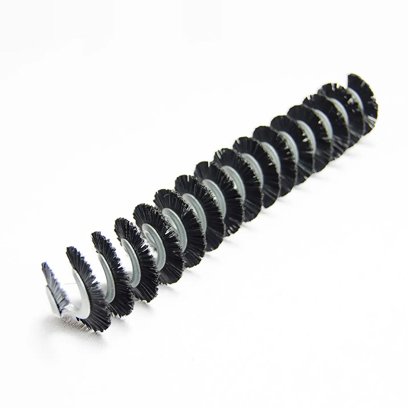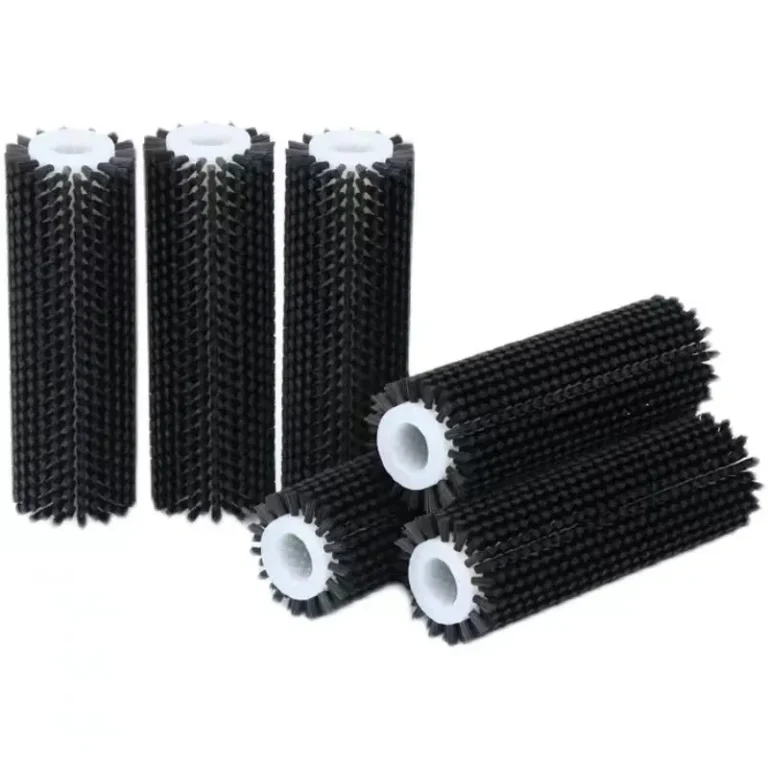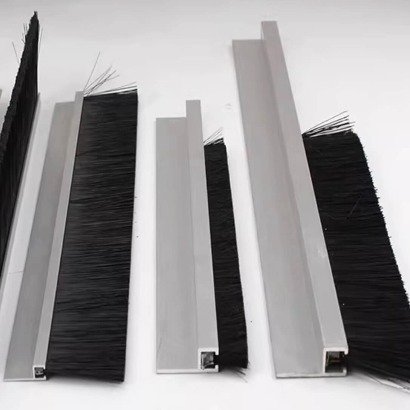
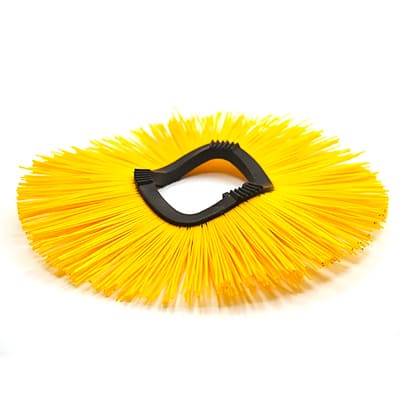
In the field of urban sanitation and industrial cleaning, the sweeper replacement brush is one of the core components of road sweepers, sweepers and other equipment. Whether it is a roller sweeper brush, a PP sweeping brush, or a wire sweeping brush, their cleaning and maintenance directly affect the service life and cleaning efficiency of the equipment.
However, many users often ignore the cleaning and maintenance of the brush during use, resulting in increased wear of the bristles, reduced cleaning effect, and even affecting the overall performance of the equipment. This article will explore in depth how to properly clean different types of sweeper replacement brushes and provide professional maintenance advice to help you extend the life of the brush and improve cleaning efficiency.
1. Why is it so important to clean the sweeper replacement brush?
1.1 Impact on cleaning effect
Bristle clogging: dust, gravel, leaves and other debris are easily stuck between the bristles, reducing cleaning efficiency.
Uneven wear: Dirt accumulation causes uneven force on the bristles, accelerates local wear, and affects cleaning uniformity.
1.2 Extended service life
Corrosion risk: Wire sweeping brushes may rust if exposed to a humid environment for a long time; PP sweeping brushes may become brittle due to corrosion from chemical residues.
Reduced replacement frequency: Regular cleaning can reduce problems such as bristle breakage and deformation, and reduce replacement costs.
1.3 Equipment operation stability
Increased motor load: Clogged brushes will increase the burden on the sweeper motor, resulting in increased energy consumption and even equipment failure.
Professional advice: Check the cleanliness of the brush at least once a week and clean up the residue immediately after high-intensity work.
2. Cleaning methods for different types of sweeper replacement brushes
Sweeper brushes of different materials require different cleaning methods. The following is a cleaning guide for three common brushes:
2.1 Roller sweeper brush
Applicable equipment: road sweepers, large sweepers
Cleaning steps:
High-pressure air gun blowing: Use compressed air to remove dust and debris between the bristles.
Rinse with warm water: Use a neutral detergent and a soft brush to gently brush the surface to avoid deformation of the PP brush caused by high temperature water.
Dry and store: Place in a ventilated place to dry naturally, avoid direct sunlight to cause aging.
2.2 Polypropylene Sweeper Brush
Features: wear-resistant, acid and alkali-resistant, suitable for sweeping sand, gravel and dust
Cleaning points:
Avoid using strong acid and alkali detergents to avoid damaging the PP material.
Stubborn stains can be wiped with alcohol using a soft cloth.
Check the bristles regularly for deformation and adjust or replace them in time.
2.3 Wire Sweeper Brush
Applicable scenarios: heavy pollution environments such as industrial workshops and construction sites
Maintenance tips:
Use special anti-rust spray for wire brushes to prevent rust.
Stubborn oil stains can be soaked in kerosene or special metal cleaners and then brushed.
Keep dry during storage to avoid accelerated corrosion in a humid environment.
Professional Tips: For mixed material brushes (such as steel wire + nylon composite brushes), it is recommended to disassemble them first and then clean them separately to avoid cross contamination.
3. Daily maintenance and optimization suggestions for Sweeper Replacement Brush
In addition to regular cleaning, scientific maintenance strategies can further extend the life of the brush and improve cleaning efficiency.
3.1 Regular inspection and replacement standards
Wear indicators:
PP brush: bristle wear exceeds 30% and needs to be replaced.
Wire brush: single wire breakage exceeds 10% and should be replaced.
Rotation balance test: observe whether the brush runs smoothly after installation to avoid eccentric wear.
3.2 Optimize usage
Adjust brush pressure: Excessive pressure will accelerate wear, and it is recommended to adjust dynamically according to ground conditions.
Avoid overload operation: If there is a large amount of sticky garbage (such as chewing gum, asphalt), it should be cleaned manually before using the machine.
3.3 Storage environment management
Moisture and dustproof: Store in a dry and ventilated place, and the wire brush can be coated with anti-rust oil.
Avoid overlapping: brushes should be placed flat or hung to prevent deformation.
Conclusion: Scientific maintenance makes cleaning more efficient
Sweeper replacement brushes are key components of cleaning equipment. Their cleaning and maintenance directly affect operating efficiency and cost control. Whether it is a roller sweeper brush, PP sweeping brush, or wire sweeping brush, the correct cleaning method can significantly extend the service life and reduce operating costs.
Key action suggestions:
✅ Weekly cleaning: avoid dirt accumulation that affects performance.
✅ Choose cleaning methods according to materials: PP brushes should avoid strong acids, and wire brushes need to be rust-proof.
✅ Regularly check for wear and tear: Replace in time to avoid affecting equipment operation.
Through scientific maintenance strategies, your cleaning equipment will always be in the best condition, making urban cleaning work more efficient!