In the field of urban cleaning and maintenance, there is a common type of brush that quietly safeguards the streets and pavements we walk on every day, forming the backbone of street cleaning operations worldwide. That is the sweeper brush.
However, over the past few decades, the sweeper brush industry has undergone significant transformation, evolving from simple manual tools to precision components designed to address specific environmental challenges and road surface types. Their complexity, versatility, and technological innovations are often overlooked by the public. As municipal authorities and private companies strive to enhance the efficiency and sustainability of cleaning operations, understanding the nuances of these essential tools has become increasingly important.
This guide aims to shed light on the complex world of sweeping brushes—their design principles, applications, maintenance requirements, and the factors that influence their performance in various situations. Whether you are a municipal decision-maker, a sweeper operator, a maintenance professional, or simply curious about the mechanisms behind street cleaning, this article offers valuable insights into the science of sweeper brushes and modern sweeping technology.
What is Sweeper Brush?
It is a kind of cleaning accessory that is meant to be mounted on sweeping machines or vehicles so that they can pick up and remove trash, dust, and other waste from surfaces. The brushes are designed with particular materials, concepts, and setups for the effective gathering of dirt in different surroundings as well as on various occasions.
The idea of mechanical sweeping goes back to the 19th century when the first street sweeping machines were developed to deal with increasing sanitation problems in very quickly growing cities. Since then, sweeper brushes have come a long way in materials, design complexity, and cleaning ability. They today stand at a highly evolved crossroad of three fields: materials science, mechanical engineering, and the environment.
These basic cleaning implements are known by different names across the globe, a reflection of regional parlance and specialized usage:
In North America, this equipment is most commonly called “street sweeper brushes,” “broom sweepers,” or just “maintenance brushes.”
European countries have them labeled usually as “road sweeping brushes” or “municipal cleaning brushes.”
In the United Kingdom, the common names for them would be “road sweeper brooms,” or sometimes “highway maintenance brushes.”
Australia refers to them as “street cleaner brushes” and also “council sweeper brushes.”
In Asian markets, words like “road cleaning brushes” or “sanitation sweeper parts” are common
Though these different names, the main goal stays the same: to capably take off unneeded things from surfaces while enduring the tough needs of regular use in hard settings.
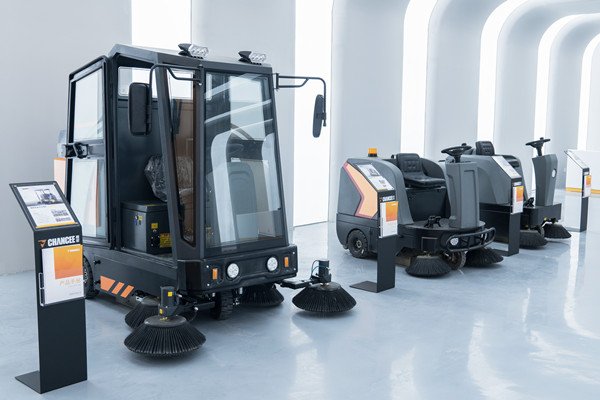
Morden sweeper brushes
Contemporary brushes for sweepers are made with a keen eye on toughness, how well they clean, and the ability to change to fit different cleaning problems. They usually have bristles placed on a main structure; the material of the bristles, their length, thickness, and how they are arranged are all carefully measured for specific cleaning cases. The main structure gives the needed backing and helps join it to the sweeping machine; this makes sure it works well during use.
What are the Sweeper Brushes Used For?
The versatility and adaptability of sweeper brushes have made them indispensable tools across numerous sectors and applications. Their use extends far beyond merely cleaning streets, encompassing a wide range of environments where cleanliness, safety, and maintenance are priorities.
Municipal Street Cleaning
- Remove everyday litter, leaves, and debris from roadways and gutters
- Clean up after public events such as parades, festivals, and markets
- Prevent clogging of storm drains by removing accumulated debris
- Reduce airborne pollutants by removing fine particulate matter from road surfaces
- Maintain aesthetic appeal of public areas, enhancing community pride and property values
The effectiveness of these operations depends significantly on selecting the appropriate sweeper brush type for specific urban environments and debris conditions.
Construction and Industrial Sites
- Removal of heavy construction debris including concrete dust, small aggregates, and metal shavings
- Cleaning up after demolition projects to prevent hazardous material dispersion
- Maintaining safe working environments in manufacturing facilities
- Preventing potentially dangerous accumulations of combustible materials in industrial settings
- Preparing surfaces for new construction phases or finishing work
These environments often require more robust brushes for sweepers that can withstand contact with abrasive materials while maintaining cleaning efficiency.
Airport and Runway Maintenance
- Removing foreign object debris (FOD) that poses risks to aircraft operations
- Clearing rubber deposits left by landing aircraft
- Snow and ice removal operations during winter months
- Cleaning fuel spills and other potentially hazardous materials
- Maintaining visibility of runway markings through regular cleaning
The sweeper brushes used in these applications are typically engineered for high-speed operation and exceptional durability.
Commercial Property Maintenance
- Daily cleaning of parking facilities and pedestrian areas
- Removal of seasonal debris such as leaves and pollen
- Preparation of exterior spaces for special events or high-traffic periods
- Maintaining professional appearance that reflects positively on tenant businesses
Reducing slip hazards through prompt removal of debris and water
Specialized Industry Applications
- Warehouse and distribution centers for maintaining clear, safe pathways for equipment and personnel
- Sports venues for pre-event preparation and post-event cleanup
- Manufacturing facilities where cleanliness directly impacts product quality
- Agricultural settings for cleaning equipment areas and processing facilities
- Mining operations for maintaining access roads and work areas
Each of these applications may require customized sweeper brush solutions that address specific debris types, surface characteristics, and operational constraints.
The diverse applications of sweeper brushes highlight their importance across multiple sectors of modern society, where their proper selection and maintenance directly impact operational efficiency, safety standards, and environmental compliance.
What are the Different Sweepers?
Understanding the various types of sweeping equipment is essential for appreciating how sweeper brushes function within these systems. Different sweeper designs employ brushes in distinct ways, optimizing them for particular cleaning challenges and operational environments.
By Configuration
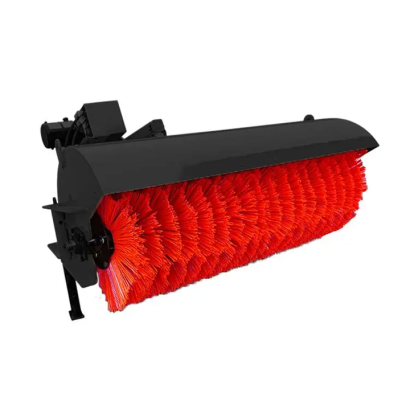
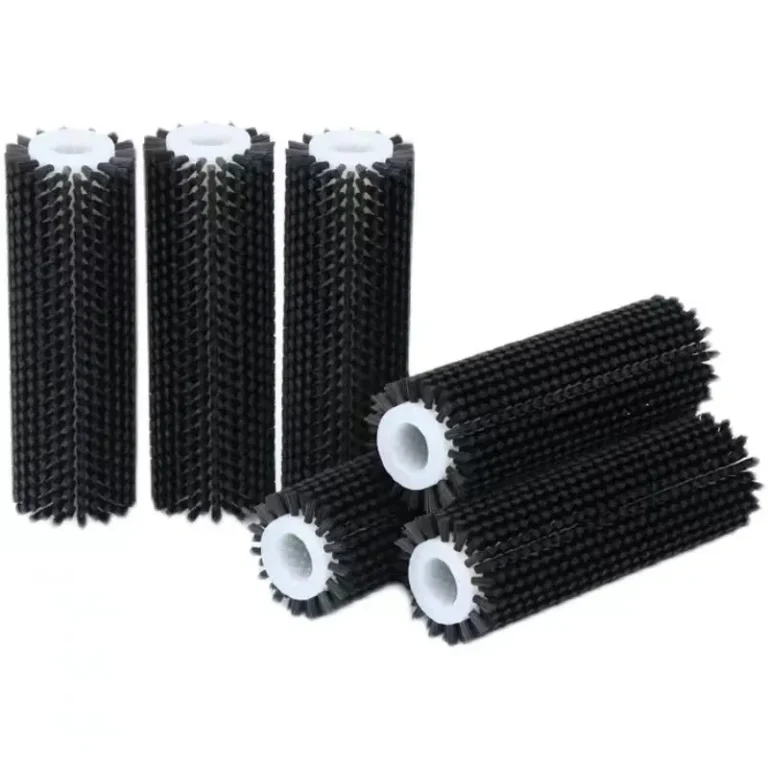
Main Sweeper Brushes / Cylindrical Brushes
These workhorse components form the central cleaning mechanism in most sweeping systems:
⚪Typically span the width of the sweeper’s cleaning path
⚪Rotate against the direction of travel to lift debris into collection systems
⚪Range from 12 inches to 48 inches in diameter depending on the machine size
⚪Feature bristle patterns designed for specific debris types and surface characteristics
⚪Require regular adjustment to maintain optimal ground contact as bristles wear
The main cylindrical sweeper brush often determines the overall cleaning effectiveness of the equipment, making proper selection and maintenance crucial.
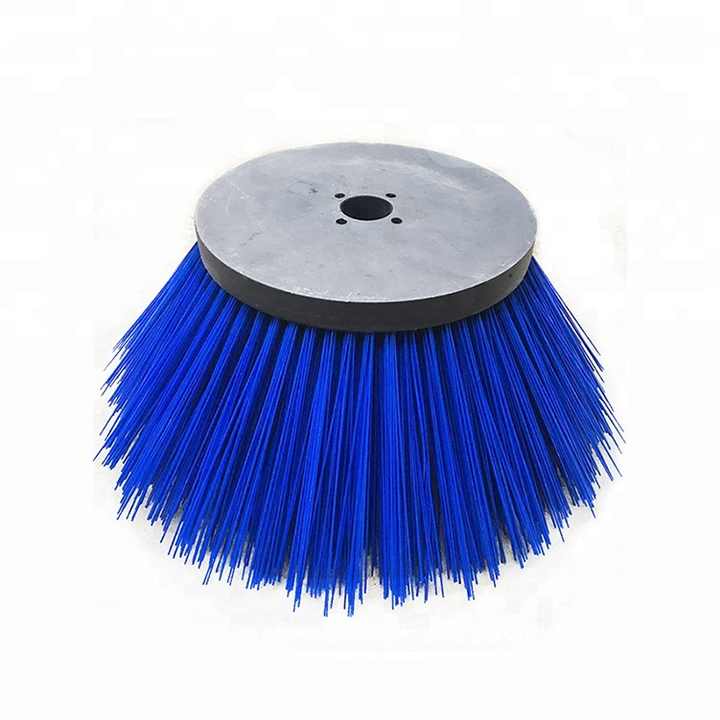
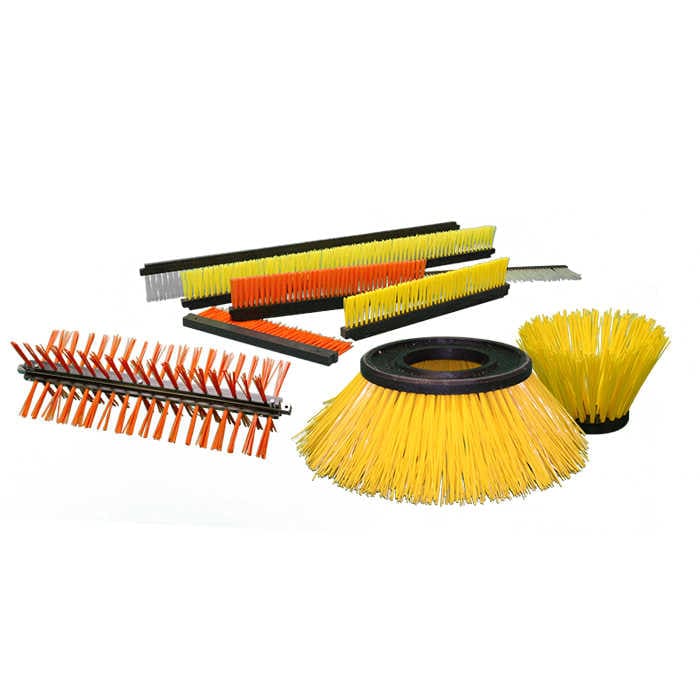
Side Brushes (Gutter Brooms)
These specialized brushes extend the effective cleaning width of sweeping equipment:
⚪Typically circular in design and mounted at angles to direct debris toward the center
⚪Range from 18 to 36 inches in diameter on most equipment
⚪Operate at variable speeds to control debris movement
⚪Often feature more aggressive bristle configurations than main brushes
⚪May be deployed individually or in pairs depending on the sweeper design
Side brushes for sweepers are particularly important for cleaning along curbs, barriers, and other obstacles where the main brush cannot reach effectively.
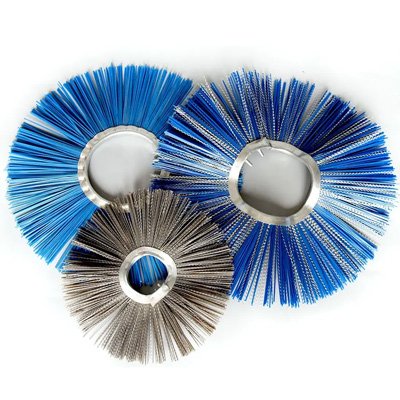
Specialized Pattern Sweeping Brushes
Some applications require unique brush configurations:
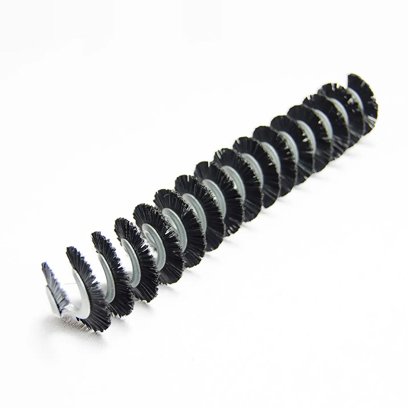
Wafer brushes consisting of stacked circular segments that can be individually replaced
⚪Spiral-pattern brushes that help move debris laterally while cleaning
⚪Segmented brushes allowing partial replacement of worn sections
⚪Conical brushes designed for reaching into corners and irregular surfaces
⚪Combination brushes featuring multiple materials or bristle types in specific patterns
These specialized sweeper brushes address particular cleaning challenges that standard configurations cannot handle effectively.
By Material Composition
The material selection for sweeper brushes significantly impacts their performance characteristics, durability, and suitability for specific applications.

Polypropylene Brushes
These synthetic brushes offer versatility across multiple applications:
⚪Excellent moisture resistance making them suitable for wet environments
⚪Good flexibility allowing effective cleaning without surface damage
⚪Available in various stiffness ratings for different debris types
⚪Typically color-coded to indicate stiffness and application type
Cost-effective sweeper replacement brushes for most standard applications
Polypropylene represents the most common material for general-purpose sweeping operations where balanced performance is required.
Wire Brushes
For more demanding applications, steel wire bristles provide superior strength:
⚪Highly effective for removing compacted dirt and embedded debris
⚪Particularly useful in construction cleanup and industrial settings
⚪Available in various wire gauges for different cleaning intensities
⚪Often incorporated as segments within composite sweeper brushes
⚪Provide excellent aggression for breaking up hardened materials on rough surfaces
Wire brushes must be used with caution on finished surfaces as their aggressive cleaning action can cause damage.
Natural Fiber Brushes
Traditionally made from materials like bassine, palmyra, or tampico:
⚪Offer excellent performance in dust control applications
⚪Environmentally friendly alternative to synthetic materials
⚪Naturally static-resistant, improving collection of fine particles
⚪Often preferred for historical or sensitive surface applications
⚪Provide unique bristle characteristics not easily replicated with synthetics
Though less common in modern large-scale operations, natural fiber brushes for sweepers maintain important niche applications.
Composite and Mixed Material Brushes
Advanced brush designs often incorporate multiple materials:
⚪Combinations of wire and polypropylene for balanced aggression and durability
⚪Sectional designs with different materials for varied surface conditions
⚪Specialized fills incorporating abrasive elements for enhanced cleaning
⚪Multi-layer configurations optimizing debris collection and transport
⚪Custom material blends addressing specific environmental challenges
These sophisticated sweeper brushes represent the cutting edge of sweeping technology, offering optimized performance across diverse operating conditions.
By Attachment System
The method by which brushes attach to sweeping equipment affects their installation, replacement, and operational characteristics.
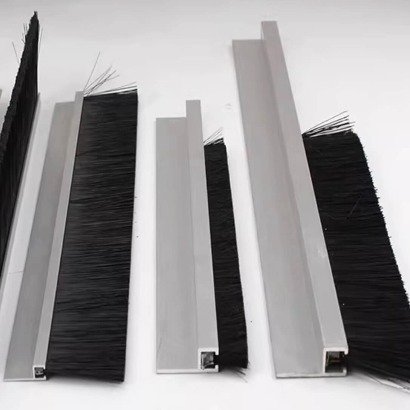
Strip Sweeping Brushes
These brushes feature bristle bundles mounted on continuous strips:
⚪Allow for partial replacement of worn sections
⚪Typically attached to a core using specialized hardware
⚪Offer economical maintenance as only damaged portions need replacement
⚪Provide flexibility in creating custom bristle patterns
Enable mixing of different materials within a single sweeper brush assembly
Strip systems are common in larger municipal sweeping equipment where maintenance cost optimization is a priority.
Wafer Brushes
Built from individual circular sections stacked together:
⚪Each wafer can be rotated or replaced independently as wear occurs
⚪Allow for customized bristle patterns along the brush length
⚪Facilitate easier handling during maintenance due to smaller component size
⚪Enable precise control of bristle density and pattern
⚪Simplify the creation of specialized sweeper replacement brushes for particular applications
The sectional nature of wafer brushes makes them popular for applications requiring frequent brush customization or partial replacement.
One-Piece Molded Brushes
These unified brush structures offer simplicity and consistency:
⚪Manufactured as complete units with bristles permanently affixed to the core
⚪Provide consistent performance across the entire brush surface
⚪Typically feature uniform bristle distribution and characteristics
⚪Offer straightforward installation and replacement processes
⚪Available in standardized sizes for common sweeper brush applications
One-piece designs are prevalent in smaller equipment and applications where simple maintenance procedures are prioritized.
The diversity of sweeper brush types reflects the complex range of cleaning challenges faced across different environments. Selecting the appropriate brush involves careful consideration of debris characteristics, surface types, environmental conditions, and operational requirements. As sweeping technology continues to evolve, brush designs are becoming increasingly sophisticated, offering enhanced performance, longer service life, and improved environmental compatibility.
How to Customize Sweeper Brushes?
The ability to customize sweeper brushes for specific applications represents a significant advantage in optimizing cleaning performance and operational efficiency. Customization allows operators to address unique cleaning challenges, extend brush life, and improve overall sweeping results across diverse environments.
1. Material Selection Considerations
Choosing the right bristle material forms the foundation of effective sweeper brush customization:
- Surface Compatibility: Match bristle type to surface characteristics—softer materials for delicate surfaces, more aggressive options for rough or heavily soiled areas
- Debris Type Analysis: Consider the predominant waste materials being collected—lightweight debris may require different bristles than heavy, compacted materials
- Environmental Factors: Account for temperature extremes, chemical exposure, moisture levels, and other environmental variables that affect brush performance
- Wear Resistance Requirements: Evaluate the abrasiveness of the cleaning environment to select materials with appropriate durability characteristics
- Specialized Applications: Consider unique materials for food-grade environments, static-sensitive areas, or locations with specific regulatory requirements
Consulting with sweeper brush manufacturers about material options can reveal innovative solutions for challenging cleaning scenarios.
2. Bristle Configuration Optimization
The arrangement, length, density, and pattern of bristles significantly impact cleaning effectiveness:
Bristle Length Customization
- Longer bristles provide more flexibility and reach into uneven surfaces
- Shorter bristles deliver greater stiffness and aggression for stubborn debris
- Varied length patterns can create specialized cleaning actions for particular debris types
- Tapered designs offer progressive cleaning action that combines multiple benefits
Density Variations
- Higher density patterns improve collection of fine particles
- Lower density configurations may allow better penetration into textured surfaces
- Strategic density variations across the brush face can optimize performance for mixed debris environments
- Custom density patterns can address specific cleaning pathways or debris movement requirements
Pattern Customization
- Chevron patterns that help move material toward the center of the cleaning path
- Spiral arrangements facilitating debris movement along the brush axis
- Alternating material sections for combined aggressive cleaning and finish work
- Specialized patterns addressing unique facility layouts or debris distribution
Working with manufacturers to develop custom sweeper replacement brush patterns can yield significant improvements in cleaning efficiency and brush longevity.
3. Core and Mounting System Adaptations
The brush core and attachment system can be customized to improve performance and maintenance characteristics:
- Custom Core Materials: Selection of plastic, steel, aluminum, or composite cores based on weight considerations, corrosion concerns, or structural requirements
- Specialized Mounting Hardware: Adaptation of attachment systems for quick-change capabilities, improved balance, or enhanced wear resistance
- Sectional Design Optimization: Development of custom wafer configurations or strip brush segments that facilitate targeted replacement of worn areas
- Balance Enhancements: Addition of counterweights or specialized core designs to minimize vibration during high-speed operation
- Drive System Compatibility: Customization of mounting interfaces to accommodate proprietary drive mechanisms on specific sweeper models
These core system customizations can significantly extend the service life of brushes for sweepers while reducing maintenance downtime.
4. Performance Enhancement Features
Advanced customization options can incorporate specialized features for enhanced performance:
Abrasive Element Integration
- Embedding grit or abrasive materials within bristles for enhanced cleaning power
- Incorporating specialized scraping elements at strategic points along the brush surface
- Adding reinforced sections for high-wear areas while maintaining standard bristles elsewhere
- Implementing self-cleaning features that prevent debris accumulation within the brush structure
Water Integration Systems
- Designing brushes with integrated water distribution channels for dust suppression
- Incorporating specialized moisture-retention materials in dust-critical applications
- Adding water-directing features that optimize the interaction between moisture and brush action
- Developing brush structures that enhance the effectiveness of separate water spray systems
Specialized Segment Combinations
- Creating modular brush assemblies with interchangeable sections for variable conditions
- Developing season-specific configurations that address changing debris characteristics
- Implementing easily adjustable bristle exposure systems for varying aggression levels
- Designing hybrid brushes incorporating multiple cleaning technologies in a single unit
These advanced customization options represent the cutting edge of sweeper brush technology, offering solutions for the most challenging cleaning environments.
5. Collaboration with Sweeper Brush Manufacturers
Developing truly optimized sweeper brushes typically requires close collaboration with specialized manufacturers:
- Performance Analysis: Detailed evaluation of current cleaning challenges and brush performance limitations
- Testing Programs: Systematic field testing of prototype designs in actual operating conditions
- Iterative Development: Refinement of designs based on performance data and operator feedback
- Material Science Consultation: Leveraging manufacturer expertise in emerging bristle technologies and composite materials
- Application-Specific Engineering: Development of brush solutions precisely tailored to unique operational requirements
This collaborative approach ensures that customized sweeper brushes effectively address the specific challenges of particular cleaning environments while remaining economically viable and operationally practical.
The ability to customize sweeper brushes represents a significant competitive advantage for cleaning operations facing unique challenges or seeking to optimize performance beyond what standard brushes can deliver. As sweeping technology continues to evolve, the options for brush customization are expanding, offering increasingly sophisticated solutions for specific cleaning requirements across diverse industries and environments.
How to Obtain Sweeper Brushes That Meet Your Requirements
Selecting and maintaining the right sweeper brush for your specific application involves careful consideration of multiple factors. This comprehensive approach ensures optimal cleaning performance, cost-effective operations, and maximum brush service life. By following these key principles, you can confidently navigate the complex world of sweeper brushes and find solutions that precisely meet your operational requirements.
Comprehensive Assessment of Cleaning Needs
Start by thoroughly analyzing your specific cleaning environment:
- Document the predominant debris types encountered in your operations
- Consider surface characteristics including material, texture, and condition
- Evaluate environmental factors such as moisture, temperature, and chemical exposure
- Assess operational constraints including speed requirements and accessibility challenges
- Identify any special considerations such as noise limitations or dust control requirements
This detailed assessment provides the foundation for selecting the most appropriate sweeper brush type, material, and configuration for your application.
Collaborative Supplier Relationships
Develop strong relationships with knowledgeable brush suppliers who can:
- Provide expert guidance based on extensive industry experience
- Offer samples or trials of different brush types for evaluation
- Assist with customization options for unique cleaning challenges
- Support your maintenance team with training and technical documentation
- Respond quickly to changing operational requirements
The right supplier becomes a valuable partner in optimizing your sweeping operations rather than simply a vendor of sweeper replacement brushes.
Performance-Based Selection Criteria
Make selection decisions based on actual performance rather than just initial cost:
- Consider total cost of ownership including purchase price, service life, and maintenance requirements
- Evaluate cleaning effectiveness across the full range of materials being collected
- Assess durability under your specific operating conditions
- Compare ease of installation and adjustment between different options
- Analyze compatibility with existing equipment and operating procedures
This performance-focused approach often reveals that premium brushes for sweepers deliver better long-term value despite higher initial costs.
Systematic Maintenance Protocols
Implement comprehensive maintenance procedures that:
- Include regular inspection schedules with specific evaluation criteria
- Provide for proper cleaning appropriate to brush materials and debris types
- Document adjustment procedures to maintain optimal brush contact patterns
- Track brush performance and service life for continuous improvement
- Incorporate operator feedback into maintenance and replacement decisions
Well-maintained sweeper brushes consistently outperform neglected brushes regardless of initial quality or cost.
Continuous Evaluation and Improvement
Treat brush selection as an ongoing process of refinement:
- Document performance metrics to track improvements over time
- Remain open to testing new materials and designs as they become available
- Regularly reassess cleaning requirements as operations evolve
- Provide feedback to manufacturers about performance issues and improvement opportunities
- Stay informed about innovations in brush technology that could benefit your operations
This continuous improvement mindset ensures that your sweeping operations benefit from advances in sweeper brush technology and materials science.
Training and Knowledge Development
Invest in developing expertise within your organization:
- Ensure maintenance personnel understand proper installation and adjustment techniques
- Train operators to recognize signs of brush wear or performance degradation
- Develop institutional knowledge about which brush types perform best in specific applications
- Create detailed specifications for replacement brushes based on accumulated experience
- Document successful solutions to challenging cleaning scenarios
This knowledge foundation becomes a valuable asset for maintaining optimal sweeper brush performance across all operations.
Conclusion
In conclusion, obtaining the right sweeper brushes involves much more than simply ordering replacement parts. It requires a systematic approach to assessment, selection, maintenance, and continuous improvement. By understanding the complexity of modern sweeper brush technology and applying these principles, organizations can achieve superior cleaning results while optimizing their operational costs and equipment performance.
The world of sweeper brushes continues to evolve with new materials, innovative designs, and advanced manufacturing techniques. By staying engaged with these developments and maintaining a commitment to optimizing brush selection and maintenance, cleaning operations can achieve new levels of efficiency and effectiveness in addressing their specific challenges.