With the acceleration of urbanization, traditional manual cleaning can no longer meet the needs of efficient sanitation. Smart sweepers (Smart Sweeper) combined with efficient sweeper brushes are becoming the core solution for modern urban cleaning. This article will explore how smart sweepers optimize the cleaning efficiency of disk sweeper brushes and side sweeper brushes, and analyze the future development trends of AI cleaning and driverless driving technologies.
1. How do smart sweepers optimize the cleaning efficiency of sanitation brushes?
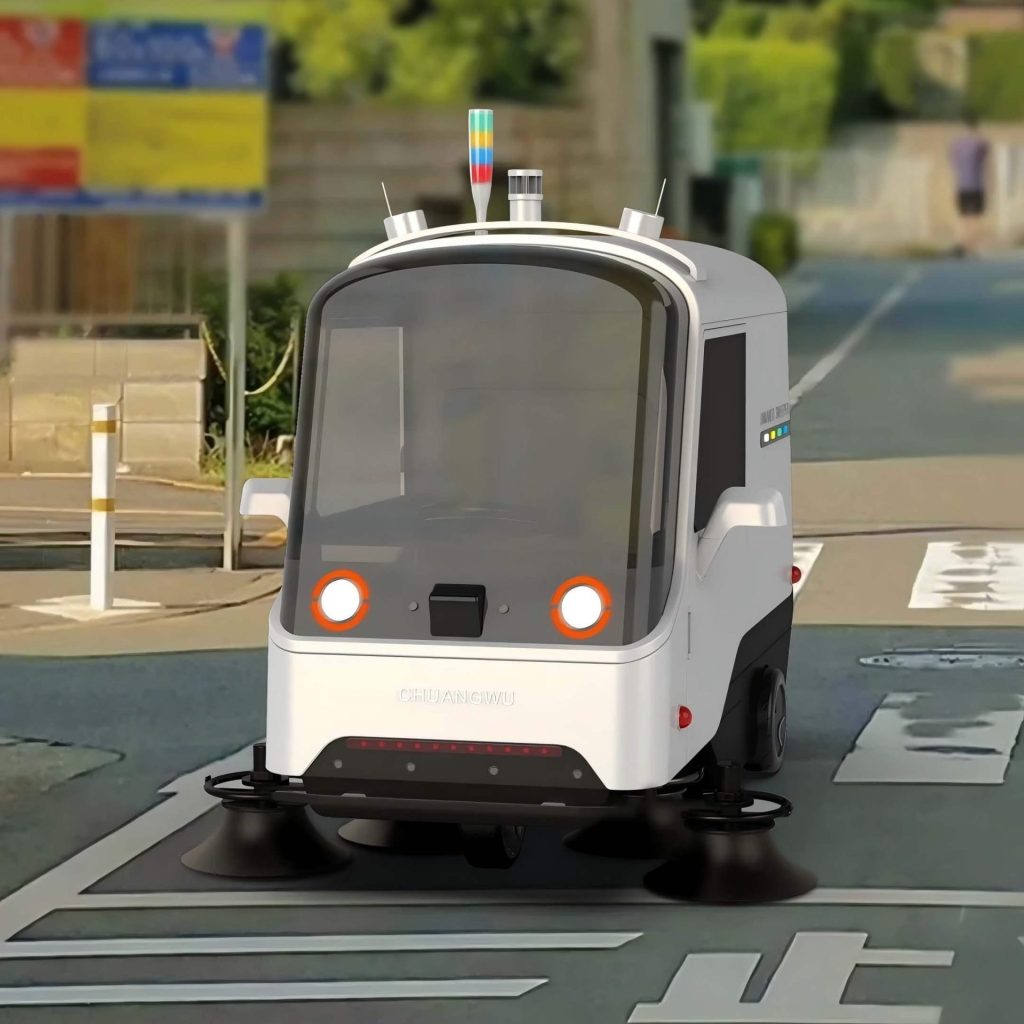
Smart sweepers greatly improve the operating efficiency of sanitation brushes through automatic cleaning technology. Traditional manual cleaning relies on manpower, while smart sweepers are equipped with efficient disk sweeper brushes and side sweeper brushes, which can autonomously adjust the speed, pressure and cleaning path to ensure the best cleaning effect under different road conditions.
(1) Intelligently adjust the bristle pressure to extend the service life
The smart sweeper is equipped with a pressure-sensing system that can automatically adjust the contact pressure of the Sweeper Brush according to the type of ground garbage (such as fallen leaves, gravel, and dust).
For example:
Hard road surface (such as asphalt): Reduce the bristle pressure to reduce wear.
Loose garbage (such as sand): Increase the bristle speed to improve the cleaning coverage.
(2) Path optimization to reduce repeated cleaning
With the help of the AI Cleaning algorithm, the smart sweeper can plan the optimal cleaning route to avoid ineffective round trips. For example:
GPS+LiDAR navigation: precise positioning to ensure that no area is missed;
Automatic obstacle avoidance: when encountering obstacles, adjust the angle of the Side Sweeper Brush to ensure edge cleaning.
(3) Real-time monitoring to reduce maintenance costs
The intelligent system can monitor the wear of the Sweeper Brush and remind you to replace it when the bristle loss reaches the threshold to avoid affecting the cleaning effect due to bristle aging.
2. How does smart hardware improve the performance of sanitation brushes?
Modern smart sweepers not only rely on software optimization, but their smart hardware design also greatly improves the durability and adaptability of sanitation brushes.
(1) Modular brush head design, quick replacement
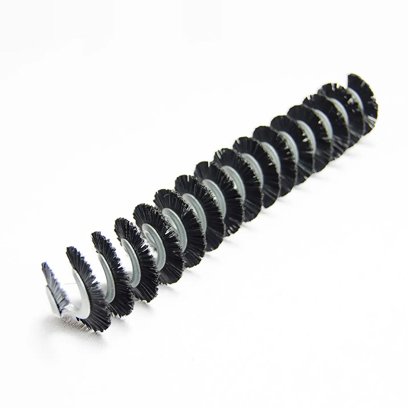
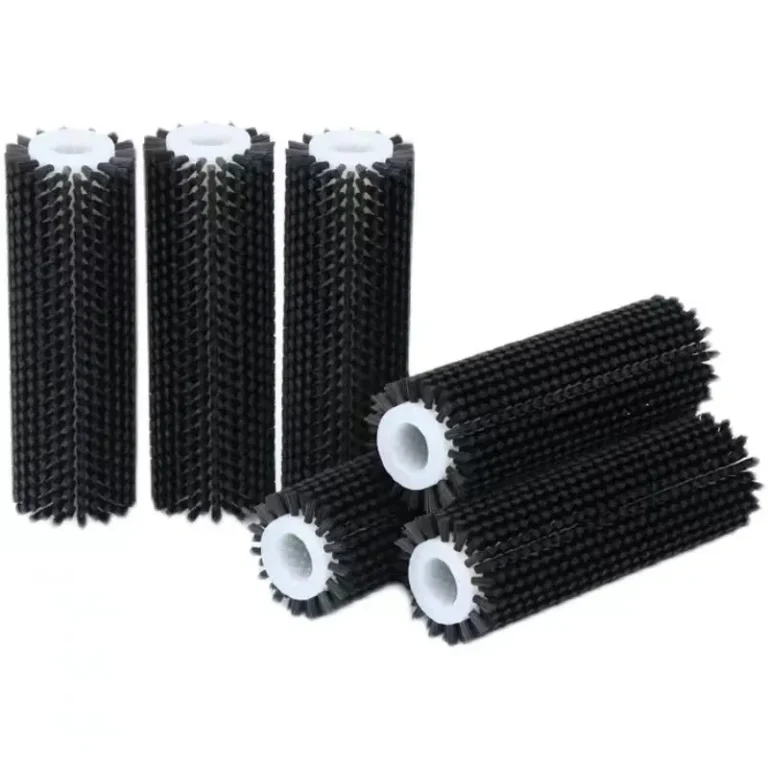
The Disk Sweeper Brush adopts a quick-release structure and can be replaced within 5 minutes. It is suitable for different cleaning scenarios (such as squares, streets, and industrial areas).
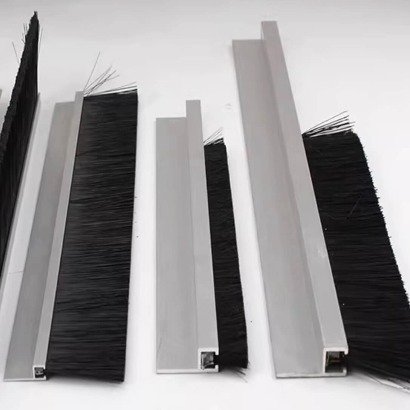
The Side Sweeper Brush can be adjusted in length to adapt to the cleaning of road edges of different widths.
(2) Anti-wear material technology
Carbon fiber reinforced bristles: 50% longer life than traditional nylon bristles;
Self-cleaning brush shaft: prevents hair and fiber entanglement and reduces the frequency of manual cleaning.
(3) Intelligent water spray dust suppression system
Some high-end smart sweepers are equipped with automatic water spray devices, which are linked with the Sweeper Brush to suppress dust during the cleaning process. They are suitable for construction sites, mining areas and other dusty areas.
3. Future trends: How will AI+unmanned driving revolutionize the sanitation industry?
With the maturity of driverless driving and AI cleaning technologies, future smart sweepers will achieve a higher level of automation and further optimize the cleaning efficiency of the sweeper brush.
(1) Fully automatic driving, 24-hour uninterrupted operation
L4 level unmanned sweeper can automatically operate at night or during low traffic hours to improve cleaning coverage;
The cloud scheduling system can manage multiple vehicles to achieve regional collaborative cleaning.
(2) AI visual recognition, precise cleaning
The deep learning algorithm can identify garbage types (such as cigarette butts, plastic bottles) and adjust the speed and suction of the disk sweeper brush;
Garbage volume prediction: Through historical data analysis, optimize the cleaning frequency and reduce energy consumption.
(3) 5G+Internet of Things (IoT) remote management
Managers can monitor the status of each vehicle’s sweeper brush in real time through the intelligent central control platform and predict the maintenance cycle;
Big data analysis can optimize the selection of brush materials and extend the service life.
Conclusion
The combination of smart sweepers and efficient Sweeper Brush is completely changing the traditional sanitation model. Through Smart Hardware, AI Cleaning and Driverless Driving technologies, future urban cleaning will be more efficient, energy-saving and intelligent. With the development of technology, the adaptability of Disk Sweeper Brush and Side Sweeper Brush will be further improved, pushing the sanitation industry into a new era.
Learn more: Comprehensive Introduction to Sweeper Brush