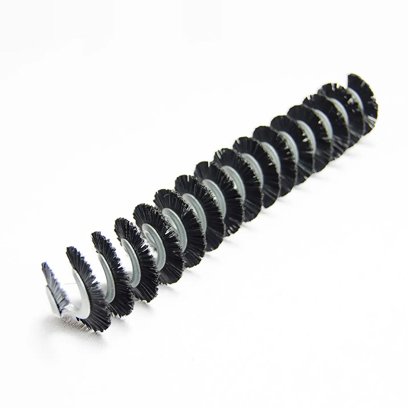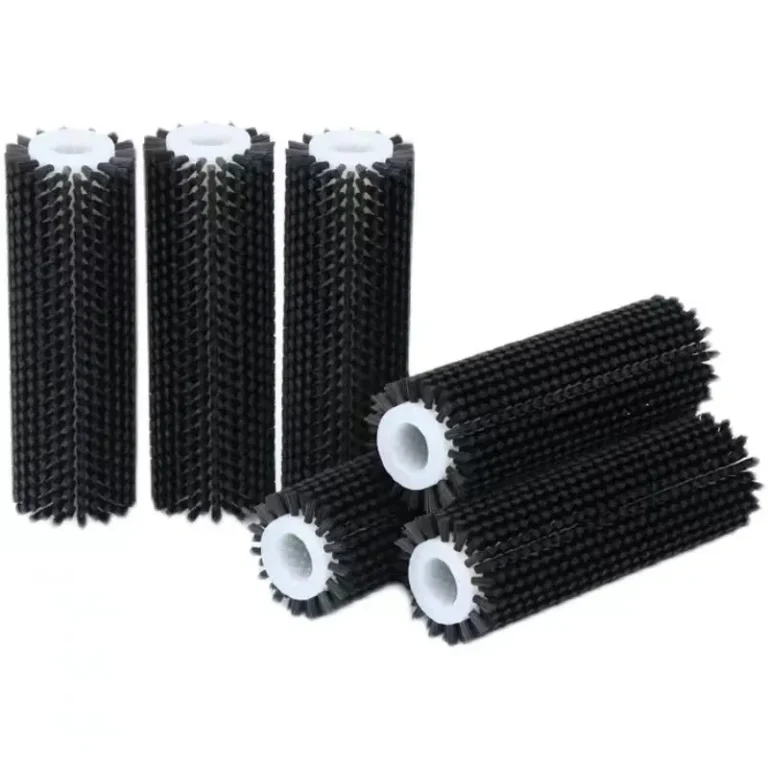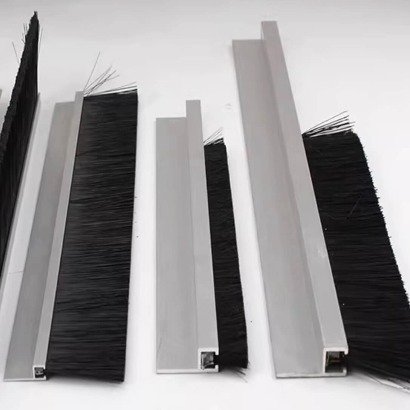
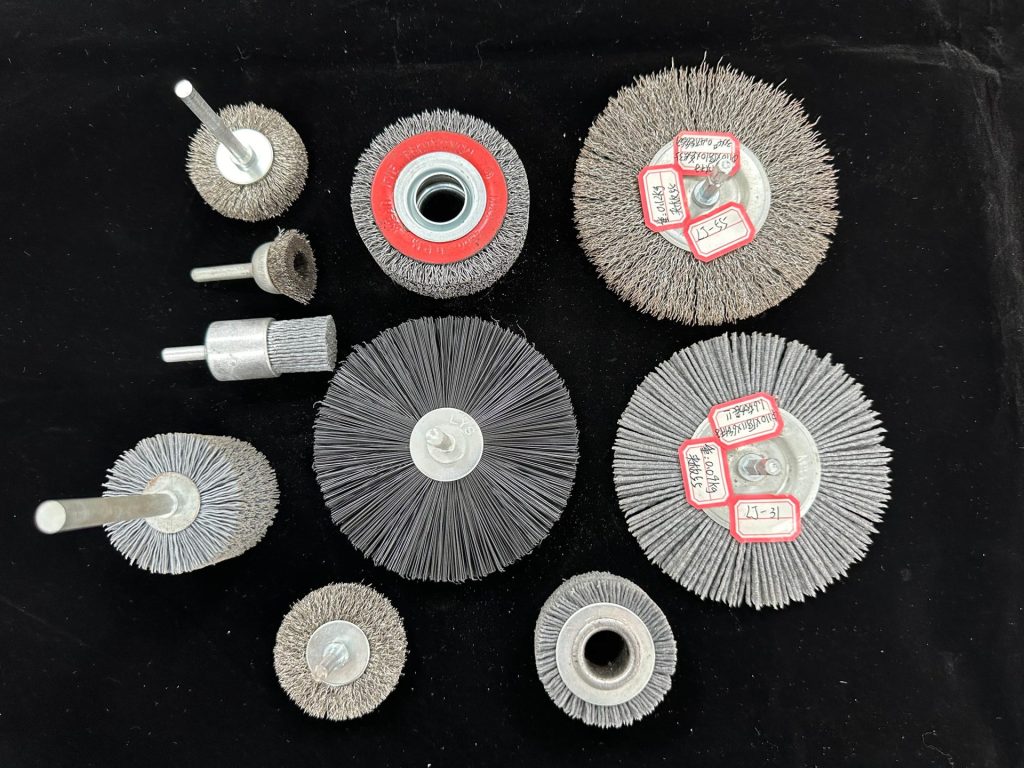
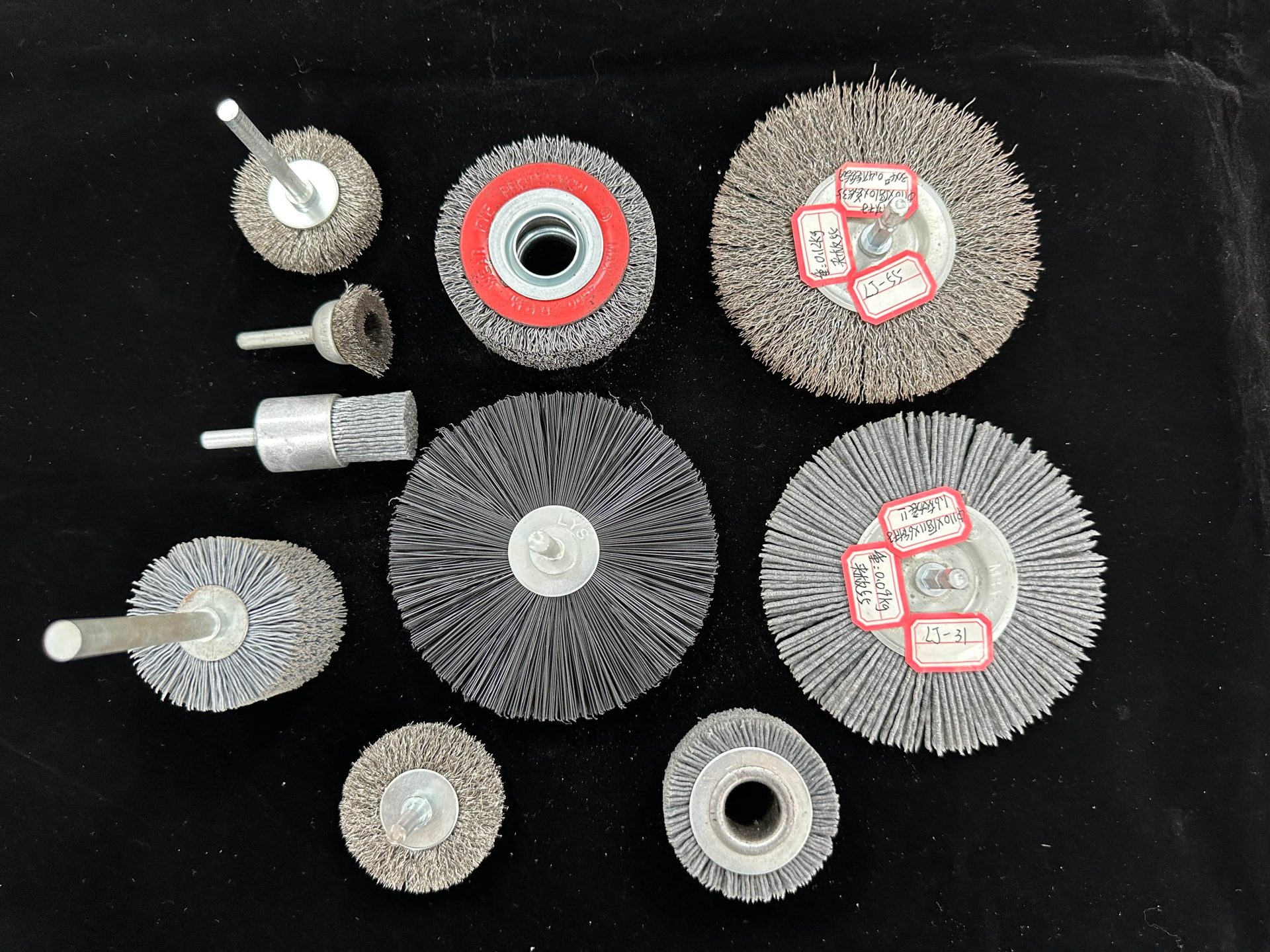
A wire wheel is a tool with many metal wires around a centre hub. People use wire wheels to clean and polish surfaces. They also use them to get surfaces ready for work. Wire wheels can take off rust, paint, and old coatings from metal. In factories, workers pick a straight wire wheel or a knotted wire wheel for hard jobs. The car industry uses wire wheels to clean and finish car parts. Other jobs, like building and ship work, use wire wheels too. Some people need a curved wire wheel for tricky corners. Others use a normal type for flat surfaces. These tools help make surface work easier and quicker.
Key Takeaways
-
Wire wheels are round tools with metal wires. They clean, polish, and get surfaces ready. They spin fast and scrape off rust, paint, and dirt.
-
There are different wire wheel types for different jobs. Crimped wires are for gentle cleaning. Knotted wires are for removing tough rust. Straight wires are for careful or detailed work.
-
You must pick the right wire wheel for your job. Think about the wire material and thickness. Make sure it fits your tool. This keeps you safe and gives the best results.
-
Wire wheels take off rust and paint. They get surfaces ready for painting or welding. They can also polish metal to make it smooth or look nice.
-
Always wear safety gear when using wire wheels. Follow the tool instructions. Take care of your wire wheels. This helps you stay safe and makes your tools last longer.
Wire Wheel Basics
What Is a Wire Wheel
A wire wheel is a type of wire brush shaped like a circle. People attach it to power tools such as angle grinders or bench grinders. The main job of a wire wheel is to clean, polish, or prepare surfaces. It does this by spinning fast and letting its wire bristles touch the material.
Wire wheels come in many shapes and sizes. Some have crimped wires for gentle cleaning. Others use knotted wires for tough jobs. The wires can be made from different materials. Here are some common choices:
-
Stainless steel wire resists rust and works well on delicate surfaces. It gives a smooth, polished finish.
-
Carbon steel wire is strong and abrasive. It suits heavy-duty cleaning but does not resist rust as well.
-
Brass wire is softer and good for non-sparking jobs.
A wire wheel usually has a solid centre. The wires stick out from the edge, making it look like a spiky disc. People use wire wheels for cleaning, deburring, edge blending, and removing paint or weld spatter. They can choose the right wire brush for the job by looking at the wire type, thickness, and wheel size.
Tip: Always match the wire wheel to the surface and the job. Using the wrong type can damage the material or wear out the wheel too quickly.
|
Feature |
Description |
|---|---|
|
Shape |
Circular, with wire filaments radiating from the edge |
|
Mounting |
Fits on power tools like grinders |
|
Wire Types |
Crimped, knotted, or straight |
|
Materials |
Steel, stainless steel, brass |
|
Uses |
Cleaning, polishing, surface prep, paint removal |
How Wire Wheels Work
Wire wheels work by spinning at high speed. The wire bristles hit the surface and scrape away unwanted layers. This action removes rust, paint, and other debris. The bristles act like tiny scrapers, using kinetic energy to break up and lift off dirt.
Different wire wheels suit different jobs. Crimped wire wheels bend easily. They clean uneven surfaces and remove light dirt. Knotted wire wheels are stiff and strong. They tackle heavy rust and thick paint. Straight wire brushes can reach into corners or grooves.
Abrasive wheels, including wire wheels, rely on the hardness and shape of their bristles. The impact and abrasion from the wires clean and roughen the surface. Some wire brushes use special mounting, so the wires flex and snap back, hitting the surface harder. This helps remove stubborn stains or create a textured finish.
Wire brushes and abrasive wheels work on many materials. People use them on metal, plastic, glass, and ceramics. They help prepare surfaces for painting or welding. They also polish and create patterns for decorative work.
Note: Always wear safety gear when using wire wheels or abrasive wheels. Flying bristles or debris can cause injury.
Types of Wire Wheels
Wire brush wheels come in different types. Each type is good for certain jobs. You need to pick the right one for your task. Let’s see the main types and how people use them.
Crimped Wire Brush Wheels
Crimped wire brush wheels have wires that look wavy or pinched. These wires do not touch each other. This makes the brush bend and move easily. The design helps stop the wires from breaking. People use crimped wire brush wheels for light cleaning and polishing. They are good for finishing work too. These brushes work well on soft or bumpy surfaces. The wires can bend to fit the shape.
-
Crimped wire brush wheels give even cleaning.
-
They are good for taking off light rust and cleaning soft things.
-
These brushes help keep the surface smooth.
-
Many people use them in metalwork, fixing cars, and woodwork.
Tip: Crimped wire brush wheels are great for gentle jobs at home or in factories.
Knotted Wire Brush Wheels
Knotted wire brush wheels have wires twisted together. This makes them very stiff and strong. They are much tougher than crimped types. These brushes can clean off thick rust and weld marks. They also remove hard layers from metal. The twisted wires cut better and last longer.
Here’s a quick comparison:
|
Feature |
Knotted Wire Brush Wheels |
Crimped Wire Brush Wheels |
|---|---|---|
|
Aggressiveness |
Very strong; best for hard cleaning |
Mild to medium; best for light cleaning |
|
Durability |
Very tough; can be used a lot |
Not as tough; better for careful work |
|
Typical Uses |
Cleaning welds, pipes, and big machines |
Taking off light rust, smoothing edges |
|
Surface Finish |
Leaves a rough surface |
Leaves a smoother surface |
Knotted wire brush wheels are best for jobs that need lots of power. People use them in shipyards and building sites. They are also used in heavy industry. Because they are so strong, you should check them before using. Always wear safety gear. Do not push too hard, or the wires might break.
Note: Always look at knotted wire brush wheels before using and follow safety rules.
Straight Wire Brush Types
Straight wire brush types have wires that stick straight out. These brushes are not as thick or strong as the other types. They clean gently and do not scratch much. This makes them good for careful cleaning and fine work. Straight wire brush wheels are best for soft things. Too much force could damage the surface.
-
Straight wire brush wheels are good for cleaning small spaces and polishing tiny parts.
-
They clean a small area, so they are good for detail work.
-
Many people use these brushes for soft surface work, like with plastic, glass, or ceramics.
Specialised and Customisable Wire Brush Wheels
Not all wire brush wheels are the same. Some, like the Copper-plated Steel Wire Galvanised Steel Based Wheel Brush from marshal, have special features. This brush is strong because it uses steel. It also resists rust and carries electricity because of the copper. It lasts a long time and does not cost too much. This makes it good for both big jobs and home use.
Wire brush wheels now have many choices. You can pick wires made from stainless steel, brass, or copper-plated steel. The base can be plastic, wood, or metal. The bristles can be nylon, PP, sisal, or abrasive wire. You can get different sizes and shapes to fit your tool. Some brushes have soft bristles for gentle cleaning. Others have thick wires for hard jobs.
Did you know? marshal lets you choose special features, so you get the best brush for your job.
Wire brush wheels and other abrasive wheels help with many cleaning and polishing jobs. With so many types and choices, there is a wire brush for every project.
Wire Wheel Uses
Rust and Paint Removal
Wire wheels are often used to take off rust and old paint from metal. Many people in workshops and factories use them for this hard job. Picking the right wire wheel is important. Coarse wire wheels are best for tough jobs. Small wheels are good for careful work. Big wheels clean large areas fast. Carbon steel wires are good for most metals. Stainless steel wires are for stainless steel or non-ferrous metals. Brass wires are gentle and work well on soft metals like aluminium and copper.
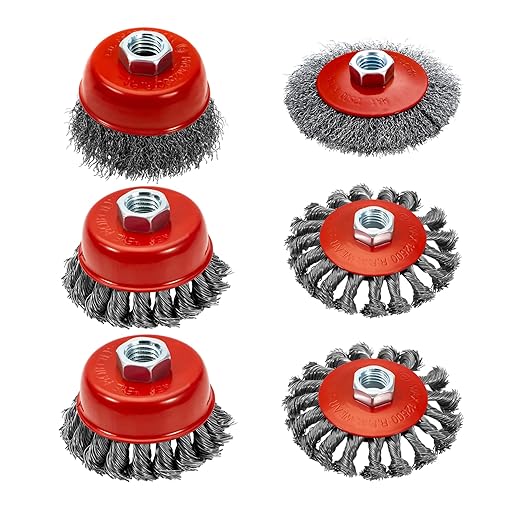
Crimped wire wheel brushes are for light or medium cleaning. They take off rust, paint, and corrosion from metal. Twisted knot wire brushes are stronger and remove thick layers or tough spots. Wire cup brushes fit on angle grinders or drills. They clean big, flat, or curved surfaces quickly. People should always pick the right wire wheel for the job and tool speed. This keeps them safe and gives the best results.
Tip: Always wear gloves, safety glasses, and a dust mask when using wire wheels for rust and paint removal.
Surface Cleaning and Preparation
Wire wheels help clean and smooth metal parts before painting, welding, or coating. Metalworking, car, plane, and building jobs use wire wheels every day. Workers use them to clear away dirt, scale, welding marks, and old coatings. This step is important for good surface prep. It helps new paint or coatings stick better.
Crimped wire wheels are popular for cleaning and getting surfaces ready. They work on flat and bumpy surfaces. Knotted wire wheels are picked for tough cleaning and smoothing jobs. In car work, mechanics clean engine parts and take off gaskets. In building, workers get steel beams and frames ready. On farms, wire wheels clean rust and dirt from machines.
|
Industry |
Common Uses for Wire Brushes |
|---|---|
|
Metalworking |
Cleaning and deburring, weld prep |
|
Automotive |
Removing rust, gasket cleaning |
|
Aerospace |
Surface preparation applications |
|
Construction |
Paint removal, cleaning and polishing |
|
Agriculture |
Equipment maintenance |
Wire wheels are not just for metal. Some people use them on wood, stone, or brick to clean and smooth. But they should not use wire wheels on glass, ceramics, or soft plastics. These can chip or break if the wires press too hard.
Polishing and Pattern Making
Wire wheels do more than clean. They also polish and make patterns. Many metalworkers use wire wheels to give metal a soft, dull shine called a satin finish. This finish hides scratches and gives a gentle glow. The marshal Copper-plated Steel Wire Galvanised Steel Based Wheel Brush is one example. It makes a shiny satin look and takes off oxidation, so parts are ready for the next step.
Wire wheels can also make patterns. Skilled workers use them to make wavy or fish scale designs on metal. These patterns add style to railings, panels, and art. Wire wheels also take off sharp bits from cut parts, making edges smooth and safe.
-
Common uses for wire brushes in polishing and pattern making:
-
Satin polishing for a matte finish
-
Making patterns on metal
-
Cleaning and smoothing sharp edges
-
Getting surfaces ready for more work
-
Wire wheels come in many shapes and materials. Some are stiff for rough polishing. Others bend for curved or bumpy surfaces. Stainless steel, brass, and copper-plated steel wires all have their own uses for cleaning and polishing.
Note: Always test a wire wheel on a small spot first, especially on a new material.
Choosing a Wire Brush
Material and Filament Options
Picking the right wire brush depends on a few things. The wire filament material is very important. Carbon steel is good for hard jobs on strong metals. Stainless steel is best for stainless surfaces because it stops contamination. Brass is soft and works well on gentle metals. Nylon filaments are used for careful cleaning.
How the filaments are arranged also changes how the brush works. Crimped wires are used to clean and take off rust. Twisted wires are for tough jobs like deburring. The thickness of the wire changes how strong the brush feels. Thick wires take off more material but do not last as long. Thin wires last longer and make a smoother finish. For example, the marshal Copper-plated Steel Wire Galvanised Steel Based Wheel Brush is strong because of steel and resists rust because of copper. This makes it good for tough places and helps it last longer.
|
Application Type |
Wire Gauge Range |
Performance and Longevity |
|---|---|---|
|
Heavy-duty/Coarse |
20 – 24 |
Aggressive, shorter brush life |
|
Medium to Heavy |
25 – 30 |
Balanced thickness and durability |
|
Light/Fine |
35 – 38 |
Gentle, longer brush life |
marshal lets people pick special brushes for their needs. You can choose brushes for metal, plastic, or ceramic work.
Tool Compatibility
Not all wire brushes fit every tool. People should check the size and how the brush attaches before buying. Rotary brushes are used with drills and angle grinders. Cup brushes are good for big, flat areas. Handheld brushes are best for small or careful jobs. Always match the brush speed to the tool’s speed. Using the wrong speed can break the brush or the tool.
Tip: Always read the maker’s instructions to use the brush safely and well.
Safety Tips
Safety is most important when using wire brushes. People should wear safety glasses or a face shield to stop flying bristles from hurting them. Gloves, long sleeves, and trousers help stop cuts and scratches. Use clamps to hold your work still. Never go faster than the top speed on the brush. Check the brush before each use and change it if it is damaged. Keep brushes in a dry place so they do not rust.
-
Wear personal protective equipment (PPE)
-
Work where there is fresh air
-
Keep hands away from moving parts
-
Clean and store brushes the right way
Wire wheel brushes with copper-plated steel filaments are extra strong and resist rust, so they are good for hard jobs.
Picking the right brush helps make cleaning or polishing simple. People should choose brushes with features that fit their needs. Some brushes have special shapes or are made from strong materials. marshal has choices that help keep users safe and make the brush work better. These include spiral winding and picking good materials. Looking after your brush is important. Use gentle pressure and keep brushes dry when not in use. This helps them last longer. If you buy good tools from trusted brands, your work will be safer and look better.
-
marshal’s designs help clean well and keep users safe.
-
Taking care of your tools makes them last and keeps you safe.
FAQ
What surfaces can a wire wheel clean?
A wire wheel can clean many surfaces. People use it on metals, plastics, glass, and ceramics. It works well for removing rust, paint, and dirt. Always test on a small area first to check the results.
Can a wire wheel be used for polishing?
Yes, a wire wheel can polish surfaces. It creates a satin or matte finish on metal. Some people use it to make decorative patterns. The right brush type gives the best results for each job.
How do you attach a wire wheel to a tool?
Most wire wheels fit onto drills, angle grinders, or bench grinders. The user needs to match the wheel’s size and mounting hole to the tool. Always follow the tool’s instructions for safe attachment.
Is a wire wheel safe for delicate materials?
Wire wheels can scratch soft or delicate materials. Thin wires or nylon brushes work better for gentle cleaning. Always use light pressure and test first to avoid damage.
Do wire wheels work for metal cutting?
Wire wheels do not cut metal. They clean, polish, and remove surface layers. For metal cutting, people should use cutting discs or saws designed for that purpose.