Industrial brushes are very important in many industries. These include car making and food processing. Making these brushes has many steps. It’s very important to learn the process of custom industrial brushes. Companies like marshal are leaders in this field. They use new materials and smart technology. This helps every brush work as it should.
The world market for custom industrial brushes was about US$ 710.37 million in 2023. It may grow to almost US$ 1,257.46 million by 2030. This is because more people need them in cars, medicine, and factories.
|
Aspect |
Details |
|---|---|
|
Market Size 2023 |
About US$ 710.37 million |
|
Projected Market Size 2030 |
Almost US$ 1,257.46 million |
|
CAGR (2024-2030) |
8.5% |
|
Key Demand Drivers |
Cars, medicine, food, planes, and factories |
|
Highest Market Value Segment |
Car and factory uses |
|
Raw Material Dominance |
Metal brushes are most used because of more cars being made |
|
Brush Type Dominance |
Machine brushes make the most money |
|
Regional Growth Highlights |
Asia Pacific is growing fastest; China may reach US$ 171.39 billion by 2029 |
|
Notable Companies |
Gordon Brush Mfg. Co., Inc. is known for making custom brushes |
|
Market Influences |
More cars are being made and more factories are opening, especially in Asia Pacific |
Key Takeaways
-
marshal talks with customers to make brushes that fit their needs and jobs. Choosing the best materials and brush design helps brushes work well and last longer. The company uses special tools and tests to make sure each brush is safe and high quality. Flexible manufacturing lets marshal make both small custom orders and big orders quickly. Careful quality checks and good packaging keep brushes safe and reliable from the factory to the customer.
Custom Industrial Brushes: Demand Analysis
Identifying Needs
marshal starts by talking with clients to learn what they need. The team uses different ways to find out each customer’s needs.
-
They look at their own skills and compare them with other suppliers.
-
They check business profiles to see if their strengths fit the client’s goals.
-
They talk directly with clients using forms and technical help to get details.
-
They ask clients to request quotes and visit their website for special solutions.
-
They handle many requests at once to answer quickly.
This way, marshal learns why the brush is needed and where it will be used. They also find out if there are any special needs for how the brush should work. By focusing on custom solutions, technical help, and trusted certifications, marshal makes sure each brush fits the client’s job.
Application Requirements
Different industries need different custom industrial brushes. In food processing, brushes must use food-grade materials like nylon or polypropylene. These materials do not react with chemicals and meet FDA rules. The design stops bacteria from growing and keeps brushes safe. Color coding and smooth surfaces help keep brushes clean.
In sanitation, brushes must handle strong cleaners and lots of use. Bristle stiffness changes for each cleaning job. Soft bristles protect gentle surfaces. Stiff bristles clean tough dirt. Manufacturing uses brushes for cleaning, coating, sorting, or moving things. Each job needs a special brush shape and material.
Regular care, like cleaning every day and replacing on time, keeps brushes working well. marshal helps clients pick the right brush for their job.
Material Selection
Picking the right materials is important for how the brush works. marshal chooses bristle types based on the surface and where it will be used.
-
Stainless steel is good for high heat and hard cleaning.
-
Nylon does not react with chemicals and is good for gentle surfaces.
-
Brass and bronze are used for polishing and softer metals.
-
Synthetic fibers like PVC or polyethylene bend easily and resist water.
The team thinks about bristle stiffness, length, and thickness for each cleaning job. They also look at heat, chemicals, and how long the brush will last. By matching materials to the job, marshal makes sure each brush works well and lasts longer.
Design & Prototype
Technical Design
marshal works with clients and their engineers from the start. They talk early to pick the best brush shapes and materials. The team also decides how the brush will be attached. They use special CAD software to make exact designs. Design sheets help customers share all the needed details.
|
Tool/Software/Method |
Description |
|---|---|
|
Advanced CAD Software |
Makes accurate brush models for each client. |
|
Proprietary Design Sheets |
Gathers important details for custom projects. |
|
Automated Machinery |
Keeps manufacturing fast and the same every time. |
|
Quality Assurance Protocols |
Uses strong testing and ISO rules for high quality. |
Engineers turn client ideas into clear plans. They set the right temperature limits and angles. The team also finds hidden needs, like if the brush must block certain signals or work with special chemicals. A Priority Matrix helps balance what is most important. This makes sure the brush works well in every way.
marshal uses good suppliers and a strong supply chain. This helps them keep quality high and deliver on time. They pick materials that last long and do not break easily. This is very important for motor brush jobs. Good planning and supplier relationships help save time and money.
Note: Some industries, like food and healthcare, have strict rules. marshal changes designs to meet these rules. They add features like adjustable speeds and brushes that move in different ways to follow safety standards.
Prototype Creation
After the design is ready, marshal makes a prototype. They use their own tools and machines to build it fast. This keeps their ideas safe and speeds up the process. Clients give details like size, bristle type, and how the brush will be used. Engineers then pick the right materials and bristle sizes.
-
First, they check how the brush will be used.
-
The team builds the prototype with advanced methods.
-
Robots and machines help make the process quick and correct.
-
The factory is closed to keep everything private and safe.
This way, marshal can make simple or complex prototypes quickly. They test and change the design until it fits what the client needs before making more.
Validation & Testing
Testing is very important for new brushes. marshal tests each prototype to make sure it works well and lasts long. They use machines, computer models, and real-life tests to find any problems.
-
Special makers test the brush in real work places.
-
They check how well it cleans, how long it lasts, and if it fits the equipment.
-
Engineers use computer tools like FEA to check the design and materials.
-
They use feedback and test results to improve the brush.
They make both simple and detailed prototypes to see how the brush works in real life. Experts help pick the best bristles and materials so the brush meets all rules and works well.
Tip: marshal listens to feedback and keeps testing. This helps them make strong, high-quality brushes that work well in tough jobs.
Production Planning
Tooling Setup
marshal gets ready for production by setting up the right tools. The team looks at the design and picks machines that fit the brush. They use CAD models to help with setup. This makes sure each tool matches the brush’s shape and size.
The company has a step-by-step process for tooling:
-
Check the final design and list of materials.
-
Pick or change machines for the job.
-
Set up equipment to meet exact measurements.
-
Test the setup with a small batch.
-
Change settings to work better.
This careful planning helps stop waste and keeps things running well. marshal also talks with suppliers to get materials on time. Good suppliers help the work go smoothly and stop delays.
Flexible Manufacturing
marshal uses flexible manufacturing to fill many kinds of orders. The factory can quickly switch between brush types. Machines and skilled workers help the company change fast. This system works for both easy and hard projects.
Some important parts of flexible manufacturing at marshal are:
-
Fast changes between brush models.
-
Workstations that can do different jobs.
-
Watching production lines in real time.
-
Technicians who fix problems quickly.
Tip: Flexible manufacturing helps marshal handle rush orders and special jobs without stopping normal work.
The company also uses lean methods to cut waste and work better. By using just-in-time delivery and smart scheduling, marshal keeps less inventory and high quality.
Batch vs. Mass Production
marshal offers both batch and mass production to fit client needs. The choice depends on how many brushes the client wants.
|
Production Type |
Best For |
Features |
|---|---|---|
|
Batch Production |
Small to medium orders |
High customization, quick setup, less waste |
|
Mass Production |
Large, repeat orders |
Lower cost per unit, consistent quality |
Batch production is good for custom brushes. It lets the team change the design, material, or size. They can make small amounts for testing or special uses. Mass production is best for clients who need lots of the same brush. Automated lines and good planning help finish big orders on time.
marshal uses different ways to plan production:
-
Design for manufacturability makes each brush easy to build.
-
Master scheduling balances what is needed and what can be made.
-
Material planning keeps supplies ready.
-
Quality checks every step for accuracy and strength.
By doing both batch and mass production, marshal helps many industries. The company delivers strong brushes on time, no matter the order size.
Quality & Delivery
Inspection & Control
marshal checks quality at every step. The team looks at each brush from start to finish. They use different ways to make sure each brush is good:
-
They look for scratches, dents, or wrong labels.
-
They use tools to check the size and shape.
-
They test if the brush works like it should.
-
They break some brushes to see how strong they are.
marshal follows big industry rules to keep quality high:
-
ISO 9001 makes sure quality is managed well.
-
FDA says brushes are safe for food and medicine.
-
UL checks that brushes are safe with electricity.
-
ANSI sets rules for quality in the US.
The company keeps these rules by testing often and keeping records. Workers get training to do their jobs well. They listen to what clients say and try to get better.
marshal uses smart machines and skilled workers. This helps every brush stay the same and work well.
Packaging
marshal uses strong boxes to keep brushes safe when shipping. The team picks tough cardboard for heavy or breakable brushes. Special boxes stop brushes from moving around. Lighter brushes go in folding cartons. Rigid boxes protect fancy or delicate brushes.
The packaging steps are:
-
Dust flaps and locks keep brushes clean and safe.
-
Digital printing puts clear labels and logos on boxes.
-
They check each step to make sure brushes are safe.
marshal cares about the planet. They use boxes that can be recycled or break down naturally. The team tries to use less material and make less trash.
Logistics
marshal sends brushes to customers all over the world. The team plans each delivery so brushes get there on time and in good shape. They pick good shipping companies and watch every order from the factory to the customer.
-
Strong boxes keep brushes safe while moving and storing.
-
Green choices help the earth by making less pollution.
-
They help businesses who want eco-friendly shipping.
marshal’s worldwide delivery makes sure clients get their brushes fast and safe, no matter where they live.
Every step in making custom industrial brushes is important. marshal controls the whole process, from design to delivery. This makes sure each brush fits what the customer wants.
-
The team changes each part to fit the job. They test for quality and use new technology for better results.
-
New ideas like using eco-friendly materials help marshal stay ahead.
Companies can count on marshal for custom industrial brushes that fit their needs.
FAQ
What types of custom industrial brushes does marshal offer?
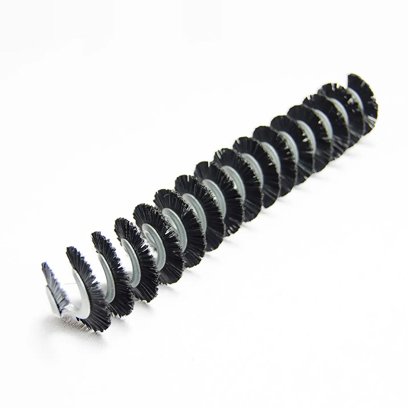
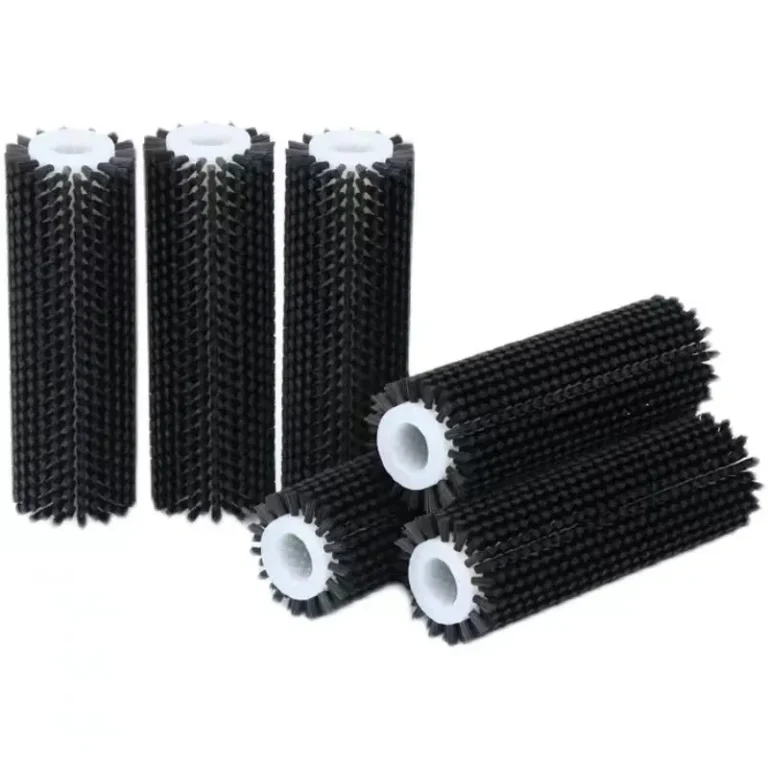
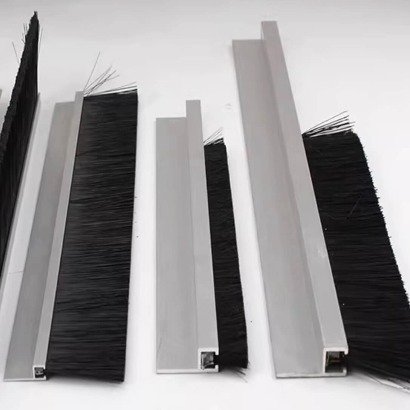
marshal makes many kinds of brushes. These include strip brushes, wheel brushes, disk brushes, spiral brushes, plate brushes, roller brushes, coil brushes, and cup brushes. The team can also make special brushes for different jobs.
How long does it take to produce a custom brush order?
How long it takes depends on the brush and how many are needed. Most orders are ready in two to four weeks. marshal gives a time estimate after they know the design and amount.
Can marshal help select the right brush for a specific application?
Yes. The technical team looks at what each client needs. They suggest the best brush type, material, and design for the job.
What quality standards does marshal follow?
marshal uses ISO 9001, FDA, UL, and ANSI rules. The company checks every brush at many steps to make sure it is safe and works well.
Does marshal ship internationally?
marshal sends brushes to many countries. The logistics team packs them safely and makes sure they arrive on time.