A vegetable roller brush is a useful tool for cleaning produce. Experts know that fruits and vegetables can have harmful germs. The vegetable roller brush takes away dirt and bad stuff. This helps keep food safe. Fresh produce is touched by many people before you eat it. Cleaning with a vegetable roller brush lowers the risk of getting sick. Fresh food should be kept safe and healthy. Keeping food fresh, tasty, and healthy needs good cleaning. Good cleaning and food care help keep produce good. Using the right tools and habits keeps produce safe and fresh.
Key Takeaways
-
Vegetable roller brushes help clean fruits and vegetables. They scrub off dirt, germs, and some pesticides. This keeps produce safe and fresh.
-
Brushes with water sprays clean faster. They also reach spots that are hard to clean. This works well for rough-skinned produce like apples and potatoes.
-
Cleaning and sanitizing brushes and machines often is important. It stops germs from spreading. This keeps food safe from bad bacteria.
-
Picking the right brush type and material is important. It protects soft fruits and helps clean better. It also stops damage to the produce.
-
Following the right cleaning steps and taking care of tools helps fruit last longer. It keeps fruit tasty and lowers the chance of getting sick from food.
Effectiveness of Vegetable Roller Brush
Cleaning Fresh Produce
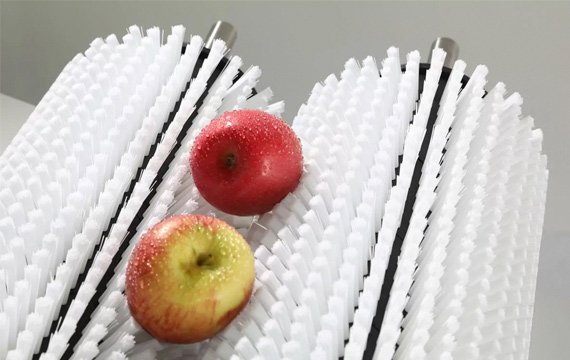
A vegetable roller brush is important for improve cleaning efficiency. Workers put fruits and vegetables on the machine. The brush rollers move the produce forward. The bristles scrub each fruit’s surface. This removes dirt and other things you do not want. The brush often works with strong water sprays. This makes cleaning faster and safer for eating.
Some fruits, like apples and potatoes, have rough skins. Dirt and germs can hide in these places. The vegetable roller brush can reach into these spots. This helps make sure the cleaning is complete. Food safety experts say to use a brush for fruits with bumpy skins. Doing this lowers the chance of bad germs staying on the produce.
Tip: Always wash fresh produce under running water before eating, even if you plan to peel it. The vegetable roller brush helps remove surface dirt, but water rinsing adds another layer of safety.
Cleaning does more than make fruit look nice. It also helps fruits last longer and stay fresh. Using a vegetable roller brush makes cleaning better. It helps keep fresh produce in good shape.
Removing Contaminants
Taking away contaminants is a big benefit of using a vegetable roller brush. The brush bristles are made from safe materials like nylon. They rub against the fruit and scrub off mud, residues, and germs. Water sprays help the brush clean even more. This makes fruits and vegetables very clean.
Scientists found that the brush can be made softer or harder. Softer bristles polish fruit. Harder bristles can peel root vegetables. This means the brush can work for many kinds of produce. The brush removes dirt and some farm chemicals from the surface. This method works well for cleaning.
Researchers at UC Davis tested different brush materials. They wanted to see which one removed germs best. Nylon brushes worked better than horsehair or plastic ones. The study showed that the right brush lowers the risk of bad bacteria on fruit.
Fruits and vegetables can have mud and germs from the field. The vegetable roller brush takes away these problems. This keeps produce safe and helps it last longer. The washing process cleans more than 95% of the surface. Most dirt and germs are gone after cleaning.
-
The vegetable roller brush makes cleaning faster.
-
It helps fruit last longer by removing bad stuff.
-
The washing process keeps produce safe and fresh for more time.
Clean fruit looks better and lasts longer. The vegetable roller brush helps take away dirt and germs. This keeps people healthy and helps fruits and vegetables stay good from farm to table.
How Vegetable Roller Brushes Work
Mechanical Action in Washing
A vegetable roller brush uses a special way to clean fruit. The machine puts fruit on rollers that spin and move. These rollers turn the fruit slowly and gently. Water sprays onto the fruit to start washing. The brushes scrub the outside of the fruit. This takes off dirt and helps keep fruit fresh. The machine keeps the fruit moving so all sides get clean. Water and brushes work together to clean better. This teamwork makes the cleaning faster and easier. The machine makes sure every fruit gets washed all over. The brushes can reach small spots on the fruit. This helps take away germs and dirt. The fruit washing machine uses this way to keep fruit safe to eat.
Note: The washing machine does not hurt the fruit. It uses soft brushes for gentle fruit and hard brushes for root vegetables. This helps keep fruit fresh and looking nice.
Types and Designs
There are many kinds of fruit washing machines. Each machine has a different design for cleaning and keeping fruit fresh. Some machines use long brushes for big fruit. Other machines use short brushes for small fruit. The machine can change how fast and hard it cleans. This helps keep fruit safe and clean. Some fruit washing machines have extra tools. These tools can be water jets or air blowers. The machine uses these tools to clean better and faster. The design of the machine is important for fruit safety. A good machine helps keep fruit fresh and clean.
-
Table: Common Types of Fruit Washing Machine Systems
|
Type |
Best For |
Key Feature |
|---|---|---|
|
Roller Brush System |
Apples, Potatoes |
High efficiency |
|
Spray System |
Berries |
Gentle preservation |
|
Air Blower System |
Citrus |
Quick drying system |
The right fruit washing machine helps clean fruit well. The machine helps fruit last longer and stay safe. Fruit washing machines are important for keeping produce fresh.
Cleaning Science for Fruits and Produce
Microbial Risks
Fresh fruits and vegetables can have many germs. Harmful bacteria like E. coli, Salmonella, and Listeria often stay on the outside of produce. These germs can make people sick. You might get a stomachache, diarrhea, or even kidney problems from eating food with these germs. Viruses such as norovirus can also be a problem. Sometimes, mold and fungi grow if produce is not washed or stored right. These things can cause allergies or make dangerous toxins.
-
If you do not wash fruits and vegetables, germs can hide in tiny cracks.
-
Leafy greens and herbs are often linked to E. coli and Listeria outbreaks.
-
Melons and other hard-skinned produce can have Salmonella.
Germs can also live on cleaning tools and machines. Studies show that Listeria can stay on roller brushes even after many uses. In one outbreak, the same Listeria was found on both cantaloupes and the brushes used to clean them. If brushes are not cleaned well and get wet, germs can survive. This shows why strong cleaning is needed to keep food safe.
Role of Sanitation
Sanitation is very important for lowering germ risks on fresh produce. Workers need to clean and sanitize all surfaces that touch food, including vegetable roller brushes. Cleaning takes away dirt and germs. Sanitizing uses heat or chemicals to kill any germs left. Machines should have parts that come off so they are easy to clean. Stainless steel surfaces help stop germs from building up.
Cleaning often and using the right soap keeps germs low. Good cleaning rules also stop sticky layers from forming, which can make germs harder to clean off.
Scientists found that following strict cleaning steps lowers the number of germs on machines. Using special cleaners can help get rid of even more Listeria. These actions help keep food safe and lower the chance of germs in places where produce is handled.
Safety and Sanitation
Food-Grade Materials
Vegetable roller brushes need safe materials to keep food safe. Companies pick materials that do not hurt food or people. These materials help keep the system clean and strong. Some common food-grade materials are:
-
Nylon bristles
-
Polypropylene bristles
-
Natural bristles, like boar bristles
-
Stainless steel for the roller body
Nylon and polypropylene bristles do not let bacteria grow. They also do not break down fast. Boar bristles are a natural choice that is safe for food. Stainless steel makes the roller body tough and easy to wash. These materials can handle hot steam cleaning. This kills many germs and keeps the system safe for food.
All brushes must pass FDA food-grade rules. This makes sure every part is safe. Many vegetable washing lines use nylon brush wire and stainless steel rollers. This mix takes off residue and pesticides from produce. It also keeps the system safe. The right materials help the system last longer and keep food safe.
Note: Food-grade materials help stop germs from building up. They also make cleaning easier. These materials keep the system safe for every batch of produce.
Preventing Cross-Contamination
Cross-contamination spreads germs from one food to another. A good system must stop this from happening. Workers and managers use many steps to keep things safe:
-
Use color-coded brushes for different foods or areas. This keeps raw meats, vegetables, and ready-to-eat foods apart.
-
Pick brushes with metal-free fused technology. This stops metal bristles from breaking off. It also lowers germs inside the brush.
-
Clean and sanitize brushes and prep areas often. Workers must wash surfaces and food stations before and after each use.
-
Set up the system so each step happens in a different area. This keeps produce, cutting, and packaging apart.
-
Make sure workers wash hands and change aprons when moving between areas.
-
Choose brushes made from strong, easy-to-clean materials. These brushes help stop germs and last longer.
A safe system uses these steps to protect food. Many produce places have separate rooms for each step. Workers stay in their own zones and follow strict rules. The system keeps food moving forward and stops it from going back. Equipment must come apart easily for cleaning. Managers check that everyone follows the rules to keep things safe.
Tip: Cleaning roller brushes often stops germs from building up. Using antimicrobials in wash water adds more safety. Equipment should be easy to clean well.
A good system keeps food safe from germs. It protects produce from farm to table. Every part, from materials to cleaning, works together for food safety.
Benefits and Limitations
Advantages for Washing Fruits
Vegetable roller brushes have many good points for washing fruits. These machines help workers clean lots of fruit fast. The brushes use strong nylon bristles and water to get rid of dirt. This makes the cleaning job quicker and keeps fruits safe to eat.
-
The machine means workers do not need to scrub by hand.
-
It takes away more dirt and germs, so fruit looks better.
-
Clean fruit lasts longer and stays good for more days.
-
The machine is simple to use and easy to take care of.
-
Brushing and rinsing together help keep fruit tasty and healthy.
Fruits washed this way often last longer. The cleaning takes away bad stuff, which helps keep fruit safe. Clean fruit is more likely to stay good in storage and when moved. The machine also helps keep the parts you eat safe.
Limitations and Risks
Vegetable roller brushes also have some problems and risks. Not every fruit can be cleaned the same way. Soft fruits might get hurt by the brushes. If the machine is not cleaned well, some germs can stay. Dirty brushes can move germs from one fruit to another.
-
Some fruits with thin skins can lose good parts when cleaned.
-
The machine must be cleaned often to keep fruit fresh.
-
If the machine is not cared for, fruit can spoil faster.
-
Brushes can wear out, making cleaning less effective.
Fruits that are not cleaned right can go bad sooner. This makes them not last as long or taste as good. Workers need to follow cleaning steps to keep the machine safe. Taking care of the machine helps fruit stay fresh and safe.
Best Practices for Produce Safety
Cleaning Protocols
A strong cleaning protocol helps keep fruits safe and fresh. Workers should always wash fruit before it enters the system. They use water sprays and brushes to remove dirt. Each fruit gets checked for damage before washing. The system moves fruit through the brushes, making sure every side gets clean. After cleaning, workers rinse fruit with clean water. This step helps remove any leftover dirt or germs. They dry fruit quickly to stop water from causing spoilage. Good cleaning keeps edible fruit safe for eating and helps with preservation.
Tip: Workers should use gloves and wash their hands before touching fruit. This step helps stop germs from spreading to edible fruits.
A table can help workers remember the steps:
|
Step |
Action |
|---|---|
|
1 |
Inspect fruit |
|
2 |
Wash with brushes and water |
|
3 |
Rinse with clean water |
|
4 |
Dry fruit |
|
5 |
Store for preservation |
Following these steps helps keep fruit edible and increases shelf life.
Maintenance Tips
Regular maintenance keeps the system working well. Workers should check the brushes every day. If a brush looks worn, they replace it. Clean brushes help keep fruit safe and edible. Workers also clean the system after each use. They use hot water or steam to kill germs. This step helps with preservation and keeps fruit fresh. The system should have easy-to-remove parts for fast cleaning. Workers check for loose parts or leaks. Fixing problems early helps keep fruit edible and extends shelf life.
Fruits need the right storage after cleaning. Workers keep fruit in cool, dry places. This step helps with preservation and keeps fruit edible longer. They check storage rooms for the right temperature. Good storage helps fruit keep its shelf life and stay safe to eat.
Note: A well-maintained system helps with preservation, keeps fruit edible, and protects shelf life for all fruits.
Vegetable roller brushes help keep fresh produce clean and safe. Workers use these machines to wash fruits and make them edible. The brushes remove dirt and help with preservation. Clean fruit stays fresh and keeps its shelf life. People should follow cleaning steps for all fruits. This helps with preservation and keeps fruit edible. Good storage also helps with preservation and shelf life. Fresh fruits last longer when workers care for them. These steps help everyone enjoy edible fruit with a longer shelf life and better preservation.
FAQ
How often should workers clean vegetable roller brushes?
Workers need to clean vegetable roller brushes after each use. Cleaning every day stops germs from growing on the brushes. This keeps the brushes safe for food and helps produce stay fresh.
Can vegetable roller brushes damage soft fruits?
Soft fruits like peaches or tomatoes can get hurt by hard brushes. Workers should pick softer bristles for these kinds of fruits. Softer bristles help protect the fruit’s skin and keep it looking nice.
What types of produce work best with roller brushes?
Roller brushes are best for firm produce. Apples, potatoes, carrots, and cucumbers clean well with these machines. Soft or delicate fruits might need a gentler way to get clean.
Do vegetable roller brushes remove pesticides?
Vegetable roller brushes can take off some pesticide residues from the outside. They work better when used with water sprays. Not all chemicals come off, so washing is still needed.
Why do food facilities use color-coded brushes?
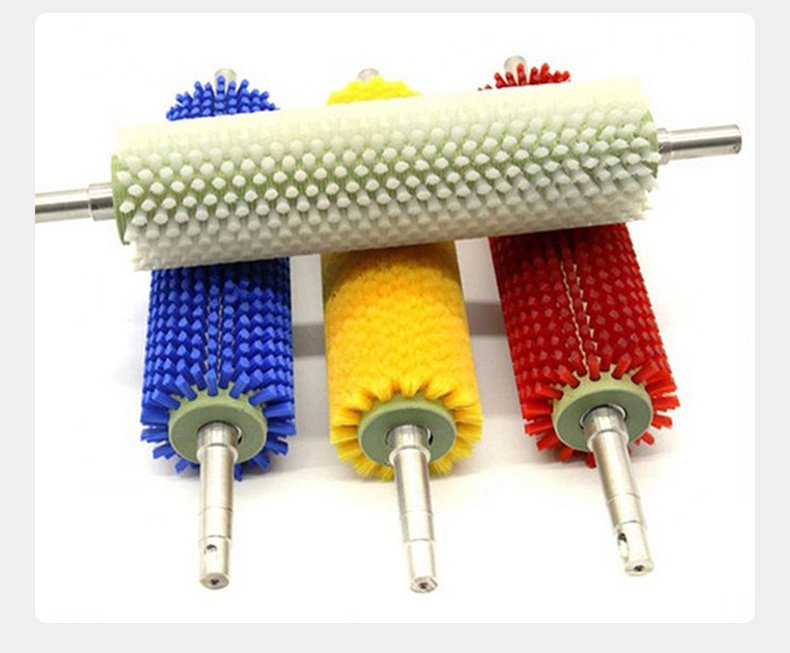
Color-coded brushes help workers stop cross-contamination. Each color means a different job or area. This system keeps raw foods and ready-to-eat foods apart and helps keep food safe.