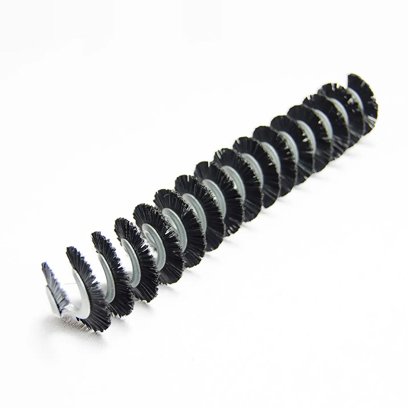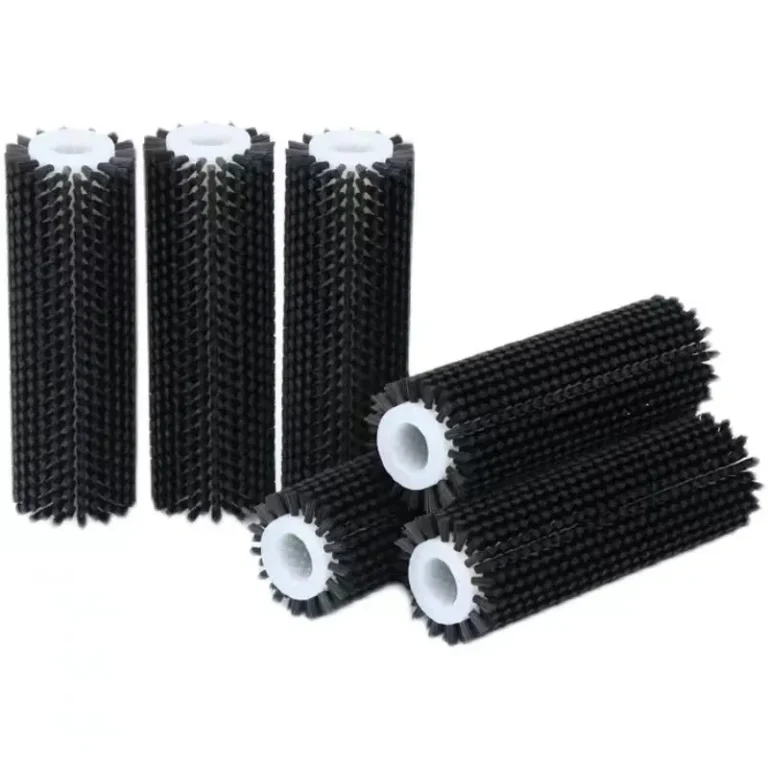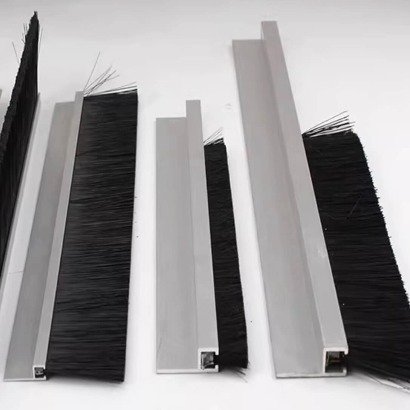
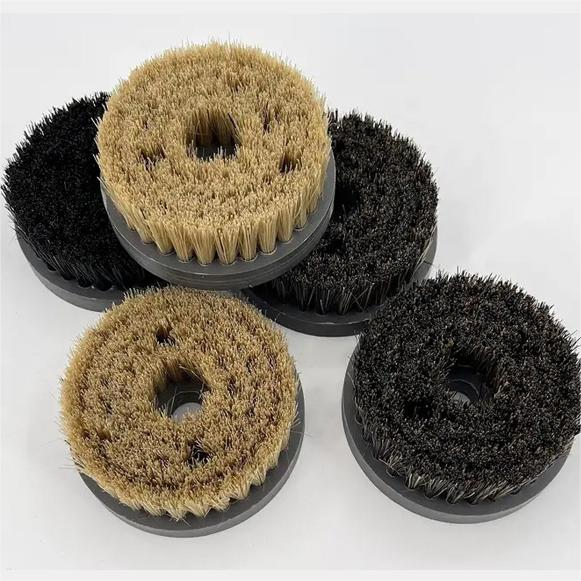
Selecting a nylon brush/sisal brush depends on the specific task at hand. Each nylon brush/sisal brush offers distinct advantages. A nylon brush is durable and gentle on surfaces, making it suitable for delicate materials. In contrast, a sisal brush is more environmentally friendly and biodegradable, causing less harm to nature. When choosing between a nylon brush/sisal brush, people also consider the desired finish of the surface and assess the abrasiveness of the brush. Additionally, concerns about potential contamination are taken into account before making a decision.
Key Takeaways
-
Nylon brushes are soft and good for gentle surfaces. They make things smooth and shiny without harm. Sisal brushes are tough and rough. They are great for cleaning hard marks. They polish hard metals fast. Use a sisal brush first for rough cleaning. Then use a nylon brush to finish and shine. This way gives the best results. Always pick the right brush for the instrument. Match it to what the instrument is made of. This keeps the surface safe and stops damage. Take care of your brushes by cleaning and drying them. This helps them last longer and keeps polishing safe and good.
Performance Criteria
Surface Finish
The way a surface looks after polishing is important. Nylon brushes usually make things look smoother and more even. This is good for delicate instruments or shiny parts. Sisal brushes make the surface a bit rougher. They are helpful for removing deep marks or getting ready for more polishing. People should pick the brush that matches the finish they want.
Abrasiveness
Abrasiveness means how much a brush can take off. Sisal strip brushes are rougher and can handle hard jobs. They remove tough dirt or old layers. Nylon brushes are softer and better for gentle cleaning or light polishing. It is important to think about what the instrument is made of before choosing a brush.
Consistency
Consistency is about getting the same results every time. Nylon brushes are good at keeping their shape and working well for longer. Sisal brushes wear out faster and might not polish evenly. For jobs that need steady results, nylon brushes are often the best choice.
Contamination Risk
Contamination can damage a precision instrument. Nylon brushes do not lose fibres easily, so they leave less behind. Sisal brushes are natural and might shed more. This can be bad in places that must stay clean. People who polish medical or science tools often use nylon brushes for this reason.
Durability
Durability is how long a brush lasts. Nylon strip brushes can handle chemicals and water. They keep working after many uses. Sisal brushes break down faster, especially if they get wet or used with strong cleaners. Nylon brushes usually last longer and are a better value.
Tip: Always check what the instrument needs before picking a nylon brush or sisal brush. The right brush saves time and keeps the equipment safe.
Sisal Brush Performance
Strengths
Sisal brushes have many good points for polishing instruments. They use strong, natural fibres that are rough and tough. This helps them remove marks and flaws well. Here are some main strengths:
-
Sisal fibres are naturally rough. They clean off stains, grit lines, and small marks easily.
-
These brushes work on hard metals like stainless steel and iron. Many people pick them for polishing strong parts.
-
The shape of sisal buffing wheels keeps things cool. Air moves from the centre, so the brush does not get too hot.
-
Wheels that are stitched close together are harder and last longer. This helps get a good finish on hard jobs.
-
Sisal brushes fit many machines, like bench grinders and lathes. This makes them useful in lots of workshops.
Note: Sisal brushes soak up grease well, which helps with some polishing compounds.
Limitations
Sisal brushes are not right for every job. They have some problems people should know about:
-
The natural fibres can fall out when used. This might cause contamination, especially in clean places.
-
Sisal wears out faster than synthetic brushes, especially if wet or with strong chemicals.
-
The rough action can be too strong for soft or gentle surfaces. Using sisal on the wrong thing may scratch it.
-
These brushes do not make things super shiny. They often leave a rougher surface than nylon brushes.
Use Cases
Sisal brushes are best in certain jobs. People use them for:
-
Polishing and cutting hard metals, like stainless steel or iron parts.
-
Removing tough marks, like stretcher stains or orange peel, before finer polishing.
-
Getting surfaces ready for more finishing, especially when a strong first cut is needed.
-
Using with bench grinders, polishers, or lathes in busy workshops.
Sisal brushes are a good choice when you need strength and cutting power. They help people do hard jobs and get instruments ready for the next polishing step.
Nylon Brush Performance
Strengths
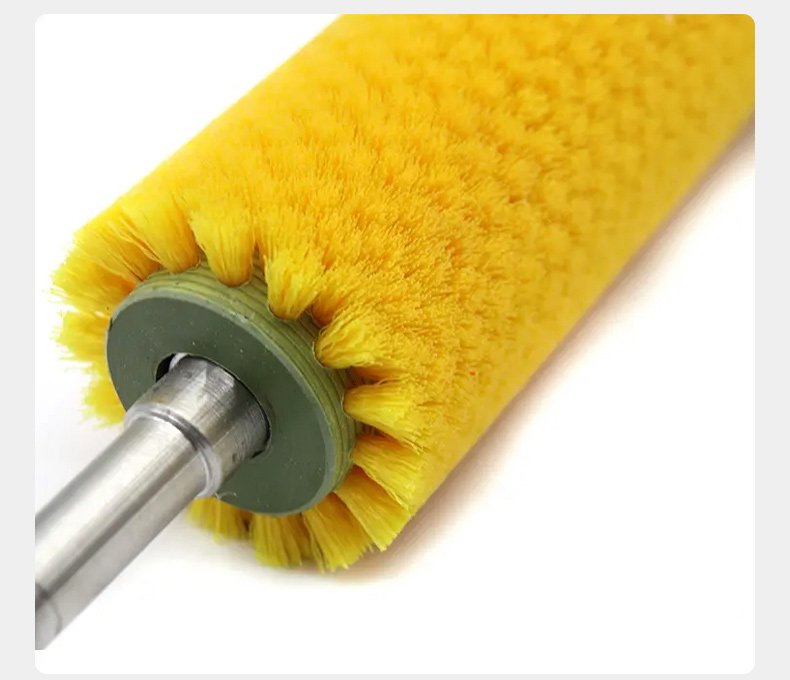
Nylon brushes are good for many polishing jobs. They are gentle and help protect delicate surfaces. Many people use nylon brushes for a smooth finish. These brushes last a long time and keep their shape. Some nylon types do not soak up water. This stops the bristles from getting hard or changing size. The brush keeps working well after many uses.
Here is a table that shows the main good points of nylon brushes for polishing precision instruments:
|
Advantage Category |
Description |
Relevance to Precision Instrument Polishing |
|---|---|---|
|
Abrasion Resistance |
Nylon brushes are not very rough. They are good for delicate surfaces and give a nice finish. |
They polish gently and do not harm precision instruments. |
|
Chemical Resistance |
They can handle strong cleaners, solvents, acids, and alkalis. |
This keeps the brush safe and stops contamination during polishing. |
|
Low Water Absorption |
Some nylon types (like Nylon 610, 612, 11, 12) hardly take in water. |
This stops the brush from getting hard or changing shape, so it works well. |
|
Flexibility & Durability |
Nylon bristles can be soft or stiff. This lets you pick the right one for the job. |
You can use them on delicate and tricky surfaces without causing damage. |
|
Versatility |
They are good for polishing silverware, jewellery, and precision instruments. |
They fit the careful work needed for polishing instruments. |
|
Specialised Nylon Types |
Nylon 610 is tough and does not soak up much water. Nylon 612 resists chemicals and is safe for food. Nylon 11 stands up to sunlight and keeps its shape. Nylon 12 resists wear and sunlight. |
These special features help nylon brushes work well and last long when polishing instruments. |
Tip: Nylon brushes work with many cleaners and do not lose bristles easily. This helps keep instruments clean.
Limitations
Nylon brushes have some problems. People should know these before using them.
-
Nylon bristles can melt or change shape if they get too hot.
-
They might make static electricity, which can hurt electronic parts.
-
The bristles are not hard enough for tough cleaning jobs.
-
Over time, nylon bristles wear out and start to split, especially on rough things.
-
Some strong acids and solvents can harm nylon.
-
Nylon does not break down in nature, so it is not as eco-friendly as natural brushes.
-
Using too much force or the wrong grit can still scratch things.
-
Dust from polishing can be bad to breathe in.
Use Cases
Nylon brushes are good for many polishing jobs. They work best on delicate or tricky surfaces, like those in medical tools, science instruments, and jewellery. People use them for final polishing to get a shiny finish. These brushes clean parts without leaving scratches or bristles behind. Many people pick nylon brushes for jobs that need care and steady results. They are a great choice for anyone who wants gentle and reliable polishing.
Nylon Brush vs Sisal Brush
Head-to-Head Comparison
Choosing between a nylon brush/sisal brush can feel tricky. Each one brings something different to the table. Let’s look at how they stack up side by side:
|
Aspect |
Sisal Brushes |
Nylon Brushes |
|---|---|---|
|
Material Nature |
Natural fibre, hard and abrasive |
Synthetic fibre, softer and less abrasive |
|
Efficiency |
Removes heavy scratches and imperfections quickly |
Works slower but gives a gentle, fine finish |
|
Typical Use |
First polishing steps, heavy-duty cleaning |
Final polishing, light cleaning, mirror finish |
|
Surface Impact |
Can be rough, may leave a matte look |
Gentle, leaves a smooth, shiny surface |
|
Time Required |
Fast for rough work |
Takes longer for a perfect shine |
|
Durability |
Stays tough over time, especially with new tech |
Needs new fleece for each step, wears with use |
|
Applications |
Metals (steel, brass, copper), woodworking |
Metals (aluminium, steel), precision tools |
|
Debris Removal |
Good at picking up and removing debris |
Not known for debris removal |
Sisal brushes work best when you need to get rid of marks quickly. They save time on tough jobs. Nylon brushes shine when you want a flawless finish. They take longer but protect delicate surfaces. Recent improvements in both types mean better results and longer life. For example, new nylon abrasive wheels now polish tricky shapes, while sisal wheels with special resin dips last longer and stay hard.
Tip: Start with a sisal brush for rough work, then switch to a nylon brush for the final shine. This combo gives the best of both worlds.
Material Suitability
Not every brush fits every job. The material of your instrument matters a lot. Here’s a quick guide:
-
Stainless steel needs a tough brush. Steel wire or sisal brushes work well for the first steps. They cut through hard surfaces and set the right texture.
-
Aluminium is much softer. Nylon brushes or brass brushes suit it best. They clean and polish without scratching.
-
Brass and other soft metals need extra care. Nylon brushes do the job gently, avoiding deep marks.
-
For precision instruments made from carbon steel, carbon steel brushes give a fine finish.
Nylon brushes also work well with light abrasive compounds. They polish softer metals, wood, and even plastic. Sisal brushes, especially the new bias-cut or wave-structured types, handle hard metals and odd shapes. They keep cool and last longer, which helps when polishing for a long time.
Note: Always match the brush to the metal. Using the wrong one can damage the surface or leave unwanted marks.
Maintenance & Cost
Looking after your brushes saves money and keeps your work top-notch. Nylon brushes need a bit more care. They wear out faster, especially if used on rough jobs. You might need to replace the fleece for each polishing step. Sisal brushes, on the other hand, last longer, especially with new resin treatments. They hold up well, even with heavy use.
Here are some tips for keeping costs down:
-
Clean brushes after each use. This stops old polish and debris from building up.
-
Store brushes in a dry place. Wet sisal brushes break down faster.
-
Check for loose fibres. Replace brushes that shed too much, especially in clean rooms.
-
Use the right compound. Nylon brushes pair well with fine abrasives. Sisal brushes work with many compounds, especially for cutting and buffing.
Sisal brushes often cost less over time because they last longer. Nylon brushes may cost more if you need to replace them often, but they protect delicate surfaces and reduce the risk of contamination.
Remember: The right nylon brush/sisal brush saves time, money, and keeps your instruments looking their best.
Selection Guide
Application Scenarios
People sometimes do not know which brush to pick. You should match the nylon brush or sisal brush to the job. If you need to polish a delicate medical tool, use a nylon brush. This brush makes the surface smooth and keeps it safe. Sisal brushes are better for tough jobs, like taking out deep scratches in steel. Workshops use sisal brushes first to clean rough parts. Jewelers and watchmakers use nylon brushes for the last step. Each brush is best for a certain job.
Checklist
Check these things before you start:
-
What material is the instrument made from?
-
Do you want the surface rough or shiny?
-
Is it important to keep the area clean?
-
Will the brush touch water or strong cleaners?
-
How much force will you use?
-
Is there a way to control dust?
-
Are the right abrasive compounds ready?
Tip: Always use the right amount of force and the correct grit. This stops damage, even if you use a soft nylon brush.
Expert Tips
Experts have some easy tips for safe polishing:
-
Use gentle force, especially on soft metals.
-
Pick the right grit. Finer grit makes things smoother.
-
Keep your work area tidy. Polishing dust can hurt your lungs.
-
Nylon brushes do not make sparks. They are safer near things that can catch fire.
-
Change brushes if they lose shape or drop fibres.
-
Keep brushes dry, especially sisal ones.
Remember: Good habits protect both you and your tools. The right nylon brush or sisal brush makes polishing safer and easier.
Choosing between a nylon brush/sisal brush depends on the job. Nylon brushes suit delicate instruments and give a smooth finish. Sisal brushes work best for tough marks and hard metals. Readers should check the checklist before starting. Expert tips help keep tools safe and results consistent. Picking the right brush saves time and protects equipment.
FAQ
What is the main difference between nylon and sisal brushes?
Nylon brushes use synthetic fibres and feel softer. Sisal brushes use natural plant fibres and feel rougher. Nylon suits gentle polishing. Sisal works better for tough cleaning. Each brush fits a different job.
Can you use both brushes on the same instrument?
Yes, many people start with a sisal roller brush to remove marks. They then switch to a nylon roller brush for a smooth finish. This method gives the best results for many instruments.
Do nylon brushes scratch delicate surfaces?
Nylon brushes rarely scratch delicate surfaces. They work well on soft metals and fragile parts. Always use the right grit and gentle pressure for the best outcome.
How do you clean and store these brushes?
Clean brushes after each use with water or mild soap. Let them dry fully before storing. Keep sisal brushes dry to stop them breaking down. Store all brushes in a cool, dry place.
Are sisal brushes better for the environment?
Sisal brushes come from natural fibres and break down over time. They cause less harm to nature than nylon brushes. People who want eco-friendly tools often choose sisal.