The best material for a vegetable brush depends on what you want. Many people choose nylon or natural fibres. These materials clean dirt off vegetables well. They do not damage the skin of the vegetables. A good brush should last a long time. It should be safe to use with food. It should also help make cleaning easy. The marshal Vegetable Roller Brush uses top materials. This helps keep vegetables fresh and safe.
Key Takeaways
-
Nylon and natural fibres are great for vegetable brushes. They clean well and last a long time. These materials are also safe to use with food.
-
Use firmer brushes like nylon for root vegetables. Use softer fibres or gentle cleaning for soft foods like tomatoes and mushrooms.
-
Keep your brush clean by rinsing it after each use. Wash it with mild soap and dry it well. This helps stop bacteria from growing.
-
Choose a brush with a handle that feels good in your hand. A good grip makes cleaning easier and safer, even if you use it for a long time.
-
Pick a brush that matches what you need. You might want eco-friendly materials, one for daily use at home, or a strong brush for a busy kitchen.
Best Material Overview
Direct Answer
The best material for a vegetable brush is often nylon or natural fibres. Many people want a brush that cleans well and lasts long. They also want it to be safe for food. Nylon bristles are strong and bend easily. They are simple to wash. Natural fibres, like tampico or coconut, come from plants. These fibres are gentle and good for the environment. They clean vegetables without scratching them.
Some of the best vegetable brushes use both materials. For example, the marshal Vegetable Roller Brush uses food-grade nylon. This makes it strong for root vegetables but still gentle for soft ones. People should pick a brush that cleans well, is safe, and lasts a long time.
Key Benefits
Picking the best material for a vegetable brush has many good points. Here are some main benefits:
-
Effective Cleaning: The best vegetable brushes take off dirt and germs. Nylon bristles get into small spaces. Natural fibres clean softly and do not hurt the skin.
-
Long-Lasting: Good materials help the brush last longer. Nylon and plant fibres keep their shape after many washes.
-
Safe for Food: Food-grade materials do not break down into bad bits. They stop bacteria and are easy to clean, so they are safe for all vegetables.
-
Eco-Friendly Choices: Many people want a vegetable brush that is good for the earth. Natural fibres break down over time and do not fill up landfills.
-
Comfort and Grip: The best vegetable brush feels nice to hold. Good materials make the handle strong and the bristles comfy.
Tip: The best vegetable brushes, like the marshal Vegetable Roller Brush, use strong nylon and other safe materials. This helps people clean all kinds of vegetables, like carrots and apples.
People should think about what is most important to them. Some want a brush that is eco-friendly. Others want one that lasts a long time. The best material helps everyone get cleaner and safer vegetables at home or work.
Vegetable Brush Materials
Natural Fibres
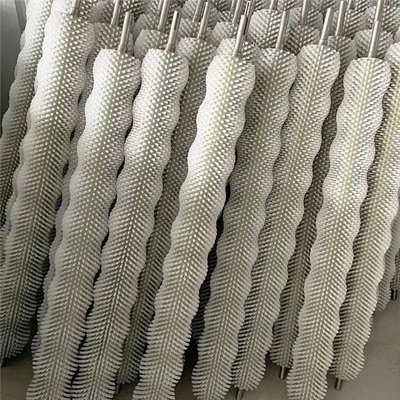
Many people pick natural fibres for their vegetable brush bristles. These fibres come from plants and clean dirt off vegetables well. Some common types are tampico, palmyra, bassine, and union mix. Each fibre is good for different jobs:
-
Tampico comes from the agave plant. It is soft and holds water well. This makes it good for scrubbing without scratching.
-
Sisal is rougher and stiffer than tampico. It is best for hard dirt but can wear out if it stays wet.
-
Coconut fibre is strong and good for tough dirt. It is not as common as tampico or sisal.
|
Fibre |
Origin |
Texture |
Cleaning Use |
Lifespan |
|---|---|---|---|---|
|
Tampico |
Agave lechuguilla |
Soft, fine |
Gentle scrubbing, holds water |
Long-lasting |
|
Sisal |
Agave sisalana |
Coarse, stiff |
Tough dirt, root vegetables |
Can degrade if wet |
|
Coconut |
Coconut husk |
Rough, strong |
Heavy dirt, root vegetables |
Durable |
Natural fibres break down after some time, so they are good for the environment. Many brushes use bamboo for the handle. Bamboo is strong and feels nice in your hand.
Nylon and Synthetics
Nylon is a favourite material for vegetable brush bristles. It is strong and lasts a long time. Nylon bristles clean dirt off vegetables without hurting the skin. Polypropylene is another synthetic, but nylon cleans better. Synthetic bristles do not let bacteria grow and are easy to wash. Many vegetable brushes have bamboo handles, which are sturdy and good for the planet.
Mixed and Speciality Options
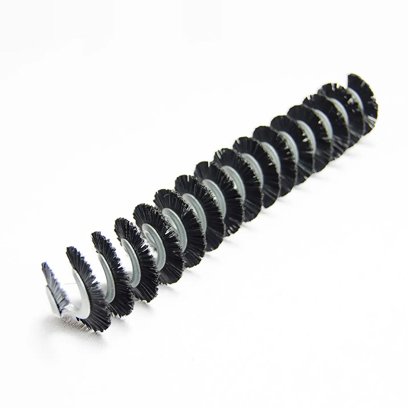
Some vegetable brushes use more than one material. The marshal Vegetable Roller Brush uses food-grade nylon bristles for cleaning. It also has stainless steel for extra strength. This mix helps clean all kinds of vegetables. The bristles get into small spaces and clean well. Stainless steel parts make the brush last longer and stop rust. Boar bristles are sometimes used in special brushes for gentle cleaning. Mixed brushes give strong cleaning and last a long time.
Tip: Picking the right vegetable brush material helps keep your vegetables safe, clean, and fresh.
Cleaning Performance
Root Vegetables
Root vegetables like potatoes and carrots are often dirty. Their skins are rough and have small spaces where dirt hides. Using a good brush makes cleaning much easier. Many people like brushes made from oil-treated birch wood. These brushes have natural bassine and tampico bristles. The bristles are firm enough to scrub off dirt but do not hurt the skin. This kind of brush lasts a long time and does not get weak from water.
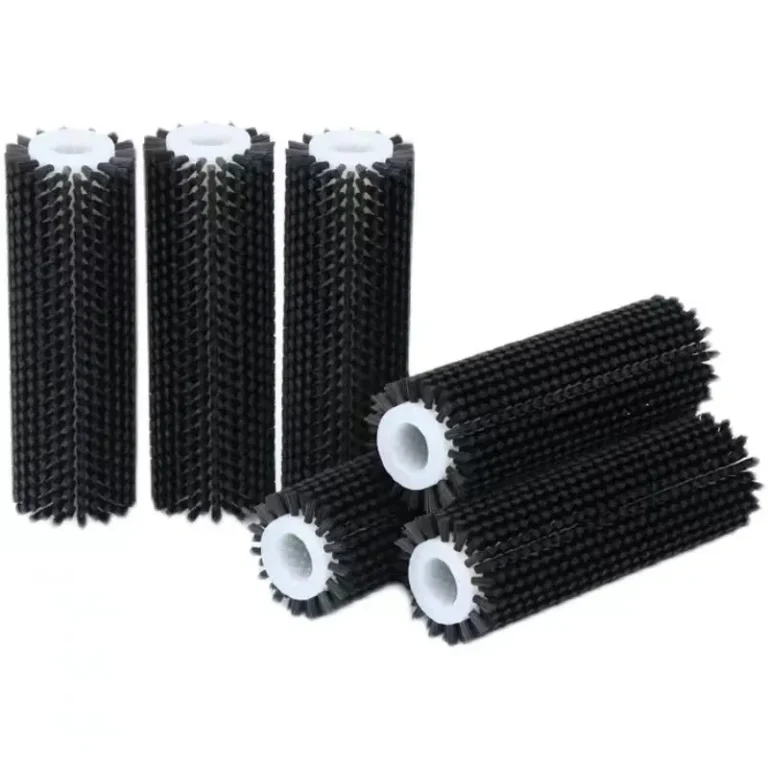
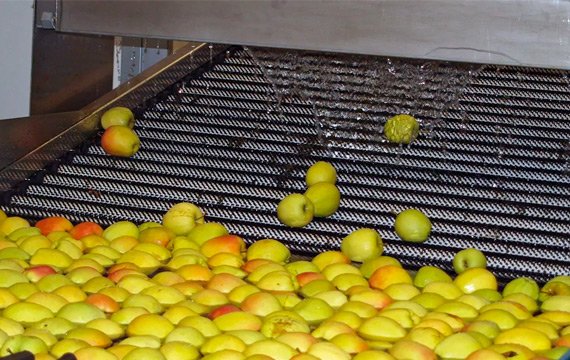
Nylon bristles also work well on root vegetables. They bend a little and reach into tiny spaces to pull out dirt. The vegetable roller brush uses food-grade nylon bristles. These bristles clean root vegetables quickly and well. The brush spins, so it removes dirt from all sides. This makes cleaning fast and easy. People who clean lots of vegetables, like in restaurants or on farms, often pick this brush because it is quick and strong.
Tip: Always look at your brush after using it. If you see dirt between the bristles, rinse it under running water. This keeps the brush clean for next time.
Delicate Produce
Delicate produce like tomatoes and mushrooms needs gentle care. Their skins bruise easily, and hard scrubbing can damage them. For tomatoes, hold them under cold running water. Gently rub away dirt with your fingers. Brushes are not needed for these vegetables. Their skins can soak up water or chemicals.
Mushrooms need special care. They soak up water fast, which can make them soft. Do not wash mushrooms under the tap. Instead, wipe each one with a soft, damp cloth to remove dirt. This keeps them firm and tasty. After cleaning, dry delicate produce with a clean towel. This takes away extra water and helps stop bacteria.
Note: Never soak delicate vegetables. Too much water can spoil their taste and texture.
Durability and Maintenance
Longevity
A good vegetable brush should last for many uses. The material is very important. Some brushes break down fast, but others stay strong for ages. Here is a table that shows how long each material lasts:
|
Brush Material |
Durability & Lifespan |
Key Properties |
|---|---|---|
|
Steel Wire |
Longest lifespan |
Strong, resists wear, does not bend |
|
Nylon |
High durability |
Tough, resists chemicals, flexible |
|
Polypropylene |
Durable, less than nylon |
Repels water, resists dirt build-up |
|
Brass Wire |
Durable, softer than steel |
Flexible, resists rust |
|
Polyester/Polystyrene |
Shorter lifespan |
Less tough, wears down faster |
Nylon brushes are great for cleaning vegetables. They can handle hard dirt and last longer than most. Polypropylene is also good but does not last as long as nylon. Steel wire brushes are very strong. People do not use them much for vegetables because they can hurt the skin. Natural fibre brushes, like coconut or tampico, clean well but break down if left wet. Drying your brush after use helps it last longer.
Hygiene
It is important to keep your vegetable brush clean. Dirt can get stuck between the bristles. If the brush stays wet, bacteria can grow. Nylon brushes are easier to clean and dry than natural fibre ones. They also get rid of more dirt and bacteria from vegetables. Scrubbing with a nylon brush and water can remove over 95% of dirt and germs, like E. coli and Salmonella.
Here are some tips to keep your brush clean:
-
Rinse the brush after every use to get rid of dirt.
-
Wash it with mild soap and warm water.
-
Make sure the brush is dry before putting it away.
-
Keep it in a dry place to stop mould and bacteria.
-
Use different coloured brushes for different vegetables to stop germs spreading.
Brushes dry faster than sponges, so bacteria do not grow as much. Cleaning and drying your brush often keeps it safe to use again. If your brush looks old or still has dirt after washing, it is time to get a new one. A clean brush means your vegetables are cleaner and you are less likely to get sick.
User Experience
Comfort
A comfortable vegetable brush makes cleaning much easier. People often spend time washing many vegetables, so comfort matters. The shape and size of the brush play a big part. Some brushes have a curved design that fits nicely in the hand. Others use soft materials on the vegetable brush handle to stop slipping and reduce hand fatigue.
Many users like a lightweight brush. It feels easy to move and does not make the hand tired. A good vegetable brush handle should not dig into the palm. Some brands add a rubber grip or smooth wood to help with comfort. When someone uses a brush that feels good, they can clean more vegetables without stopping.
Tip: Try holding the brush before buying. If it feels too heavy or rough, it may not be the best choice for long cleaning sessions.
Grip
Grip is just as important as comfort. A secure grip helps people clean vegetables quickly and safely. Wet hands can make a brush slip, so the vegetable brush handle needs a non-slip surface. Some handles have grooves or textured patterns. These features help fingers stay in place, even when washing lots of vegetables.
A thick vegetable brush handle gives better control. People can scrub root vegetables or softer produce without losing their hold. Some brushes use bamboo or rubber for extra grip. Others use plastic with a special coating. The marshal Vegetable Roller Brush, for example, has a handle designed for easy holding during long use.
A good grip means less chance of dropping the brush or hurting the vegetables. It also makes cleaning faster and more enjoyable.
Note: Always dry your hands and the brush after use. This keeps the grip strong and the brush ready for next time.
Best Vegetable Brush Recommendations
Everyday Use
Picking the right vegetable brush for daily use is important. Many people want a brush that feels good and works on many vegetables. The OXO Good Grips Vegetable Brush is a favourite for this. Its handle fits well in your hand, even if your hands are small or sore. The nylon bristles are strong but do not hurt the skin of potatoes or carrots. This brush is light and simple to wash. You can put it in the dishwasher. Many people give it top marks and trust it for their kitchens.
-
Handle is shaped for comfort
-
Nylon bristles are strong but gentle
-
Can be cleaned in the dishwasher
-
Users give it high ratings
Tip: A good vegetable brush helps you clean faster and keeps your vegetables safe to eat.
Eco-Friendly Choices
Lots of people now want eco-friendly vegetable brushes. The Wood and Tampico Bottle Brush Set by Gaia Guy is a top pick for those who care about nature. These brushes have handles made from European beechwood and bristles from tampico fibre. Both are plant-based and break down over time. There is no plastic, glue, or chemicals in these brushes. They come in paper packaging and help you make less waste. You can use them to scrub potatoes, carrots, and more. The simple look also fits nicely in any kitchen.
-
Made with earth-friendly materials
-
Has a bamboo handle for a natural touch
-
No plastic and makes no waste
-
Strong and can be used for many jobs
Note: Eco-friendly brushes help the planet and keep your vegetables clean.
Commercial Solutions
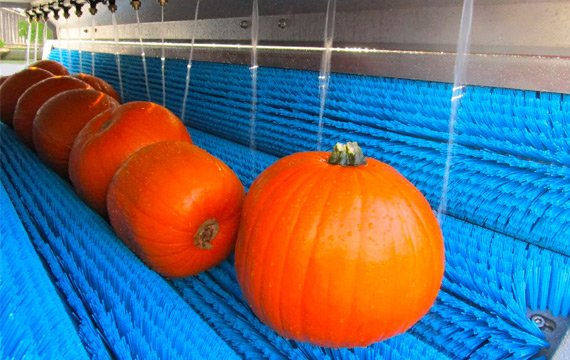
Big kitchens need a vegetable brush that is fast and safe. The marshal Vegetable Roller Brush is a great choice for these places. It has spinning nylon bristles and water sprays to clean lots of vegetables quickly. The brush can be changed for different jobs. Soft bristles are for gentle vegetables, and hard ones are for root vegetables. The brush uses safe materials and stops bacteria from growing. Brushes in different colours help stop germs from spreading. Many big kitchens use this brush because it works well and is easy to trust.
-
Spinning brush rollers clean quickly
-
Made with food-safe nylon and steel
-
Simple to wash and look after
-
Built for cleaning lots of vegetables
Tip: Big kitchens should use the right brush for each vegetable and job to get the best results.
Picking the right vegetable brush helps you clean better. Nylon and natural fibres are good for most people. Many people at home like a simple brush with soft bristles. They use it to wash vegetables every day. Big kitchens need a strong brush for lots of vegetables. The marshal Vegetable Roller Brush is good for this. Everyone should think about what is most important to them. Some people want to clean fast. Others care about safety or the environment. Choose a brush that fits your needs.
FAQ
What is the safest material for a vegetable brush?
Food-grade nylon and natural fibres are both safe. They do not leave behind bad pieces. Many people like nylon because it is strong and easy to clean. Natural fibres are good for people who want to help the environment.
How often should someone replace a vegetable brush?
Most people get a new brush every three to six months. If the bristles look old or dirty after cleaning, get a new one. Checking your brush often helps keep cleaning safe.
Can you put a vegetable brush in the dishwasher?
Many nylon brushes can go in the dishwasher. Always read the label before washing. Natural fibre brushes may not last long if washed this way. Washing by hand keeps them in better condition.
Which brush works best for different vegetables?
Learn more:
|
Vegetable Type |
Best Brush Material |
|---|---|
|
Root vegetables |
Nylon or stiff fibres |
|
Soft produce |
Soft nylon or tampico |
|
Mushrooms |
Soft cloth or brush |
Tip: Use a different brush for root vegetables and soft produce. This helps stop germs from spreading.