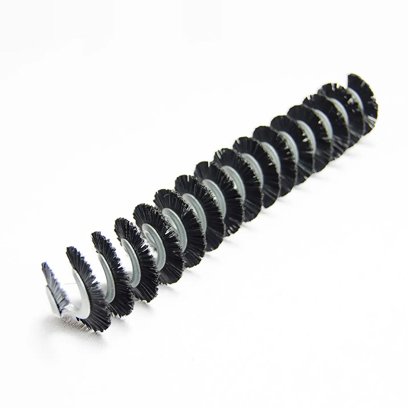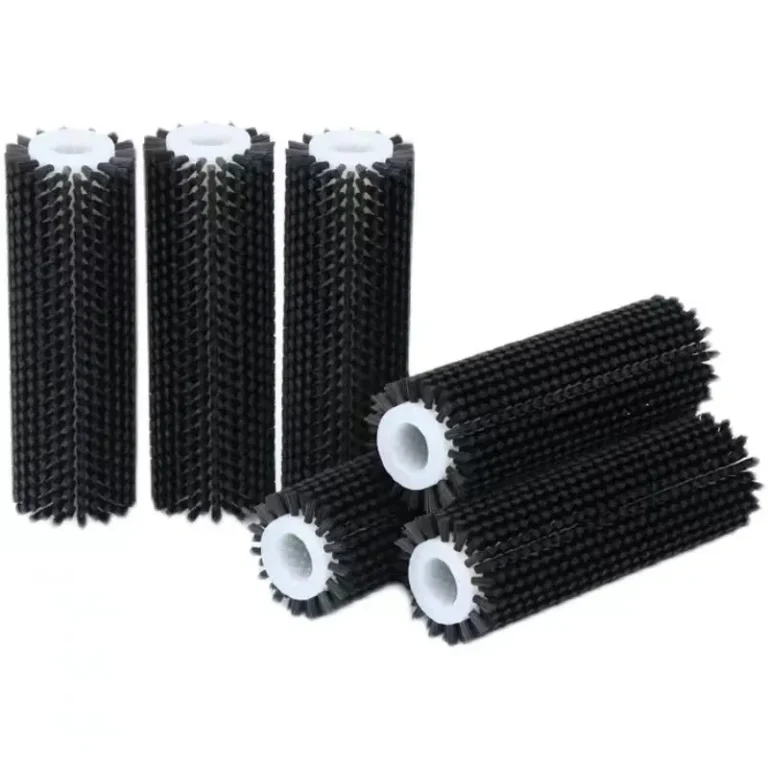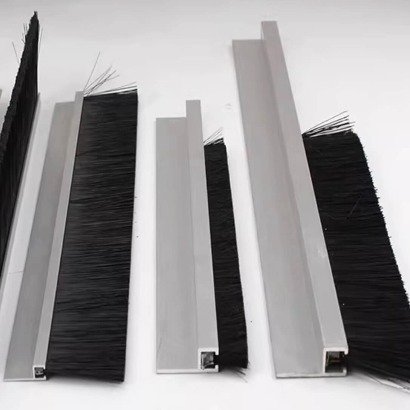
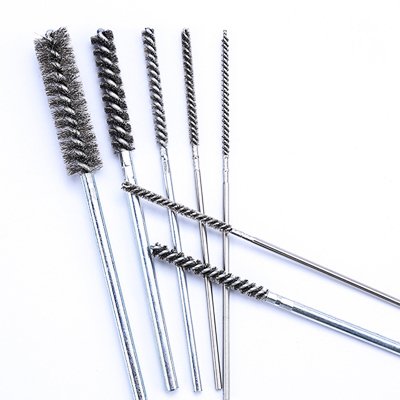
A tube cleaning brush helps keep tubes and pipes clean. It removes dirt, leftover stuff, and buildup. People use it in many jobs, like HVAC, food and drink, marine, and healthcare. This helps things work better and keeps people safe. Using the right tool, like a nylon tube brush or a stainless steel tube brush, stops clogs. It also helps machines work well. Factories, labs, and hospitals need these brushes to stay clean and avoid problems. marshal is a top maker of good cleaning tools for all these jobs.
Key Takeaways
-
Tube Cleaning Brush Overview
-
Tube Cleaning Brush Uses
-
Benefits of Tube Cleaning Brush
-
Choose a Tube Cleaning Brush
Tube Cleaning Brush Overview
What Is It?
A tube cleaning brush is a special tool designed to clean the inside of tubes, pipes, and narrow spaces. It has a long, flexible shaft that lets users reach deep into pipes where dirt and debris often build up. The bristles can be soft or tough, depending on what needs cleaning. People use these brushes in many places, such as factories, labs, and hospitals. The simple design means anyone can use them, whether they work in industry or just need to clean something at home.
marshal stands out as a trusted supplier of tube cleaning brushes. The company offers a wide range of products and can customise brushes to fit different jobs. They make sure each brush matches the needs of the customer, from the size of the brush head to the type of handle.
Key Features
A tube cleaning brush has several clever features that make it effective:
-
Spiral winding helps the brush move forward as it turns, making it easier to clean long pipes.
-
Some brushes have two heads. One end scrubs away tough dirt, while the other polishes for a smooth finish.
-
Flexible shafts let the brush bend around corners, so no spot gets missed.
-
The brush head is usually a bit bigger than the pipe’s inside. This ensures the bristles touch every part without causing damage.
Tip: Choosing the right brush size and bristle type helps get the best cleaning results and keeps pipes in good shape.
Types and Materials
There are many types of tube cleaning brushes, each made for a different job. The table below shows some common materials and their uses:
|
Material |
Best For |
Notes |
|---|---|---|
|
Nylon |
Soft deposits, gentle cleaning |
Good for copper tubes and sensitive surfaces |
|
Brass |
Scale, rust, moderate debris |
Won’t scratch delicate tubes, resists corrosion |
|
Stainless Steel |
Tough deposits, heavy-duty cleaning |
Lasts long, handles harsh and hot environments |
|
Wire |
Soot, ash, hard industrial fouling |
Great for boilers and strong pipes |
marshal offers all these types and more. They can customise the brush head, shaft, and bristle material. Customers can choose the right brush for food processing, lab glassware, or even deep industrial pipes. Special designs, like spring brushes or abrasive wire brushes, help with tricky cleaning jobs.
Tube Cleaning Brush Uses
Industrial Applications
Factories, power plants, and ships need clean tubes to work well. A tube cleaning brush takes away dust, scale, and other build-up inside pipes. This tool helps heat exchangers, boilers, and condensers do their job. If tubes get blocked, machines use more energy and might break. Cleaning tubes often with a tube cleaning brush stops these problems early.
|
Industry |
Where It’s Used |
Why It Matters |
|---|---|---|
|
HVAC Systems |
Air ducts, chillers, heat exchangers |
Better air quality and energy savings |
|
Marine/Offshore |
Engine cooling tubes, seawater pipes |
Stops salt and barnacle build-up, saves energy |
|
Food & Beverage |
Pasteurisation, cooking, packaging lines |
Keeps food safe and equipment clean |
|
Power Generation |
Boilers, condensers, heat exchangers |
Prevents breakdowns and keeps power flowing |
|
Oil and Gas |
Refineries, heat exchangers, pipelines |
Reduces corrosion and extends equipment life |
Using tube cleaning brushes often in these jobs means fewer breakdowns, less money spent on repairs, and safer places to work.
marshal makes strong, trusted brushes for all these uses. Their brushes help companies avoid long stops and keep things working well.
Laboratory and Medical
Clean tools are very important in labs and hospitals. Scientists and doctors use tube cleaning brushes for test tubes, pipettes, catheters, and other small tools. These brushes have soft bristles and special shapes to clean every part without scratching glass or plastic.
-
Lab brushes use nylon or polyester bristles twisted into stainless steel wire.
-
They fit inside small tubes, flasks, and pipettes.
-
Medical brushes help stop germs and infection by removing bacteria and residue.
A tube cleaning brush in a lab or hospital must be gentle but clean well. marshal has many brushes for these careful jobs, so every tool is safe and spotless.
Installation and Maintenance
To get the best from a tube cleaning brush, you must install and look after it the right way. Here is how experts do it:
-
Turn off and make equipment safe before starting.
-
Take off panels or covers to reach the brush.
-
Remove the old brush and clean the spot.
-
Put in the new brush and line it up right.
-
Secure it and do a quick test to check it works.
To keep brushes in good shape:
-
Check them often for damage or wear.
-
Store them in a dry, covered place.
-
Clean the brush after each use to get rid of dirt.
-
Use the right speed and pressure if using a machine.
Picking the right size and type of brush for each job is important. marshal helps people choose the best brush, whether for a big chiller or a tiny lab tube.
A tube cleaning brush that is looked after saves time and money. It helps equipment last longer and lowers the chance of sudden breakdowns.
Benefits of Tube Cleaning brush
Efficiency
Tube cleaning brushes help people clean pipes fast and easily. They can reach deep inside tubes and get rid of dirt that other tools miss. Workers finish cleaning quickly because these brushes do the job in one go. Tube cleaning wire brushes are good for cleaning tight spaces and inside pipes. Their shape helps remove tough dirt and light rust, so machines keep working well. Mechanical tube cleaning brushes use less water than high-pressure cleaning. This means there is less mess and less time needed to clean up. Factories and workshops like using them because they save time.
Equipment Longevity
Using tube cleaning brushes often helps machines last longer. Clean tubes mean machines do not have to work as hard. This stops parts from breaking too soon. More companies now use tube brushes to keep their machines in good condition. The tube brush market is growing quickly, from USD 480 million in 2023 to USD 780 million by 2032. This shows how important tube brushes are for keeping equipment working well. Tube cleaning brushes can reach places that are hard to clean. They stop dirt from causing damage or making machines break down. Heavy-duty brushes can even get rid of tough dirt, helping machines stay strong for a long time.
Safety and Hygiene
Clean tubes help make workplaces safer and healthier. Tube cleaning brushes take away bacteria, mould, and other bad things from pipes and containers. In food factories, workers use these brushes to clean bottling lines and conveyor belts. In hospitals and labs, they help clean medical vials and surgical tools. This stops germs from spreading. Some brushes are made from special materials that resist chemicals and heat. This makes them good for places with strict hygiene rules. Some brushes come in different colours to stop mixing them up. Using tube cleaning brushes helps companies follow safety rules and keep everyone healthy.
Tip: Picking the right size and material for your tube cleaning brush helps you get the best results and keeps your workplace safe and clean.
|
Aspect |
Mechanical Tube Cleaning Brushes |
Alternative Methods (High-Pressure Water, Chemical, etc.) |
|---|---|---|
|
Water Usage |
Low water use, mainly for cooling and flushing deposits |
Higher water consumption, especially in high-pressure hydroblasting |
|
Wastewater Generation |
Minimal wastewater produced |
More wastewater generated |
|
Environmental Footprint |
Smaller footprint due to reduced water and chemical use |
Larger footprint due to water, chemicals, or secondary waste |
|
Safety |
Safer with lower risk of damage or injury |
Higher risk due to high pressure or chemical exposure |
|
Cost-effectiveness |
Cost-effective; inexpensive materials and reusable by staff |
Higher costs due to equipment, chemicals, and third-party services |
|
Cleaning Effectiveness |
Continuous friction removes deposits effectively |
High-pressure removes surface deposits but less effective on deep fouling |
Choosing a Tube Cleaning Brush
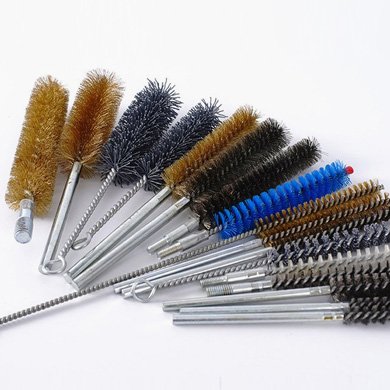
Size and Fit
Selecting the right size and fit for a tube cleaning brush makes cleaning much easier. People should always measure the inner diameter and length of the tube before choosing a brush. The brush head should match or be slightly larger than the tube’s diameter. This ensures the bristles touch every part of the wall. Some tubes have bends or corners, so a curved or angled brush head works best there. Handle length also matters. A longer handle helps reach deep spots, while a comfortable grip reduces hand fatigue. Users should check for any obstructions inside the tube and pick a brush that can move past them without getting stuck.
Tip: Always choose a brush that fits snugly but slides in without force. This prevents damage to both the brush and the tube.
Material Selection
The material of the brush affects how well it cleans and how long it lasts. Nylon brushes work well for gentle cleaning and remove soft deposits like mud or algae. They suit both metal and plastic tubes. Stainless steel brushes are best for tough jobs, such as cleaning stainless steel tubes or removing hard deposits. Polypropylene brushes resist chemicals, making them a good choice for tubes that need strong cleaning agents. Matching the brush material to the tube and cleaning job keeps both safe and clean.
marshal offers custom solutions for special needs. They can adjust the size, shape, and bristle type to fit any cleaning task, from food processing to mining.
Care and Maintenance
Looking after a tube cleaning brush helps it last longer and work better. After each use, users should rinse the brush to remove dirt and residue. Drying the brush fully stops rust and keeps bristles in shape. People should store brushes in a dry, clean place and use covers to protect them from dust. Regular checks for bent or missing bristles help spot problems early. Replacing worn brushes keeps cleaning safe and effective.
|
Common Mistake |
How to Avoid |
|---|---|
|
Wrong brush size or material |
Measure tubes and pick the right bristle type |
|
Skipping regular cleaning |
Clean and dry the brush after every use |
|
Irregular replacement |
Check for wear and replace when needed |
A tube cleaning brush helps keep pipes and machines clean. It also helps them stay safe and work well. Many jobs use these brushes to stop blockages and save energy. They also help people follow safety rules. Picking the right brush size and material makes cleaning simple. It also keeps equipment safe from harm. Cleaning often and looking after brushes helps them last longer. It also makes sure they work well each time. marshal gives good advice and can make special brushes for any job.
For the best results, people should ask experts and choose a brush that matches what they need.
FAQ
How often should someone replace a tube cleaning brush?
Most people replace their tube cleaning brush when the bristles look worn or bent. Heavy use means more frequent changes. Regular checks help keep cleaning effective.
Can a tube cleaning brush clean both metal and plastic tubes?
Yes, it can. Users just need to pick the right bristle material. Nylon works well for plastic tubes. Stainless steel suits metal tubes with tough deposits.
What size tube cleaning brush works best?
The best brush size matches the tube’s inner diameter. A brush that fits snugly cleans better. marshal offers custom sizes for special needs.
Are tube cleaning brushes safe for food and medical use?
Yes, many tube cleaning brushes use food-grade or medical-grade materials. marshal supplies brushes that meet strict hygiene standards for these industries.
How should someone store a tube cleaning brush?
Store the brush in a dry, clean place. Hang it up or keep it in a covered box. This keeps the bristles in good shape and ready for the next use.